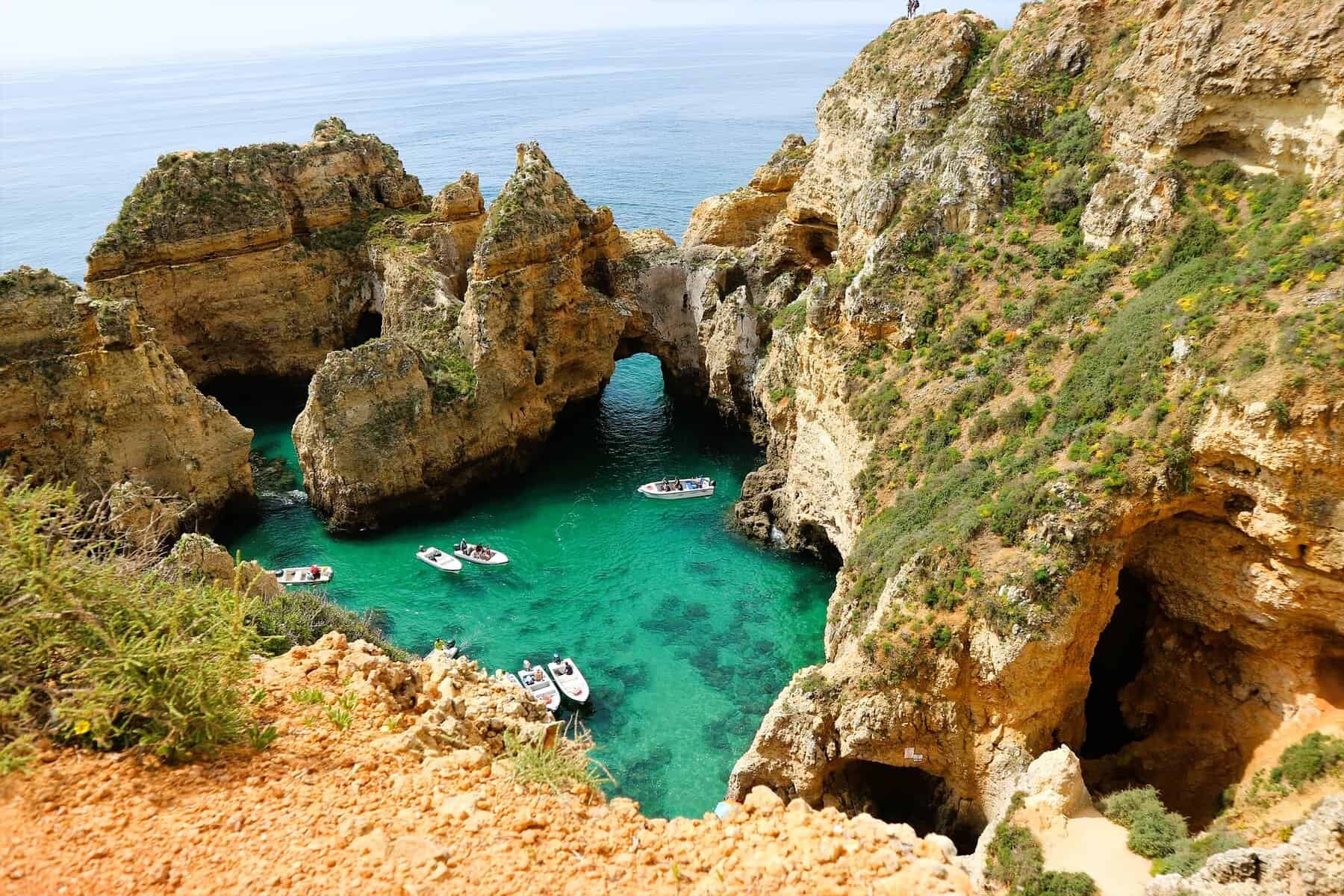
Portugal is not a large country, but it is remarkably diverse. The differences between its regions go far beyond weather and landscapes—they extend to culture, architecture, and food as well. That’s exactly why it’s so rewarding to explore different parts of this peaceful and distinctive country.
Portugal is divided into 18 administrative regions, along with two remote island groups in the Atlantic that are an integral part of the country. Broadly speaking, Portugal can be divided into 7 main travel regions:
- Lisbon, the capital | Lisbon
- Porto and the North | Porto e Norte
- Central Portugal | Centro de Portugal
- The Algarve in Portugal’s deep south | Algarve
- Alentejo, the great historic region of south-central Portugal | Alentejo
- The island of Madeira, truly one of a kind | Madeira
- The Azores, green and stunningly beautiful | Azores
Map of Portugal’s districts and travel regions
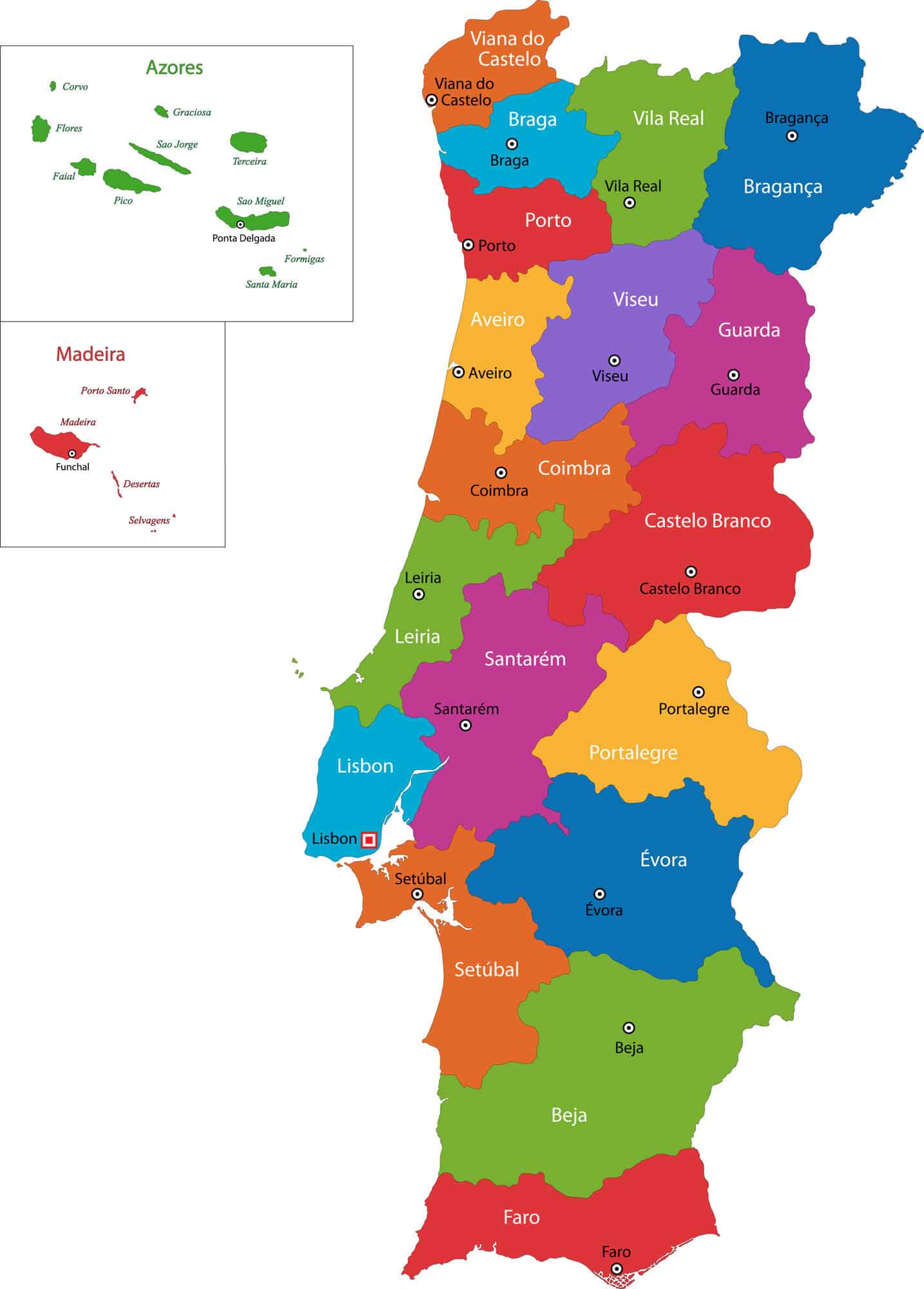
We’ve put together this guide to Portugal’s travel regions, a wonderful and peaceful country on the western edge of the Iberian Peninsula. What makes each region special, when is the best time to go, and what are the main attractions? A trip through Portugal usually lets you combine several regions, though it’s just as easy to focus on only one. Still, most travelers who come to Portugal find themselves wanting to return again and again, so it’s worth getting to know them all—if not for this trip, then for the next one…
Click her to Find your perfect Portugal itinerary…
Best Places to Visit in Portugal
1. Lisbon
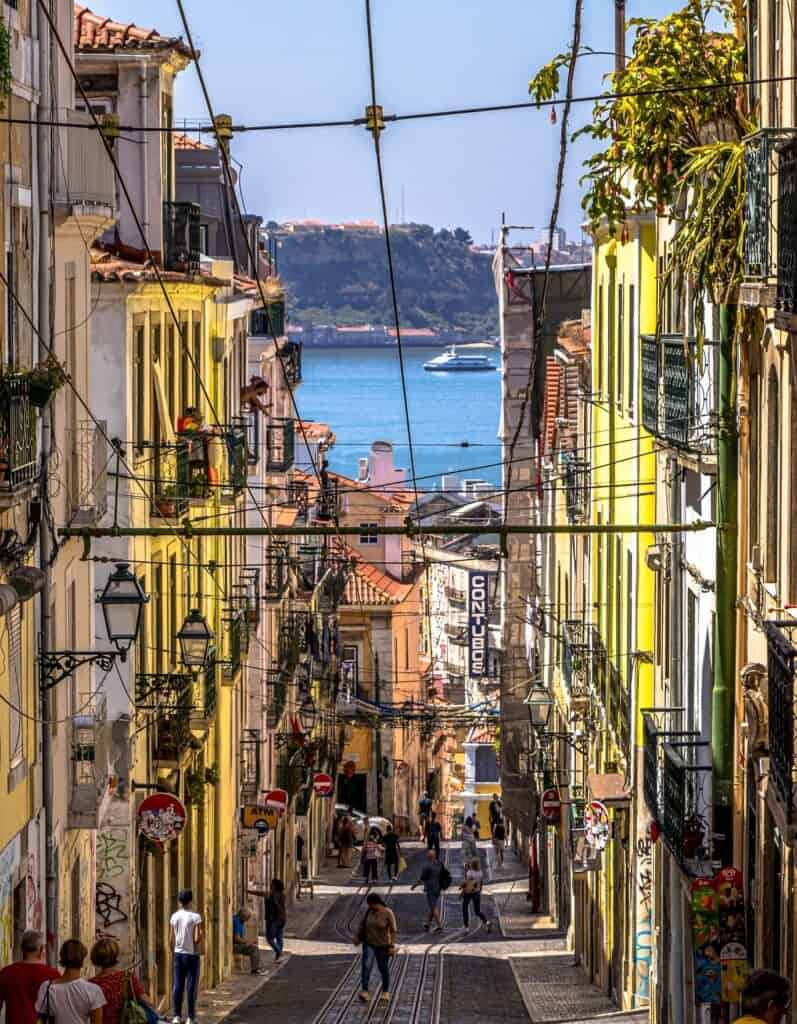
City center: Baixa and Avenida form the heart of central Lisbon.
In short: A large, layered metropolis spread across seven hills, with an outstanding food scene, broad squares, monumental buildings, museums, and excellent modern art.
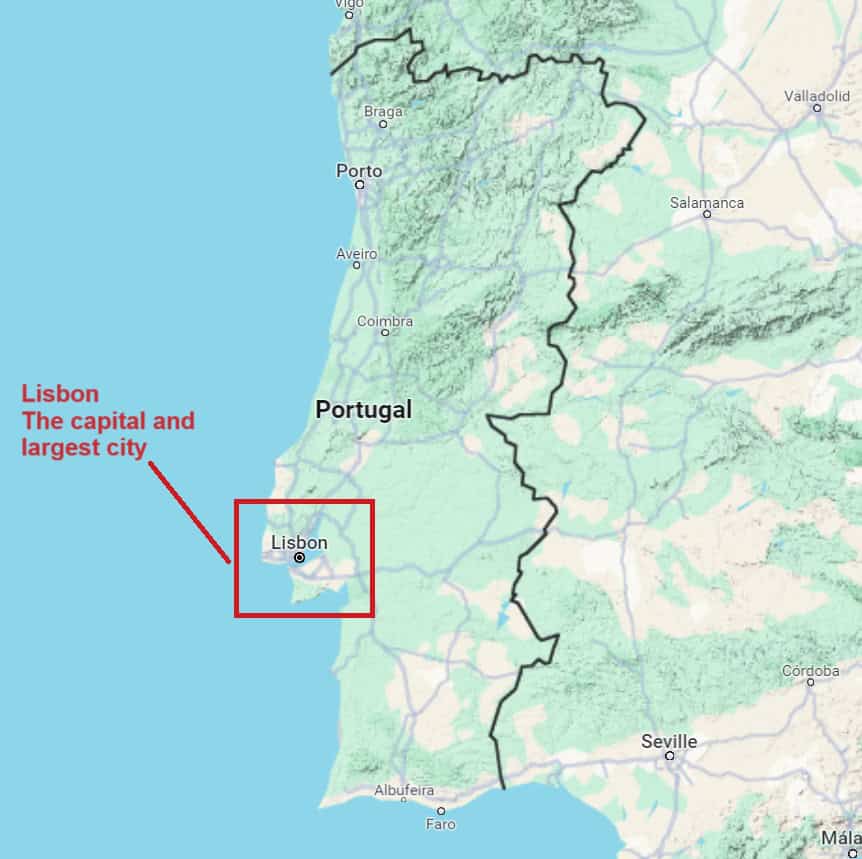
What defines it: Lisbon, or Lisboa in Portuguese, is a major city in every sense of the word. The concentration of historic landmarks and attractions here is immense and unmatched anywhere else in Portugal.
How long in Lisbon? To feel like you’ve truly had a taste of the city, plan for at least 3 days. If Lisbon is your only base, 5 days is ideal, with time for at least one day trip—Sintra, for example.
Interesting facts: Lisbon has been Portugal’s capital since 1260. In 1755, the city was struck by a colossal earthquake that devastated it and, in many ways, marked the beginning of the decline of the Portuguese Empire. Much of the city was rebuilt afterward into the Lisbon we know today.
Popular attractions: the Santa Justa Lift, the iconic Belém Tower, the National Tile Museum (azulejos), the Christ the King statue—Cristo Rei of Lisbon, the skeletal remains of Carmo Monastery, Time Out Market Lisbon, and the ancient Alfama district.
Popular activities: cafés and restaurants along Garrett Street, the Lisbon Oceanarium in the north of the city, a stroll through the manicured gardens of Eduardo VII Park, a Benfica or Sporting soccer match, or a ride on one of the city’s yellow trams as it climbs the hills.
There are also at least 4-5 easy and popular day trip options from Lisbon, including Óbidos, Cascais, Sintra, Cabo da Roca, and more.
What makes the area special: This is Portugal’s busiest and most fast-paced urban center, in a country better known for its calm and open spaces. Yet Lisbon still feels dynamic and lively, just as you’d expect from a European metropolis of three million people—only with that distinct Portuguese patience and ease.
Climate: Like much of Portugal’s western coastline, Lisbon never gets too hot or too cold, which makes it a comfortable destination year-round. Heat waves can roll in during July and August, often with added humidity because of the sea, but they usually pass quickly.
When to visit: Lisbon works well in every season, and there are always attractions to duck into if it rains or gets too warm. Fall brings the highest chance of rain, while summer can have some hot days, but otherwise the city is generally pleasant and easy to explore. In terms of price, Portugal is still considered a summer destination, so July and August tend to be the most expensive months. If you’re planning to visit only Lisbon, choosing a different time of year can save you money.
Tip: Bacalhau may be the Portuguese dish that gets all the fame, but in reality Portuguese grilled chicken is the local favorite that has spread far beyond the country. Try Frango no churrasco, also known as Frango Piri Piri, at one of the hundreds of local restaurants in Portugal’s culinary capital—Lisbon.
Click here for more detailed information about Lisbon…
Click here for a list of popular day trip destinations from Lisbon…
2. Porto and the North
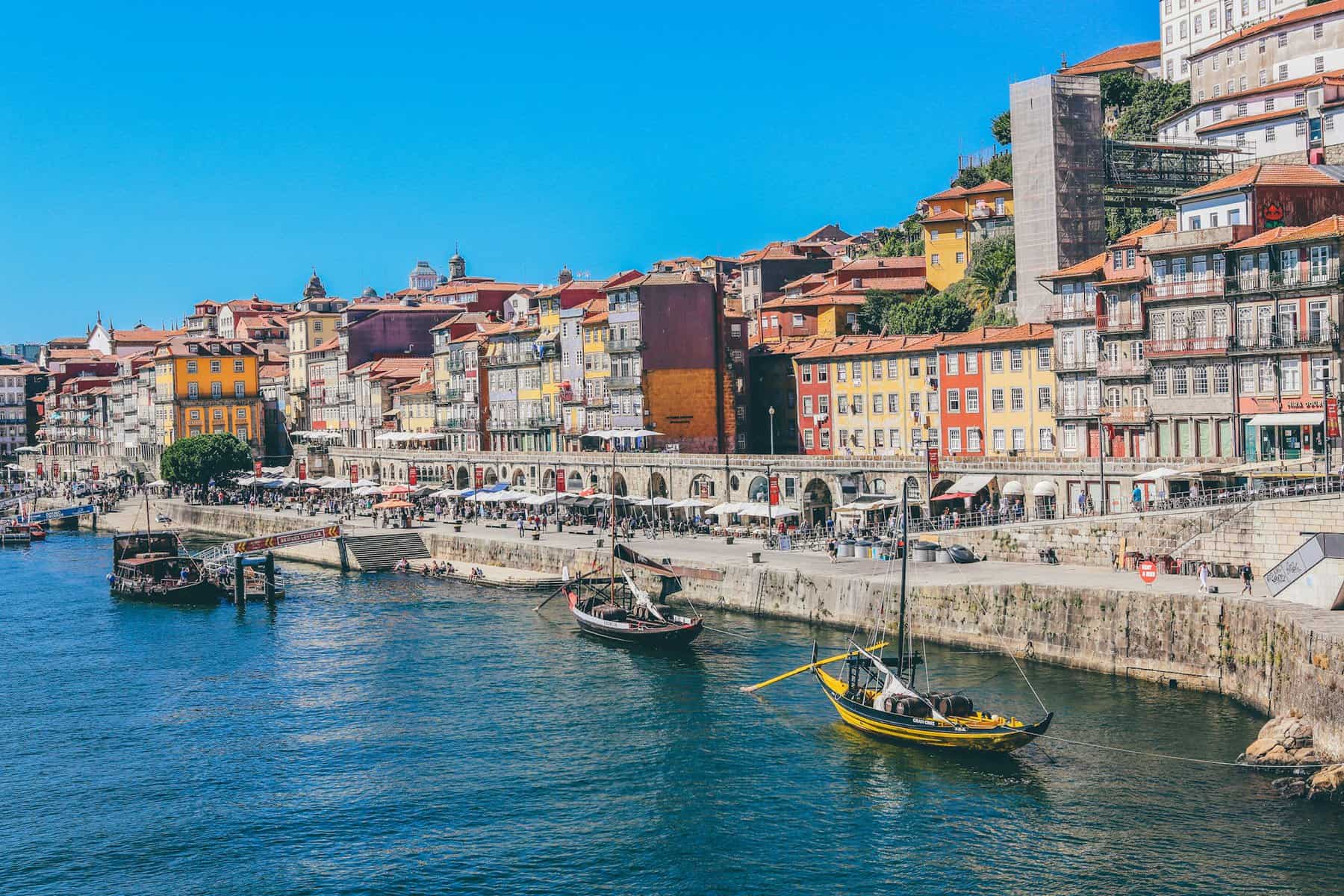
The main city in northern Portugal is Porto. Nearly every trip through the north begins or ends in this beautiful major city.
In short: the charming city of Porto, the Douro River—where you can cruise and admire the beauty and vineyards along its banks—and the pristine green landscapes that stretch across northern Portugal.
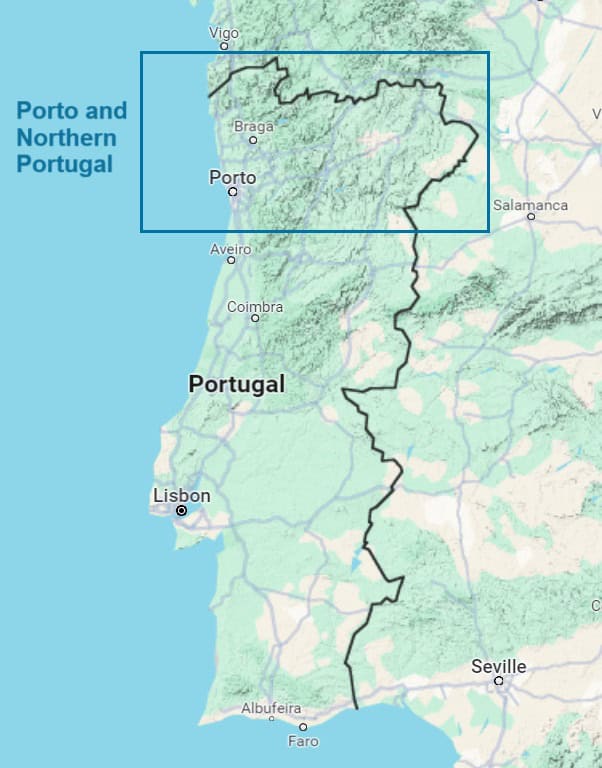
What defines it: Northern Portugal is a direct continuation of Galicia in northwestern Spain. Remote, green, rugged, and rainy, it’s a wonderful region for combining nature and city travel in a calm, easygoing atmosphere with wonderfully fresh air.
How many days in Porto and northern Portugal? Porto deserves at least one full day, though two is better. A more complete trip through northern Portugal, including Porto, calls for about a week.
Interesting facts: Port wine, the fortified wine that captivated the world—especially the English—from the 18th century onward, is produced in northern Portugal from vineyards along the Douro River. Afonso Henriques, founder of Portugal in 1139 and its first king, was born in Guimarães in northern Portugal, and from the north the kingdom gradually expanded southward.
Popular attractions: Porto, the lovely major city at the mouth of the Douro, church-filled Braga, Guimarães where Portugal was born, and Bragança high in the distant mountains. Peneda-Gerês is the region’s leading nature destination, and of course there’s the Douro Valley, where the hills on both sides of the river are lined with vineyards producing some of Portugal’s finest wine.
What makes the area special: This is an exceptionally green region and, historically, the cradle of the Portuguese kingdom. That legacy is reflected in its many heritage buildings and even more so in its grand churches, which once rivaled nearby Santiago de Compostela in Spain before eventually уступing the spotlight.
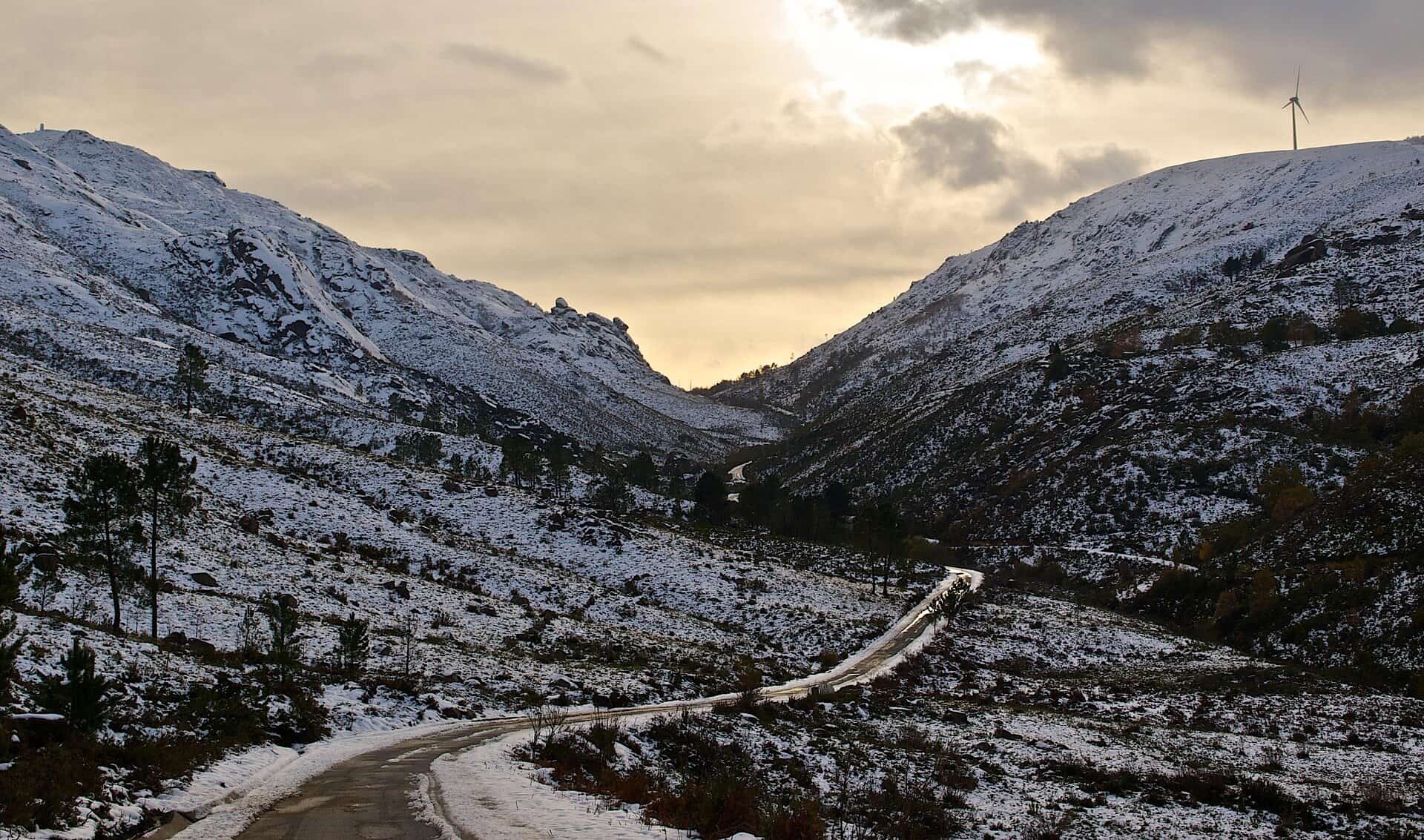
Climate: For much of the year, northern Portugal is gray and rainy. Inland areas can get very cold in winter. Summer, on the other hand, is pleasantly mild in Porto and the surrounding region, making it an excellent time to visit.
When to visit: Fall is very rainy, while winter is cool—and farther inland, genuinely cold. That doesn’t mean you can’t come in winter, only that it’s worth planning for. Late spring and summer are the ideal time to visit Porto and northern Portugal.
Tip: The Lisbon-Porto air route has the highest number of daily flights in Portugal, with options available through most of the day. Since Porto is not a large city, it’s entirely feasible to fly there for one night during a Lisbon trip and see many of its highlights without stretching your itinerary too much.
Click here for a comprehensive guide to Porto…
3. Central Portugal
The main city in central Portugal is Coimbra, a historic university city whose university is also its leading attraction.
In short: surf towns along the western coast and sleepy heritage towns tucked among forests, hills, and mountains to the east.
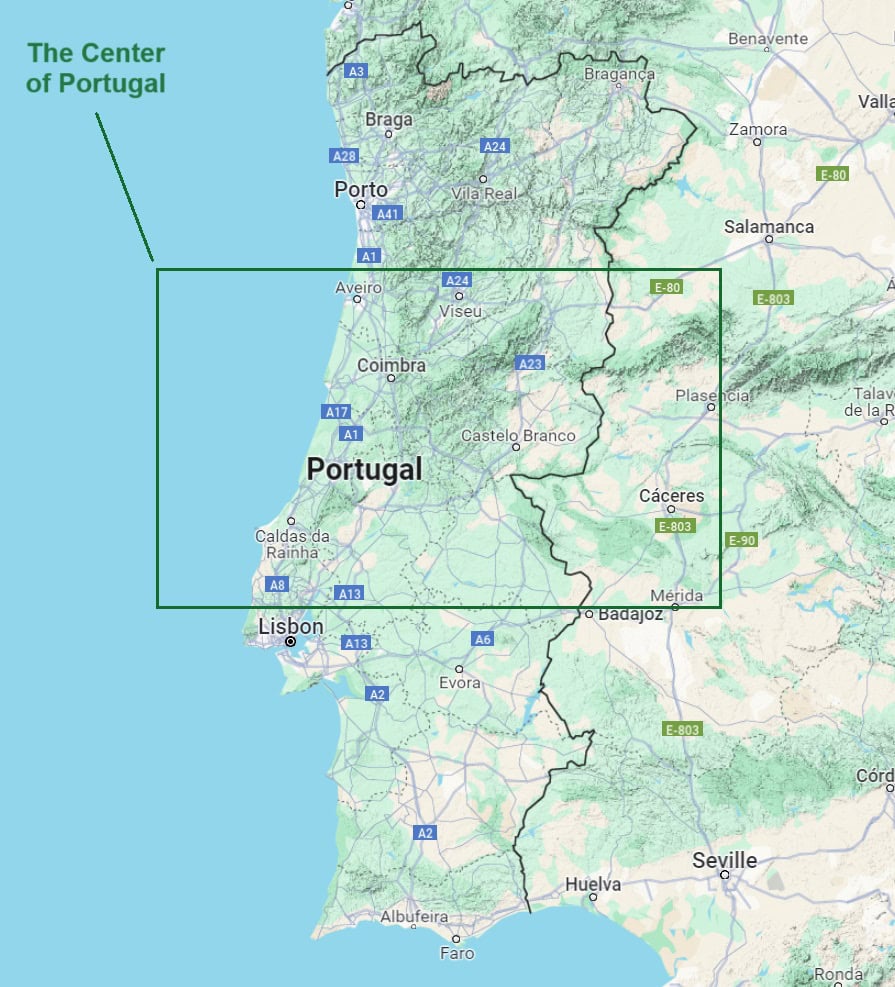
What defines it: Central Portugal can be thought of as the part of the country between its two great cities, Porto and Lisbon. Inland, it lies between the great Douro River to the north and the Tagus to the south—the Douro reaches the ocean at Porto, while the Tagus meets the Atlantic in Lisbon. The region splits between a windswept western coast beloved by surfers from around the world and an eastern side that is mostly mountainous and forested, with several important Portuguese heritage sites.
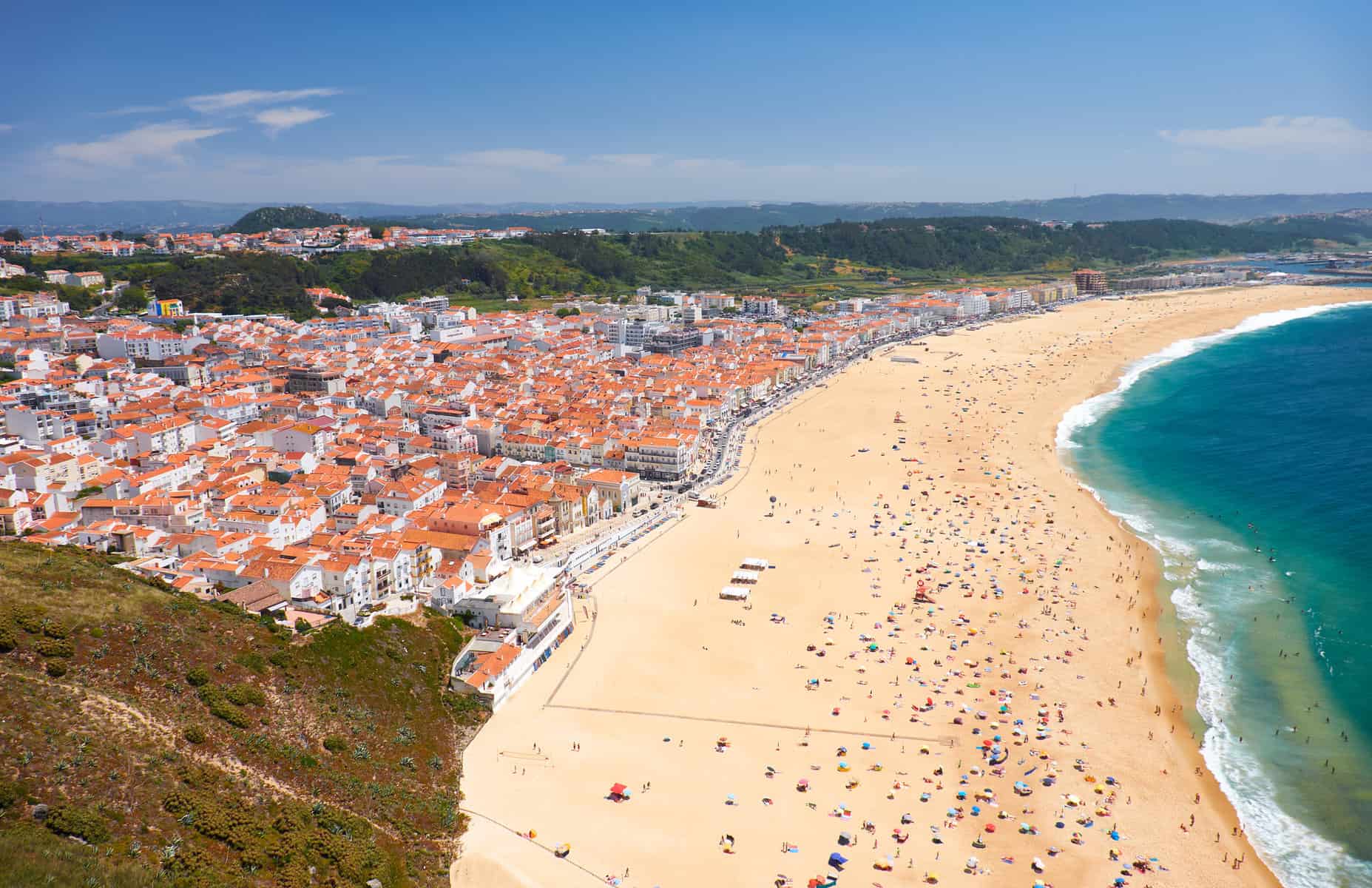
Interesting facts: This region is known as the surfing capital of Europe. The waves off Nazaré are among the tallest in the world, reaching heights of more than 20 meters at their peak. The Joanina Library at the University of Coimbra, built in the Baroque style, is often considered the most beautiful library in the world.
Popular attractions: the surf towns of Nazaré, Peniche and the Berlengas Islands just offshore, Ericeira—the surfers’ capital, the walled town of Óbidos, beautiful and central Coimbra, the immense Batalha Monastery, the pilgrimage site of Fátima, the vast Convent of Christ in Tomar, and the city of Leiria with its castle.
What makes the area special: In general, this is a sparsely populated region with a great sense of space, whether you’re along the dramatic coastline or up in the hills and mountains. As a result, most places you visit in central Portugal feel calm and never overly crowded.
Climate: The most striking climate feature is the strong wind along Portugal’s western coast, which only eases somewhat in summer. Rain becomes more frequent the farther north you go, especially in winter, but overall most of central Portugal never gets excessively cold or unbearably hot.
When to visit: Unless you’re a surfer, summer is really the only season for swimming at the beaches. Beyond that, the region’s sites can be visited year-round, though spring and summer are preferable for the weather.
Tip: The beaches of central Portugal are Europe’s version of Hawaii for surfers. You don’t need to be an expert, though—at nearly every famous surf beach, you’ll find beginner lessons at reasonable prices.
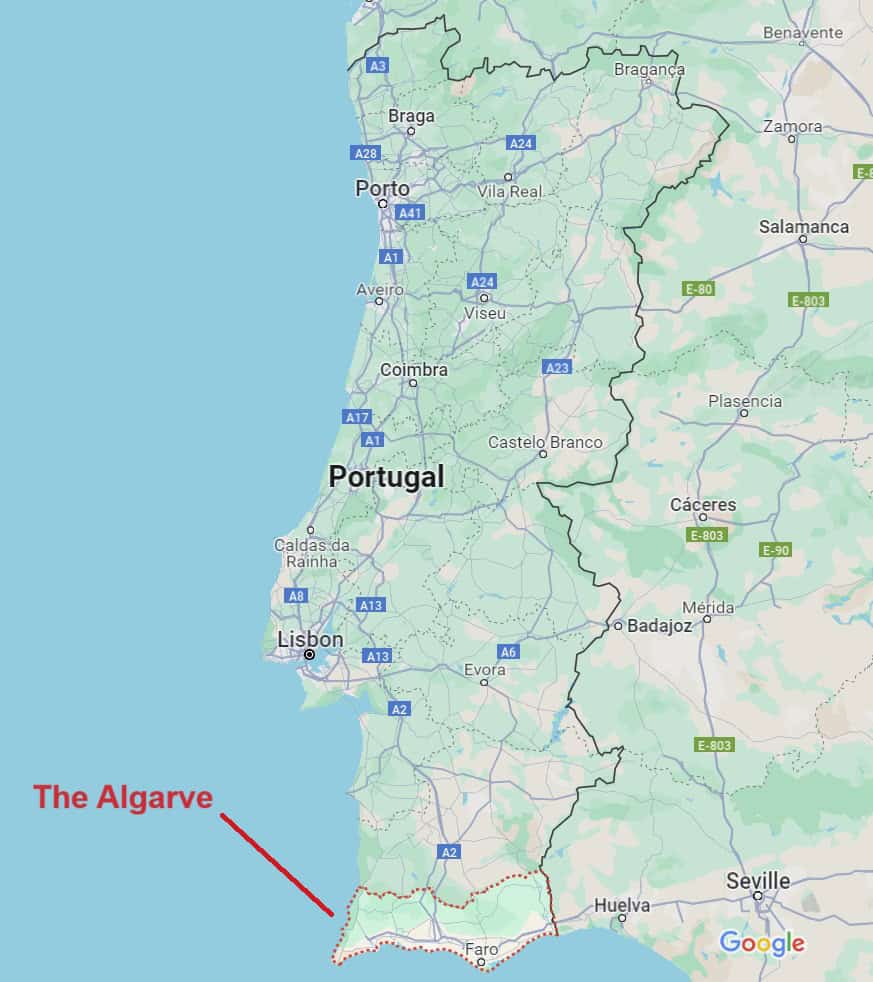
4. The Algarve – Portugal’s deep south
The main city of the Algarve is Faro. It also serves as the region’s transportation hub, including a large airport that handles the millions of tourists arriving for resort and hotel vacations along the coast.
In short: Portugal’s answer to the Costa del Sol. Much like Spain’s southern coast, this is a major tourism region filled with resorts, water parks, malls, water sports, and attractions designed for vacationers. The difference is that here in Portugal, things still feel a little less commercial and a little more natural.
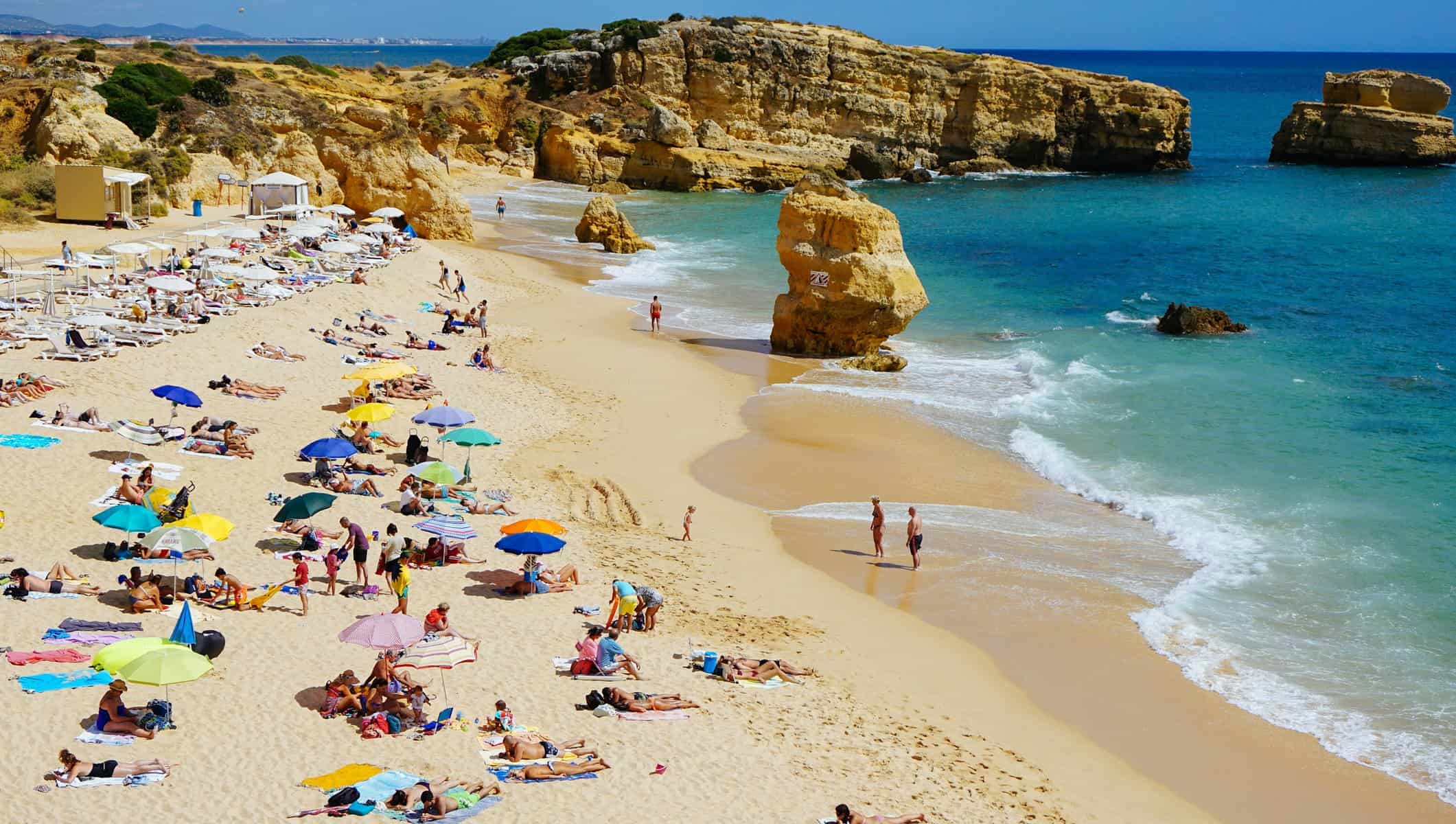
What defines it: Unlike Portugal’s wild western coast, known for rough seas and cooler water, the Algarve is a natural continuation of southern Spain’s beaches, with long hours of sunshine and the kind of hot summer Europeans love.
The entire southern coastline is lined with swimming beaches, backed by hundreds of hotels and resorts, along with plenty of water sports and golf courses. The western coast offers surfing beaches framed by dramatic rocky scenery high above the sea. Inland, the landscape remains rural and secluded, dotted with sleepy, picturesque villages on hills overlooking the water. In the Algarve, it’s common to enjoy an active vacation rather than simply spending your days on the beach. Many travelers rent a car, base themselves in one of the coastal towns such as Portimão, enjoy the beach and resort amenities, and still have time to explore other towns, charming villages, and nature reserves along the coast before returning to their base in the evening. Distances in the Algarve are short, so this is both easy and practical.
Interesting facts: The Algarve is known for a rocky, broken coastline with sandy stretches appearing here and there between the cliffs. Along the southern coast you’ll also find large numbers of hotels, resorts, a wide range of water sports, major shopping centers, and several outstanding large water parks.
Popular attractions: the coastline as a whole, 3 huge water parks | Zoomarine / Aquashow / Slide & Splash, Fortaleza de Sagres, Castelo de Silves, the party-and-beach town of Albufeira, Algar de Benagil, Ponta da Piedade in Lagos with its spectacular rock formations, the town of Tavira, and the village of Alcoutim on the Spanish border.
What makes the area special: The real magic of the Algarve lies in the dramatic scenery of its coastline, which becomes even more striking the farther west you go. Towering rock formations plunge into the water or have been worn over time into fascinating shapes, giving what might otherwise be a classic beach vacation a truly distinctive natural backdrop.
Climate: The Algarve is quite different from most of Portugal. It has a clearly Mediterranean climate, with hot but not scorching summers and abundant sunshine throughout the year.
When to visit: Summer is the hot season in the Algarve, though unlike southern Spain, it never becomes intensely scorching because the Atlantic surrounding the region has a cooling effect. If you’re visiting as part of a broader Portugal trip rather than for a fly-and-flop beach vacation alone, the Algarve can work year-round, and winter may even be preferable thanks to the softer sun.
Tip: If you love attractions and activities, summer is the best time to come to the Algarve for its endless options in water sports and its huge modern water parks.
5. Alentejo – south-central Portugal
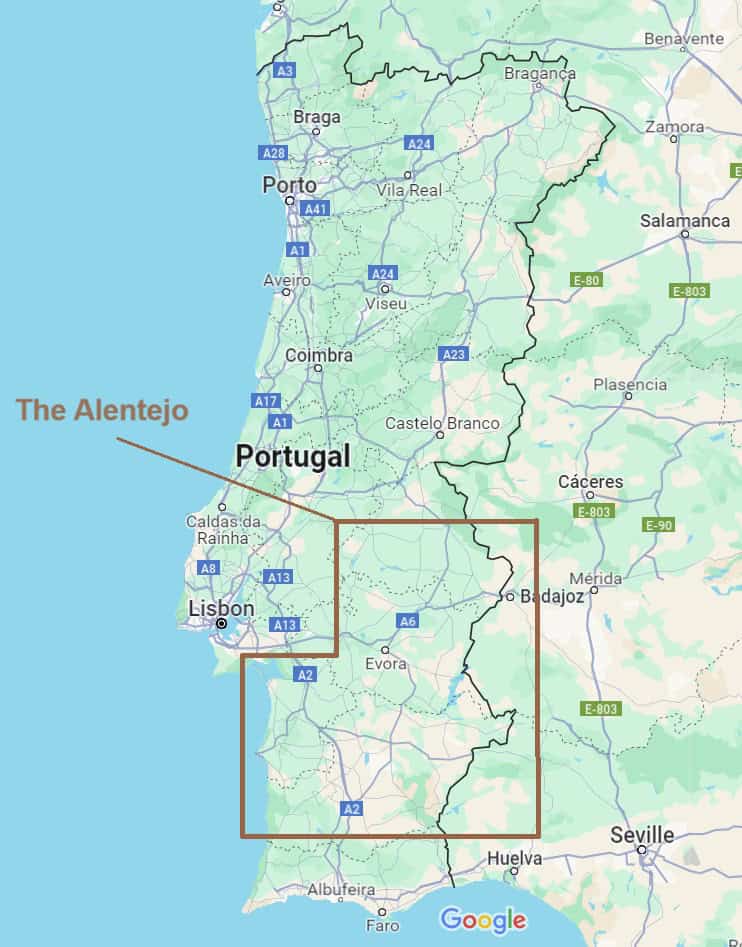
The main city: the historic city of Évora has been the capital and main city of Alentejo since Roman times.
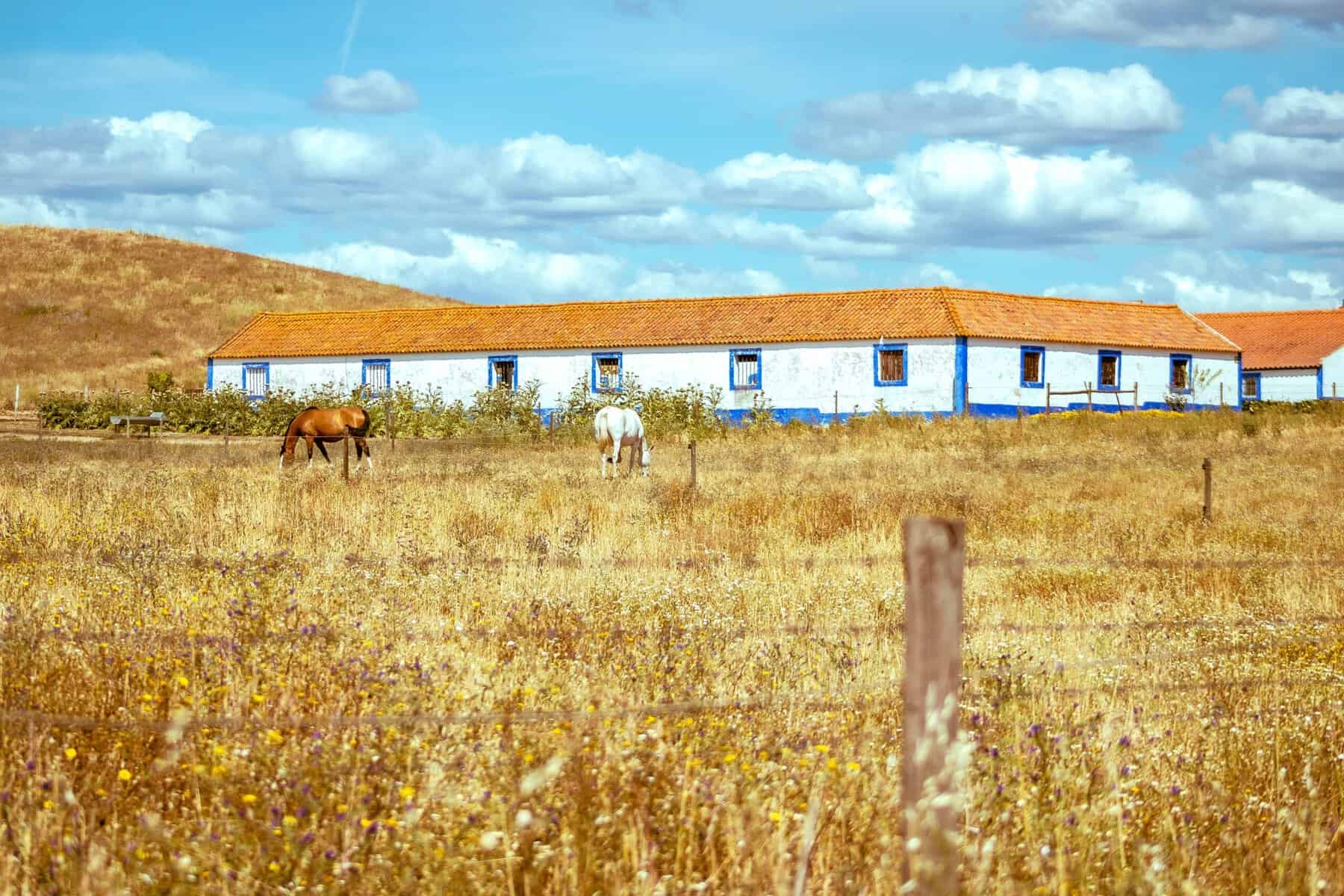
In short: Portugal’s forgotten south. Whether along the Alentejo coast or deep inland toward the Spanish border, vast open spaces stretch out in every direction, interrupted only now and then by a small quiet village or town. The feeling is one of being far from everything—among fields, solitary cork oaks, and wandering sheep.
What defines it: This is a rural region with some of the most beautiful villages in Portugal. It also has an isolated western coastline with powerful scenery, part national park and part surf coast. To the east, villages seem almost frozen in time, alongside several fortresses that guarded the border through the centuries.
Interesting facts: The name Alentejo means “beyond the Tagus,” and indeed the Tagus River, which empties into the sea at Lisbon, forms the region’s northern boundary. Everything south of it, down to the mountains of the Algarve, belongs to Alentejo. The region covers roughly one-third of Portugal’s total area and is divided into Alto Alentejo—the upper part, centered on Évora—and Baixo Alentejo, the lower part, centered on Beja.
Popular attractions: the historic cities of Évora and Beja, a countryside road trip through Alentejo’s green spring fields in bloom, the white town of Serpa, the fortress towns of the east—Monsaraz and Elvas, surfing along the western Alentejo coast, and exploring the national park that follows the isolated southwestern beaches of Alentejo | Parque Sudoeste Alentejano e Costa Vicentina.
What makes the area special: Portugal has no shortage of rural regions, but Alentejo feels closer to the countryside of southern Italy or southern Spain than to the forest-and-stream landscapes of northern Portugal. The terrain is much flatter, allowing for grain cultivation, and since Roman times it has been known as Portugal’s “breadbasket.” Around Évora and elsewhere in the region, you’ll also find mysterious prehistoric remains.
Climate: Alentejo has the hottest weather in Portugal. Its climate is Mediterranean, with hot, dry summers and cool, slightly wet winters followed by wonderful spring bloom.
When to visit: Spring is the ideal season to visit Alentejo, when the countryside is still green and in full bloom. In reality, though, the region can be visited year-round—you just need to keep the summer heat in mind.
Tip: The Chapel of Bones in Évora (Capela dos Ossos) is a remarkable and haunting site, and one not to miss when visiting the city.
6. The island of Madeira
The main city: Funchal, the city between sea and mountain, is Madeira’s capital and largest city. Every trip to Madeira begins here, and most of the island’s residents live in and around it.
In short: soaring cliffs above the sea, forests and waterfalls, hiking trails across mountains above the clouds, and a lively, dynamic capital city. Add in plenty of good food, the island’s distinctive wine, and tropical fruit grown in its warm climate.
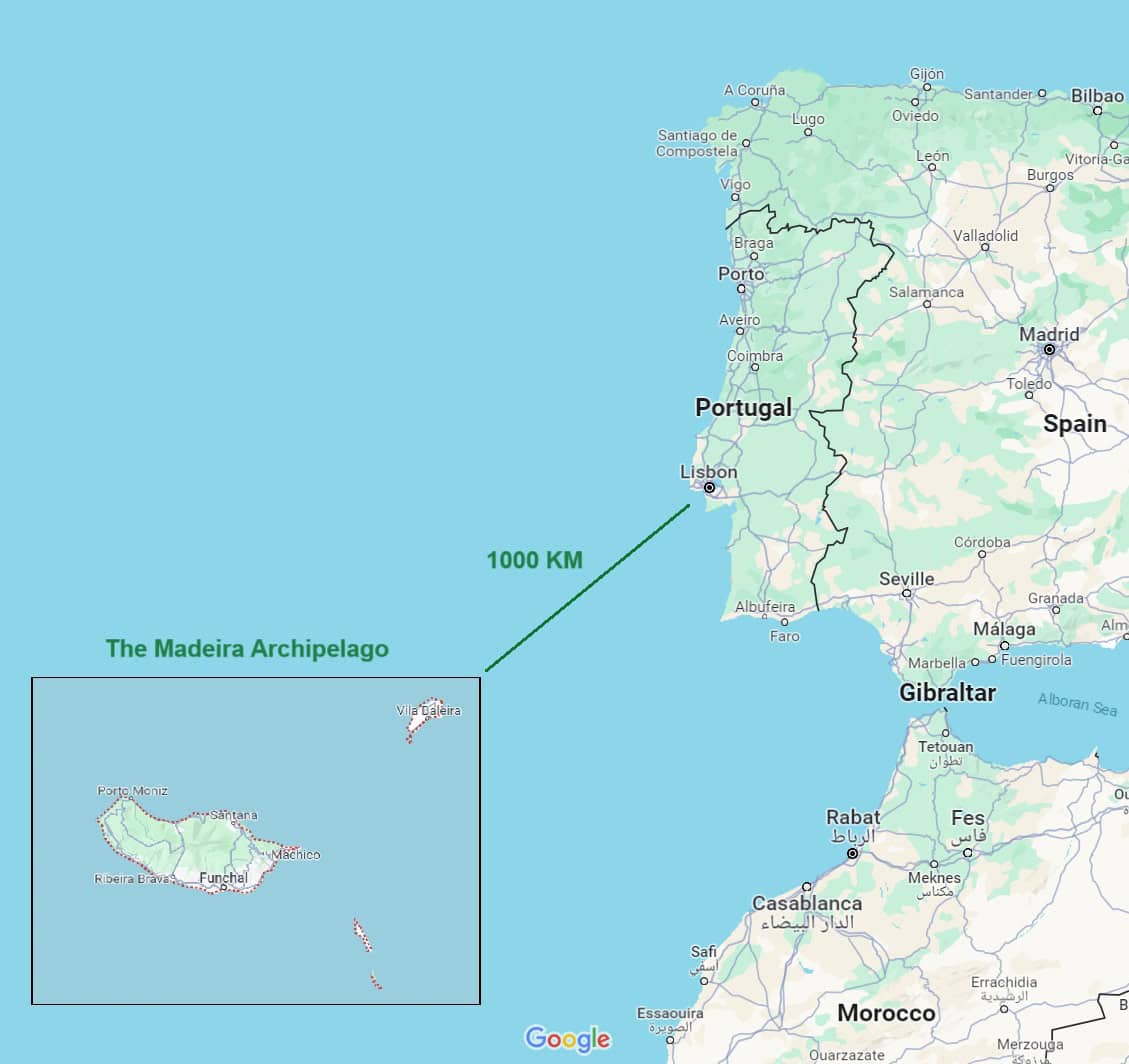
What defines it: The peaks at the center of Madeira rise to 1,800 meters, while the island itself is only 57 kilometers long and a little over 20 kilometers wide. Everything is surrounded by sea—about 500 kilometers from the coast of Morocco and roughly 1,000 kilometers from Lisbon. Put together, it creates breathtaking landscapes that feel far removed from everything, with a kind of peace that is hard for mainlanders to imagine.
Interesting facts: Madeira was discovered by Portuguese sailors in 1418, who immediately named it Madeira—“wood” in Portuguese—after the dense forests that covered, and still cover, the island. It later became an important stopover on the route to the Americas.
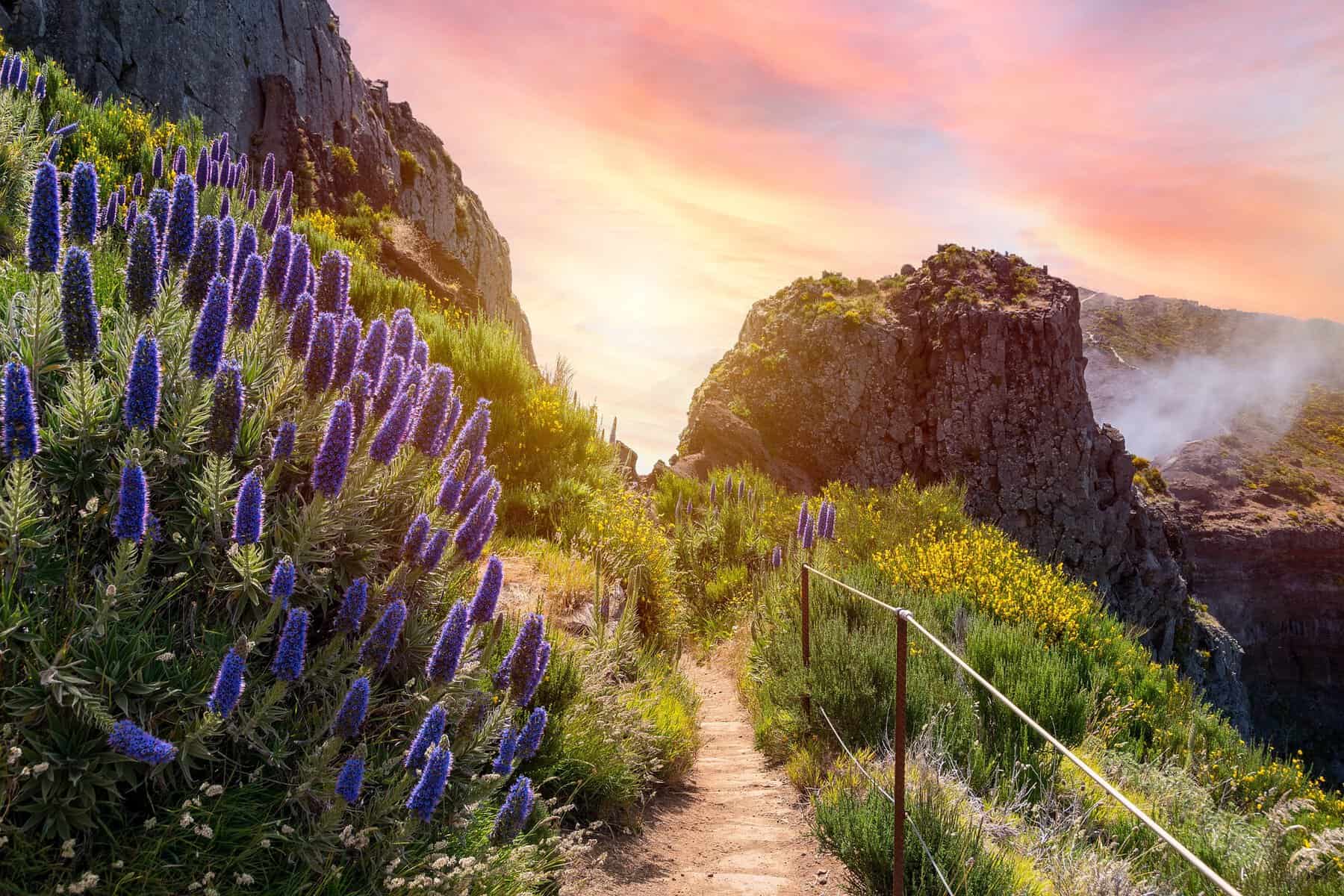
Popular attractions: hikes along the Levadas water channels, the triangular thatched-roof houses of Santana, central Funchal, whale-watching cruises, the unique Fanal forest, and walking the island’s peaks above the clouds | Arieiro – Ruivo.
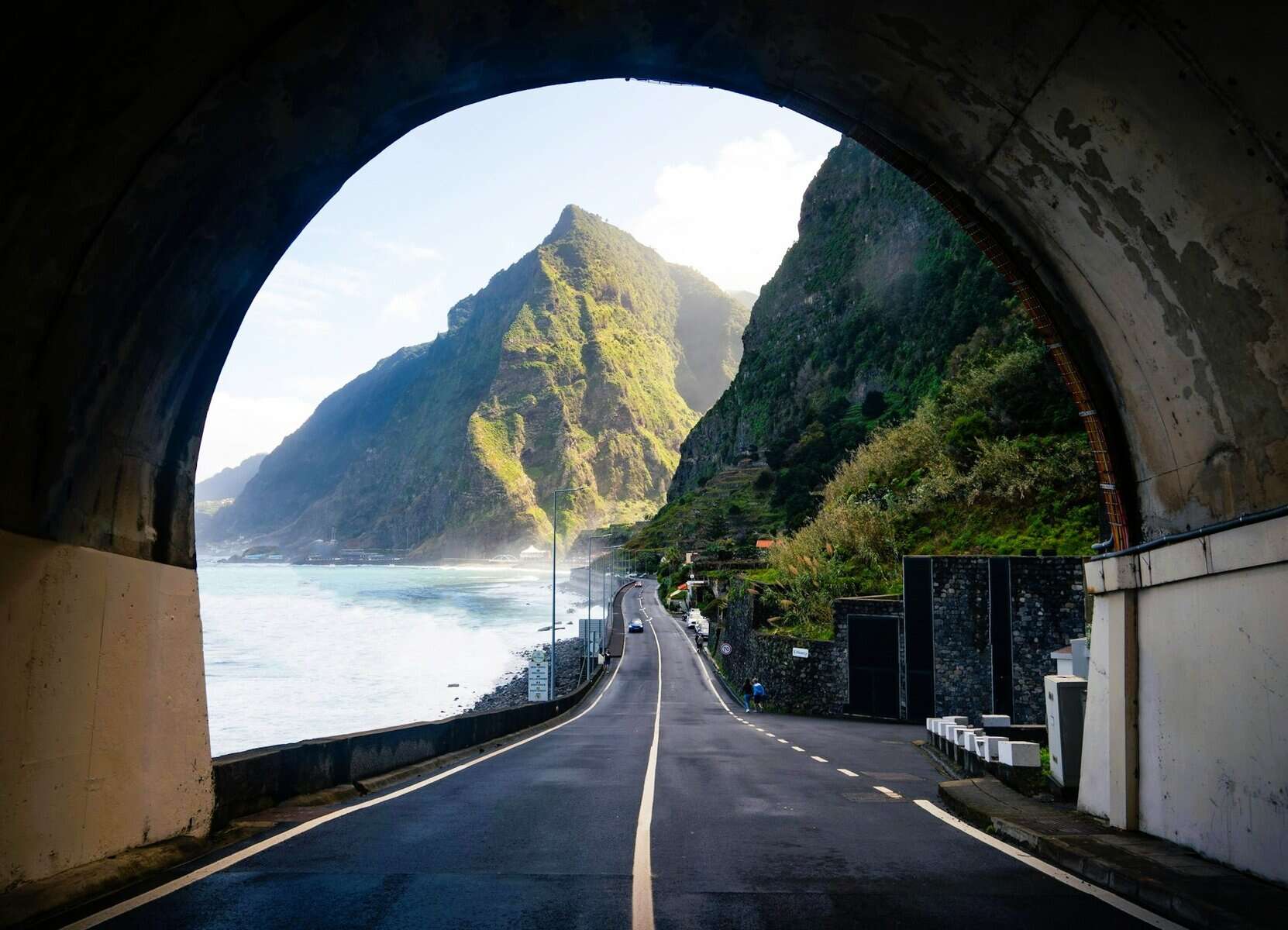
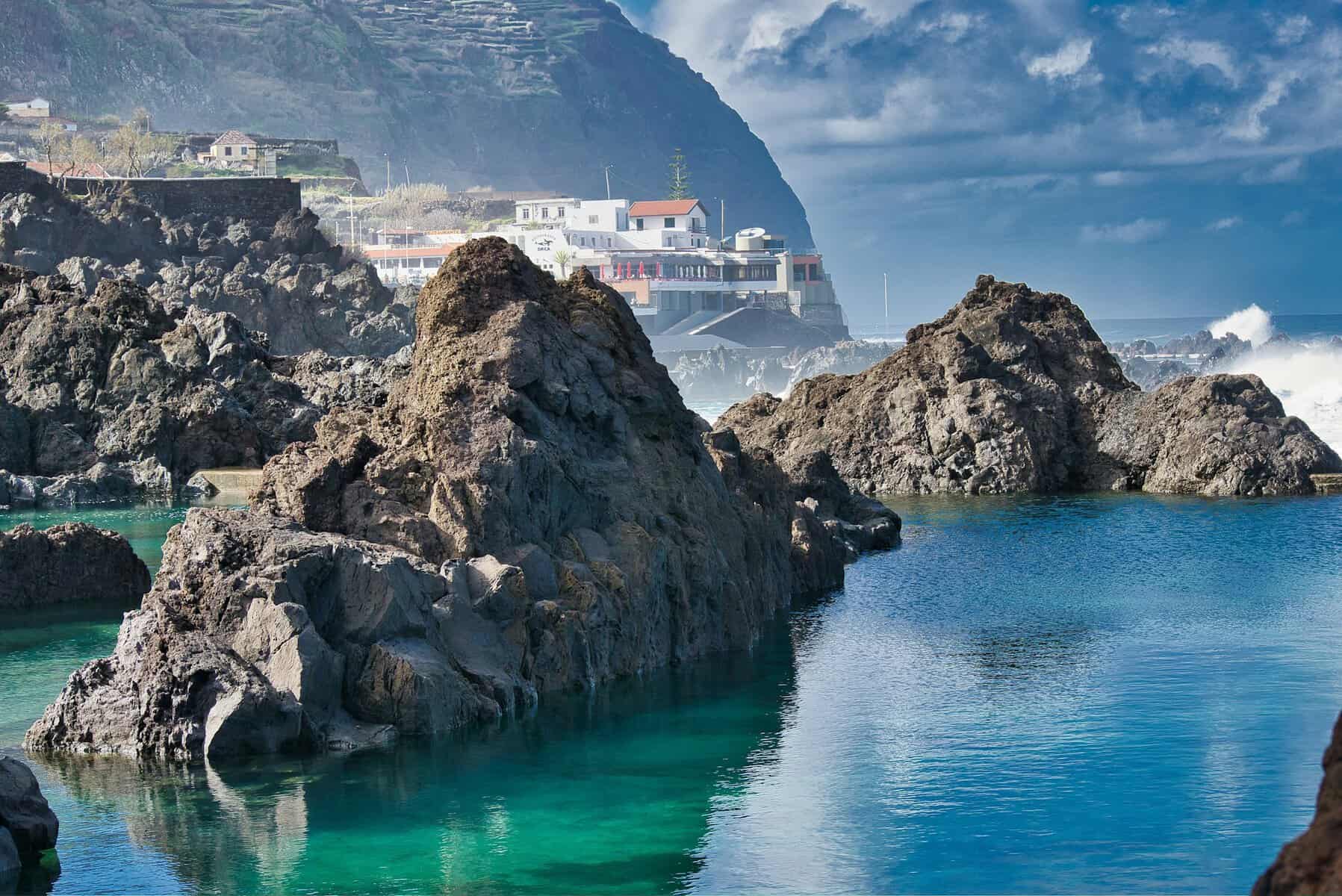
What makes the area special: If there is one place that truly feels unlike anywhere else, it is Madeira. This small island is essentially the peak of a volcano rising out of the sea, wrapped in forest. The waters around it are filled with fish, whales, and friendly dolphins, while steep cliffs climb sharply from the shoreline. And right in the middle of all that natural magic sits a fully urban, lively city.
Climate: Madeira is an almost tropical island, so it never gets too cold. June, July, and August are warm but not excessively hot. Rainfall is fairly common across the island. The north and central areas, where the wildest natural scenery is found, are known for heavier rain and stronger winds, so it’s always wise to bring a windbreaker or rain jacket when heading out into nature.
When to visit: Madeira is a year-round destination. In fact, one of its biggest draws is its stable, consistent weather throughout the year. That’s also why the high season on the island includes the Christmas and New Year period, when mainland Europe is cold and travelers are looking for somewhere pleasant and nearby. Summer, being peak travel season globally, also makes July and August more in demand. Still, one of the best things about Madeira is that there’s really never a bad time to go.
Tip: Because Madeira is relatively small, you can stay in the capital, Funchal, and head out each day to a different part of the island.
Click here for detailed information about Madeira – the stunning Atlantic island…
Click here for our complete accommodation guide to Madeira Island…
Click here for all the attractions on Madeira Island…
7. The Azores
The main island in the Azores is São Miguel, and its capital, Ponta Delgada, is the largest city in the archipelago. Nearly every trip to the Azores begins on São Miguel. Ponta Delgada is also home to the cruise port, where at least one ship docks on almost every day of the year.
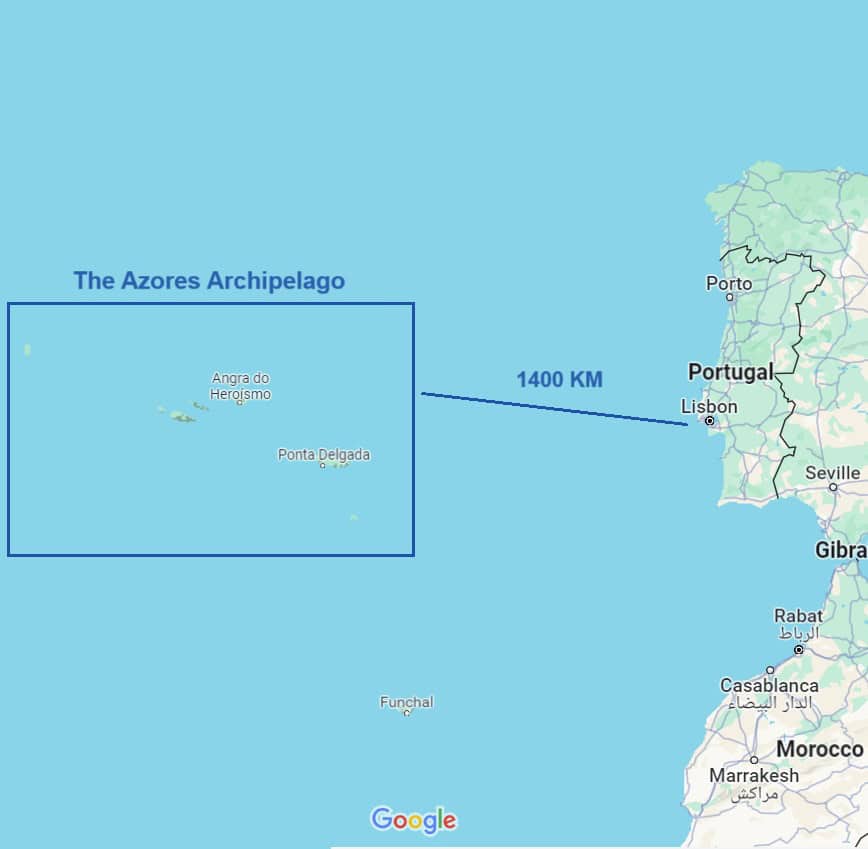
In short: It feels like stepping onto another planet, just two hours by plane from the coast of Portugal. The Azores are also visited by many cruise ships sailing from both the United States and Europe.
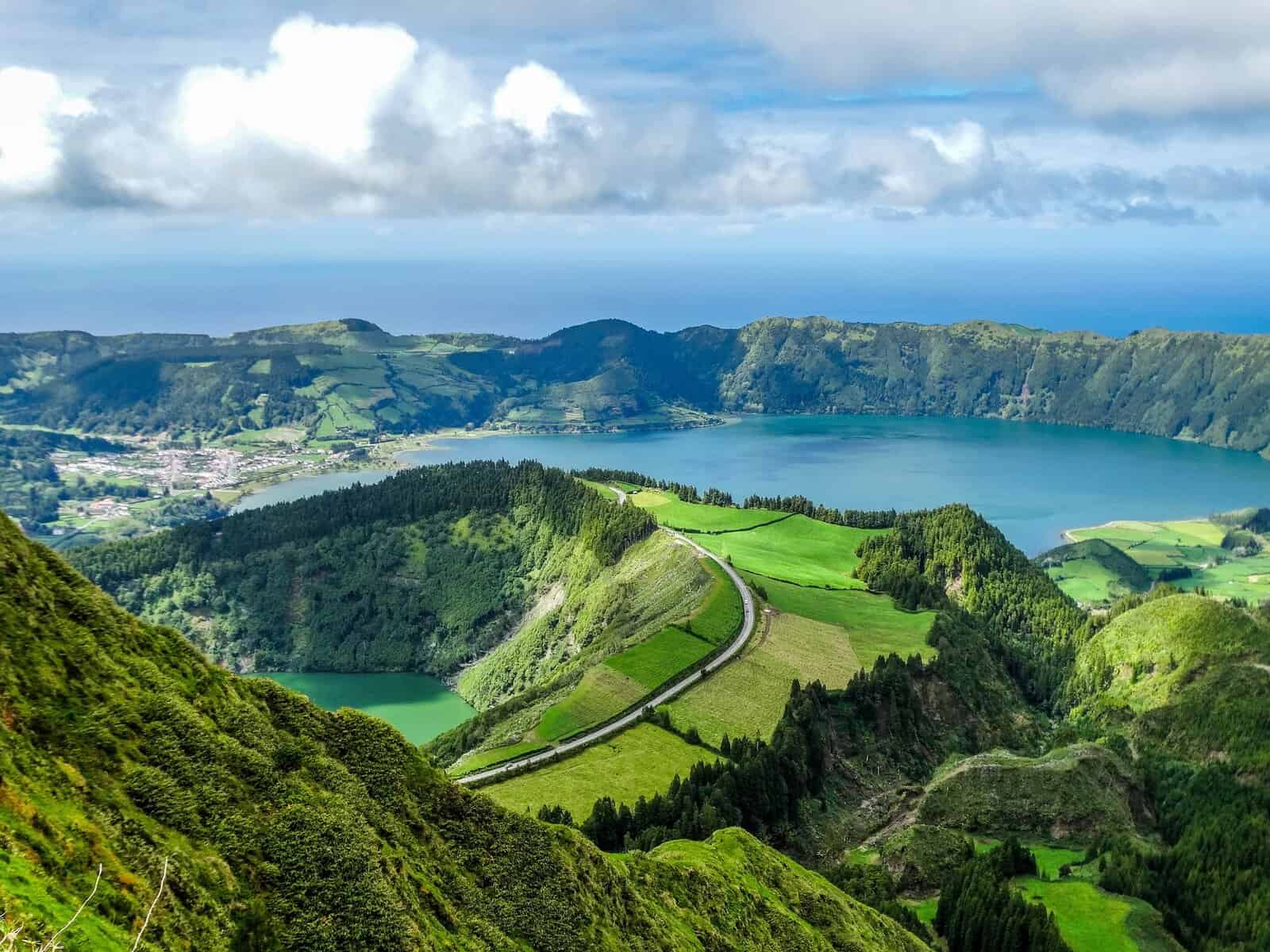
What defines it: The Azores are volcanic islands with unusual natural formations, and the abundant rainfall keeps them richly green. Over the centuries, settlers made use of the mild climate and lush grasslands to raise cows and sheep, producing excellent cheeses from their milk, while the fertile volcanic soil also proved ideal for vineyards and wine production.
Interesting facts: Flight time from North America—Toronto and New York—to the Azores is only slightly longer than flying from those cities to Los Angeles, at about 5.5 hours. The islanders, whose home has long served as a stopping point to and from the Americas since the Portuguese discovered the islands in 1427, maintain close ties with both continents. Over time, communities of Azorean descendants developed in the northeastern United States and in Canada. Regular daily flights operate from New York and Toronto to the Azores, and in general, island residents speak English at a high level.
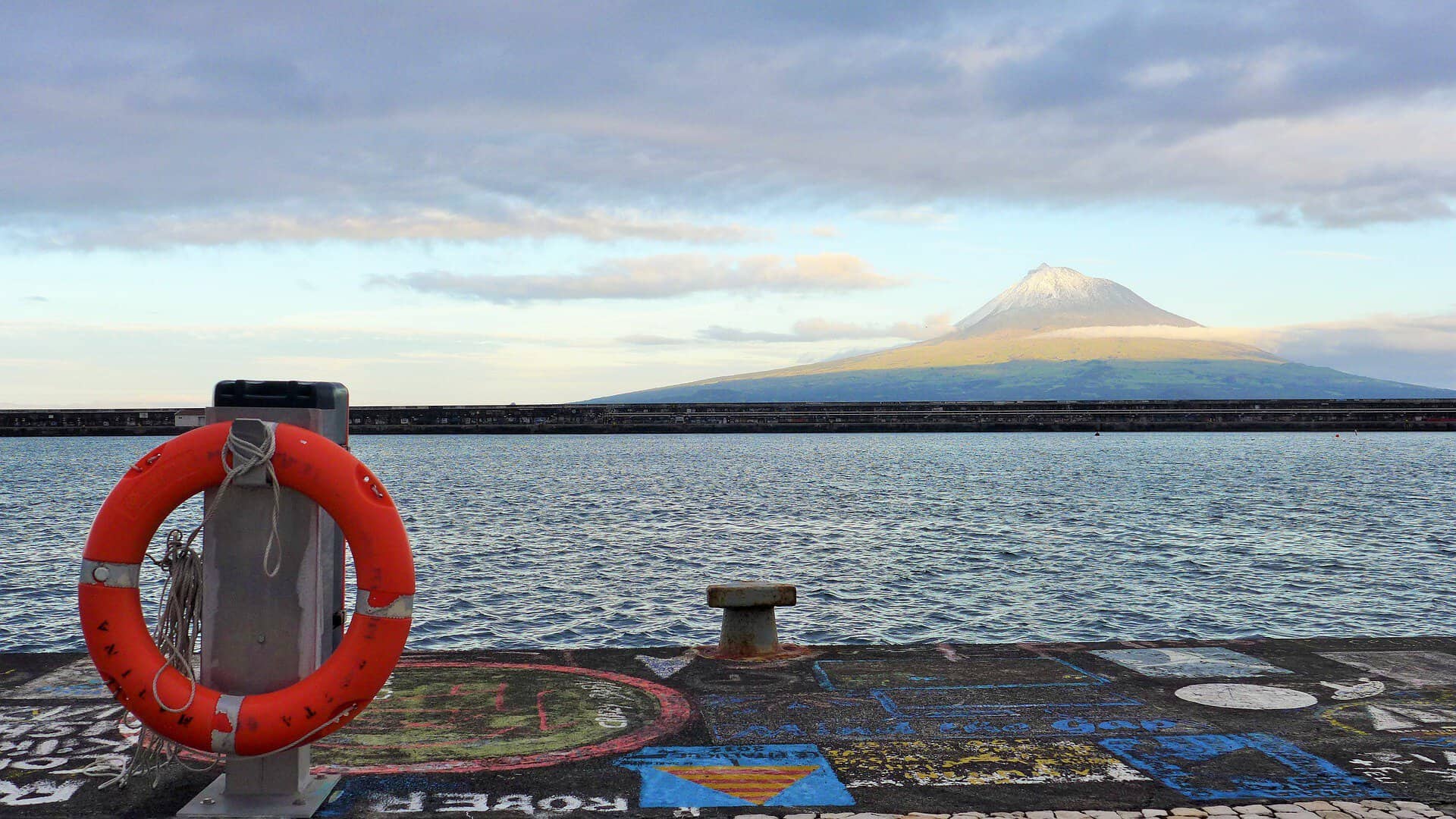
Popular attractions: São Miguel and its capital Ponta Delgada are the most visited part of the Azores, with the crater lake of Sete Cidades as the island’s leading natural attraction. Other highlights include climbing Mount Pico, which rises to 2,685 meters on Pico Island, the Sanjoaninas festival on Terceira—the second-largest island, Horta, the global capital of yachting on Faial Island, whale and dolphin watching from all the islands, walking into the volcanic cave of Algar do Carvão on Terceira Island, and the Ribeira do Ferreiro waterfalls on the remote island of Flores.
What makes the area special: The Azores are so distinctive that they hardly need much explanation. Green islands in the middle of the sea, volcanic craters turned into lakes, kind and peaceful people, and nature all around.
Climate: The more northerly islands, even farther out in the open Atlantic, have mild temperatures but plenty of rain and wind. Weather across almost every part of the archipelago, which stretches for 600 kilometers, can shift within minutes, so it’s always important to bring a rain jacket when heading out.
When to visit: The best time to visit is late spring and summer, though the main island of São Miguel can be visited year-round because everything there is more developed and accessible.
Tip: A good rule for a first trip to the Azores is to start with the largest island, São Miguel, and perhaps add one nearby island. A deeper trip into the more remote islands can wait for next time.
Click here for the complete guide to the Azores…
Click here for the complete guide to São Miguel – the main island in the Azores….