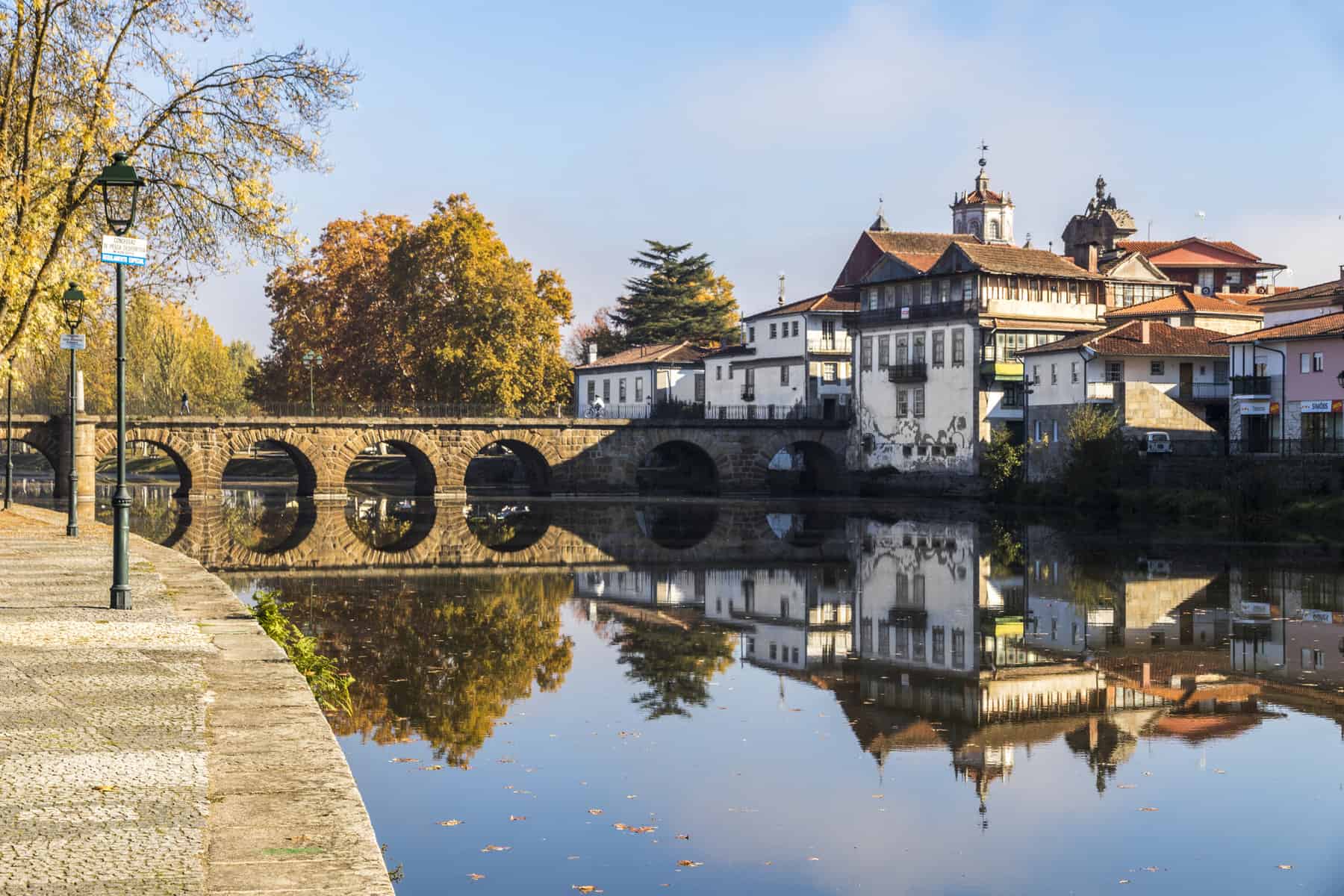
Portugal enjoys a relatively comfortable climate: mild winters, steady summers, and generally pleasant spring and fall—plus Atlantic islands like Madeira and the Azores, where the weather feels completely different. There are major differences between rainy northern Portugal, the temperate center, the hot interior, the cooler western coast, and the sunny south. Still, every season has its advantages.
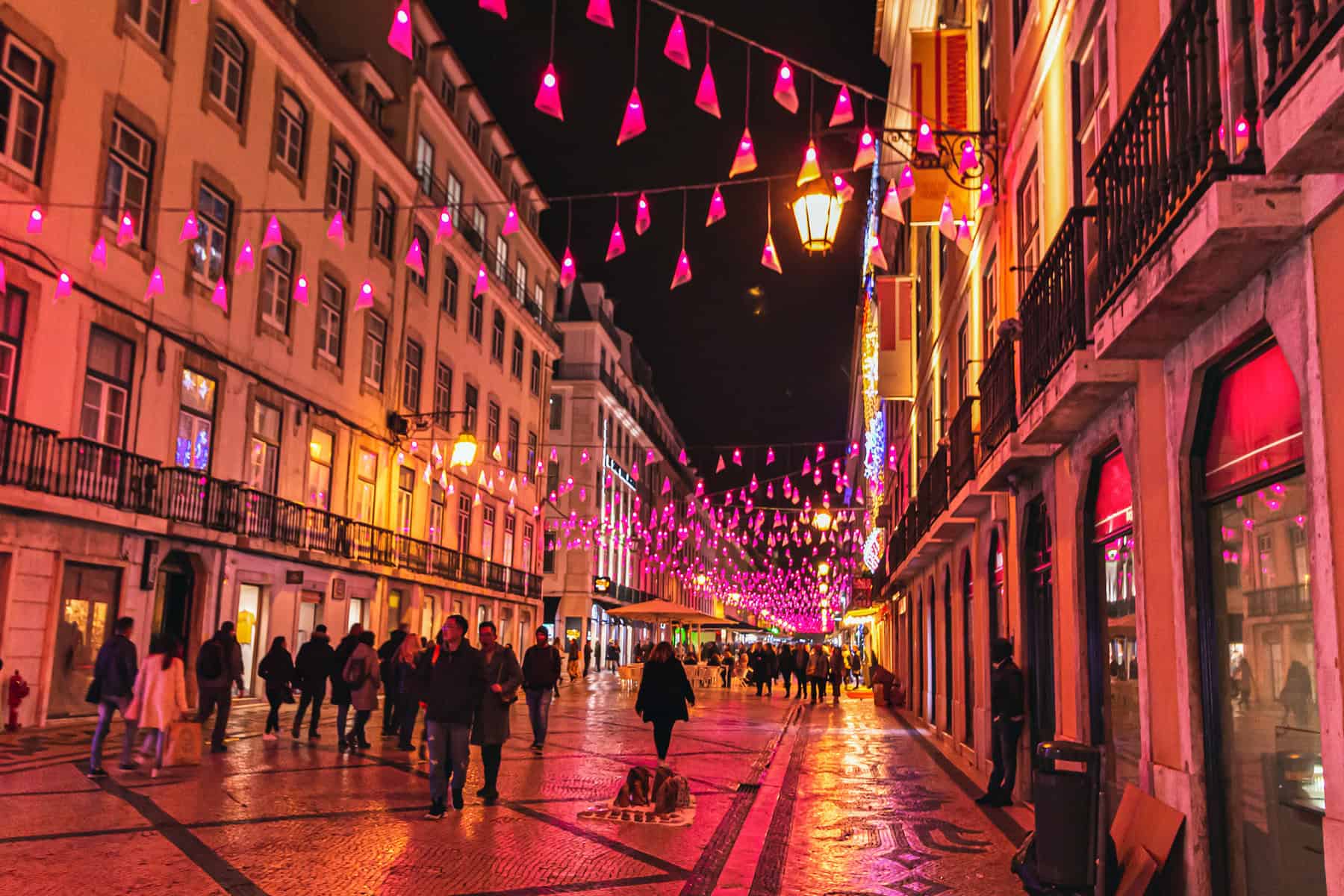
In general, the shoulder seasons—spring and fall—are excellent for traveling anywhere in the country. Summer is perfect for a family beach vacation in the south and for unforgettable trips to the Azores, while winter is ideal for exploring Madeira or enjoying a romantic city break in Lisbon and Porto beneath the colorful glow of Christmas lights.
Weather in Portugal by region
Lisbon and Central Portugal
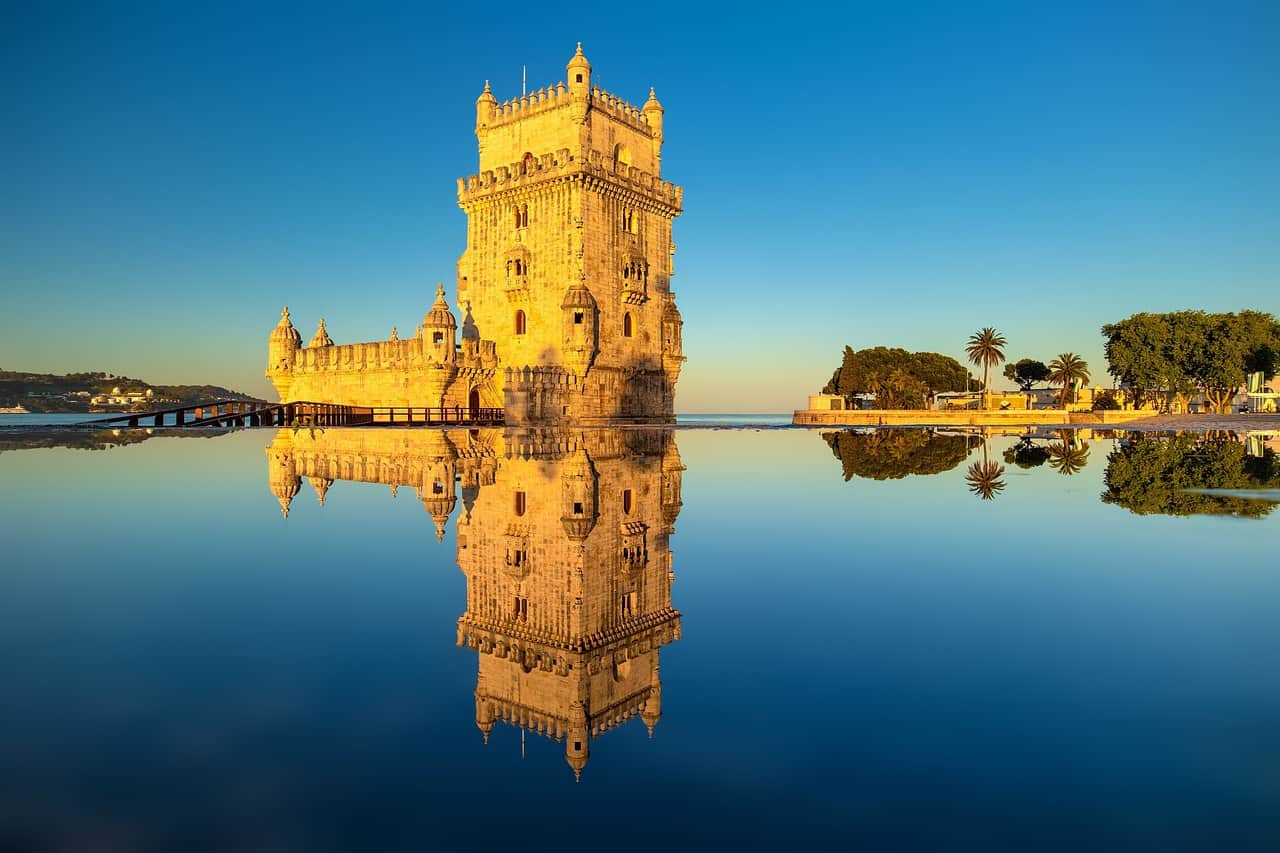
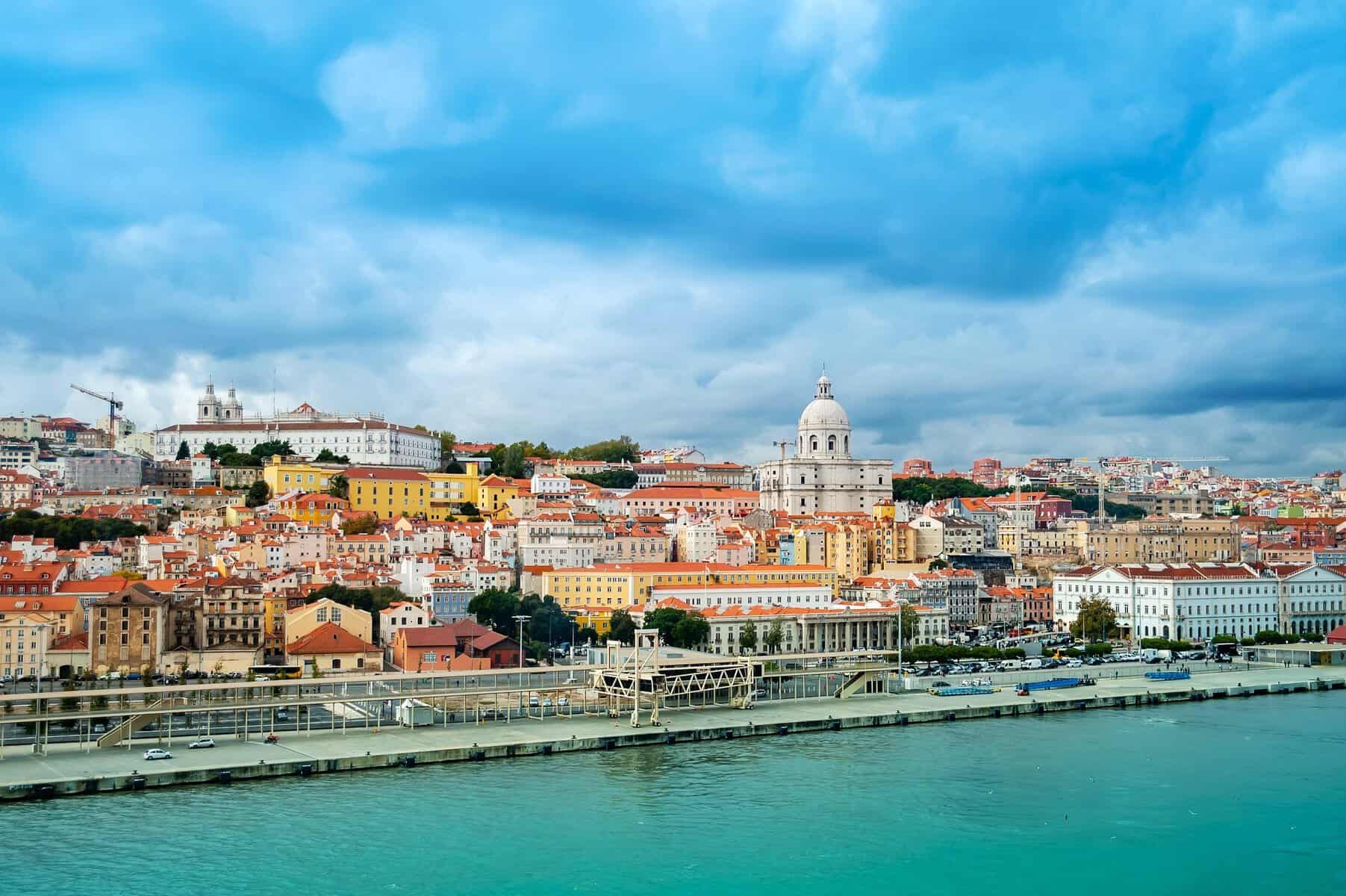
Lisbon and the surrounding area enjoy a pleasant Mediterranean climate. Winters are rainy but not harsh, while summers are warm yet usually comfortable thanks to breezes from the ocean. Spring and fall are widely considered the best times for city trips, light nature outings, and day trips nearby. Bottom line: Lisbon is worth visiting year-round.
Porto and Northern Portugal
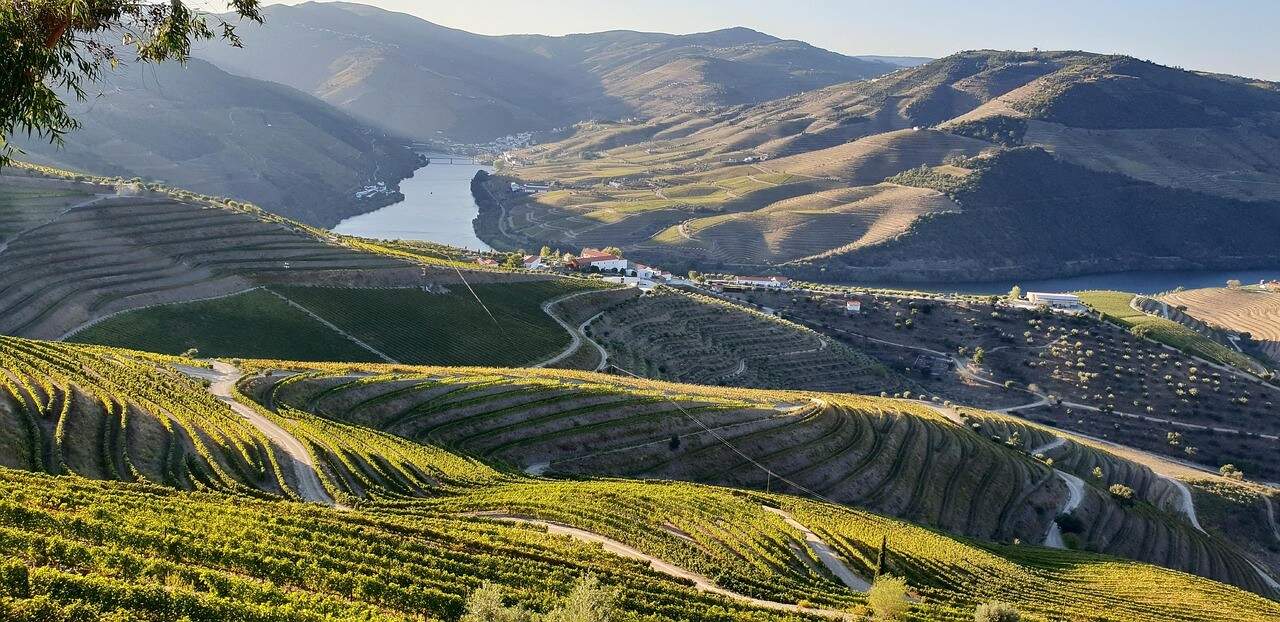
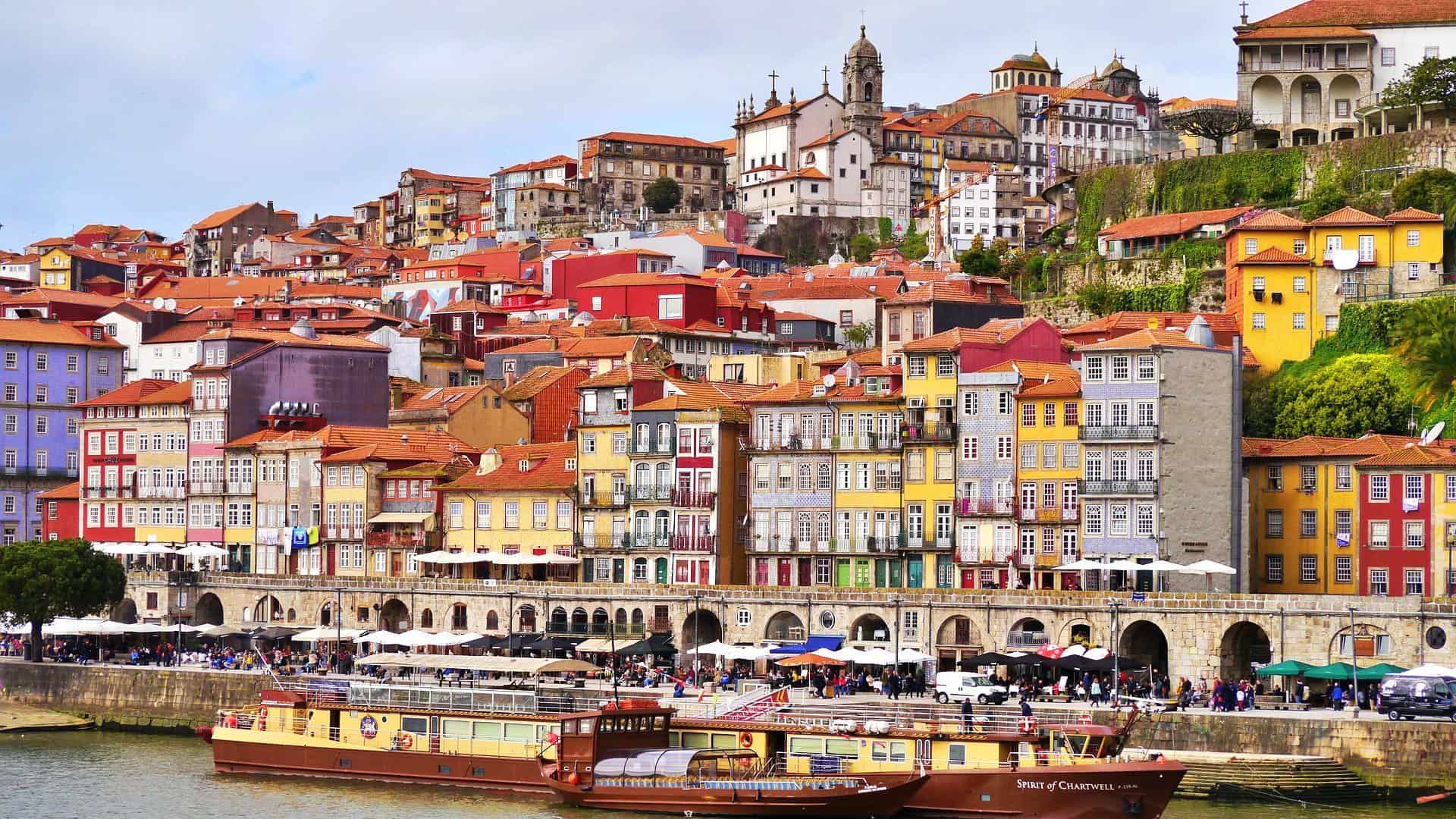
Northern Portugal is the country’s cooler, rainier region. Winter is significantly wetter here, and spring can be unpredictable, with cloudy, rainy days mixed in with sunshine. Summer is milder than in the south, making it especially appealing for travelers who love green landscapes, valleys, and vineyards. Winter really can feel gray and damp here, but Porto can be wonderfully romantic for a couple’s weekend if you don’t mind the rain.
Alentejo (south-central Portugal)
Alentejo is a vast rural region south of central Portugal, in the interior, and its capital, Évora, is its main highlight. Summers here are very hot and dry, winters are pleasant, and spring and fall bring ideal conditions for drives along quiet roads, winery visits, sleepy villages, and whitewashed towns. In summer, especially in July and August, the heat can be heavy and tiring for walking tours.
Algarve (southern Portugal)
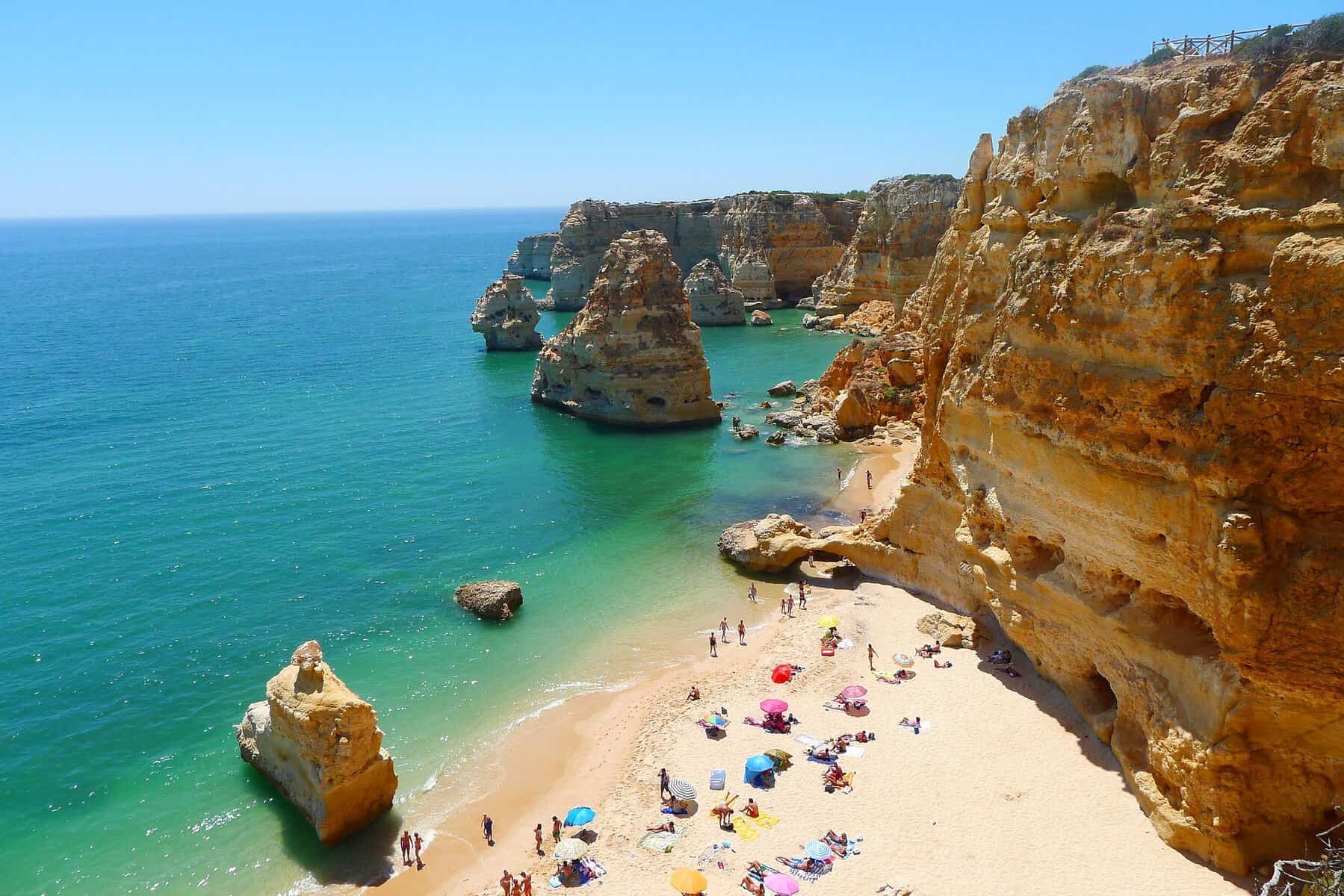
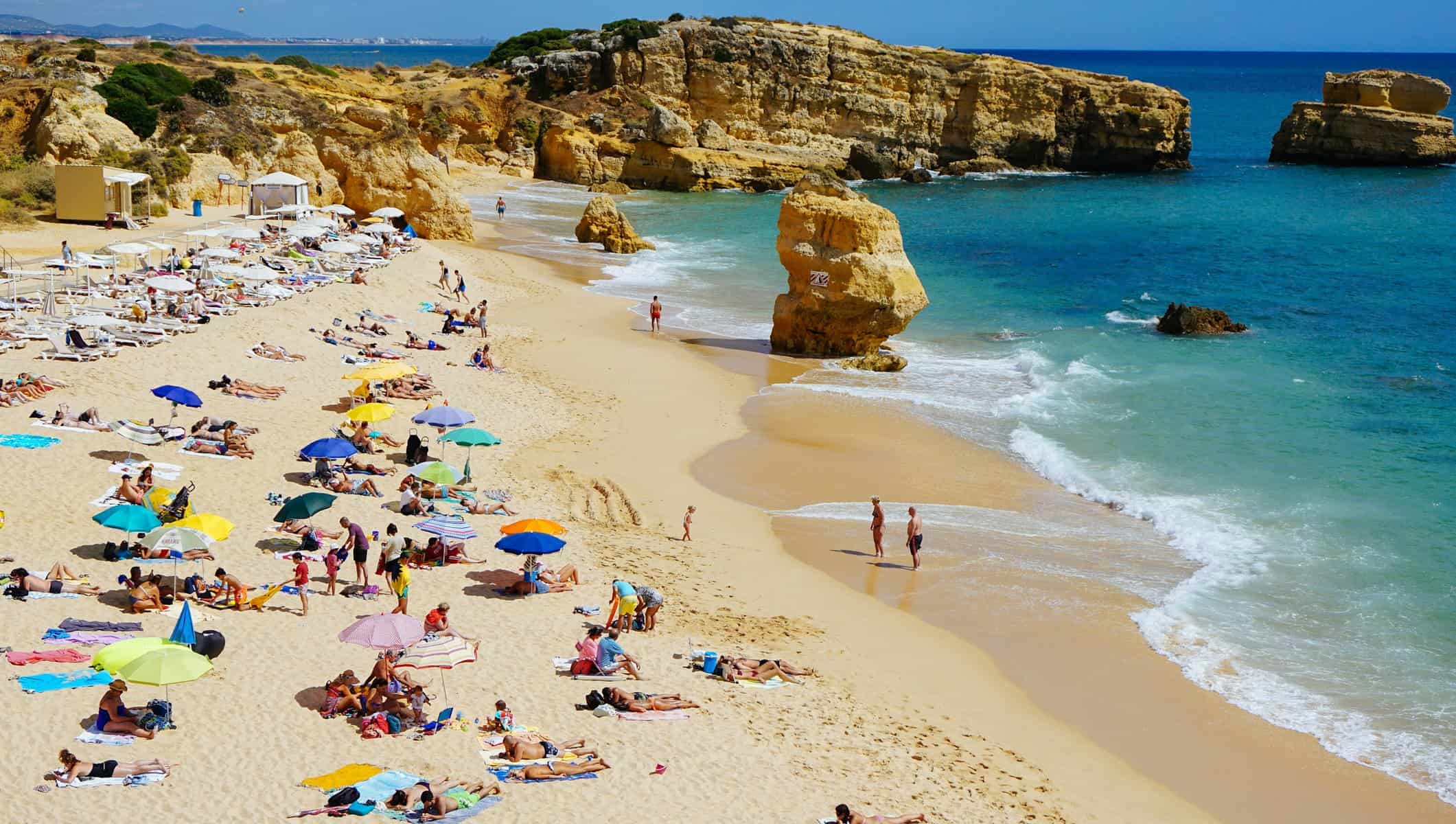
The Algarve in southern Portugal has the best weather in the country: less rain, plenty of sunshine, and a long summer season. It’s an ideal destination for beach vacations, family getaways, and resorts. Even in the shoulder seasons and winter, you’ll often get pleasant days for walks along the cliffs and beaches. That said, winter is quieter, and many places close down.
Madeira
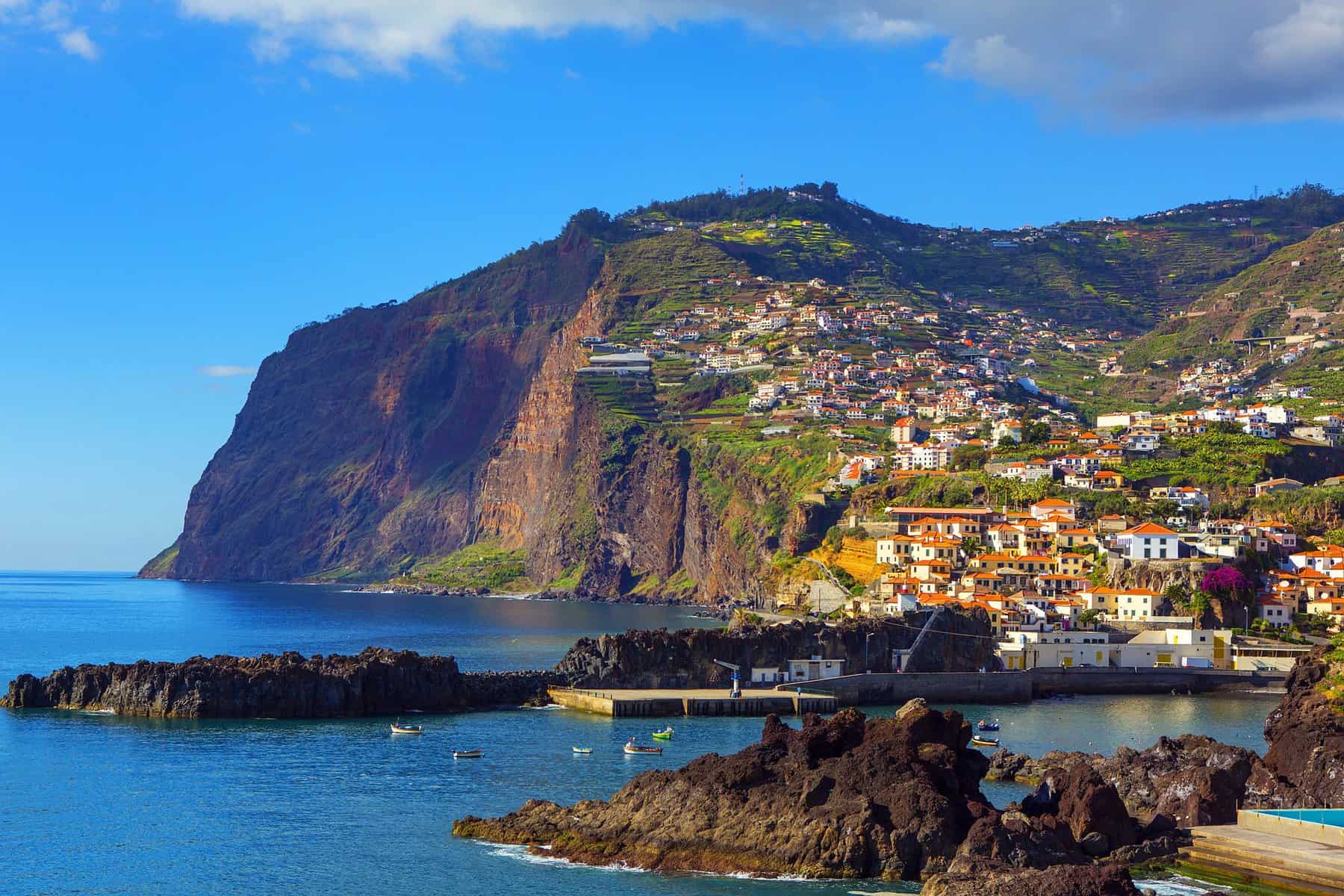
Madeira is an island with a stable subtropical climate throughout the year. The weather is usually pleasant—never too hot in summer and never too cold in winter. The island stays green year-round, though conditions can shift quickly, with sunshine, clouds, wind, and fog all in the same day. It’s excellent for hiking, scenic viewpoints, and walks along the levadas (trails that follow the island’s water channels). Bottom line: Madeira is truly one of a kind, and it’s wonderful all year. In winter, when much of Portugal is a little less appealing for travel, Madeira is fantastic.
The Azores
The Azores have an oceanic climate—green, humid, and changeable. On many days, you may experience sunshine, fog, light rain, and wind, sometimes within just a few hours. That’s why in the Azores you never head out without at least a windbreaker, since the weather can shift so quickly. This is a wonderful destination for dramatic scenery, volcanic lakes, and hiking trails, but less so for a classic beach-and-sun vacation. Bottom line: people come to the Azores for nature, so summer is the best time to visit, with late spring and early fall also working well.
Click here for the guide to Portugal’s main travel regions…
The seasons in Portugal
Spring (March–May)
Spring is one of the most pleasant seasons for traveling in Portugal. The landscape is green, flowers are in full bloom, and temperatures are comfortable for walking in both cities and nature. In the south, summer already starts to make itself felt, while in the north rainy days can still linger through the end of April.
Summer (June–August)
Summer is peak season in Portugal. The Algarve is perfect for beach vacations, the islands are wonderful for scenery and outdoor trips, and the major cities are hot but usually manageable. In the interior, especially in Alentejo, the heat can be a bit too intense. This is an especially good time for family vacations and water activities along the coast.
Fall (September–November)
Fall, especially September and October, is considered one of the best times to visit. September still feels like summer and the sea remains warm, October is excellent for city breaks and nature trips, and by November the rain begins to return to the north. There are fewer tourists, prices are usually more reasonable, and the weather is great in most destinations.
Winter (December–February)
Winter in Portugal is relatively mild compared with the rest of Europe. The north and center see more rain and cloudy days, while the Algarve and Madeira still get plenty of pleasant weather for sightseeing. It’s a good season for quiet city breaks, relaxed trips in the south, and a green escape to Madeira.
Weather in Portugal by month
January – The coldest month. Heavy rain in the north, gradually easing as you head south. Good for city trips in Lisbon and the Algarve. Madeira is an excellent choice for a green, pleasant getaway.
February – Still wintry, but with more clear days. In the far south, the first signs of spring begin to appear (including blossoms), and in the cities it’s comfortable for walking if you dress in layers.
March – The beginning of spring. Temperatures become more pleasant, though the north can still see rain. In the south and around Lisbon, the weather already feels springlike.
April – One of the best months to travel in Portugal. Everything is green, conditions are pleasant for sightseeing, and only the north may still see stretches of rainy days. Perfect for cities, nature, and road trips.
May – Summer in the south and a comfortable spring in the north. An ideal month for a one- to two-week trip combining cities, nature, and beaches, without the heat and crowds of July and August.
June – A stable summer month. The beaches are already at their best, water parks open, and there’s plenty of sunshine and long days. Great for family vacations and beach holidays in the Algarve.
July – Peak season. Hot in the center and south, more pleasant in the north and on the islands. Best suited to laid-back beach vacations and water activities, less so for long hikes inland. It's also the best month to visit the Azores.
August – The hottest and busiest month. Beaches are full, and festivals and events take place all over the country. It’s best to book accommodations and a rental car in advance, especially in the Algarve.
September – For many, the best month to visit: the sea is still warm, the weather is excellent, the crowds ease, and prices are often better. A great time for both beach vacations and touring.
October – Very pleasant weather, ideal for city breaks and nature trips. Light rain begins in the north, but the south still enjoys mild and relatively warm days.
November – Greener and rainier in the north, pleasant in Lisbon and the Algarve though showers are possible. A good fit for city breaks, slower-paced trips, and light outdoor exploring—if you’re prepared for rain.
December – Winter. Cities are decorated for the holidays, and Lisbon and Porto have a cozy, inviting atmosphere. Madeira is excellent, with easygoing weather and plenty of sunny days.
When to Go & What to Do: A Seasonal Guide to Portugal
What to do in spring?
Spring in Portugal is the perfect season to travel almost anywhere. Whether you’re planning a city break in Porto or Lisbon, a trip through the towns and countryside of central Portugal or Alentejo, the start of the season in the Azores (from late April), or perhaps the very best time to visit Madeira, this season works beautifully. There are just two caveats: along the Algarve coast in southern Portugal, the sea is still cold for swimming, and in northern Portugal and the Douro Valley, there may still be quite a bit of rain.
What to do in summer?
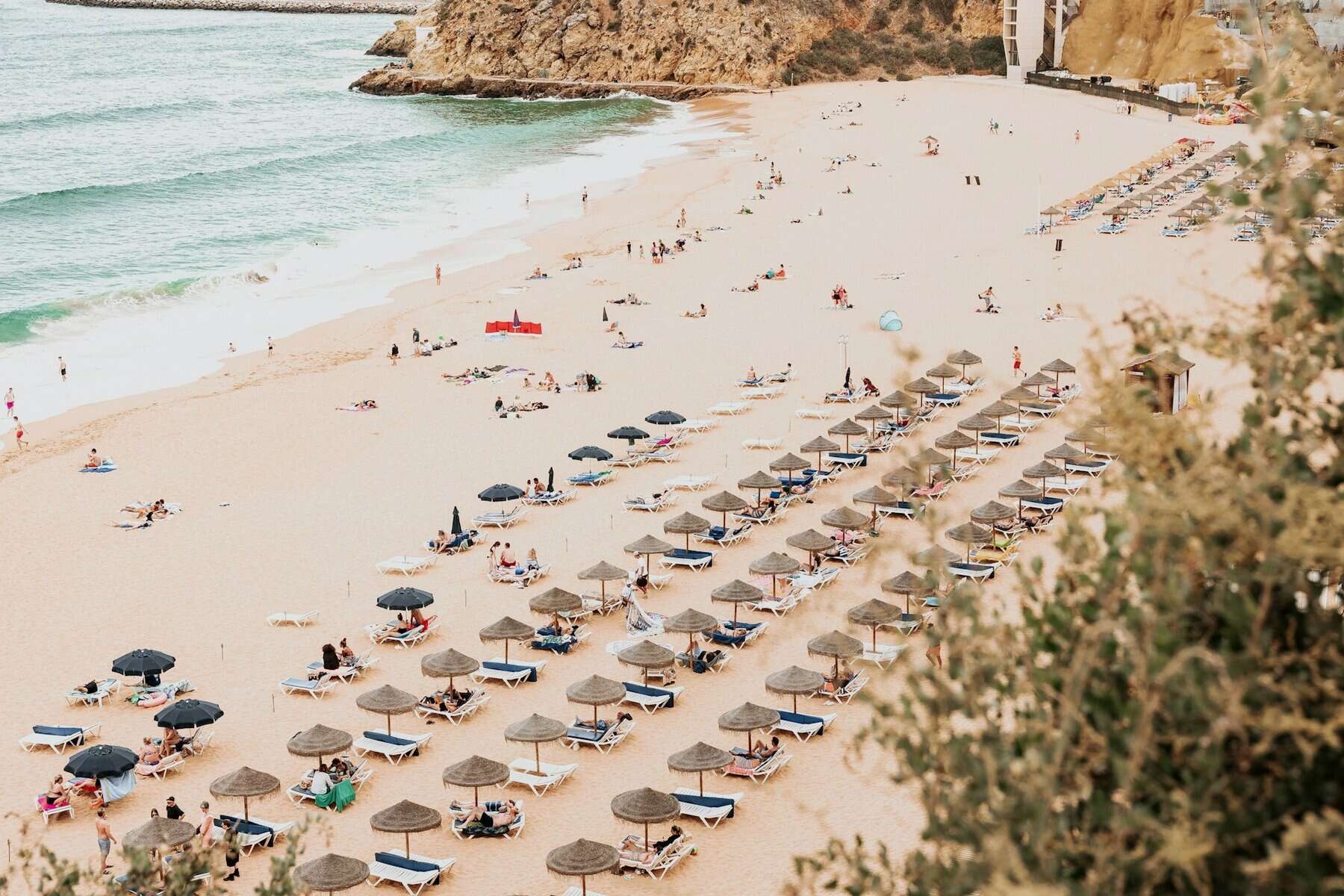
First and foremost, summer is the season for a beach vacation in the Algarve—the time when crowds of tourists from northern Europe pour into Portugal’s sunny southern region. Along the western coastline as well, in Peniche, Ericeira, Nazaré, and other beach towns, summer is the perfect season both for touring and for beginner surf lessons.
In the Azores, this is the season, and perhaps the only time when it’s truly pleasant to explore without too much rain and strong wind. Porto is famous for rarely getting too hot in summer, so a city break in this wonderful city is a great idea almost any time during the season.
Lisbon is warm and humid, but not unbearably so, and you can absolutely enjoy sightseeing there—spending midday hours in museums and indoor attractions, then heading back outside in the morning and evening. Aside from Alentejo and some inland areas in eastern Portugal, most of the country is very manageable in summer without excessive heat.
What to do in fall?
Fall is the season when everything settles down after the summer tourist rush. Early in the season, it’s still pleasant enough to swim along the Algarve coast and certainly to enjoy the outdoors in northern Portugal. The Douro Valley is the place to be at this time of year, when the grape harvest takes place and the vines begin to turn. Madeira also becomes far less humid and hot, making it wonderful for travel. In the Azores, though, rain and wind start to return, so it’s best not to visit later than September. Porto and Lisbon are both excellent for city breaks during this period, although rainy days are already possible in the north.
What to do in winter?
Winter in Portugal is much milder than in most of Europe, but even here, many outdoor trips are better left for the warmer, drier seasons. Even so, a city break—especially in Lisbon—can be wonderful and particularly romantic during the December holiday season.
The sunny Algarve can still work well for drives, viewpoints in the hills and villages, beach walks, and clifftop scenery. The water is cold, though, and on some days the coast can get strong winds and rain. Alentejo, which can feel almost impossible to explore in summer because of the heat, is actually lovely in winter—especially around the fascinating and impressive city of Évora—although nights can be fairly chilly.
Click here for a complete guide to what to do in Portugal in winter…
What should you pack for Portugal?
Spring: Layers, a light jacket, comfortable walking shoes, and clothing that works for both sunny days and a cool evening breeze. In the south, you can also pack a swimsuit for warmer days.
Summer: Swimsuits, a hat, sunscreen, sunglasses, and lightweight clothing. It’s also worth bringing closed-toe shoes for city sightseeing and sandals for the beach.
Fall: Layers, a light rain jacket, and good walking shoes. In September, a swimsuit still makes sense too, especially in the south.
Winter: A rain jacket, sweater or fleece, umbrella, and waterproof closed-toe shoes – important! In the Algarve and Madeira, gear for a mild winter is usually enough.
This is a general packing list, but each region has its own needs—for example, even in summer it’s smart to bring something with long sleeves for northern Portugal, and especially for the Azores, where the weather can change within minutes.
Click here for the guide to driving in Portugal…
Important weather-related tips for Portugal
- In northern Portugal, there’s always a chance of rain in every season—so it’s worth bringing a light rain jacket even in summer.
- The Atlantic Ocean stays cool along the north and central coasts of Portugal even in summer, so swimming here feels very different from the Mediterranean—keep that in mind: more sunbathing and surfing, less actual swimming.
- The southern Algarve coast is warmer and more pleasant, making it especially well suited to family swimming and beach vacations.
- In Madeira, and even more so in the Azores, the weather changes quickly—it’s always a good idea to carry an extra layer in your bag, even on a day that looks clear.
- The shoulder seasons—spring and fall—are the perfect time for anyone looking to combine city breaks and nature trips without intense heat.
- In summer, especially in July and August, it’s wise to book accommodations and a rental car in advance in the Algarve and other popular tourist areas.
- Alentejo – gets very hot in summer, so it’s best not to plan hikes or long stretches outdoors there in July and August.
Click here for the guide to renting a car in Portugal…
Frequently asked questions about the weather in Portugal
- Can you travel in Portugal in winter?
Yes. Lisbon, Madeira, and the Algarve (for touring, not swimming) are all considered excellent winter destinations, with pleasant days for sightseeing and a quieter atmosphere. The north and the western coast are rainier and less suitable for winter travel.
Click here for the guide to what to do in Portugal in winter… - When is the best time to visit Portugal?
May–June and September–October are generally considered the best months: pleasant weather, fewer tourist crowds, and usually better prices than in July and August. - Is the sea in Portugal warm?
First, it’s worth remembering that Portugal’s entire coastline lies on the Atlantic Ocean, so the water is naturally cooler. Portugal’s western coast stays cool even in summer, though swimming is still possible at the height of the season, while in the Algarve the water is warmer and more pleasant in summer and into early fall. If you’re looking for a classic summer beach vacation, you’re better off heading to one of the wonderful resort towns of the Algarve in the south. - What’s the difference between Portugal’s western coast and the southern Algarve coast?
The western coast faces the Atlantic’s western winds directly, and its waters are deeper, which also makes them colder. Winds are stronger and waves are higher—excellent for surfing and dramatic scenery, but less suitable for family swimming.
The southern Algarve coast faces south and is also more sheltered by coves and cliffs. The water is much warmer, the sea is calmer, and it’s better suited to families and long swims in summer. - Are there very hot, uncomfortable days in summer?
Yes. Especially in July and August, inland areas and Alentejo can have very hot days that feel tiring and unpleasant for walking tours. Along the coast and in cities like Lisbon and Porto, the heat is more moderate thanks to the breeze and proximity to the Atlantic. - Are there heat waves, and if so, where are they most common?
Almost every summer brings some heat waves, especially in inland regions: Alentejo, the valleys south of Lisbon, rural areas in the east, and even in northern Portugal, which is generally considered cooler, heat waves can occur as you move farther east into the interior. Along the coast and in the Algarve, heat waves tend to be shorter and milder, though still noticeable on peak summer days. - Which region is the hottest in Portugal?
The hottest area is inland Alentejo—namely Évora, Beja, and the towns in the east. Summers here are hot and dry, so if you’re planning a day trip from Lisbon to Évora, keep that in mind and come prepared with sunscreen, a hat, water, and so on. Parts of inland Algarve can also get very hot away from the coast. - Which region is the coldest in Portugal?
The mountainous areas of northern Portugal, including the high ranges and valleys such as Serra da Estrela, are the coldest. In winter it can be very cold there, with a chance of snow on the peaks. - Is there anywhere in Portugal that stays warm year-round?
Yes. Madeira Island is considered warm and pleasant year-round, with a relatively stable subtropical climate. The Algarve is also significantly warmer and milder than the rest of Portugal—and much of Europe—in winter, though it is still more wintry than Madeira. - Are there places that are not worth visiting in certain seasons because of the weather?
Yes. In Alentejo and other hot inland areas, long hikes are best avoided in July and August because of the intense heat. Northern Portugal in winter (December–February) can be very rainy, gray, and cold. As for the Azores, winter is not a good time to go—strong winds, fog, and trail closures are all possible, and since people visit the Azores for nature, winter simply isn’t the right season for it.
Click here more information about traveling in Portugal…
Click here for the guide to where to travel in Portugal and its main travel regions…