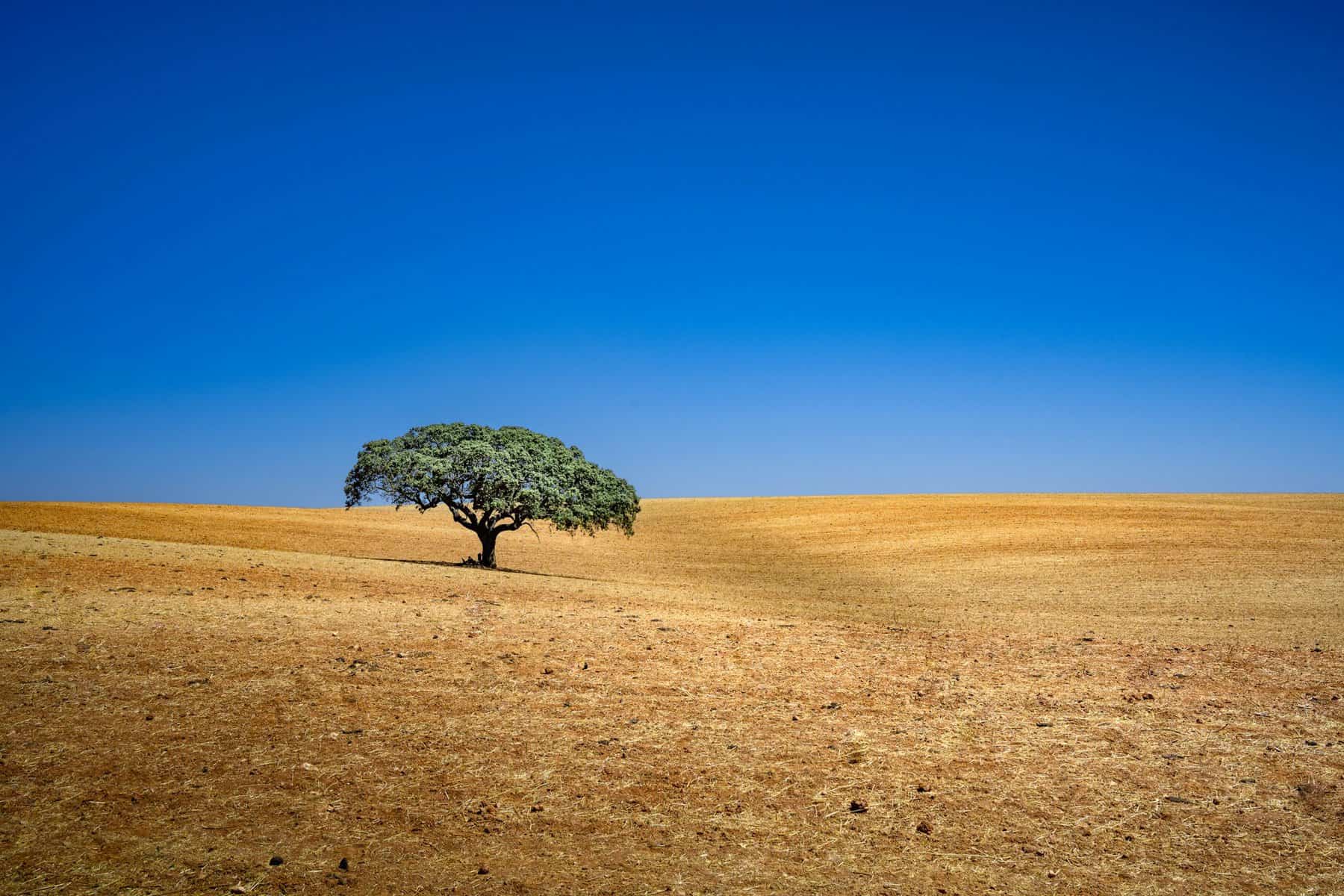
Beja is the main city of Baixo Alentejo, the rural district in southern Portugal, a landscape of wide-open plains, solitary oak trees, and vast cultivated fields. In town, you’ll find a medieval castle, streets lined with whitewashed houses and reddish terracotta roofs, along with several other fascinating historic buildings, some of which now house museums. Beja and its surroundings feel a lot like southern Spain, with similarly hot, very dry summers. Yet after the winter rains and before the scorching heat sets in, southern Alentejo comes into bloom and becomes one of Portugal’s finest regions for a spring trip. Beja makes an excellent stop on that kind of journey. It’s a wonderful example of the peaceful life found in Portugal’s more remote corners—places that still feel pleasantly removed, yet remain easy enough to reach, where for a few hours or more, it feels as though you’ve stepped back in time. Modernity, after all, has not fully arrived here.
How many days should you spend in Beja?
Half a day is enough to see most of Beja’s main sights and points of interest. It also makes an excellent base for exploring the natural landscapes and rural scenery of Baixo Alentejo, so it’s well worth staying overnight before continuing a road trip through southern Portugal.
Click here to find a place to stay in Beja…
7 must-see sights and experiences in Beja
- Climb to the top of the castle tower (183 steps!) | Castelo de Beja
- Visit the city cathedral, home to a wealth of art | Sé de Beja
- The Visigothic museum | Núcleo Visigótico do Museu Regional de Beja
- The regional museum of Beja | Museu Regional de Beja
- Republic Squzre with its distinctive buildings | Praça da Republica
- Sit down at one of the city’s cafés
- Explore the Alentejo countryside around Beja (best in spring) | Baixo Alentejo
How to get to Beja
Flights to Beja
The main airport serving Beja is Lisbon Airport (LIS), about a two-hour drive away.
Beja is also relatively close to Faro Airport (FAO), the international airport named after Gago Coutinho in the city of Faro in southern Portugal, which is about an hour and a half away by car.
Beja actually has its own airport (BYJ), but it still does not serve scheduled flights. The airport was built in the 1960s during the Cold War to serve the West German Air Force for training purposes. Today, it is used by the Portuguese Air Force.
A passenger terminal was added in 2011. The airport has been trying to attract low-cost airlines, but so far without much success, and it mainly receives private aircraft and the occasional charter flight, mostly from England, whose residents are especially fond of southern Portugal. So perhaps it will develop further before long.
Getting to Beja by rental car
Most travelers visiting Beja arrive by rental car as part of a wider trip through southern Portugal. It is also the easiest way to get around the rural Baixo Alentejo region, where the main sights are connected by narrow roads cutting through dry, open landscapes.
As mentioned, Beja is an hour south of Évora the largest city in the Alentejo, about two hours from Lisbon by car and roughly an hour and a half from the southern Portuguese coast. Both areas are often used as starting points for a trip through Alentejo.
Public transportation to Beja
Bus
The best way to reach Beja by public transportation is by bus. From Lisbon, the journey takes about 3 hours, and most direct buses leave from Sete Rios station | Lisbon Sete Rios. Beja’s main bus station | Terminal Rodoviário de Beja is very close to the old town—about a five-minute walk.
Train
Beja is also served by train. Most passengers come from Lisbon, departing from Entrecampos station | Entrecampos. You’ll need to take the train to Évora, get off at Casa Branca | Casa Branca, and then transfer to a train to Beja. There are only a few such connections each day, and if you manage to catch them, the trip takes about two hours and fifteen minutes. Usually, though, the waits are much longer, so it’s generally not worth it if you’re coming from Lisbon.
Beja’s train station is also in a great location, on the northeastern edge of the old town and about a five-minute walk away.
About Beja
- Beja is the capital of southern Alentejo, or Lower Alentejo—Baixo Alentejo.
- It is a small city in the heart of this southern, relatively remote part of Portugal, surrounded by grazing land and fields. Beja is known as Portugal’s “granary”—more specifically, its wheat granary—thanks to the grain grown in the flat plains around it.
- About 30,000 people live in and around the city, earning their livelihoods mainly from agriculture-based industry and tourism.
- The city passed through every major stage in the history of the Iberian Peninsula and was already an important crossroads in Roman times, when it was called Pax Julia and Pax Augusta, after the emperors. Over the centuries, and into the Visigothic period, only the name Paca remained. With the Muslim conquests of the early 8th century, it became Bāja—because Arabic has no “p”—and later evolved into Beja.
- During the Reconquista, there were several attempts to capture Beja. Because it lay so far south and close to Andalusia, Muslim forces managed to retake it again and again. That changed in 1234, when King Sancho II of Portugal captured it permanently. Since then, it has remained in Catholic hands.
- These repeated wars left Beja in ruins, and its population shrank dramatically. Only in the early 15th century, during the reign of Manuel I, did it recover and become a city again.
- During the Peninsular War in the early 19th century, Napoleon’s forces captured the city and massacred many of its inhabitants. Beja declined sharply and only began to develop again in the mid-20th century. Since then, it has returned to its role as the agricultural and industrial center of the Baixo Alentejo region.
- Today, Beja is the urban center of one of Portugal’s most remote and marginal regions—Lower Alentejo.
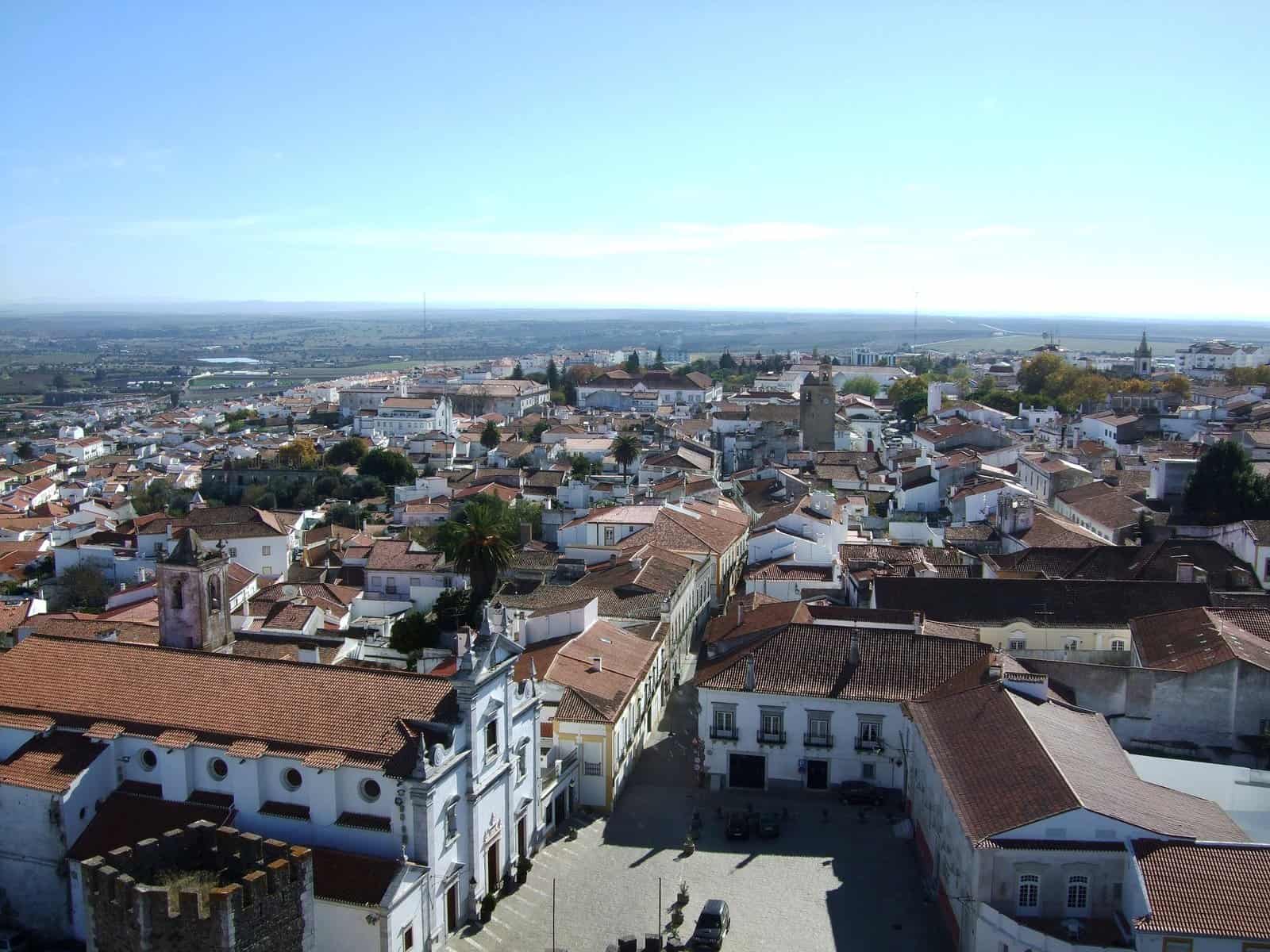
- Perched on a hill above vast, empty plains where cows, sheep, and goats graze in every direction, the city still carries an old-world feel—and that is part of what makes it so intriguing.
- The people are exceptionally friendly, and the surrounding villages and farms are known for their wine, cheeses, olive oil, and excellent meat.
- Some streets in Beja’s old town are a little worn and look somewhat neglected. At midday in summer, when the sun is beating down and the streets are deserted, they can bring to mind the smaller, faded towns of Andalusia in Spain.
- Beja has some of the warmest weather in Portugal, much like the rest of Alentejo. The city is known for its hot, dry summers and cool, slightly wet winters, which are followed by beautiful spring blooms.
- At the end of April each year, Beja hosts a large agricultural fair—Ovibeja | Ovibeja—which draws visitors from all over Portugal. Still, most visitors come in summer, the height of the tourist season in both Portugal and Europe overall.
- Click here to search for accommodations in Beja…
- Spring is the best time to visit Beja, when the weather is ideal for exploring both the old town and the surrounding countryside.
- Beja and its relatively flat surroundings are also very well suited to cycling trips, especially in winter and spring.
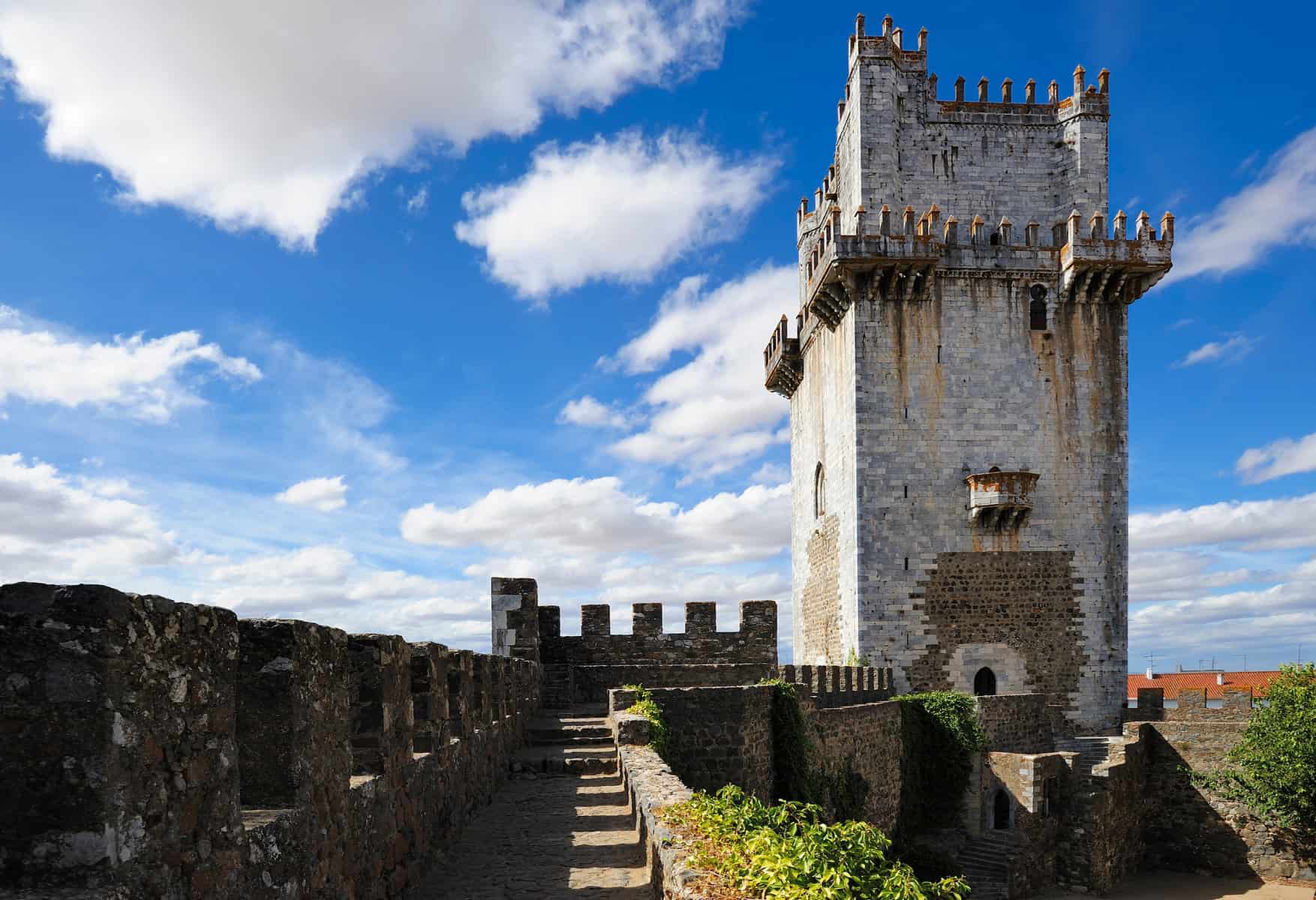
Beja Castle | Castelo de Beja
The castle stands in the northern part of Beja’s old town. The fortress was built in the 13th century, and its impressive tower dates to the 14th century, during the reign of King Dinis.
Most of Beja’s key sights are located in and around the castle.
The present fortress we see in Beja’s historic center has Roman and Moorish roots, but it was rebuilt in the 13th century by King Afonso III. Shortly afterward, the city of Beja began developing around the stronghold, and in 1307 the city walls were constructed. As the centuries passed and the Kingdom of Portugal became more firmly established, the complex was renovated and further expanded.
The castle suffered major damage during the Peninsular War against Napoleon’s armies in the early 19th century. In fact, all of Beja was badly damaged, and more than a thousand residents and soldiers were killed in the fighting. Afterward, the city was nearly abandoned and only began to recover and rebuild toward the middle of the 19th century.
What we see today is what remained from that period, along with extensive 20th-century restoration carried out after the site was declared Portuguese heritage.
You can walk along parts of the walls and fortifications, and you can also climb the tall keep.
The tower | Torre de Menagem
At about 40 meters high, the tower is the castle’s most striking feature. It was built in 1310 by order of King Dinis and was later enhanced, including during the Manueline period in the 16th century, traces of which can be seen especially in its windows.
The tower has a wonderfully dramatic medieval appearance and is the city’s main landmark, as well as its symbol.
The main attraction here, naturally, is the view from the top. To reach it, though, you’ll need to climb 183 spiral steps. If you’re able, it’s absolutely worth it. From above, you get the best views over the city and across the wide-open Alentejo landscape.
There is a small admission fee to climb the tower.
Click here for more information and opening hours…
Jorge Vieira Museum of Contemporary Art | Museu Jorge Vieira – Casa das Artes
This small museum is housed in a very noticeable yellow-painted building within the castle complex. The building once served as the governor’s residence, and in 1995 it became the museum.
It is named after the Portuguese modernist sculptor Jorge Vieira. Most of his major work dates from the 1950s, though he continued creating until his death in 1998.
An important sculpture by Jorge Vieira also stands opposite the Convento de São Francisco in the city, which now operates as a hotel. The modern-style piece, titled ‘Monument to the Unknown Political Prisoner' (Monumento ao Prisioneiro Político Desconhecido), commemorates political prisoners from the years of dictatorship in Portugal, which ended in 1974 after the Carnation Revolution.
Today, the museum displays Vieira’s works along with another wing devoted to temporary exhibitions.
Admission is free.
Click here for more information and museum opening hours…
Castle Gardens | Jardim do Castelo de Beja
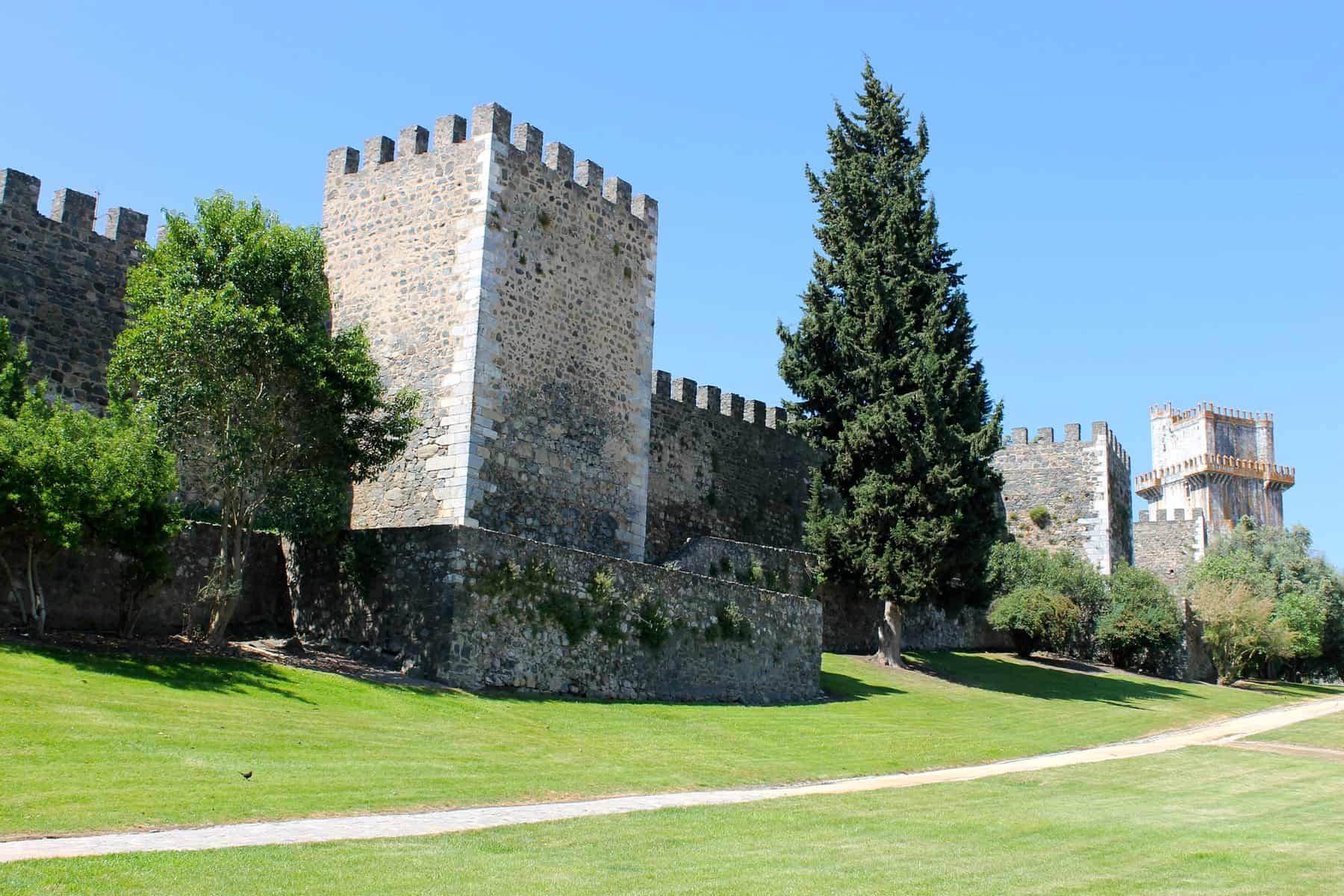
The gardens behind the castle are now a green oasis in the center of the city. They are also a lovely place to pause and rest after visiting the castle on a hot day. Rather than being formal, manicured gardens, they feel more natural, with sloping lawns and large olive trees.
The gardens run right alongside the castle walls, so it can be especially pleasant to stroll beside them and take photos with a touch of greenery in the background.
More attractions and interesting sights in Beja
The Visigothic Museum | Núcleo Visigótico do Museu Regional de Beja
The museum stands just across the street from the castle. It is housed in the Church of Santo Amaro | Santo Amaro, which has stood here since the late 5th century CE. It was built during the Visigothic period, when Beja first became a diocese.
That is also why it was chosen to house the Visigothic archaeological finds discovered in Beja and the surrounding area. The museum’s exhibits date from the 5th through the 8th century, when the Muslims conquered Beja.
The church was extensively renovated and altered in the 16th and 17th centuries, so the building is now mainly Gothic and Mannerist, with relatively few early Visigothic remains left in the structure itself. The finds on display, however, all come from the Visigothic period.
The museum is small, but the exhibition space is highly impressive. The columns and arches supporting the ceiling were left in place and painted white, creating a wonderfully airy setting and an excellent backdrop for the objects on display.
Click here for more information and opening hours…
Church of São Tiago – Beja Cathedral | Sé de Beja
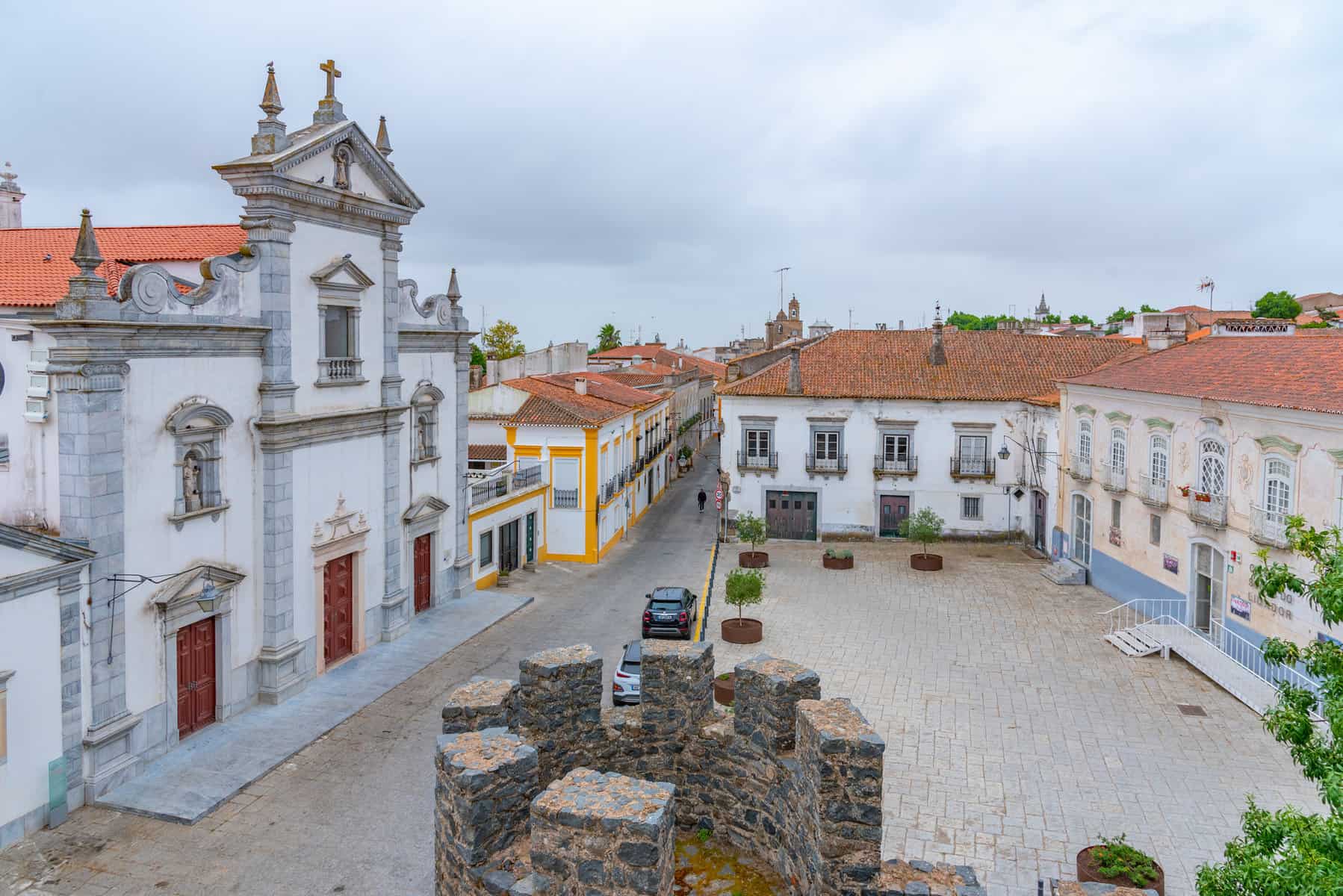
Beja Cathedral stands opposite the castle. A large square opens up in front of it, and it is one of the city’s most impressive buildings.
The current cathedral dates from 1590, though a church already stood here in the 14th century. It was built in the Mannerist style that was typical of Alentejo at the time. With its clean, pale appearance, it has a striking sense of strength and clarity.
The cathedral interior is richly decorated and adorned with many paintings, including works by André Reinoso | André Reinoso. Also notable inside are the Estremoz marble columns supporting the high ceiling, as well as the blue azulejo tiles lining the walls, which date from the 18th century.
Only in 1930 did the church become a cathedral, and it is the only one in Portugal dedicated not to Mary, the mother of Christ, but to her son. It was also renovated at that time, and art treasures formerly belonging to the House of Braganza were brought here.
Click here to find a place to stay in Beja…
City Museum – Queen Leonor Museum | Museu Regional de Beja
The museum is housed in the Convento da Conceição, which has stood here since the mid-15th century (Convento de Nossa Senhora da Conceição).
The convent building itself is filled with frescoes and colorful wall tiles that now form part of the museum display, and they alone make the visit worthwhile.
One of the museum’s highlights is the Rococo chapel that once belonged to the convent. Its walls are covered with extravagant gilded ornamentation of the kind only Rococo could produce.
As you would expect from a regional collection, the museum presents finds from the Iron Age through to modern times.
The main display focuses on the Roman period, and there are also exhibits from the Middle Ages and the early Kingdom of Portugal. In addition, the museum holds religious artworks from the 17th and 18th centuries.
Click here to search for accommodations in Beja…
The love story of the nun and the officer
One of the museum’s most intriguing exhibits is the ‘Window of Mértola' | Janela de Mértola. It is the window from which the nun Mariana saw the French officer, and when their eyes met, she fell madly in love with him. A book was later written about this love story.
The forbidden romance between the officer and the nun began here in the convent in Beja and inspired the book ‘Letters of a Portuguese Nun' (The Portuguese Letters). The book was attributed to the nun herself, though debate continues to this day over who really wrote it. What is not disputed is that by the 17th century it had already become a sensation in France, and it remains well known and widely quoted for its romantic descriptions.
The book consists of five love letters written by the nun Mariana | Sóror Mariana Alcoforado to her beloved, the French officer Noël Bouton | Noël Bouton.
The preserved window is now an important exhibit in the museum because of the enduring popularity of the story.
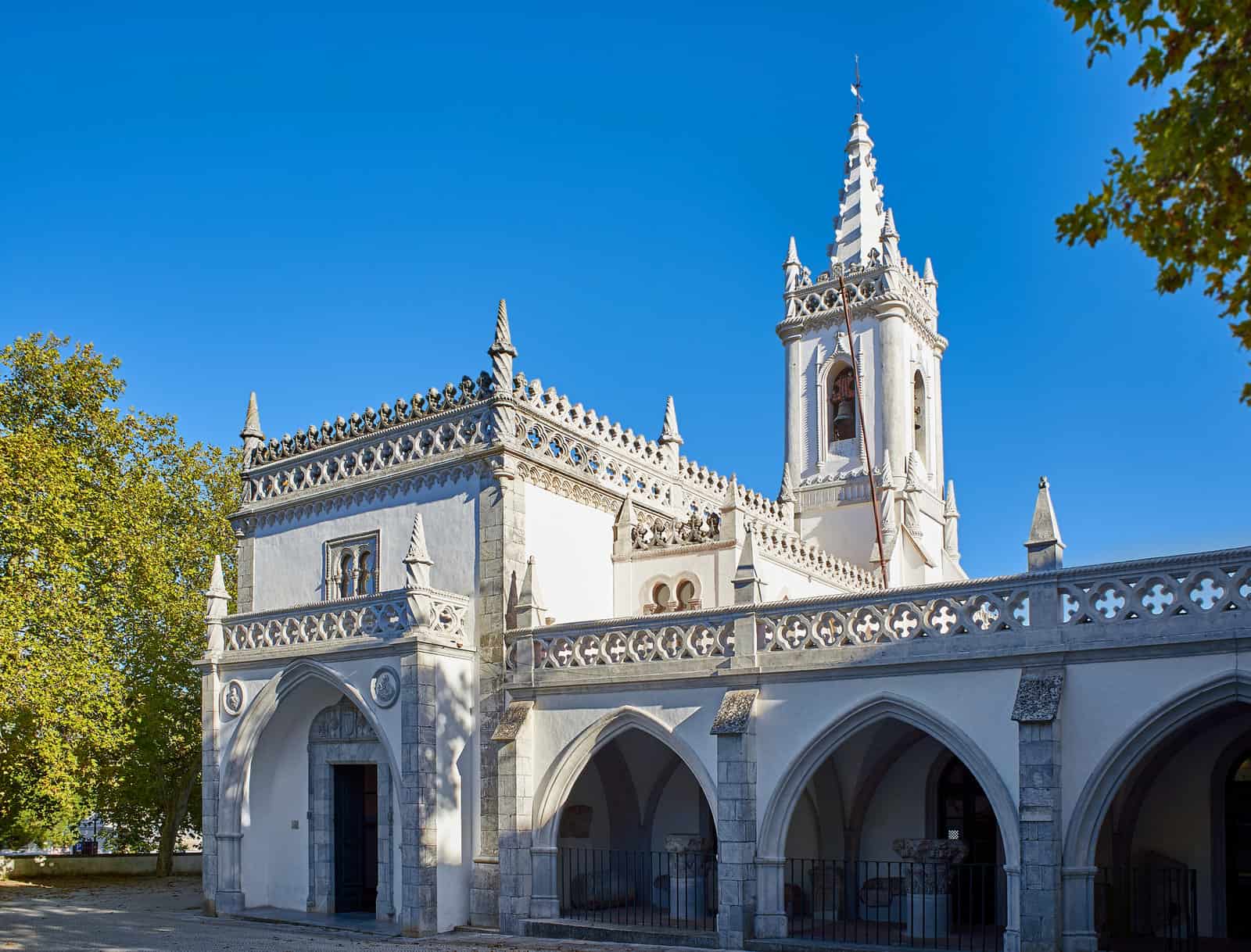
Santa Maria Church | Igreja de Santa Maria
The church stands in the center of town, opposite the Queen Leonor Museum. Its origins go back to the Visigothic period in the 7th century.
Following the Muslim conquest, it was converted into Beja’s main mosque. In the 13th century, it became a church again after the Kingdom of Portugal secured its control over the region.
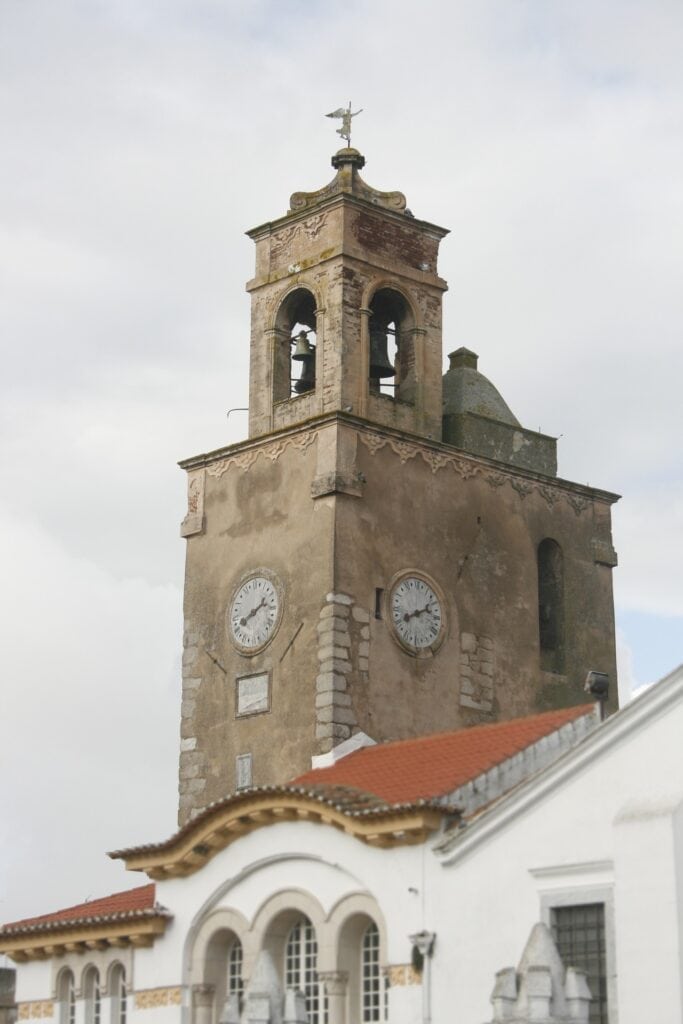
In the early 16th century, the white building and the broad porch-like façade in front of it (Galilee) were built in a Manueline-Mudéjar style. The 14th-century bell tower is the older surviving part of the church, which has been renovated several times since.
When you arrive, it truly feels like a church made up of several separate buildings joined together. That is part of what makes it so special, beyond its unusual façade, which has few parallels.
Click here to search for accommodations in Beja…
Gago Coutinho e Sacadura Cabral Garden
The garden lies on the southeastern side of the city and is essentially Beja’s main urban park.
It is named after Gago Coutinho and Sacadura Cabral, pioneers of Portuguese aviation. The two were the first to cross the South Atlantic by air in 1922, flying from Lisbon to Rio de Janeiro, with refueling stops along the way.
The park was established in 1840 beside and on the grounds of the Convento de São Francisco, which now serves as a hotel. In the early 20th century, it was expanded and renovated.
Among its trees, flower beds, and ornamental ponds, the park also features several interesting sculptures, some azulejo decorations, and a bandstand that makes a romantic photo spot.
After walking through Beja’s old town, this garden is a great place to escape the blazing Alentejo summer sun.
Click here to find a place to stay in Beja…
Republic Square | Praça da Republica
Praça da República is not exactly Beja’s main square, but it is an excellent place to begin a walk through the city’s sights.
On the black-and-white paved square, laid out in the beloved Portuguese style, you’ll find the town hall, the Misericórdia Church, and the pillory at its center | Pelourinho.
Elegant old buildings surround the square, including one especially striking example clad in blue-and-yellow tiles and set on arches.
A line of trees casts welcome shade here, and narrow little streets branch out from the square, leading you toward the rest of the city’s landmarks.
Misericórdia Church | Igreja da Misericórdia Beja
In the mid-16th century, Prince Luís, son of King Manuel I and also Duke of Beja, decided to build a large structure in the center of the city to serve as a slaughterhouse.
Once construction was already underway, he changed his mind, saying the building was too grand for its intended purpose, and decided to turn it into a church instead.
The building is unique and unlike anything else in the city, blending several styles. The entrance and façade, with their large and impressive white portico, are in the Portuguese Renaissance style. The front looks very much like an Italian loggia, but once inside the church, a distinctly Manueline design is revealed—completely different from the grand exterior.
Some of the artworks that once adorned the church façade were moved in the early 20th century to the Queen Leonor Museum in the city. Most are made from Estremoz marble, sourced from nearby Upper Alentejo.
Click here to find a place to stay in Beja…
The city’s newer park | Parque da Cidade
A pleasantly surprising park west of the old town, opened in 2004. It has a modern design of straight lines, with a shallow artificial lake surrounded by walking and jogging paths.
The park, which borders Beja’s newer residential neighborhoods, extends into a grove or small woodland | Mata de Beja and is very pleasant for a walk. Just not during the hottest hours of summer.
Events in Beja
Ovibeja Fair | Ovibeja – late April to early May
The fair takes place every year over the course of a week in late April and early May. It is also the best time of year to travel in Alentejo, so if you are in the area, the exhibition is well worth a visit.
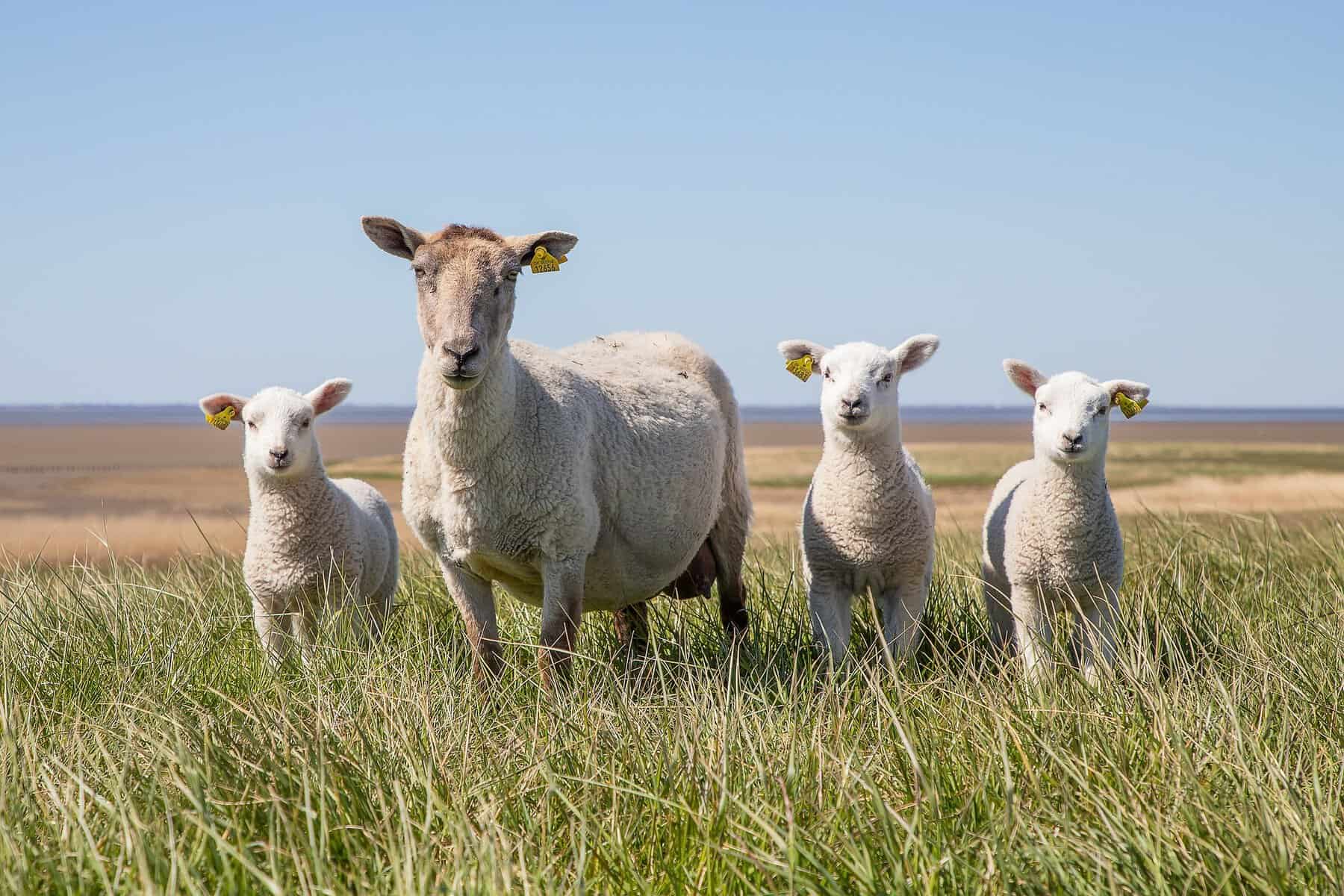
Ovibeja began as a straightforward agricultural exhibition, especially focused on sheep farming. Over the years, however, it developed into a major agricultural fair that is still aimed first and foremost at business, while also being open to the general public.
What makes Ovibeja special is that it welcomes the wider public and offers activities for all ages. Competitions are also held between different breeders and producers, and during the days of the fair the city feels especially lively. One of the competitions features olive oil produced around Beja.
Click here for more information about the fair and its dates…
Jewish herritage in Beja
The history of Beja’s Jewish community mirrors that of the Jews of Spain until the establishment of the Kingdom of Portugal, including its “golden age” under Muslim rule. Jews lived in Beja, and there was a small Jewish quarter here in the Middle Ages. With the beginning of the Inquisition in Spain and Portugal, some of Beja’s Jews were expelled, while others remained as forced converts.
Today, it is difficult to see traces of the city’s Jewish past, since Beja was almost completely destroyed during the Peninsular War in the 19th century.
The surnames Bejarano and Bejaio, for example, originated with Jewish families who fled Beja.
Especially well known is the story of the Bejaio family, who lived as forced converts in the city until the mid-18th century. As in nearby Évora, even forced converts were shown no mercy at the time, and the family left the city. Part of the family settled in Hebron in the Land of Israel.
In Hebron, the family became one of the pillars of the community, and many of its members held public positions there, including as rabbis. The family lived in Hebron for nearly two hundred years. After the establishment of the State of Israel, Rabbi Haim Bejaio continued to serve as rabbi of the Hebron community, which had relocated to Jerusalem.
Attractions and places of interest around Beja
Roman country villa ruins at Pisões | Villa Romana de Pisões
This site lies in the middle of an agricultural area, far from any settlement. That was also the case from the 1st century CE through the 4th century.
This large and unusual villa was used in Roman times for livestock raising and for working the surrounding land, much as was customary in Latium or Campania around Rome.
This is not a heavily developed archaeological site, so it is best suited to travelers with a strong interest in Roman history. Still, the drive there is beautiful and peaceful, making it a pleasant stop on an Alentejo road trip, either before or after arriving in Beja.
What makes this villa rustica especially distinctive is that it included baths with water-heating systems, a sign of its owners’ considerable wealth. It also had a large pool used by the Romans during the hot Alentejo summers. In Portugal, it is one of the only examples of such a Roman villa.
About 200 meters north of the villa, a Roman dam was built to collect stream water and rainfall used for irrigation, as well as for the pool and baths.
After the Romans, the Visigoths occupied the site, though activity had already declined by then, and it was eventually abandoned.
Among the remains are large mosaics and the surviving base columns of the large patio and central courtyard. The villa had 40 rooms, and it has not been fully excavated—only part of the site is visible today.
Click here to find a place to stay in and around Beja…
Guadiana Valley Natural Park | Parque Natural do Vale do Guadiana
This nature reserve, named after the river that crosses Alentejo from north to south, begins about a 20-minute drive from Beja.
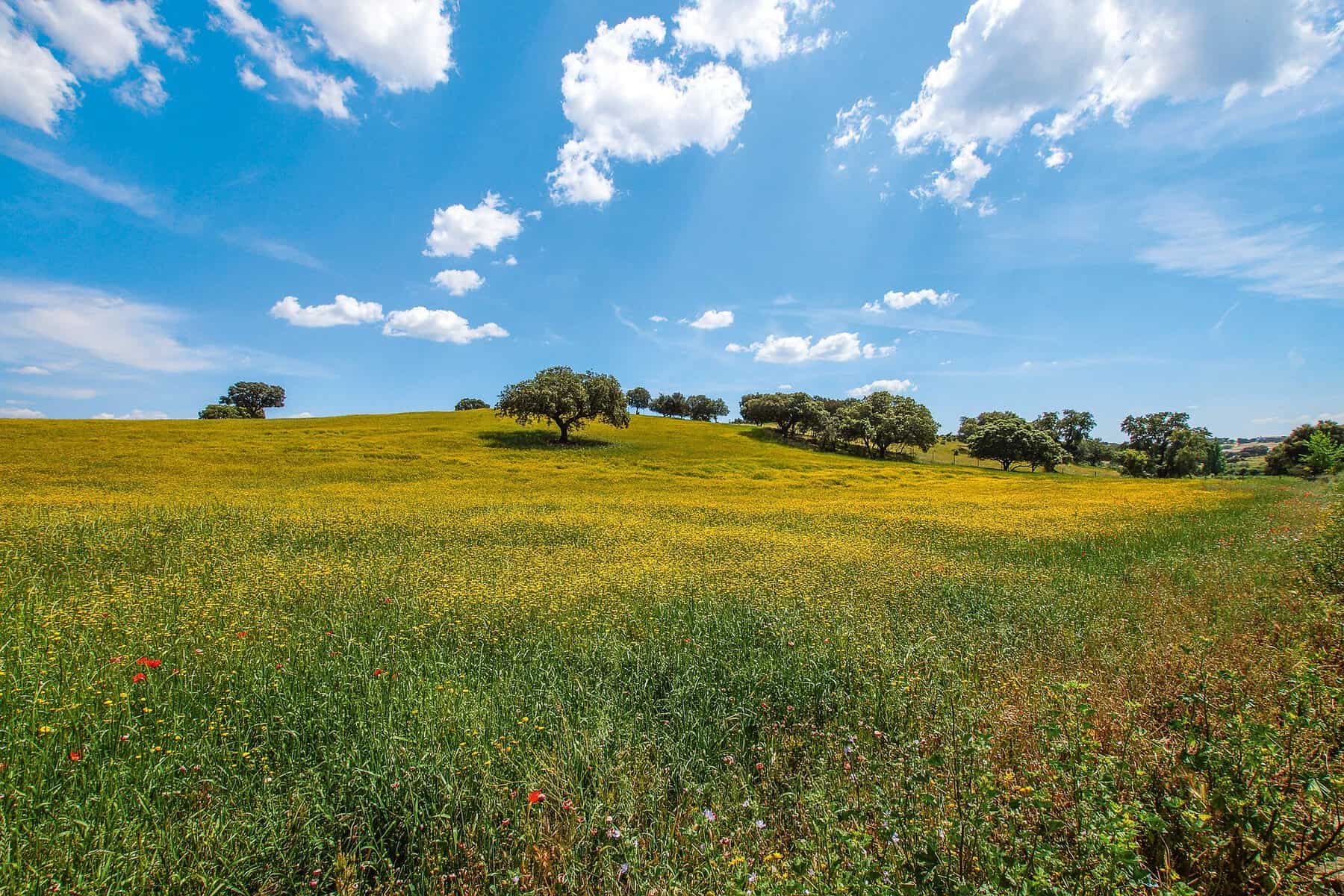
Baixo Alentejo is one of the most remote regions in Portugal and closely resembles the neighboring province of Extremadura in Spain. This area of rolling hills and vast pastureland has remained much as it was centuries ago. Streams run between the hills, ancient oak trees dot the slopes, and nature flourishes in every direction.
If you’re drawn to wide-open spaces and isolated rural landscapes, the reserve is a wonderful place to explore on a rental-car trip through southern Portugal. Come in spring, and with everything green around you, it may even feel a little like Tuscany.
Lower Alentejo is the hottest and driest part of Portugal, so a summer visit to the reserve does not offer the same pleasure as those glorious, green spring days. In summer, perhaps the main draw within the reserve is swimming in the Guadiana River.
Pulo do Lobo Waterfall | Cascata do Pulo do Lobo
Deep in the heart of the reserve, these falls are its most dramatic attraction. At Pulo do Lobo, the Guadiana River narrows dramatically and forms an upper pool. From the edge of the rocky basin, the waterfall drops 20 meters below.
It is called “Wolf’s Leap” because the river becomes so narrow above the falls that the rocks on either side seem only a wolf’s jump apart.
The road brings you almost all the way to the falls, and from there you descend by steps. You can approach from either side, but the western side is much easier and more accessible. In spring, the water flow is far stronger.
The towns of Serpa and Mértola lie within the natural park and can make good stops on a longer drive through the reserve and the Lower Alentejo region. The same goes for the old copper mines at São Domingos.
Alqueva Dam | Barragem de Alqueva
The dam and the lake it created are more or less the same distance from Évora—about a 45-minute drive.
Next to the dam, there is a small visitor center: CIAL – Centro de Interpretação de Alqueva.
The dam on the Guadiana River was completed in the early 2000s. It was designed to produce electricity and to regulate water for irrigation across the surrounding agricultural lands. The lake it created has a deeply indented shoreline with several arms, one of which even crosses into Spain.
The landscape that emerged here is quite striking, and in recent years several artificial beaches have also been developed around the lake, along with options for water sports such as jet skis and inflatable tubing.
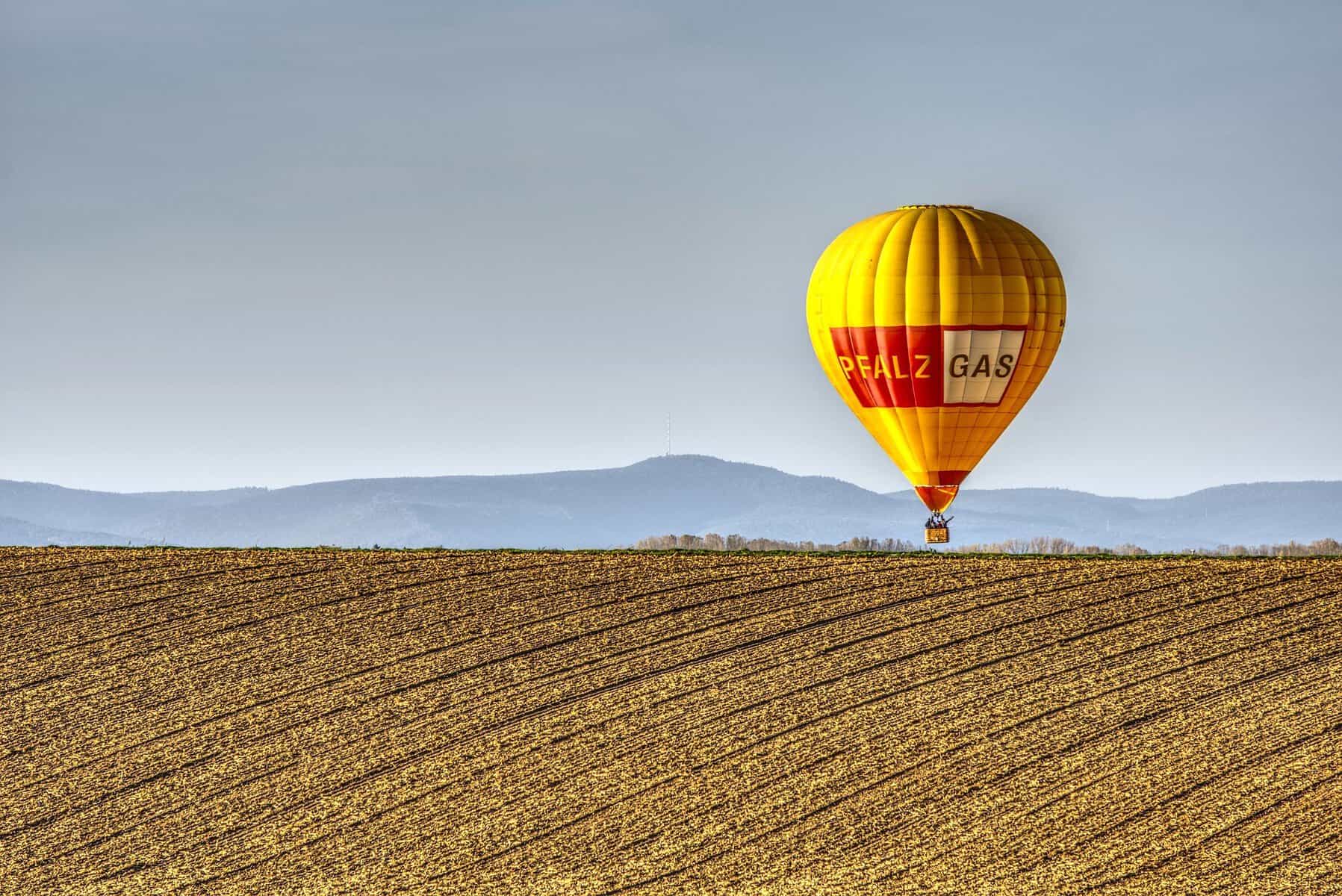
Hot air balloon near Roxo Dam | Barragem do Roxo
Beja lies at the heart of an agricultural region rich in grain fields, orchards, and vineyards.
The whole of Baixo Alentejo is essentially a plateau between the mountains to the east and south, making it an ideal place for hot air ballooning.
One place to take a balloon ride is near the lake formed by Roxo Dam, about half an hour from Beja. It is operated by the company Emotion – Life on adventure.
This can be a wonderful experience during a trip through Baixo Alentejo. The lake created by the dam also attracts many water birds.
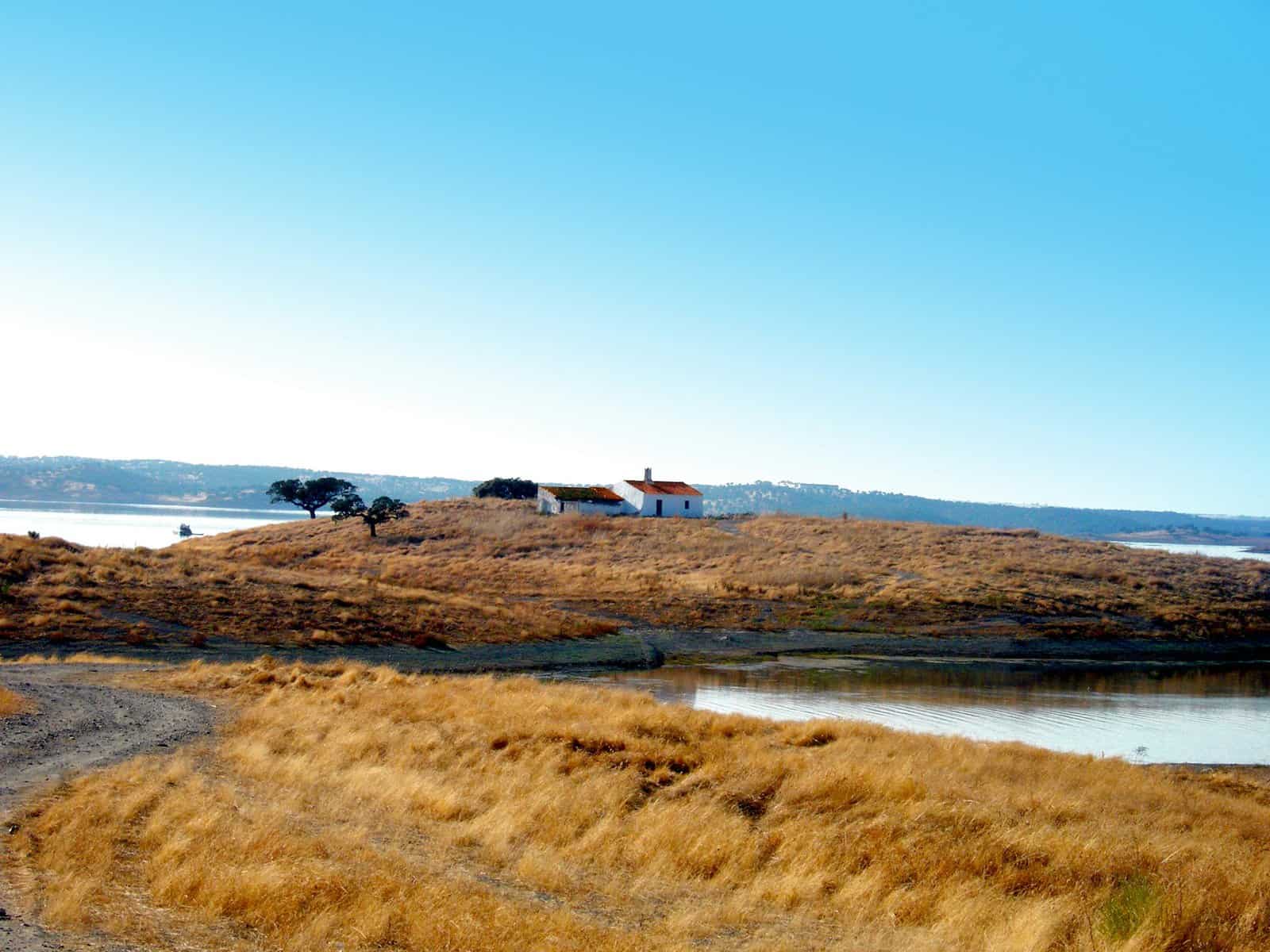
Cinco Reis lake beach | Praia Fluvial dos Cinco Reis
Very close to the Roman ruins at Pisões, there is a beach on an artificial lake created by damming streams and collecting rainwater.
Because Beja is far from Portugal’s coast, a local initiative brought in golden sand and created a fairly large artificial beach here.
That means residents have a particularly pleasant sandy beach just 15 minutes from Beja. Parasols have been installed, there is a bar, and overall the site is impressively well developed for a lakeside beach.
The bonus is the chance to watch water birds appearing from every direction around this freshwater lake.
The beach is open only in summer, from June to September. There is a large, organized parking area at the entrance.
Click here for more information and opening hours…