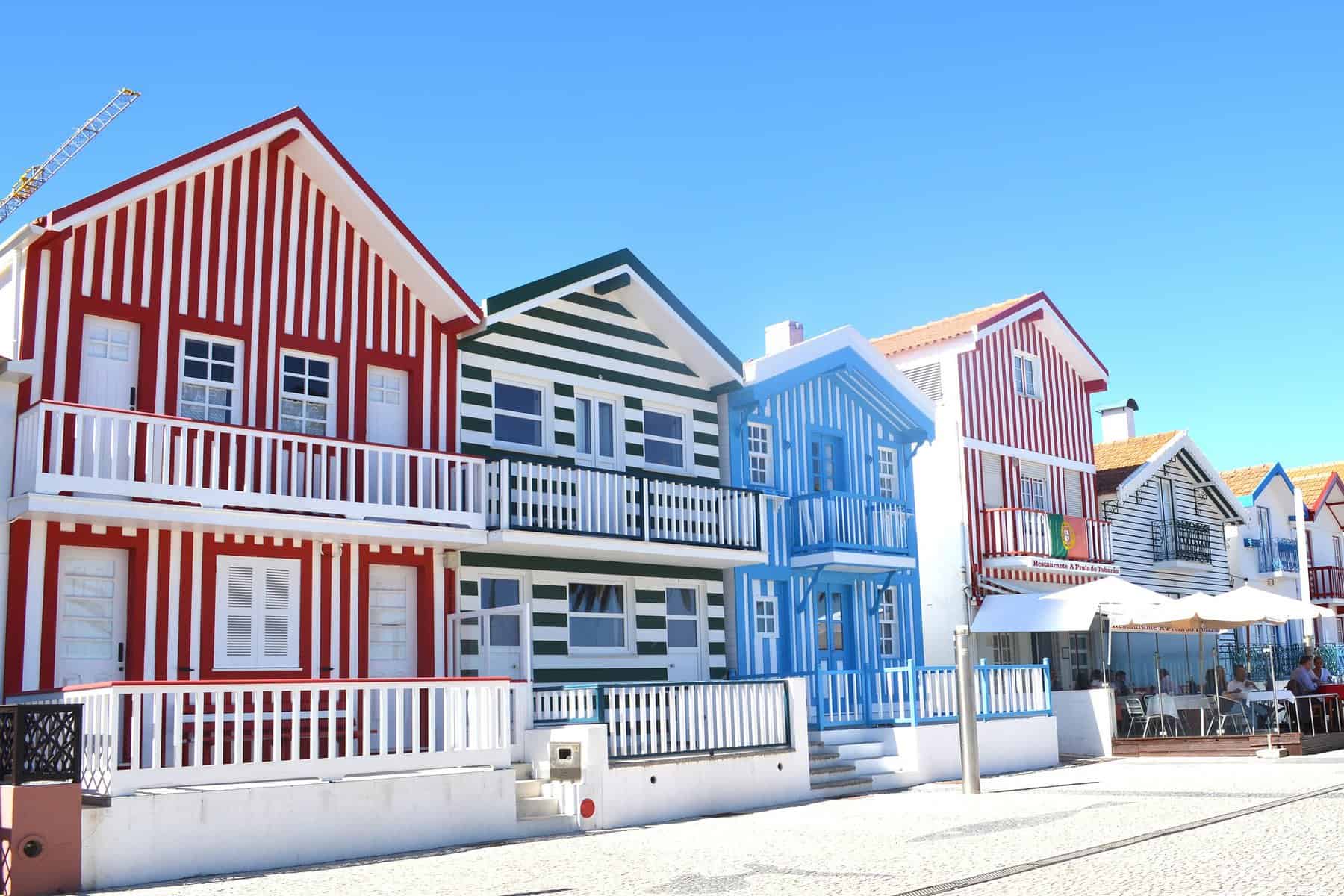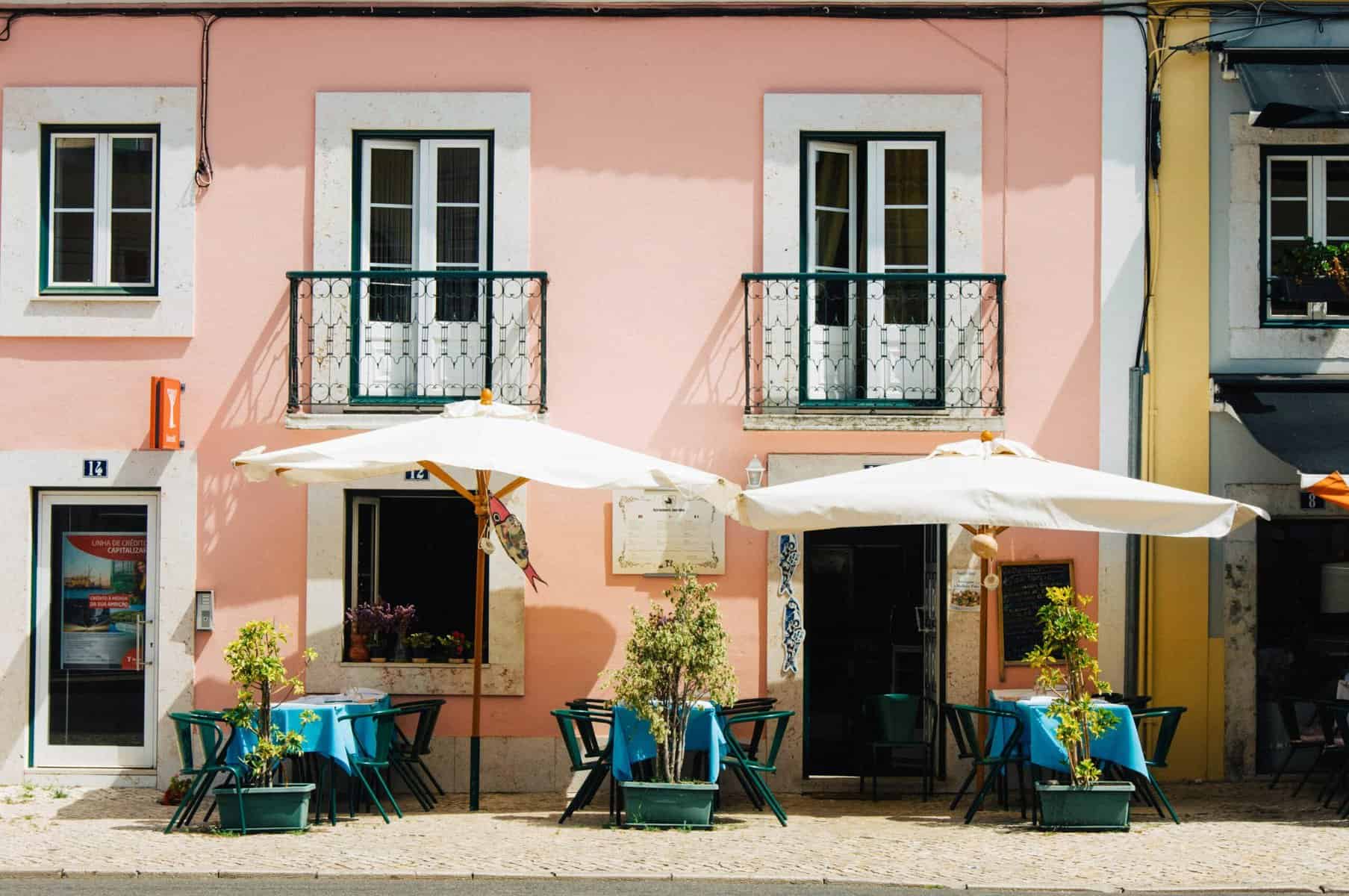
Portugal in winter is a great choice for travelers looking for milder weather than much of Europe, better prices, and fewer crowds at the main sights. Winter in Portugal runs from December through March. Even in the colder season—which is far less freezing than in the north of the continent—you can still travel comfortably in the main cities, Lisbon and Porto, as well as in regions like the Algarve. It’s a wonderful time to enjoy Christmas events and New Year lights, watch giant waves in Nazaré, and even find snow in the Serra da Estrela. On top of that, the Island of Madeira offers a warm, green, and pleasant winter.
10 top things to do in Portugal in winter
- New Year’s Eve fireworks in Madeira (December 31) | Funchal
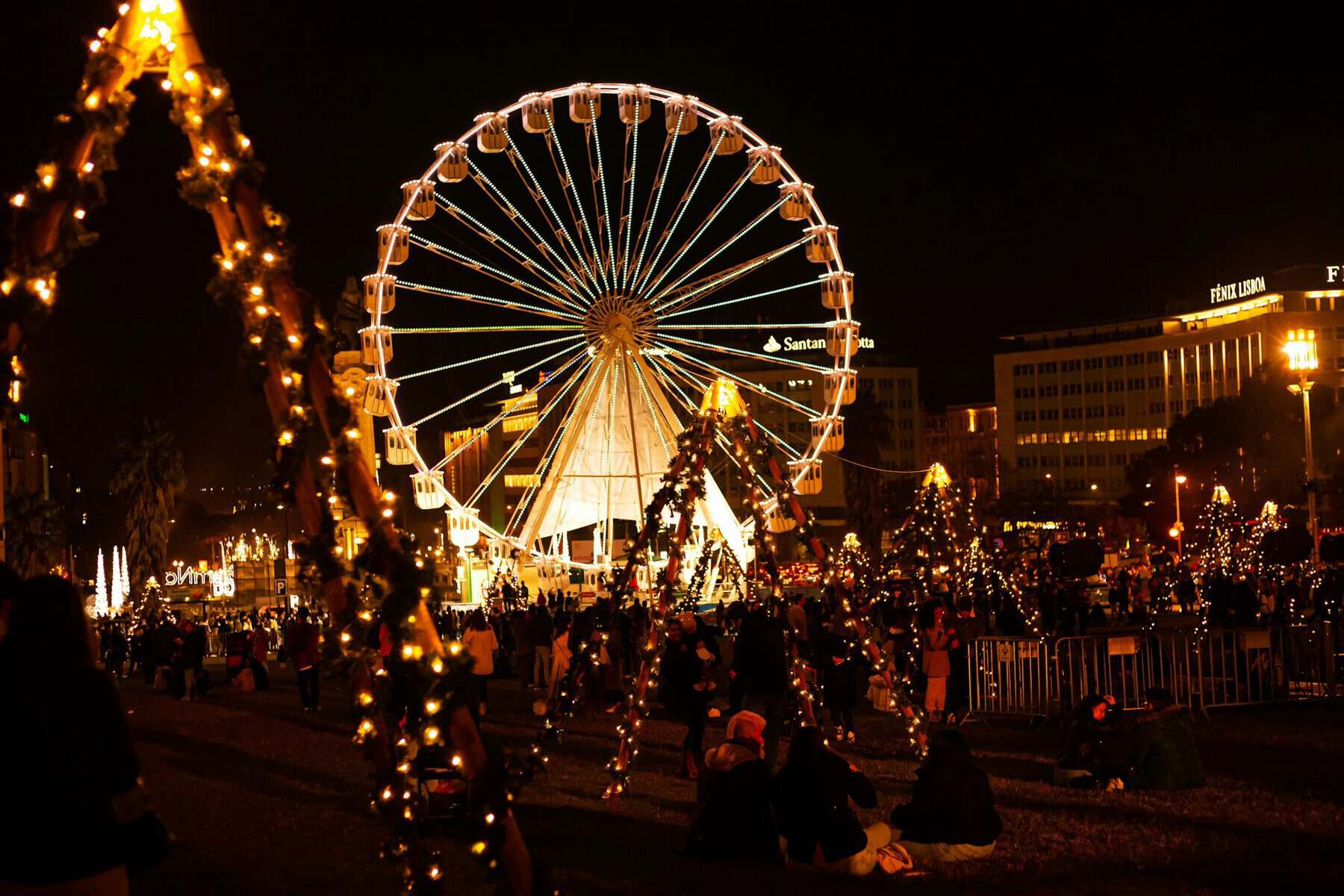
- Wonderland Lisboa – a Christmas complex in Eduardo VII Park (November–December)
- Blossoms in the Algarve – in the mountains (February) | Monchique Algarve
- New Year’s parties in Albufeira
- Hot springs in São Pedro do Sul (one hour from Porto)
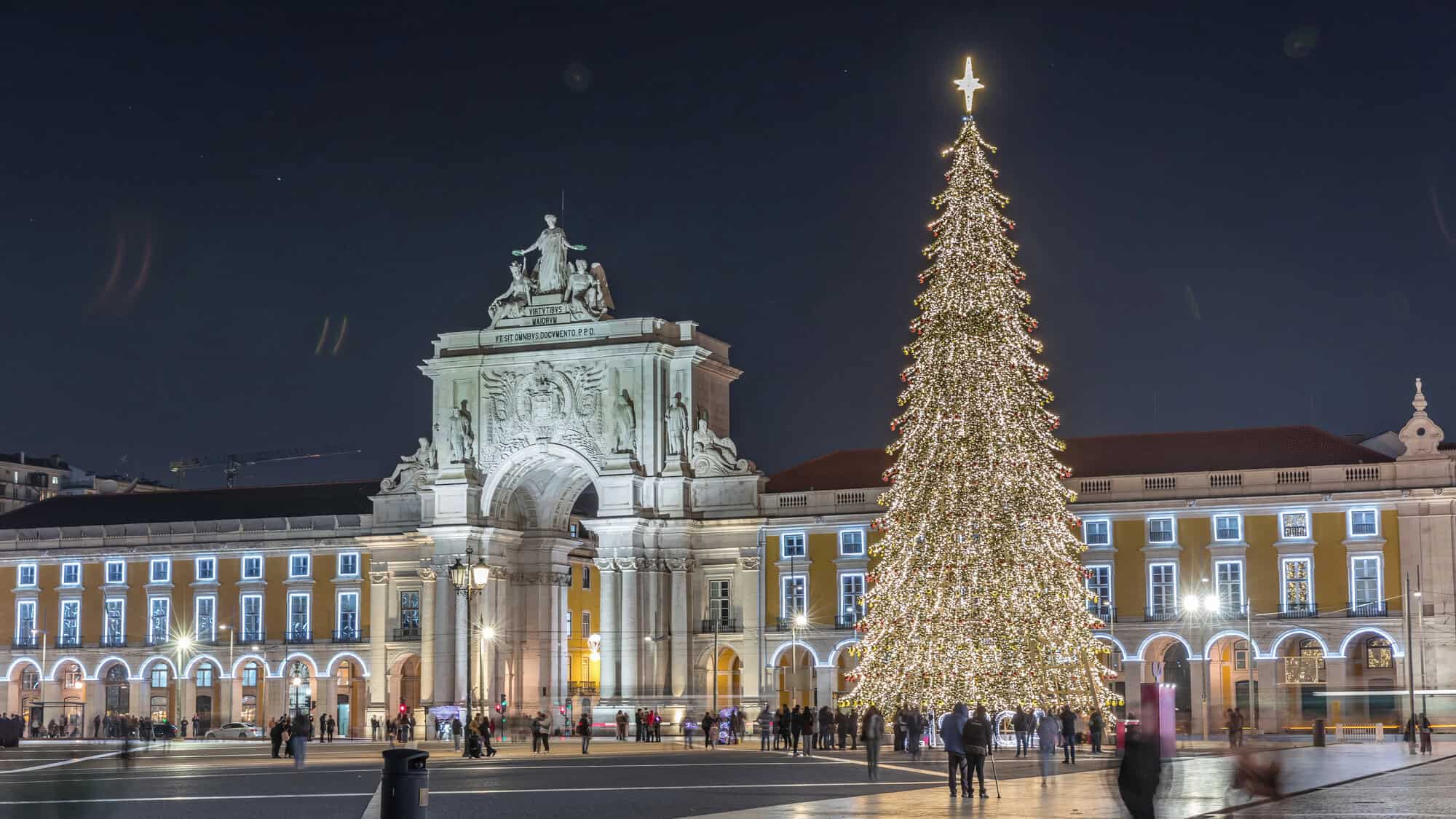
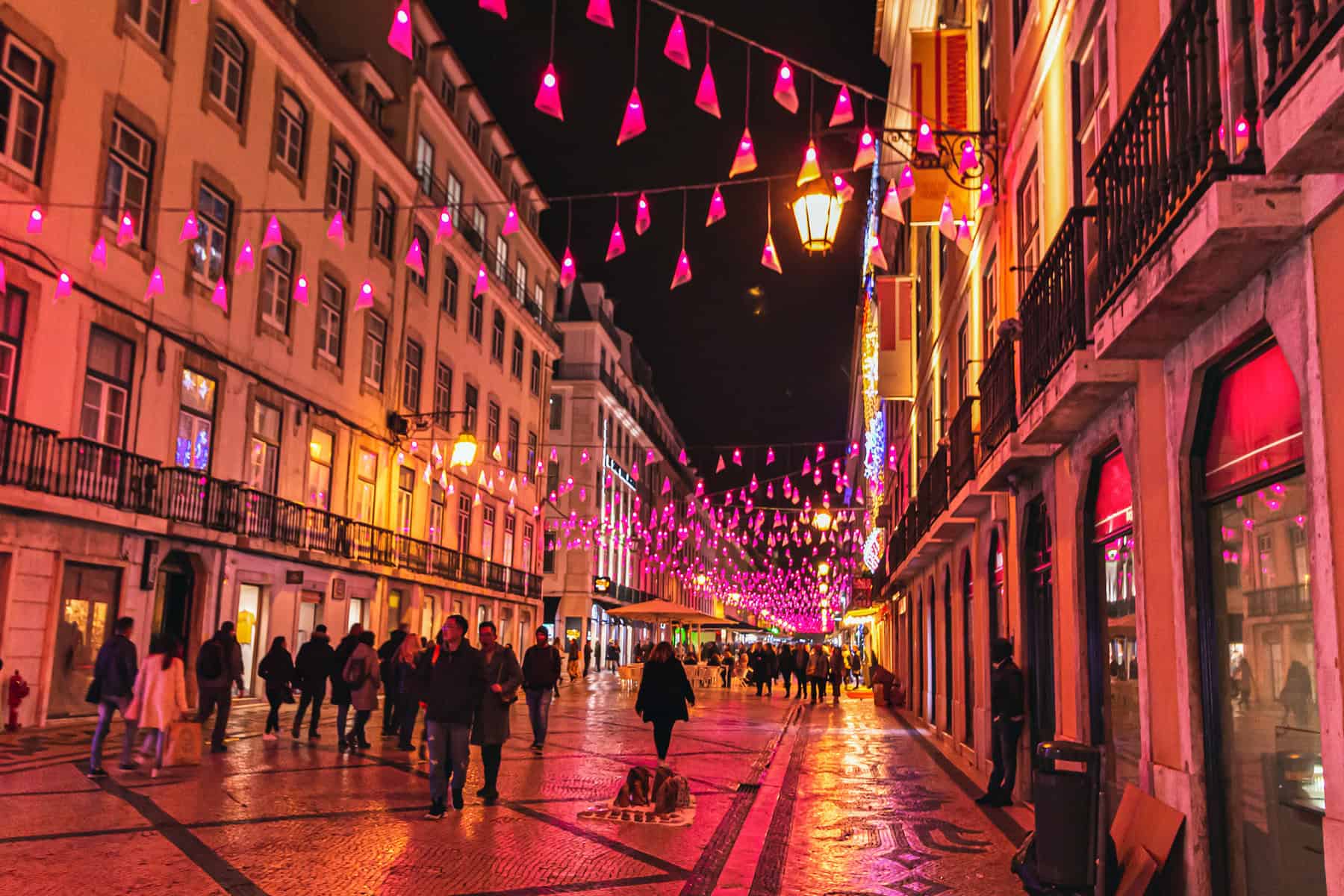
- Christmas lights in the streets of Baixa in Lisbon (from late November) | Baixa de Lisboa
- Try a francesinha – Porto’s famous toasted sandwich
- Snow and skiing in the Serra da Estrela (there is almost always snow, skiing only sometimes)
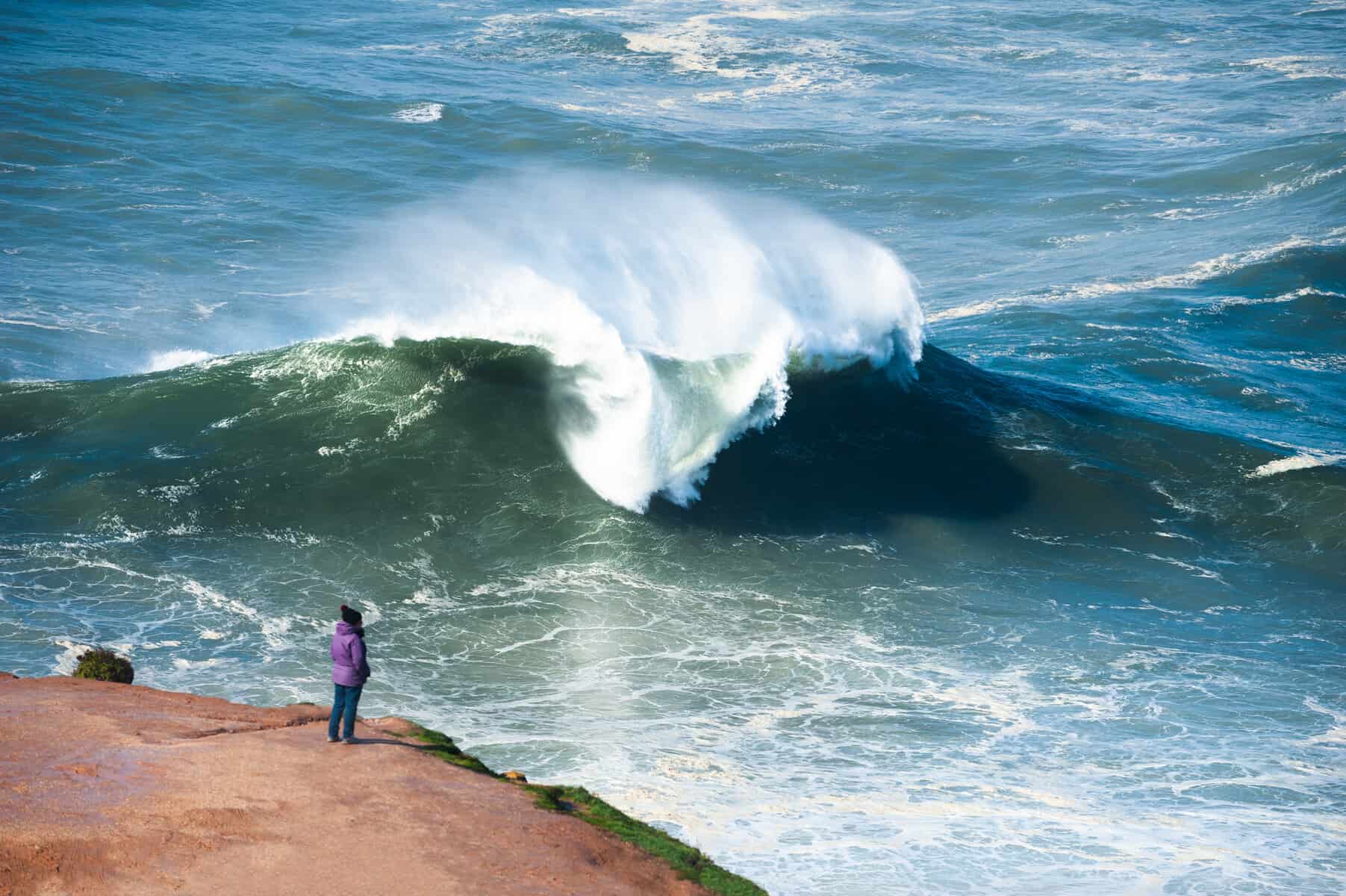
- Watch professional surfers ride giant waves in Nazaré (waves over 20 meters / 65 feet)
- The medieval town of Óbidos with Christmas lights (from late November)
Click here for the full guide to Portugal’s travel regions…

What makes winter in Portugal special?
- First and foremost, Portugal is much less cold than the north of the continent. Yes, Portugal is rainy, but in most of the country (except the north), rainy spells usually pass quickly.
- City breaks – northern Portugal is indeed very rainy, but Lisbon is much less so, which makes it a particularly good city destination in winter.
- Far fewer crowds – Portugal is extremely popular in spring and summer, so winter feels much quieter everywhere.
- Much more affordable – accommodation prices are driven by supply and demand, and with far more tourists arriving in summer, rates go up. In winter, you can find excellent deals.
- Southern Portugal, including both Alentejo and the Algarve, is drier and has relatively few rainy days. It’s too cold for swimming, of course, but walking along the coast is still very enjoyable, and this is actually a wonderful season for exploring the landscapes and open spaces of the south.
- Madeira – the island of eternal spring – is a classic winter destination. The sea may still be too cold for swimming, but the weather out and about, and across the island’s stunning landscapes, is ideal for exploring.
- Wine and port tours “without the lines” – Porto may be rainy, but that only adds to its romantic feel, and in winter the city’s compact center is far less crowded. Tastings continue in the wine lodges of Gaia (on the opposite bank from Porto) and in the Dão and Douro wineries not far from the city, only now in a much calmer, more relaxed setting.
- One of the most important things about winter travel in Portugal is being ready to change your plans if it rains. In truth, that applies to most countries, but a little more so in northern Portugal.
- Bottom line – even in winter, Portugal makes for an excellent vacation: pleasant cities, dramatic nature, warm islands, occasional snow in the mountains, and colorful seasonal events. With flexible planning and the right clothing, you’ll enjoy good prices and a more authentic atmosphere.
Lisbon in winter
Lisbon stays lively and vibrant even from December through February. Temperatures are relatively mild, usually in the upper 40s to high 50s °F (roughly 9–15°C), and beautiful sunny days often appear between rain systems. The biggest advantage is the drop in visitor numbers in Alfama and Belém, along with shorter lines at Jerónimos Monastery and better prices overall.
Lisbon is a classic winter city-break destination. As the December holidays approach, the city lights up and feels especially charming, and this is also a much more comfortable time to tackle its famous hills on foot without breaking a sweat. If it does rain, Lisbon has plenty of museums and indoor attractions, so it’s easy to adjust your plans and still have plenty to do.
What to do in Lisbon in winter
- Ride the trams and explore the steep neighborhoods, including Alfama and Bairro Alto.
- See the Christmas lights in Baixa, Avenida, and Commerce Square.
- Visit excellent indoor attractions such as the National Museum of Ancient Art, Time Out Market, the MAAT Museum, the aquarium, and more.
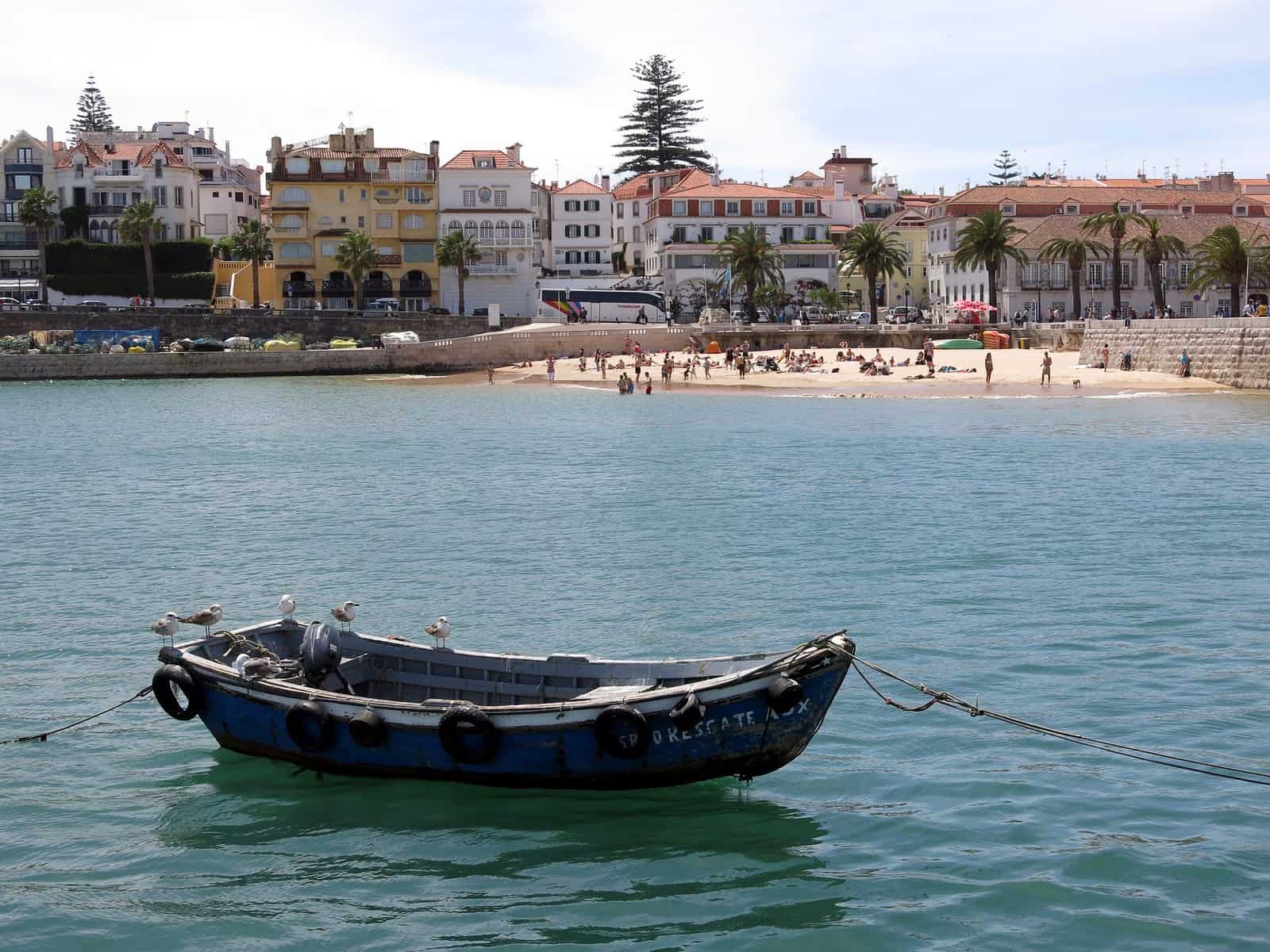
- Take short day trips to Sintra for mist-wrapped palaces, or to Cascais for a romantic walk along the stormy seafront.
Tips
- Umbrellas and layers: rain can appear suddenly, and waterproof shoes are recommended for the city’s slippery stone streets.
- Transit card: the Viva Viagem card is especially handy on rainy days when you’ll be hopping between the metro, trams, and buses.
- Warm, comforting food and drink: order Caldo Verde or a fish stew; in the evening, try a glass of ginjinha or warmed port.
Click here for our full guide to Lisbon and its attractions…
Porto in winter
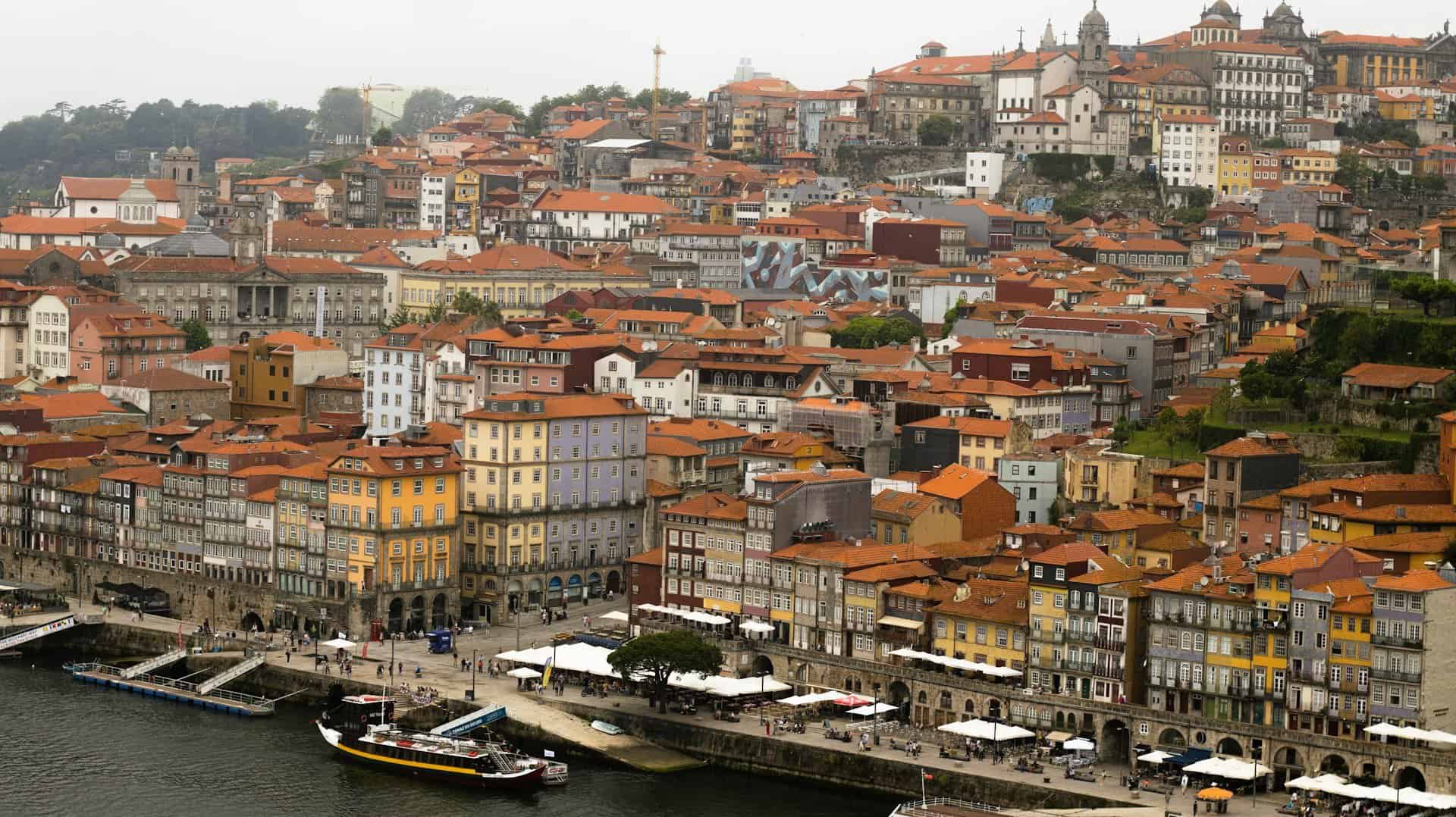
Porto is much wetter in winter, but no less romantic. At this time of year, the Ribeira waterfront feels especially dramatic, as the Douro River runs high and the water nearly reaches the sidewalk. Higher up in the city, the lanes around the central Santa Catarina street are lovely for a romantic stroll beneath gray skies, with shops, bakeries, and restaurants that are far less crowded than they are during the rest of the year.
What to do in Porto in winter
- Tastings at the port wine cellars | Caves de Vinho in Vila Nova de Gaia – fewer tourists and more intimate tours.
- Indoor sights and museums: Livraria Lello, the World of Discoveries museum, and São Bento station with its azulejo-covered walls.
- Hot soups and a francesinha – the city’s iconic sandwich and a perfect rainy-day meal.
- The February wine festival – Porto’s Essência do Vinho wine festival
Tips
- Bring comfortable closed shoes – Porto is wet and hilly, so good non-slip shoes are essential. You can buy an umbrella locally, since umbrella sellers seem to appear on every street as soon as the rain starts.
- Wineries in the Douro Valley: some wineries stay open in winter, making a day trip or half-day trip very worthwhile, especially with fewer crowds around. Check availability in advance.
Click here for the full guide to the charming city of Porto…
Check out our guide for popular day trips from Porto…
Madeira in winter
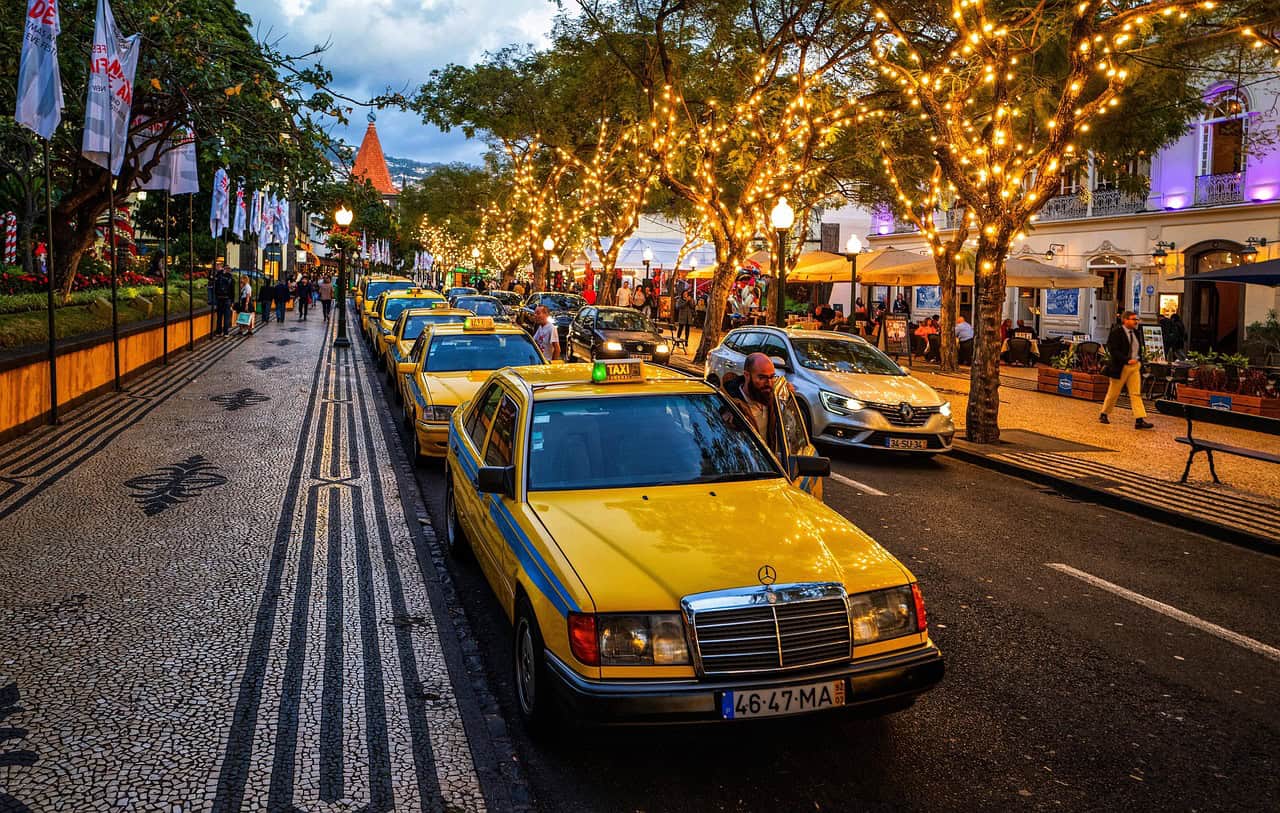
Winter in Madeira is green, fresh, and mild, usually around 61–68°F (16–20°C). It’s a wonderful escape from the European cold: the island’s famous walking trails—the levadas—are mostly open in winter as well, and this is often the most pleasant season to hike them. The volcanic beaches look wonderfully dramatic, and the capital, Funchal, is beautifully decorated for the December–January festivities.
Winter may actually be the best time to visit Madeira. Here, the colder season feels more like a European spring: fewer tourists, better prices, and the chance to enjoy everything Madeira has to offer without the summer heat and crowds.
The sea is usually too rough for swimming, though it’s beautiful to watch. In winter, it’s generally better not to stay on the windy northern side of the island, but rather along the southern coast—naturally including Funchal, as well as Caniçal to the east and Calheta to the west. Click here for the Madeira accommodation guide…
Between January and March, you’ll see the island at its best—green, blooming, peaceful, and wonderfully pleasant.
What to do in Madeira in winter
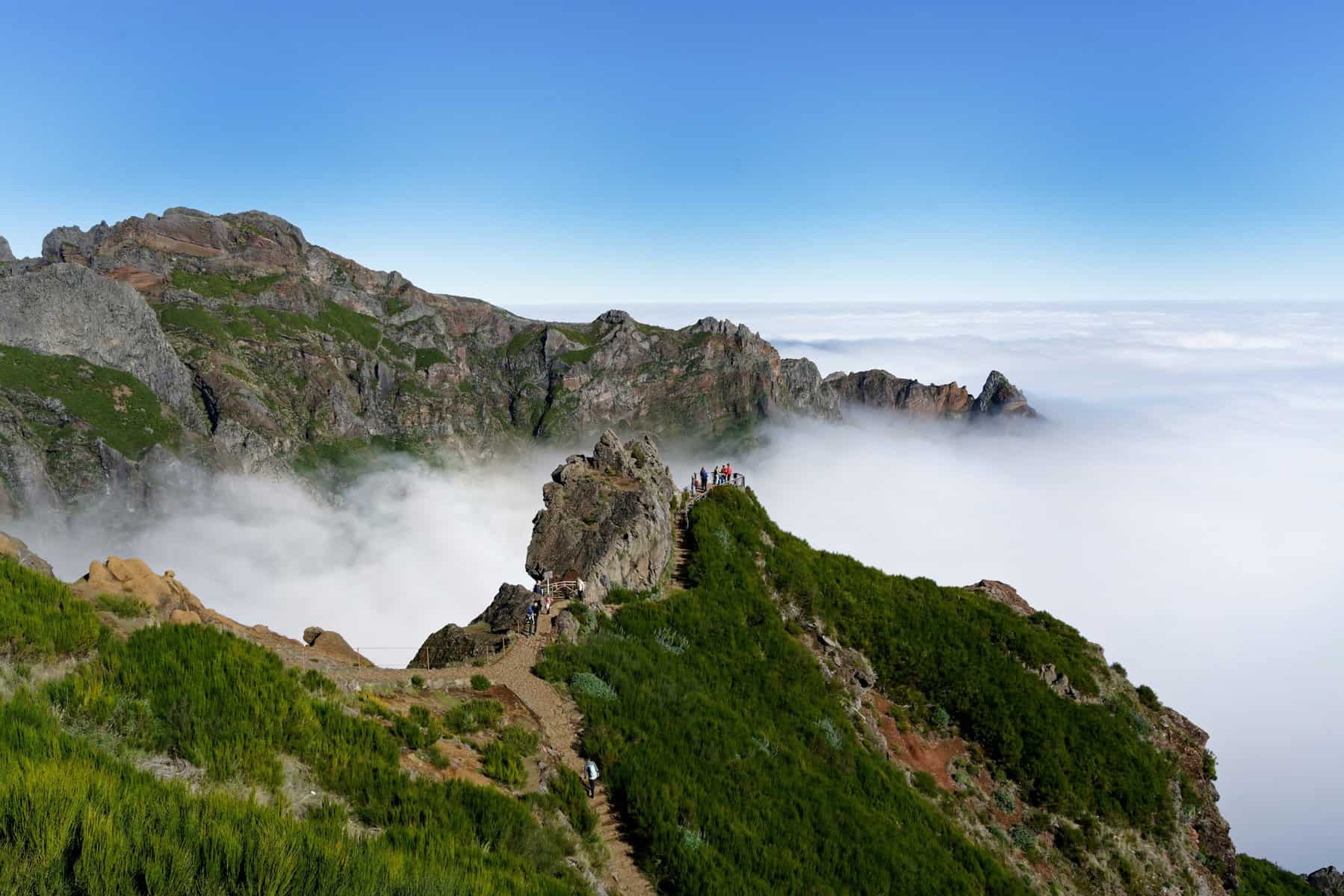
- Walk the levadas | Levadas, and explore the lush Laurisilva forest at Fanal on clear days.
- Spend New Year’s Eve under the spectacular fireworks above Funchal Bay.
- Take the cable car up to Monte and the tropical gardens; on rainy days, explore Funchal’s old town, cathedral, museums, and local Madeira wine tastings.
Tips
- Layers and proper walking shoes: it may feel warm in Funchal, but the peaks can be cold and windy. Comfortable shoes are essential even for easier trails.
- Ponta de São Lourenço – the peninsula on the eastern side of the island – is almost always warm and sunny. In winter especially, it’s a great place for a walk.
- New Year’s Eve – book your accommodations as early as possible because Funchal hosts one of the country’s biggest fireworks displays, and many visitors come to town for it.
Advantages of visiting in winter
- Fewer tourists – and good hotels at better prices.
- Pleasant weather for walking and hiking.
- Soft winter light that’s perfect for photography.
- Markets and restaurants are open, but the quieter atmosphere makes it easier to feel the true rhythm of local Madeira.
Click here for the full guide to the one-of-a-kind island of Madeira…
The Algarve in winter
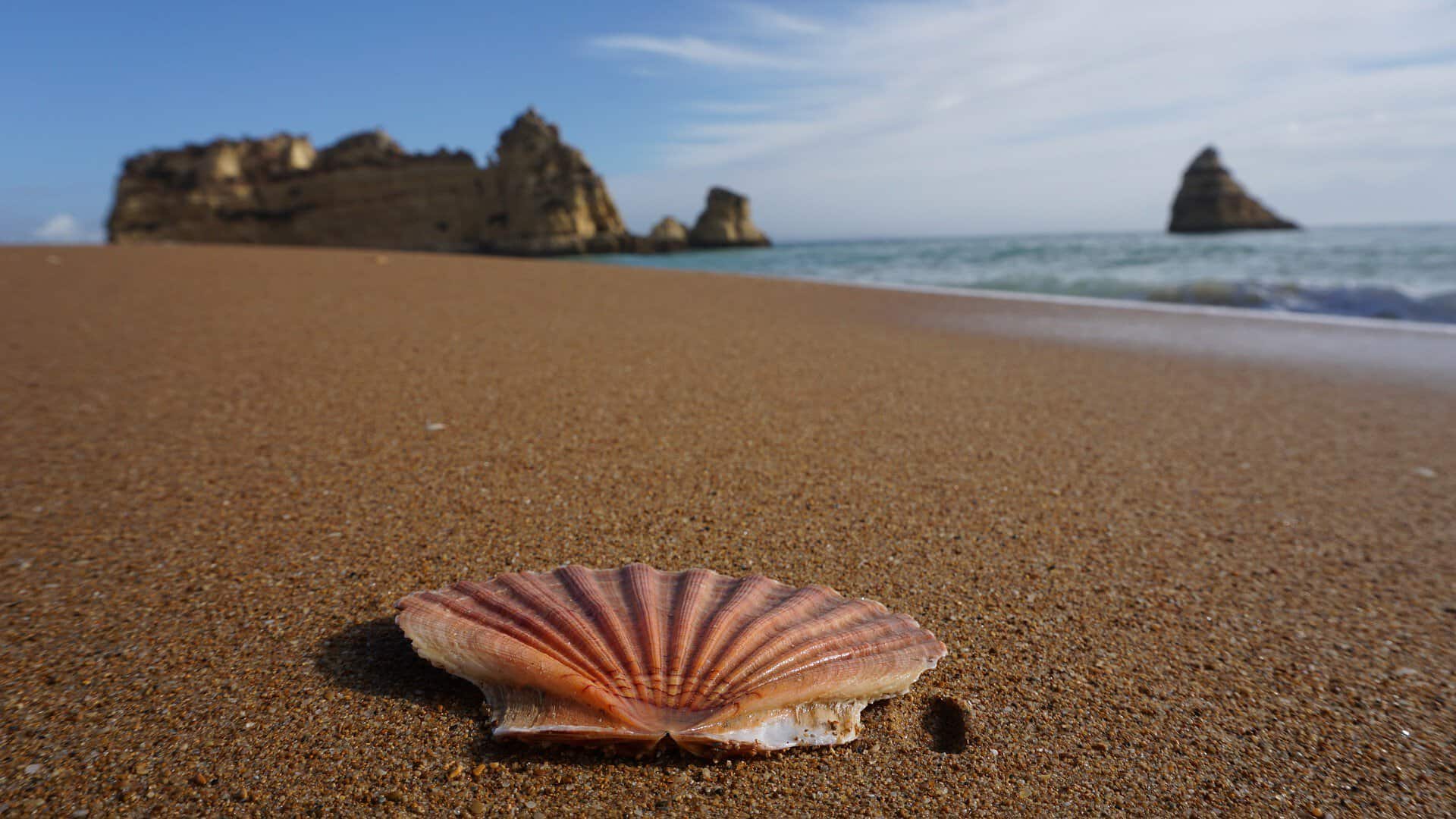
The Algarve is quieter, sunnier, and relatively drier than the rest of the country in winter. At this time of year, temperatures are pleasant for cliff walks and visits to fishing villages and nature reserves, without the summer heat and crowds. As a summer vacation destination, the Algarve does see many attractions and businesses close for the winter season. Still, outdoor highlights such as the viewpoints above the beaches of Lagos or Praia da Marinha, and of course Benagil Cave, are especially impressive when the sea is a little rougher—as long as you admire them from safe lookout points.
What to do in the Algarve in winter
- Viewpoints, cliff walks, and coves between Lagos, Carvoeiro, and Albufeira.
- Birdwatching in Ria Formosa | Ria Formosa near Faro, plus almond blossoms and seasonal blooms in the Algarve mountains in February.
- Golf in the peaceful areas around Vilamoura.
- Beautiful towns and villages in winter: Alte, Silves, Tavira, Loulé
- Faro, the capital of the Algarve, remains relatively active in winter and is much more pleasant to explore than in summer, when the sun can be intense.
Tips
- Boat trips to the caves: because the sea can be rough, only book in advance if cancellations are allowed in case of high waves.
- A car is best: in general, the Algarve is always better explored by car, since there are so many attractions and scenic spots and the distances are not large. In winter, that matters even more, as public transportation is limited and a car gives you freedom to move between towns. Click here for the Portugal driving and parking guide…
Click here for the Algarve accommodation guide…
Serra da Estrela – snow and skiing
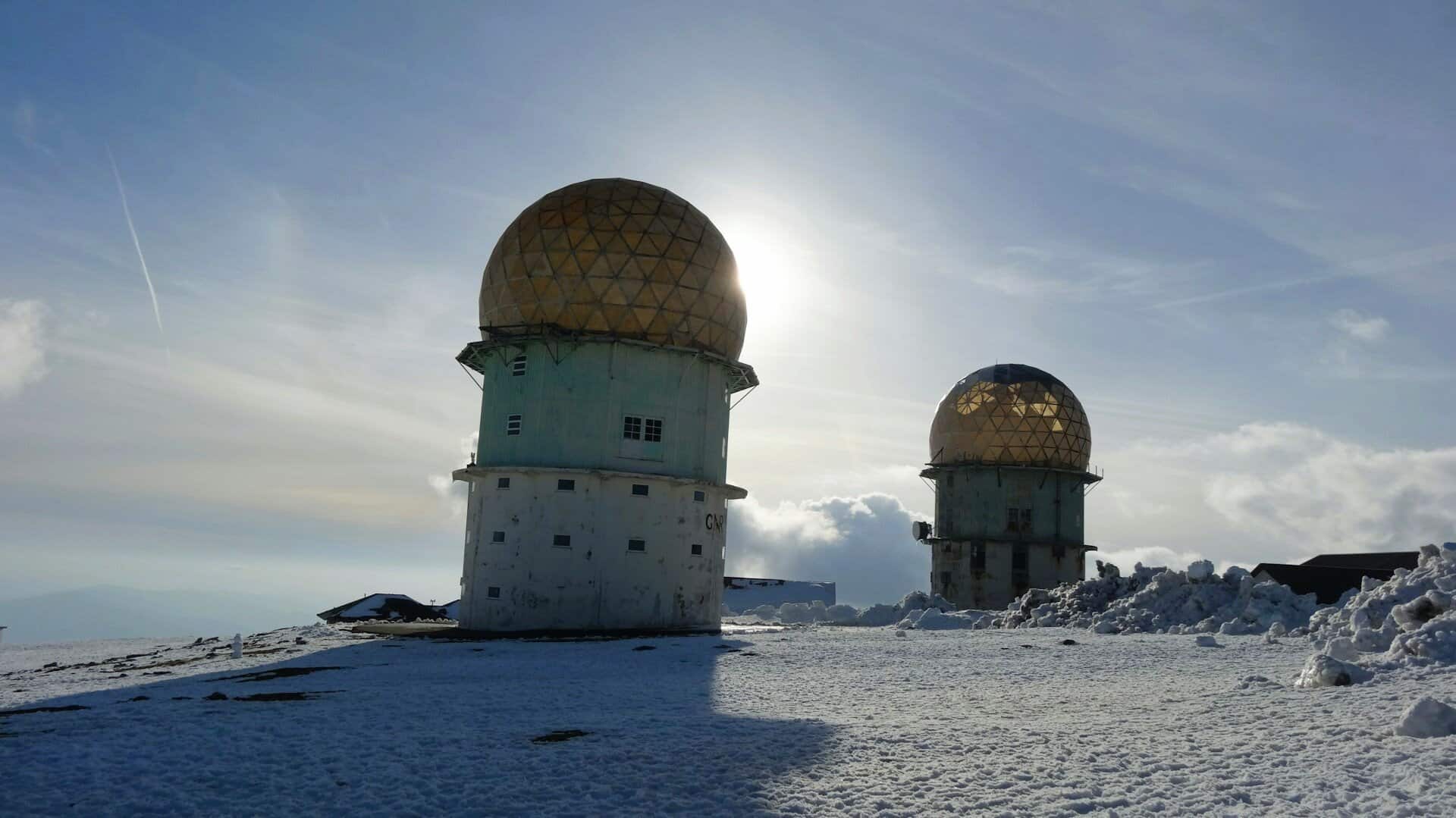
Mainland Portugal’s mountain backbone is sometimes covered in white. When there’s snow, the local ski area opens its basic facilities for skiing and sledding. Even without snow, this is a great destination for highland drives and walks, local cheeses such as Queijo da Serra, and crisp winter scenery.
So where can you ski in Portugal?
The only place with regular snow and real ski infrastructure is the Serra da Estrela, in north-central Portugal, about a 3-hour drive from Lisbon and 2.5 hours from Porto. It is the highest mountain range in mainland Portugal, reaching 1,993 meters / 6,539 feet. (Mount Pico on Pico Island in the Azores is the highest mountain in Portugal overall, at 2,351 meters / 7,713 feet.)
The main ski resort is called Estância de Ski da Serra da Estrela, located near Torre, the highest point in Portugal. It’s a small, local resort with roughly 9 short runs (about 8 km / 5 miles total), served by old but functional lifts.
This resort is best suited to beginners and families with children who want to experience snow and easy skiing, not to travelers looking for a serious ski vacation. There is equipment rental, instruction, and snow slides (sledge). Many Portuguese families come here for a “snow day for the kids” filled with sledding, snowmen, and photos.
Even if you’re not planning to ski, the winter atmosphere in the region is charming, with snowy landscapes, beautiful viewpoints, and hearty mountain food in the surrounding towns and villages.
The season with the best chance of snow is January to February.
So, is it worth it? – If you’re already traveling in Portugal in winter and want an authentic snow experience, absolutely yes. If you’re looking for a proper ski destination, no—this isn’t the right place.
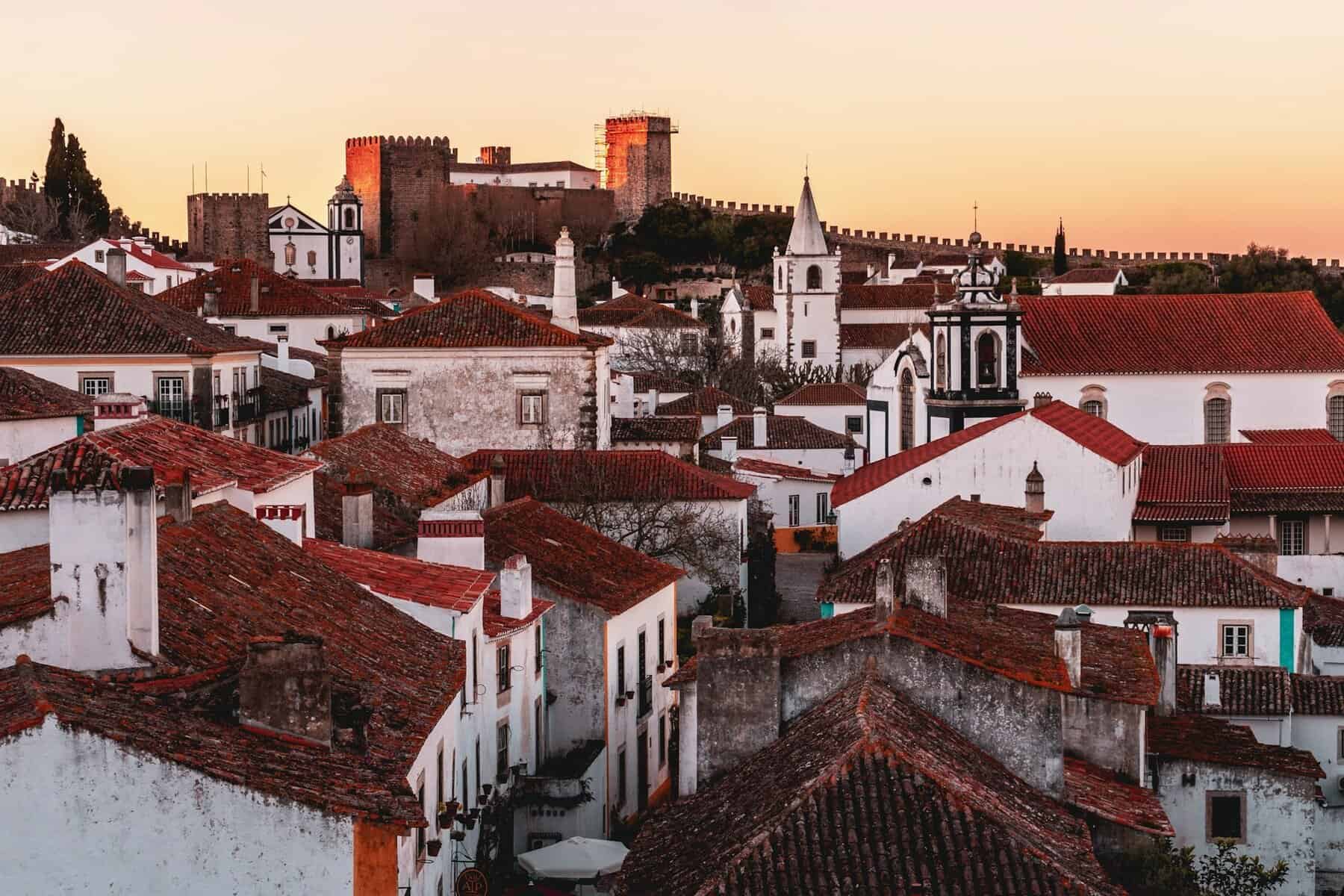
Óbidos during the December holidays
Óbidos is a walled medieval town about an hour’s drive north of Lisbon, and in winter it takes on the feel of a “Christmas village.” It’s a wonderful place to wander at any time of year, but from late November through the holiday season, it glows with festive lights and decorations. This is when its old lanes feel especially romantic, perfect for strolling, eating chocolate, and sipping ginjinha from the small stalls and shops.
Óbidos can easily be combined with Nazaré as a day trip from Lisbon, or you can stay overnight in one of the town’s charming boutique hotels and soak up the romantic winter atmosphere after dark as well..
Click here for a list of 7 popular hotels in Óbidos…
Óbidos chocolate 🍫
Óbidos is considered Portugal’s “chocolate town.” Even outside festival season (which takes place in March–April), nearly every shop offers local chocolate specialties: pralines, truffles, dark chocolate with cherry, and of course the local liqueur paired with chocolate, Ginjinha com Chocolate.
On rainy days, the main street (R. Direita) fills with a sweet aroma drifting from the bakeries. If you’re visiting in February or March, it’s worth checking the exact dates of the International Chocolate Festival — Portugal’s major chocolate event, drawing chocolatiers from across Europe with life-size chocolate sculptures, workshops, and endless tastings.
Click here for the complete guide to the medieval town of Óbidos…
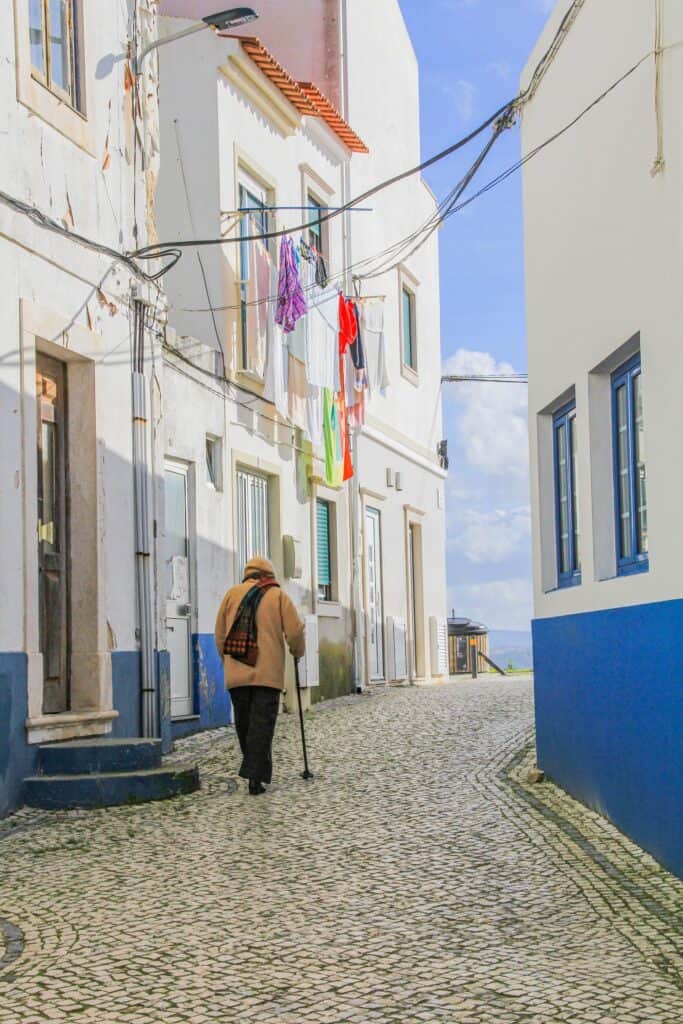
Nazaré – giant wave season
Europe’s capital of giant waves in winter. Nazaré is a lovely seaside town with a cliffside viewpoint, and it’s worth visiting year-round—especially in summer, when you can also enjoy the beach. In winter, though, one of nature’s true spectacles unfolds here, and on the right days between November and March, you can watch elite surfers “ride” towering walls of water off the Sítio cliffs.
Nazaré is a little over 1.5 hours from Lisbon and fits beautifully into an itinerary between Porto and Lisbon in either direction. There are almost always big waves in winter, but if seeing the truly giant ones is a must, you need to be ready to wait—just like the surfers do—for the right sea conditions, and that wait can sometimes last a week or more. For that reason, most travelers in central Portugal simply check the forecast, and if strong waves are expected, they adjust their route and head over. You can check the local wave website here…
If you do make it there, be sure to stay safe and avoid standing right at the cliff edge. Dress warmly, as the winds can be cold, and above all, bring patience.
Click here for the full guide to the seaside town of Nazaré…
Winter itineraries in Portugal
Winter in Portugal is perfect for slower-paced travel: quiet roads, good prices, and a more local atmosphere. Here are six classic routes, each with an option for rainy days and one for sunny days:
1) North to south – the winter classic
If rain is in the forecast: Porto – Coimbra – Fátima – Lisbon over three to four days, with short stops at museums and indoor attractions.
If the sun comes out: Porto – Aveiro – Nazaré – Batalha Monastery – Óbidos – Lisbon.
This route combines historic cities, remarkable monasteries, and UNESCO World Heritage sites such as Batalha, together with dramatic beaches and green landscapes. It strikes a lovely balance between culture, good food, coast, and scenery—all without the summer crowds.
2) Sunny and peaceful south – the Algarve
Southern Portugal enjoys pleasant weather even in winter. It’s too cold for swimming, but absolutely wonderful for touring around. Any route between the coastal towns and inland villages will be rewarding—just be careful not to go to cliff-edge viewpoints during stormy weather, which, as in any Mediterranean winter, arrives for a few days each month.
A fuller Algarve route: Faro – Loulé – Silves – Lagos – Sagres.
In winter, the Algarve gives you soft sunshine, empty beaches, authentic villages, and better prices.
3) Cities and culture in the center
If rain is expected: Lisbon – Sintra – Mafra – Óbidos.
If the sun comes out: add Nazaré’s winter waves and green viewpoints in Bussaco Forest.
Palaces, manor houses, dramatic coastlines, and lush landscapes after the rain.
4) The island of eternal spring – Madeira
If there’s light rain: stay in Funchal: market, wine lodges, cable car to the botanical gardens, and cafés.
If the weather is clear: Funchal – Cabo Girão – Porto Moniz – Seixal – Santana.
Expect levada walks and dramatic mountain scenery.
5) Alentejo and Évora in winter
Winter and spring are the best seasons to visit the vast Alentejo region stretching south of Lisbon. The highlight is of course Évora, the regional capital, with its expansive old town and medieval atmosphere. But the rural landscapes are beautiful as well, and the small towns and villages are absolutely worth seeing.
Suggested route: Lisbon – Évora – Estremoz – Monsaraz Castle – Beja.
Click here for a selection of 7–10 day Portugal itineraries that can also work well in winter…
Hot springs in Portugal (mainly in the north)
Winter is the perfect time to visit Portugal’s hot springs. Natural waters at temperatures of 95–104°F (35–40°C) have been flowing here since Roman times, offering a warm, healthy, and deeply relaxing experience in the colder season.
Why winter? Besides the smaller crowds and better prices, there’s simply nothing like soaking in hot water while the air outside is cool and crisp.
A few places with hot springs include:
1. Chaves
A classic spa town in northern Portugal near the Spanish border. Its original spring emerges at 73°C / 163°F—among the hottest in Europe—and the modern Termas de Chaves offers pools, treatments, and spa facilities. The town of Chaves itself is attractive and full of history, with a Roman bridge, a small peaceful old center, and even a surprising modern casino hotel overlooking the city. The surrounding area also has several thermal spa sites and even large spa hotels, so if you enjoy this kind of getaway, it’s easy to stay a few days.
2. São Pedro do Sul
The country’s largest thermal spa complex is located not far from the city of Viseu in central/northern Portugal. Here you’ll find water at 38°C / 100°F and a treatment center that operates year-round. The surroundings are green and mountainous, with a very peaceful feel. On rainy days especially, a visit here is simply perfect.
3. Caldas de Monchique
These springs lie in the mountainous Algarve and range from 31–33°C / 88–91°F. The small complex, surrounded by forest, offers a warm indoor pool and spa treatments. Monchique sits in the mountains of western Algarve above the coastline and is known both for the beautiful natural setting and for this intimate spa spot. You can stay here overnight or simply include it while vacationing in one of the Algarve’s coastal towns.
4. Unhais da Serra
In the heart of the Serra da Estrela, close to the snow. The H2otel has indoor and outdoor heated pools with dramatic winter views. It pairs especially well with a visit to the ski area. This is both a hotel and a spa center, so if you’re making the trip, it’s worth considering an overnight stay. Click here for photos, reviews, and prices for the spa hotel…
Winter activities in Portugal with kids
Winter in Portugal can work very well for families, especially those who enjoy spending time outdoors. The weather here is much milder than in northern Europe, and the farther south you go, the better it becomes for nature outings. It’s true that attractions kids often love, such as water parks, are closed in winter, but the Lisbon Oceanarium and Porto’s World of Discoveries museum are certainly open year-round. In the southern regions of the Algarve and Alentejo, winter can be a wonderful time for nature walks and beach outings on calmer days. Madeira, meanwhile, is fantastic for family travel, especially along the island’s scenic nature trails, which can feel even more misty and mysterious in winter. Here are a few ideas by region:
Click here for the full guide to traveling in Portugal with kids…
Lisbon with kids in winter
Outdoors (clear days): ride Tram 28 through the narrow lanes, stroll the Belém waterfront with a Pastéis de Belém pastry, visit the Cristo Rei viewpoint, and spend time at the Lisbon Zoo.
Indoors (rainy days): the Oceanário, Pavilhão do Conhecimento science museum, the National Coach Museum, and indoor shopping centers such as Colombo or Vasco da Gama.
Click here for more detailed information about Lisbon with kids…
Porto with kids in winter
Outdoors (clear days): walk along Ribeira and Dom Luís I Bridge, take the “Six Bridges” cruise in calm weather, and visit the gardens of Palácio de Cristal.
Indoors (rainy days): the interactive World of Discoveries museum, a visit to Lello bookshop, and cafés with sweets along Ribeira or on Santa Catarina street higher up in the city.
The Algarve with kids in winter
Outdoors (clear days): walk the nearly empty beaches between Vilamoura and Lagos, look for shells and cliffs, and take a short trail in the Monchique area.
Indoors (rainy days): hot springs in Monchique | Caldas de Monchique, and a quiet wander through towns such as Loulé and Silves.
Madeira with kids in winter
Outdoors (clear days): easy levada walks such as Levada dos Balcões, the Cabo Girão viewpoint, the cable car to Funchal, and the traditional wicker toboggan ride down.
Indoors (rainy days): Funchal’s Toy Museum, the covered Mercado dos Lavradores farmers’ market, and visits to the gardens with a cable car ride back into town.
Click here for more information about traveling in Madeira with kids…
Where not to go in Portugal in winter!
Of course, many places in Portugal are less appealing in winter. Still, there are very few places you could say are truly off-limits at this time of year. That said, there are a couple of destinations we do consider genuinely less recommended in winter:
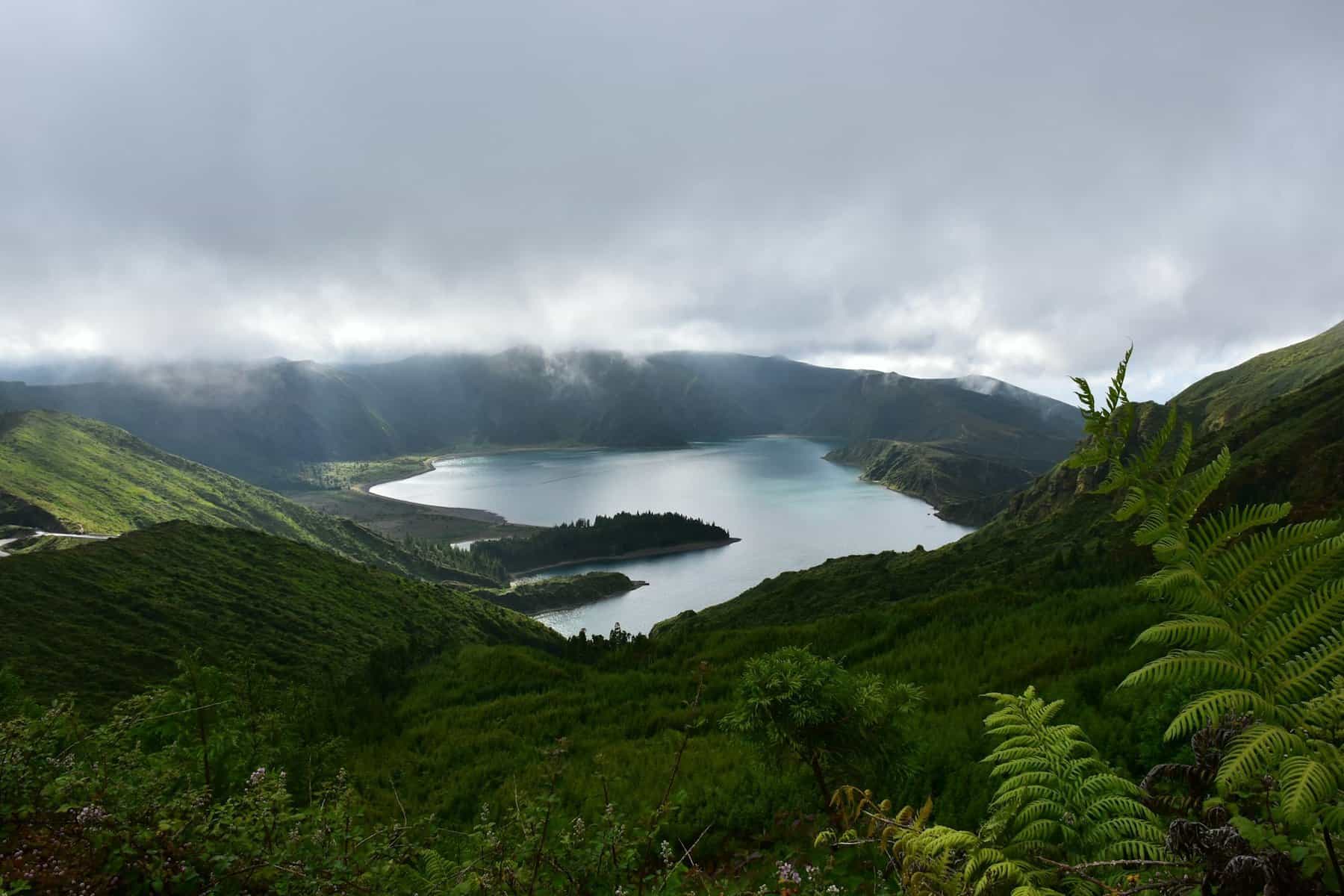
- The Azores – rainy, gray, foggy, and windswept much of the time. Since most of the Azores’ highlights revolve around nature and scenery, winter is really not the ideal season to visit.
- Traditional seaside towns along the west coast (except Nazaré) – Portugal’s west coast is cold, gray, and stormy in winter. There is simply not much reason to visit places like Peniche or Figueira at this time of year. Many businesses are closed, the atmosphere can feel empty, and strong winds are common. Nazaré is the exception because the giant waves arrive דווקא in winter, drawing many visitors who want to watch professional surfers ride them.
Click here for more articles and information about to the wonderful country of Portugal…