Portugal – the peaceful country tucked into the far southwestern corner of Europe, is quite a diverse destination while also one that preserves its relaxed and pleasant character wherever you go. Between medieval castles and golden beaches, between large vibrant cities and small sleepy villages, you will find charming landscapes, friendly people, and excellent food. All of these are just the beginning of any trip in this wonderful country. A land with a rich history in this peripheral part of Europe that became a globe-spanning empire in the 16th century. Portugal managed, despite bumps along the way, to preserve its rich culture and shape itself into the democratic and modern country that is today a major part of Western Europe and the eurozone. And along the way, it also became a global football powerhouse.
How much time do you need for a trip to Portugal?
In Portugal there are several main types of trips:
- The first is simply a long weekend in Lisbon and its immediate surroundings, and for that 4–5 days will be enough.
- The second is a trip to Porto, the nearby towns, and up the Douro River and the vineyards of northern Portugal – for that, one week will be enough.
- An in-depth trip including both Lisbon and Porto and a bit of the surroundings of each will require at least 10 days.
Why should you travel to Portugal?
- Affordable – even though it is in Europe, prices are still relatively comfortable.
- Portugal’s climate is mild, and in most of the country it is never too cold or too hot.
- The people of Portugal are generally nice, polite, and welcoming. This contributes to the relaxed and peaceful atmosphere during a trip in the country.
- The food in Portugal is tasty and fresh. Portugal is still a country with a lot of agriculture, so the ingredients are fresh and good. Portugal is especially known for wine, pastries, sausages, and of course fish.
- The long beaches – in the south, calm and warm beaches; in the west, beaches known worldwide as excellent for surfing.
- The history of Portugal is rich, and the fact that it greatly influenced world culture. As well as the architecture and works of art preserved there as a result.
- Whales – one of the only places in Europe from which you can take a not-too-distant cruise in search of the world’s largest mammal.
- Surfing – no need to go as far as Hawaii; in Portugal the waves are no less big.
The 10 most attractive destinations in Portugal
- Lisbon | Lisboa the capital city and huge metropolis of Portugal
- Porto | Porto the large and charming city of the north
- Aveiro | Aveiro the town on the lagoon with colorful houses very close to Porto
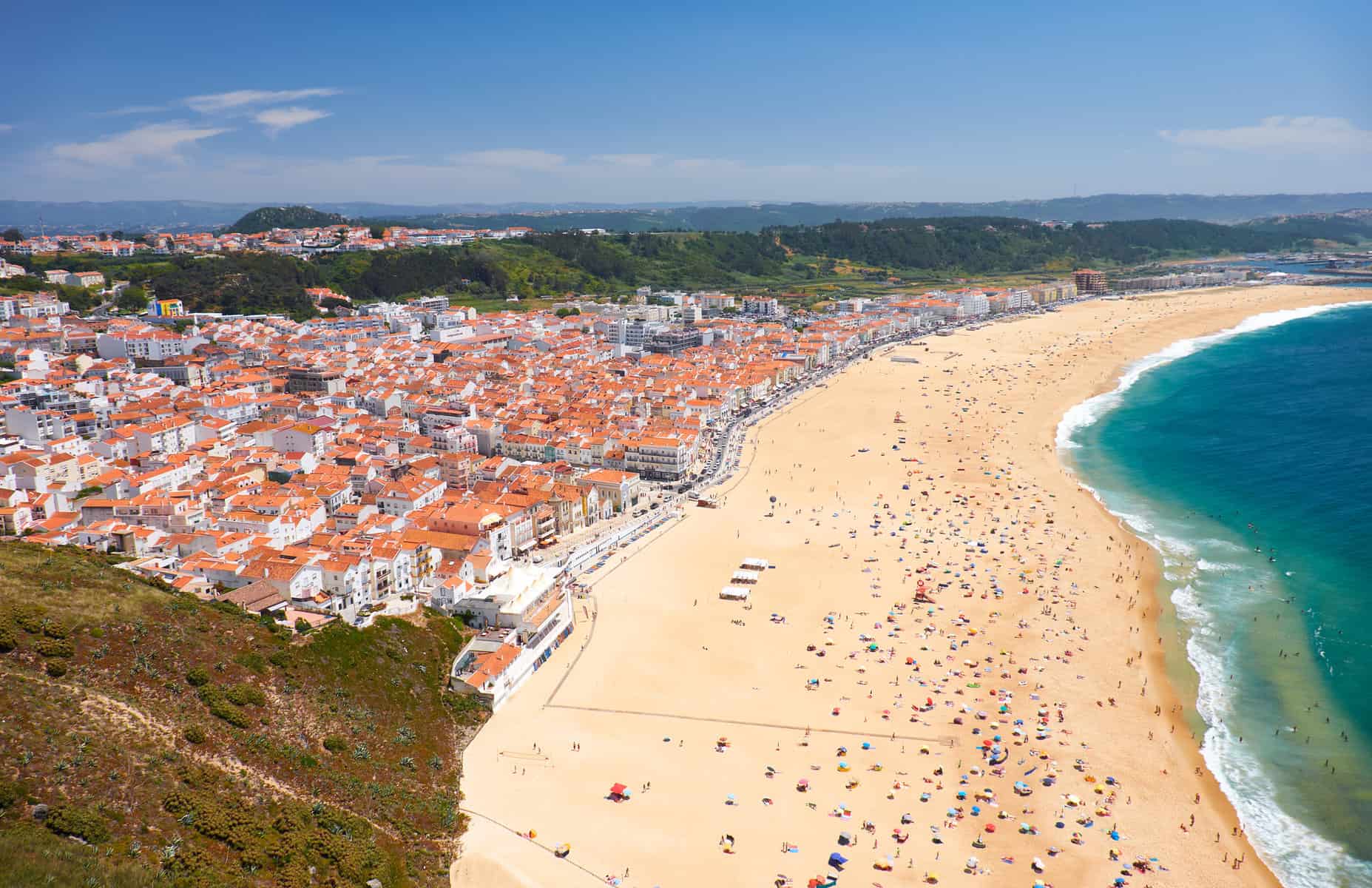
- Nazaré | Nazaré the fishing town in central Portugal, with the enormous waves and the towering cliff above
- Madeira Island | Madeira a combination of nature and perfect urban life
- Évora | Évora the capital of the southern Alentejo region with its long history
- Douro River Valley | Rio Douro sail and travel among hills covered with terraces and vineyards in northern Portugal
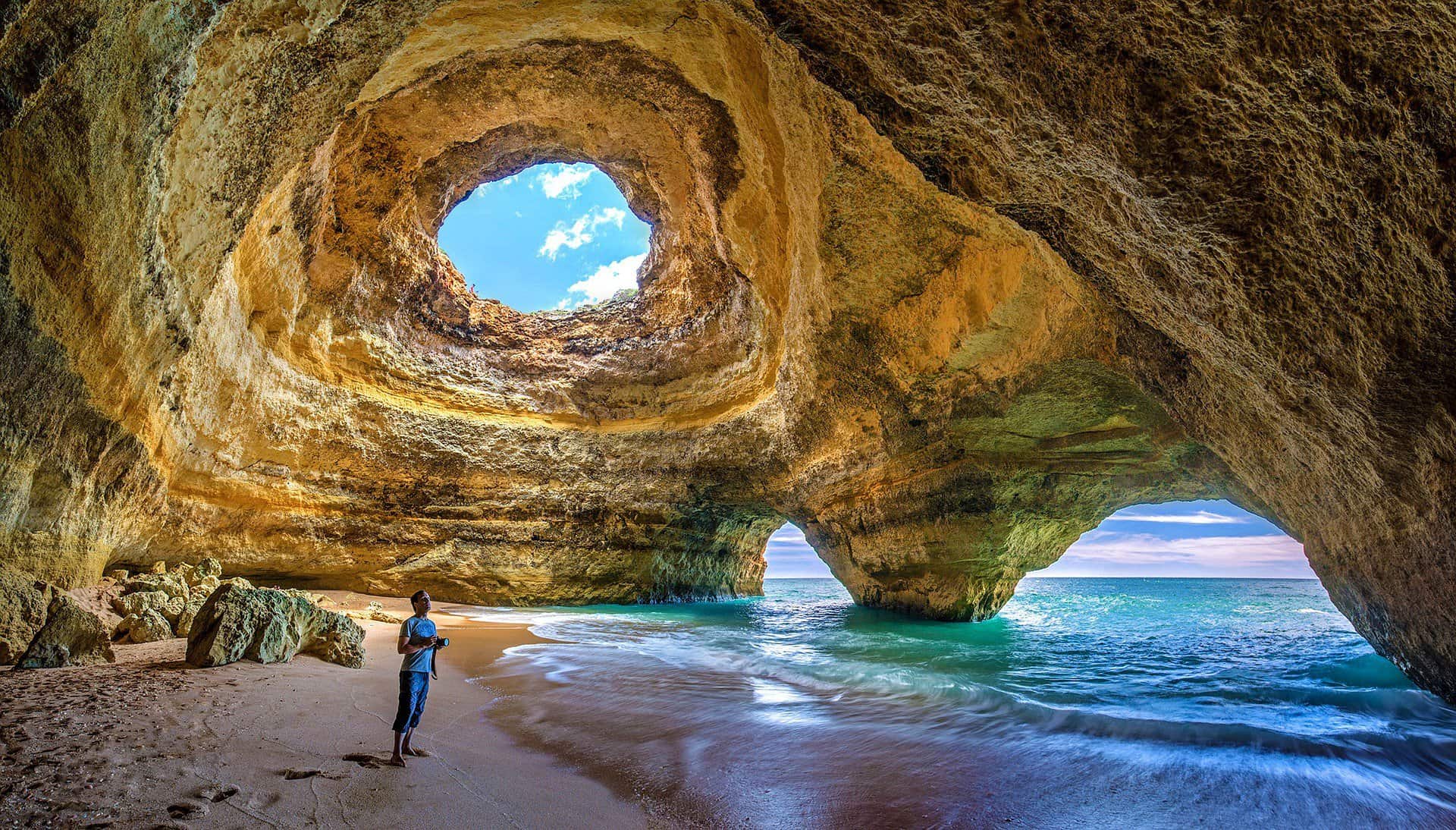
- The Algarve beaches | Algarve for a calm and wonderful summer vacation in the deep south
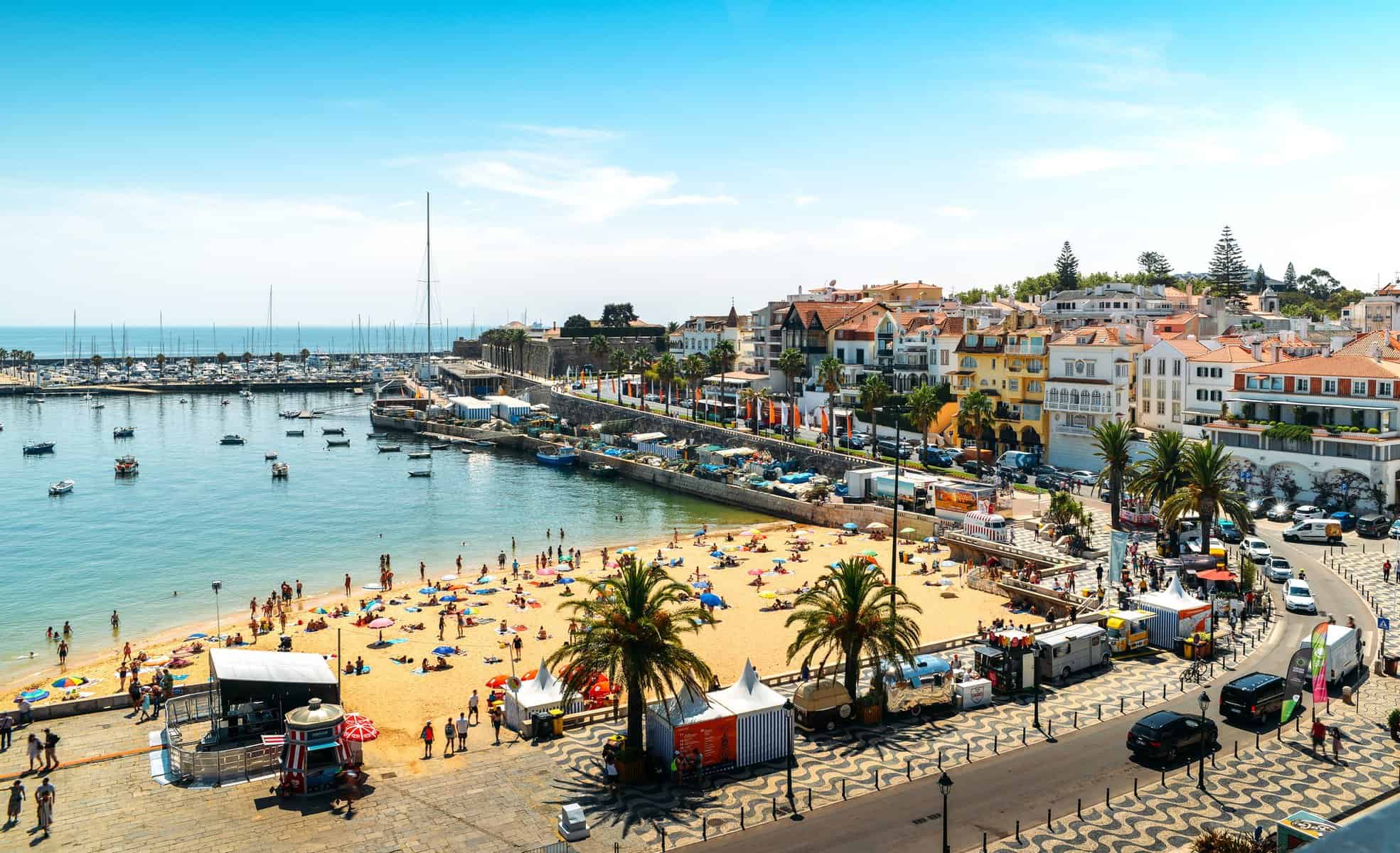
- Cascais | Cascais the luxurious and glamorous riviera that is actually a suburb of Lisbon
- Sintra | Sintra the town of kings with colorful palaces near Lisbon
Getting there, transportation, and getting around Portugal
Flights to Portugal
Portugal has three main international airports, with Lisbon Airport serving as the country’s main gateway and also offering most domestic flight options.
- Lisbon International Airport (code LIS), also known as Humberto Delgado Airport | Aeroporto Humberto Delgado. It is located within the metropolitan area, about seven kilometers north of the old city center.
- Porto International Airport – Francisco Sá Carneiro Airport (OPO) – located on the city’s northern outskirts. This is the second-largest airport in Portugal, second only to Lisbon Airport. The airport has many routes connecting the city with numerous destinations in Europe, including especially in summer direct charter and low-cost flights to and from Ben Gurion Airport.
- Faro International Airport (code FAO) – also called Faro – Aeroporto Gago Coutinho, serving the main city in the Algarve in the south. Faro Airport concentrates all of Portugal’s sun-tourism traffic, with arrivals mainly from England and Northern Europe. There are no direct flights from Israel to Faro.
How do you get around Portugal?
Rental car in Portugal
Any trip in Portugal that is not only in Lisbon or only in Porto and its surroundings is worth doing with a rental car. Almost every town or city will also have secondary sites around it, so it will be most convenient to get there by car. In addition, in some of the smaller towns, half a day of sightseeing is enough, so with a car it will be easier to continue to the next town and make better use of your time. Cars are usually parked on the edges of town centers, and in almost all of them, getting around the center is on foot.
Portugal has several highways running mainly from south to north, especially between Porto and Lisbon. There are also several east-west routes that later connect with large Spanish cities near the border: Seville (Sevilla) in the south, Badajoz (Bedajoz) in the center, and Salamanca (Salamanca) in the north. So sometimes you will see these names on road signs and know that you are heading east.
Portugal has its own “Route 1,” meaning a road that crosses the entire country and passes through rural areas from Faro in the south to Chaves in the north. It is called N2, and many choose to drive its more than 700 kilometers for a romantic and wonderful road trip.
Public transportation in Portugal
Portugal’s terrain is mostly hilly or mountainous, so its rail service is limited mainly to coastal areas. Buses go everywhere in Portugal and in some cases are the only option (especially in inland mountain towns).
Between Porto and Lisbon there are direct trains at least every hour, and they take 3 hours. Coimbra | Coimbra, the large city in central Portugal, is also a major transportation hub, and in many cases travelers change trains there on the way to their final destination.
Public transportation fares are reasonable, and of course it is worth booking in advance to save money (especially for trains).
Public transportation in Lisbon and Porto
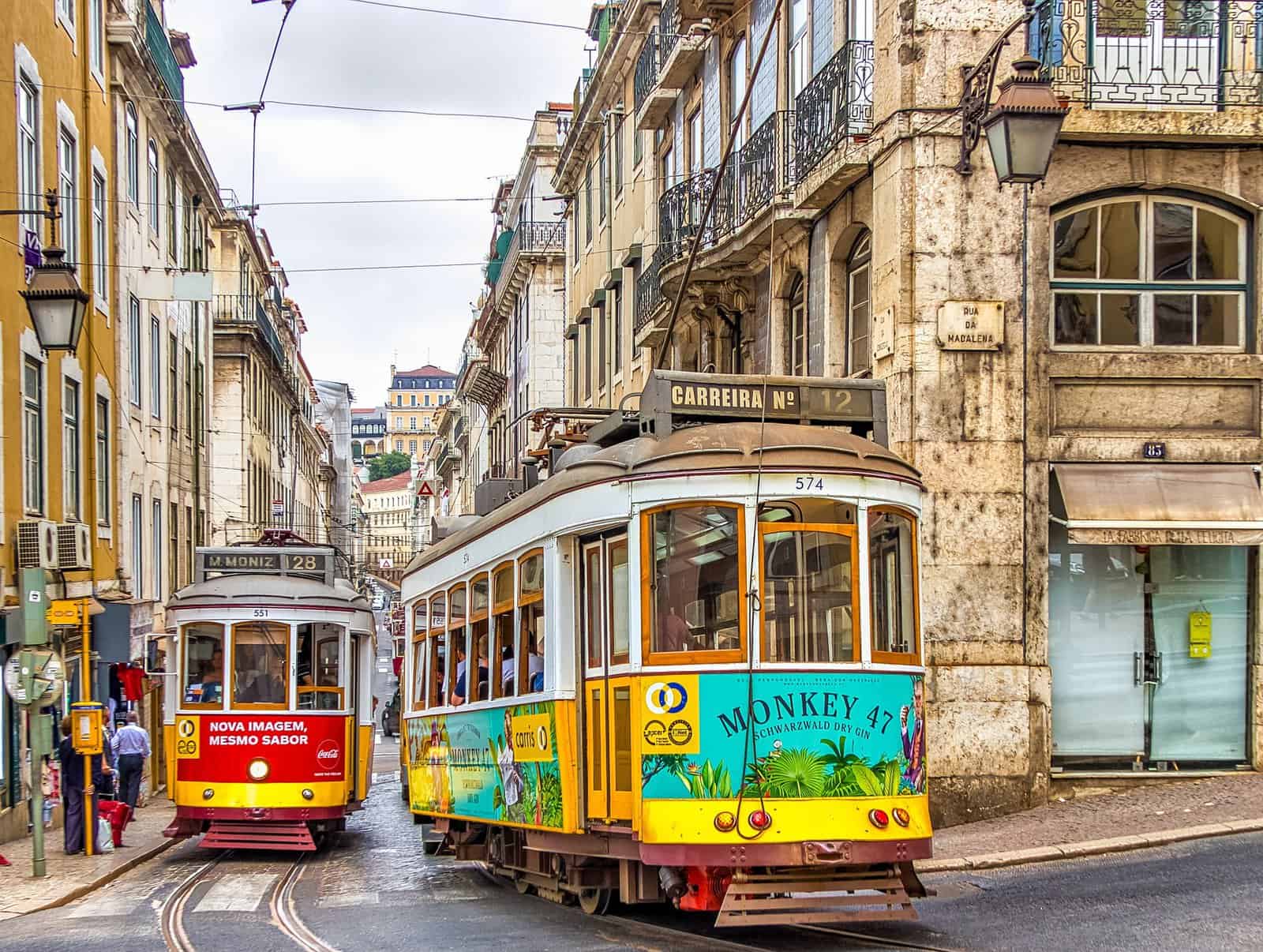
Porto and Lisbon have metro systems that are excellent for any trip in the city center. The metro is complemented by the famous trams in both cities, but especially in Lisbon, and of course there are local buses reaching almost every important center in the cities.
Domestic flights in Portugal
Portugal may not be a very large country, but it is large enough that in some cases it is worthwhile to fly between places. The busiest route is the flight route between Porto and Lisbon and vice versa. There are more than ten daily flights on the route at a cost of a few dozen euros each way, and they take a little less than an hour. There are also small airports in remote cities such as Viseu and Bragança, but flights there are on small aircraft.
To Portugal’s islands, Madeira and the Azores, there are daily flights from Porto and especially from Lisbon. On the islands themselves, a rental car will be the most convenient option for traveling outside the cities.
Is Portugal expensive?
Despite being part of the European Union and the euro currency bloc, Portugal is still a relatively affordable destination.
Certainly when compared with other destinations in Western Europe and even neighboring Spain.
Since Portugal became a democracy in the 1970s and joined the European Union in the 1980s, it has begun to develop and become more modern. However, its economy still remained somewhat behind, so prices are still comfortable. Its character and charming corners have also retained an old-world feel. This combination is what makes it a wonderful vacation destination at prices that are still attractive.
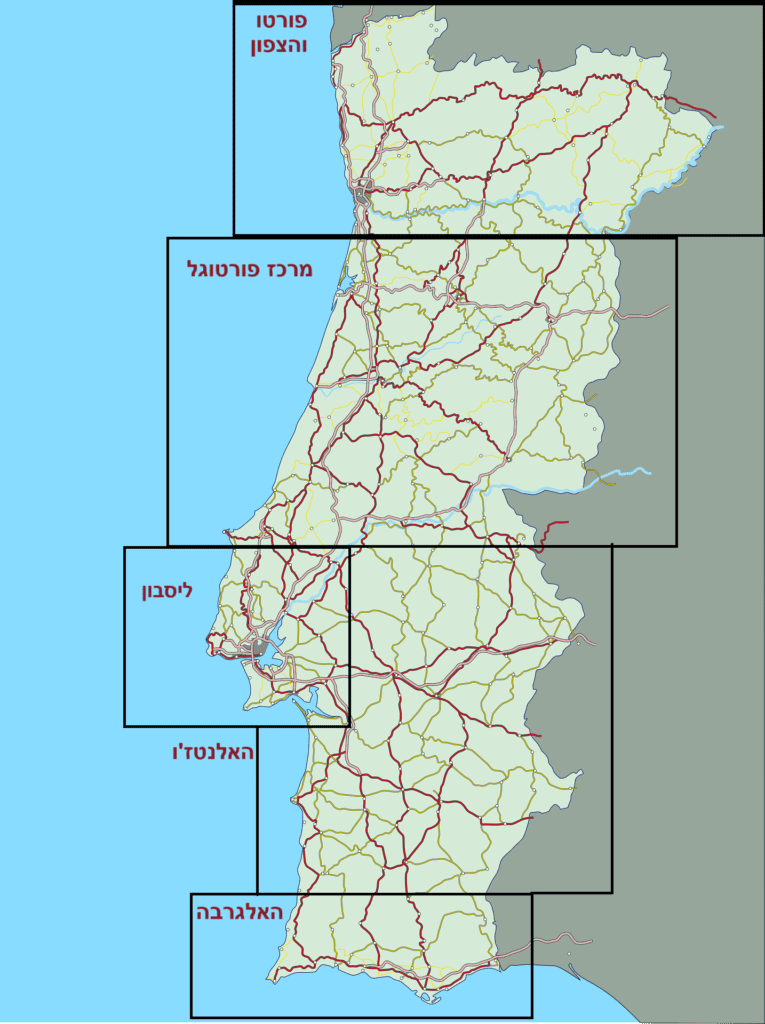
Regional divisions in Portugal
Officially, Portugal is divided into seven districts, in addition to two island groups. In practice, the two northern districts and the two central districts can be combined into five main travel regions in the country, in addition to the islands.
Porto and the North
The cities of Porto and Braga, and the stunning Douro River Valley
Central Portugal
Coimbra, the main city, and along the coast, the surfers’ towns
The Lisbon Region
The city itself, Cascais, and Sintra
Alentejo – the inland south
The largest district and also the least densely populated; the city of Évora is its capital, surrounded by fields and open spaces
Algarve – the southern coast
The entire southern coastal strip of Portugal, with lots of hotels and resorts for a laid-back beach vacation. Faro is the main city and the transportation hub of the district, including an airport.
Portugal’s islands
Madeira | Madeira – the green, almost tropical island, one giant volcanic rock rising above the water in the middle of the ocean, with its large capital Funchal known as a vacation and entertainment hub
The Azores | Açores – the island group deep in the Atlantic Ocean, one of the most isolated places in the world, with wild nature and a feeling of disconnection from the world. Ponta Delgada is the main city on the island
General information about Portugal
- Geography – Portugal is the westernmost part of continental Europe and also one of its southernmost parts. This makes it far from Europe’s centers of power, but also an excellent destination for a peaceful vacation.
- The climate in Portugal is mild and can be defined as Mediterranean. Along the coast, the weather is wonderful in the shoulder seasons and in summer. Winter and even late autumn can be very rainy, especially in the north. Inland it is cold in winter, while in the south it is very hot in summer, and in the mountainous north it is usually cool even in summer, though heat waves are possible. Portugal’s islands, Madeira and the Azores, are known for their warm and pleasant climate almost all year round.
- Time – the time in Portugal is two hours behind Israel, or one hour behind most of Europe. For example, if it is 4:00 PM in Israel, it will be 2:00 PM in Portugal. In Madeira the time is the same as in mainland Portugal, but in the Azores it is one hour earlier. That means if it is 2:00 PM in Lisbon, it will be 1:00 PM in Ponta Delgada.
- History – Portugal has a rich history that influenced the whole world. Portugal was ruled by the Romans like roughly every other place in Europe. Its medieval history is similar to that of Spain, meaning conquest by the Muslims in the early 8th century. The pushing back of the Muslims from the area that is now northern Portugal in the 11th century established the Kingdom of Portugal. Later, when the Reconquista was completed, the young kingdom grew along the Atlantic Ocean and was the one that began the age of discoveries.
- Portugal became a world power in the 16th century when it had colonies from Brazil in the west to Goa and Macau in the east. The empire began to decline after the apocalyptic earthquake in Lisbon in 1755. In the 19th century Portugal was late to join the Industrial Revolution and remained underdeveloped. In the twentieth century the country was ruled by Salazar’s dictatorship. In World War II it was neutral.
- The dictatorship came to an end in the Carnation Revolution in 1974. After that the country became a democracy, joined the European Union, and began to move toward modernity. Today it is a country with a wonderful character and excellent quality of life, as well as a European football power that worships its greatest player – Ronaldo.
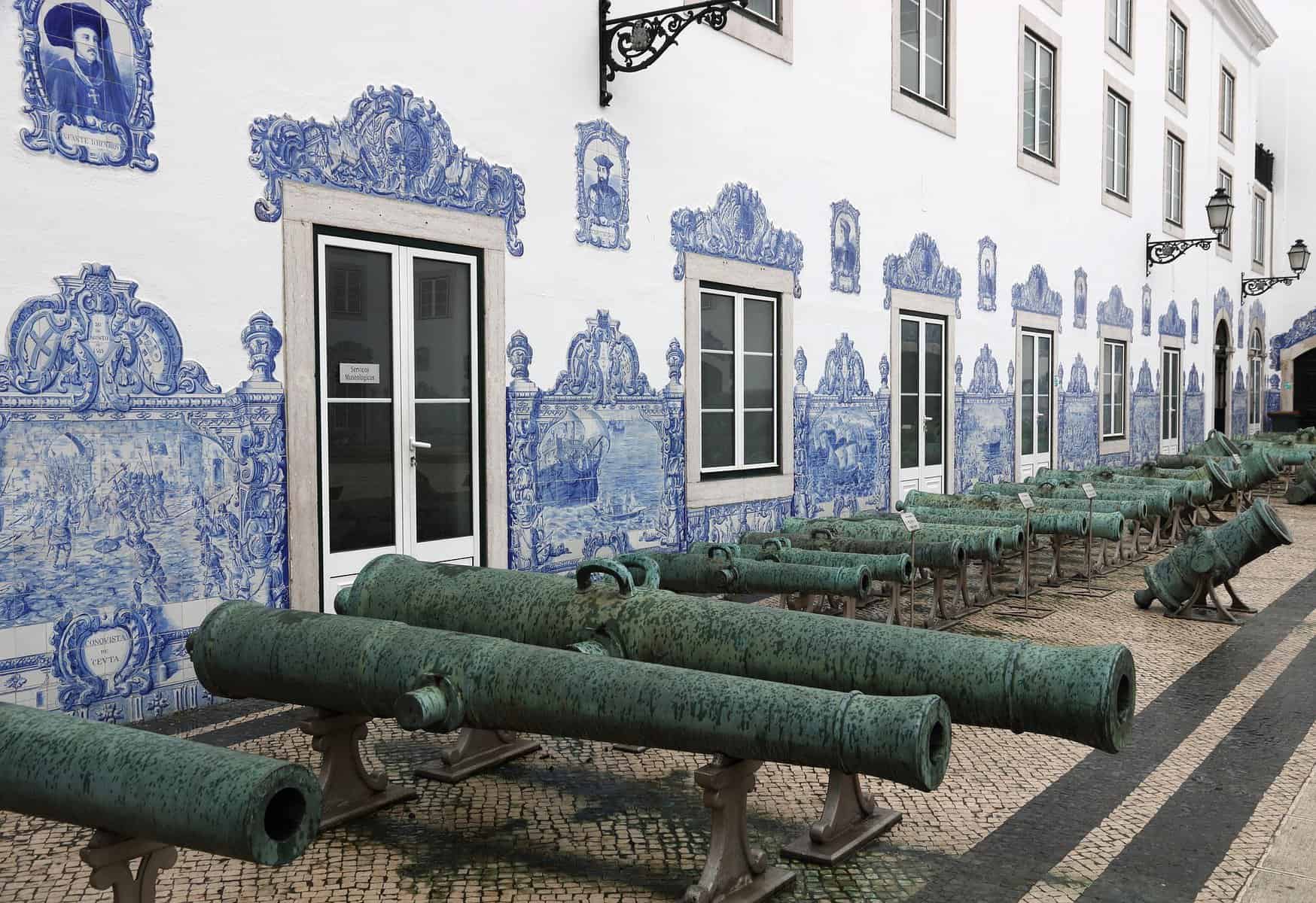
- Culture – the Age of Discovery brought great wealth to Portugal, and palaces, churches, and other buildings with marvelous architecture were built there. The buildings were adorned with works of art and lots of ceramic tiles – the blue azulejos. In the modern era too, Portugal has been blessed with world-renowned artists and architects such as the architect Souto de Moura, the painter Paula Rego, and the designer Nini Andrade Silva. Especially in Lisbon there are major museums where you can see Portugal’s treasures, but in almost every city or town there is also a museum presenting part of the fascinating past of Portuguese creativity.
When should you visit Portugal?
Portugal is a country you can visit in every season of the year. There are also differences between its various regions: north – south – islands. But overall, throughout Portugal the best season is spring. Autumn is rainy throughout Portugal, and winters are cold but not freezing. Summers are hot but not scorching, except in the inland south of Portugal (Alentejo), where it is very hot in summer.
Lisbon and Central Portugal
The city of Lisbon is a year-round destination. Its weather is similar to Israel’s, just always a few degrees cooler. That means that in summer it is hot, but less so than in Israel, and in winter colder and rainier than in Israel. Perhaps except when it is very rainy (in late autumn), any time is a good time to visit Lisbon. Central Portugal has weather similar to Lisbon’s, but the farther east you go into the mountains, the more continental and cooler the weather becomes, and vice versa in summer.
Porto and the North
Porto is a city where even in summer it is almost always pleasant and not hot; however, its winter, and that of northern Portugal in general, is very rainy and even gloomy. The far north in Portugal’s higher mountains is very cold in winter and can even get snow; in summer heat waves are possible there, but the nights are almost always cool. Therefore spring and summer are ideal for traveling in northern Portugal.
Southern Portugal – Algarve
Southern Portugal is an especially beloved destination for Europeans hungry for sunshine. Although the Algarve has developed a lot in the last twenty years, it is still remote and a bit old-fashioned, especially compared with the nearby southern Spanish Mediterranean coast, which has become a global tourism powerhouse. But this is also where the Algarve’s charm lies, as it is much calmer, more relaxed, and more pristine.
Southern Portugal is suitable for those who want a comfortable summer beach vacation at reasonable prices and with plenty of attractions for children – water parks, water sports, etc. All of this while enjoying everything Portugal has to offer: good food, a laid-back atmosphere, nice people, and open space. The entire coast of Portugal faces the Atlantic Ocean, including the Algarve, so the water is a bit cool even in summer.
Alentejo
Alentejo lies mostly inland in Portugal and also south of the center. Therefore it is the hottest region in Portugal. The ideal season to come to Alentejo and travel between Évora and Beja, its large and historic towns, is spring. Then all the open spaces between the scattered oak trees are green and filled with wonderful blossoms. Summer is very hot, and winter is relatively mild.
Portugal’s islands
Both Madeira and the Azores are year-round destinations. Note that winter too, and especially the European holiday season (Christmas, New Year’s), is a seasonal peak period on the islands because Europeans look for warmer weather and therefore travel to the islands. Therefore both summer and December–January are the more expensive seasons on the islands.
A bit about surfing in Portugal
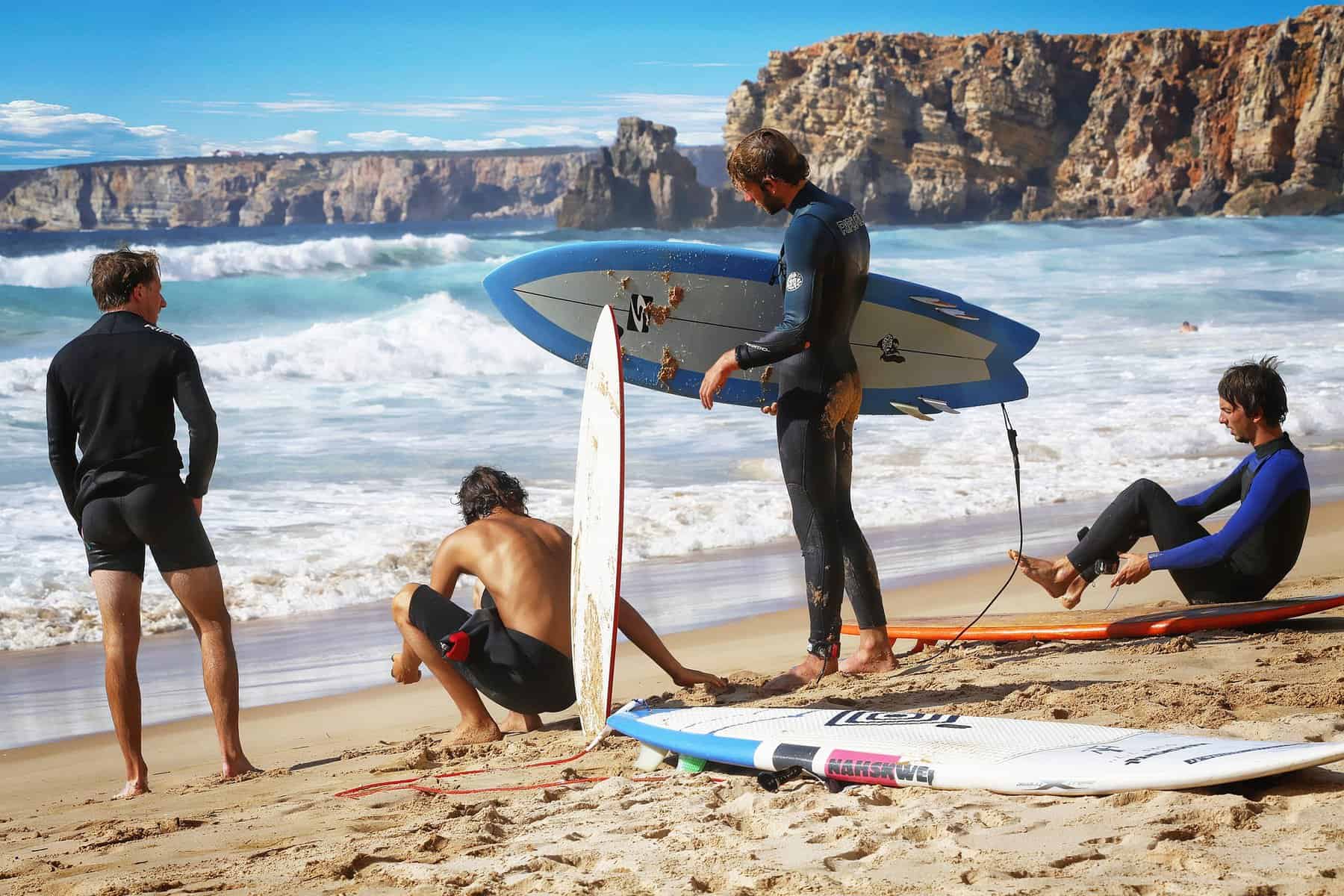
Portugal is without a doubt the number one surfing destination in Europe and also a world-famous destination mainly because of the giant waves formed along its western coast. A combination of a west-facing shoreline, strong Atlantic winds, and the deep underwater canyon off Nazaré causes large waves to form along Portugal’s coast.
The deep canyon allows the waves not to lose much of their energy almost until they reach the shore, so they remain high. Especially in autumn (October, November), when the stormy Atlantic, with the assistance of the geological structure of the seabed, produces giant waves. This is also the period when professional surfers from around the world come to Portugal to surf. It is also the time when less experienced surfers should avoid entering the water.
Surfing seasons – for beginner surfers, summer, which is also the best season for all tourists to come to Portugal’s coast, is the ideal season. Spring is also suitable for beginners, though the water is still very cold. Winter and late autumn are only for professionals. In early autumn (September, early October), larger waves already arrive and it may suit intermediate surfers.
The surfers’ towns are spread mainly through central Portugal along the coast from Lisbon to Porto. Ericeira|Ericeira, Peniche|Peniche, Nazaré|Nazaré are the main surfing towns on Portugal’s western coast. They have facilities suited to surfers’ lifestyle, as well as surf schools for those who want to try for the first time or improve.
There are also beaches suitable for surfing very close to Lisbon (such as Carcavelos). And on the western beaches of the Algarve (southern Portugal), such as Sagres, there are also very good surfing options.
A bit about Portugal’s islands
Portugal has two island groups located in the Atlantic Ocean: Madeira and the Azores.
The Azores | Açores
The Azores were discovered by the Portuguese in 1427, and immediately afterward a wave of settlement began there. The archipelago of nine islands quickly became a stopover on the way to America, and the islanders benefited from the growing trade between the New World and the Old World.
Being deep in the Atlantic Ocean, their inhabitants always lived between the two continents, and communities of Azorean descendants were also formed in the U.S. and Canada. So the islanders remain connected to both continents to this day.
São Miguel Island (São Miguel) is the largest, and its capital Ponta Delgada is the most populated in the island group. It is also home to the islands’ largest and best-connected airport, although each of the nine islands has a small airport.
Most of the islanders are still engaged in agriculture and fishing. From a tourism perspective, the islands have become an exotic destination in a remote and isolated corner of the European Union. A truly remote and special destination located about 1,600 kilometers west of mainland Portugal in the heart of the Atlantic Ocean.
Madeira | Madeira
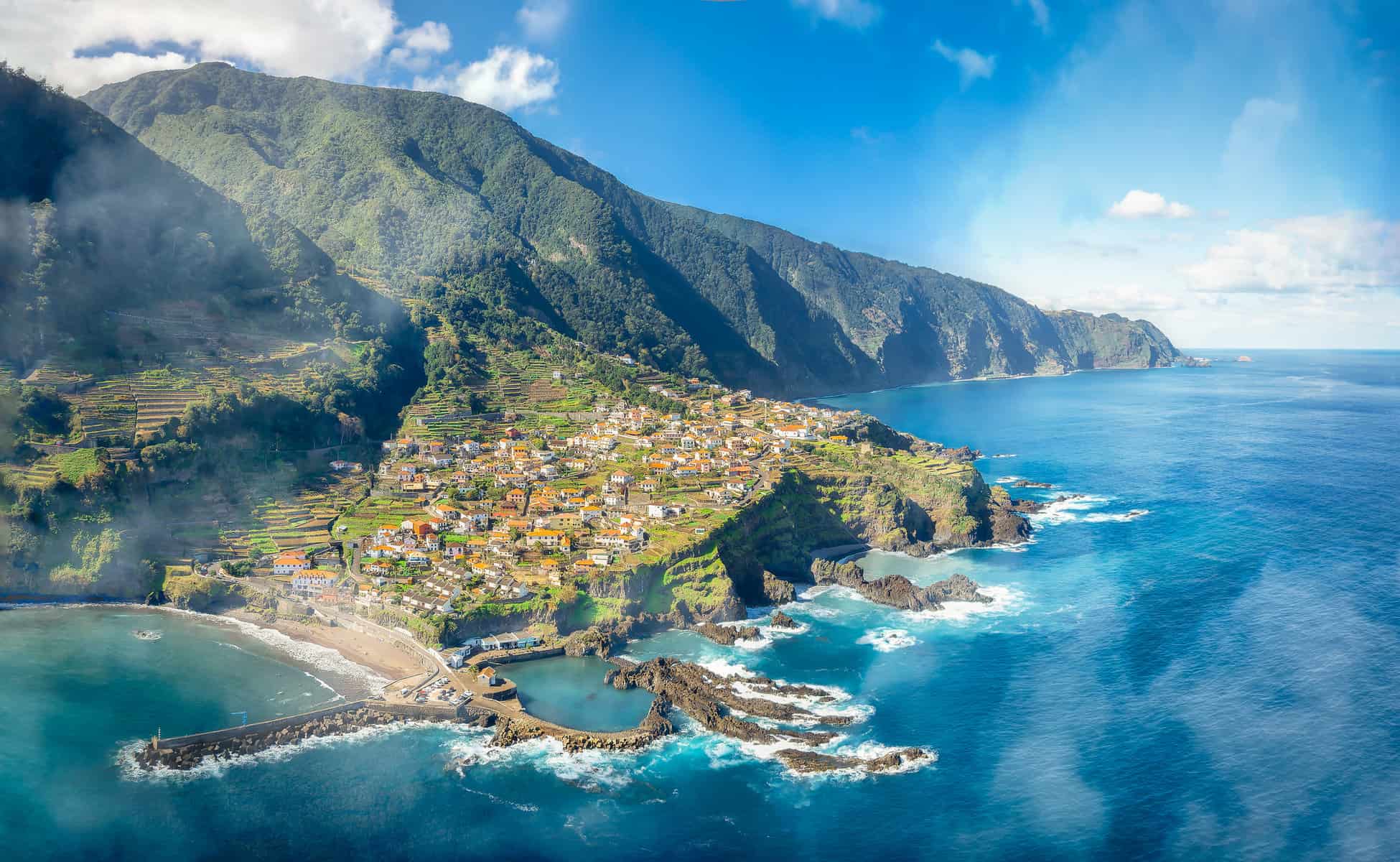
The volcanic island, 55 kilometers long and 22 kilometers wide, is an “oasis” far out in the Atlantic Ocean. After a 90-minute flight from Lisbon, you will find a small island that is large enough to contain a variety of sites and attractions that will ensure a fascinating vacation.
On the green island there are breathtaking landscapes, agricultural villages, forests, cliffs dropping into the water, a large and lively capital city, and high mountains with jagged peaks above the clouds. All of these can be explored over several days, during which you will also meet the island’s welcoming residents who preserve their centuries-old traditions.
A bit about food and wine in Portugal
Portugal, like its large neighbor to the east – Spain – is known for its diverse cuisine. Being a country between sea and mountains, with different climate zones, makes the variety of food ingredients there especially broad.
The coastal regions with fish and famous sardines, the mountain regions known throughout Europe for their cured sausages, and in between the grazing and rural areas with sheep’s milk cheeses, olives, and fresh vegetables characteristic of a Mediterranean climate.
In Portugal, restaurant and café culture is still authentic, with fewer chains and more small family-run businesses serving original and local dishes. Lisbon is Portugal’s culinary center, mainly due to its size and centrality. Food lovers should not miss a visit to its food market – Lisbon’s Time Out Market (Time Out Market Lisboa).
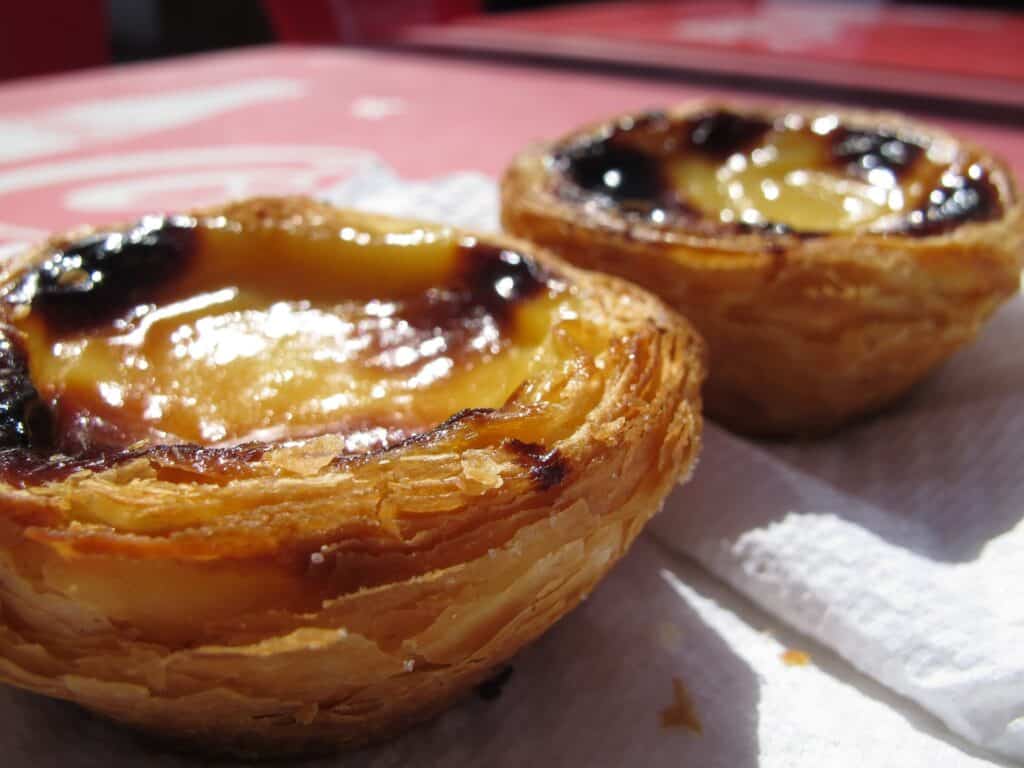
Portugal’s pastries, especially pastel de nata, are sold everywhere in the country, and in addition almost every region and town has its own more characteristic dessert.
Above all, Portugal is famous for its wines, which were and still are part of its history, especially fortified port wine. Every region in Portugal has its own wine, while the wine produced from the vineyards along the Douro River in the north is considered the finest of all.
A bit about shopping and souvenirs in Portugal
Portugal is still not a great shopping destination like Spain, the home of Zara. But nowadays you will also find malls in every town, and certainly in large cities, such as the huge Colombo mall in Lisbon.
When it comes to food, the city markets are still the place where many locals buy their groceries. In almost every town there is a market with fish, meat, vegetables, and fruit, and in some there are also souvenirs and packaged food that can be bought as a gift or simply taken back home. Here too, Lisbon’s Time Out Market stands out for options to buy packaged foods and Portuguese wines.
Speaking of wines, in the big cities there are many dedicated wine shops, but in every large supermarket you can also find port wines or fine wine from the Douro Valley, and likewise the special cheeses and sausages from the mountains.
Sardines – Portugal is the homeland of sardines. Of course, especially in the coastal towns they can be eaten in restaurants, fried or grilled. But sardines, as is well known, are also packed into cans, and this is part of an industry that can already be called traditional in Portugal. A chain of stores called Comur turned buying sardine tins into an experience. In the chain, whose stores can be found in almost every tourist center, Comur’s colorful sardine tins are arranged on shelves as if they were books. No one enters a Comur store without getting excited and buying at least a few of them.
Porto is famous for its city shops, two of them in the city center are: the bookstore that was probably an inspiration for some scenes in the Harry Potter stories – Livraria Lello, and the chocolate shop Chocolataria Ecuador.
Beyond food, Portugal is known for its ceramic ware and of course its tiles. In some towns (such as Tomar) and small villages, you can order azulejo tiles with your name or another drawing. Or purchase a ready-made design.
List of popular destinations in Portugal
Major cities in Portugal:
Lisbon|Lisboa , Porto|Porto , Coimbra|Coimbra , Braga|Braga
Interesting towns in Portugal:
Óbidos|Óbidos , Cascais|Cascais , Sintra|Sintra , Nazaré|Nazaré , Estremoz|Estremoz , Tavira|Tavira , Miranda do Douro|Miranda do Douro
Special villages in Portugal:
Almeida|Almeida , Santa Maria da Feira|Santa Maria da Feira , Monsanto|Monsanto , Monsaraz|Monsaraz , Casela Velha|Casela Velha , Soajo|Soajo , Trancoso|Trancoso , Idanha-a-Velha|Idanha-a-Velha , Montesinho|Montesinho
Nature sites in Portugal:
Douro River Valley|Rio Douro , Peneda-Gerês Park|Parque Peneda-Gerês , Algarve beaches|Praias do Algarve , The Azores|Açores , Madeira Island|Madeira
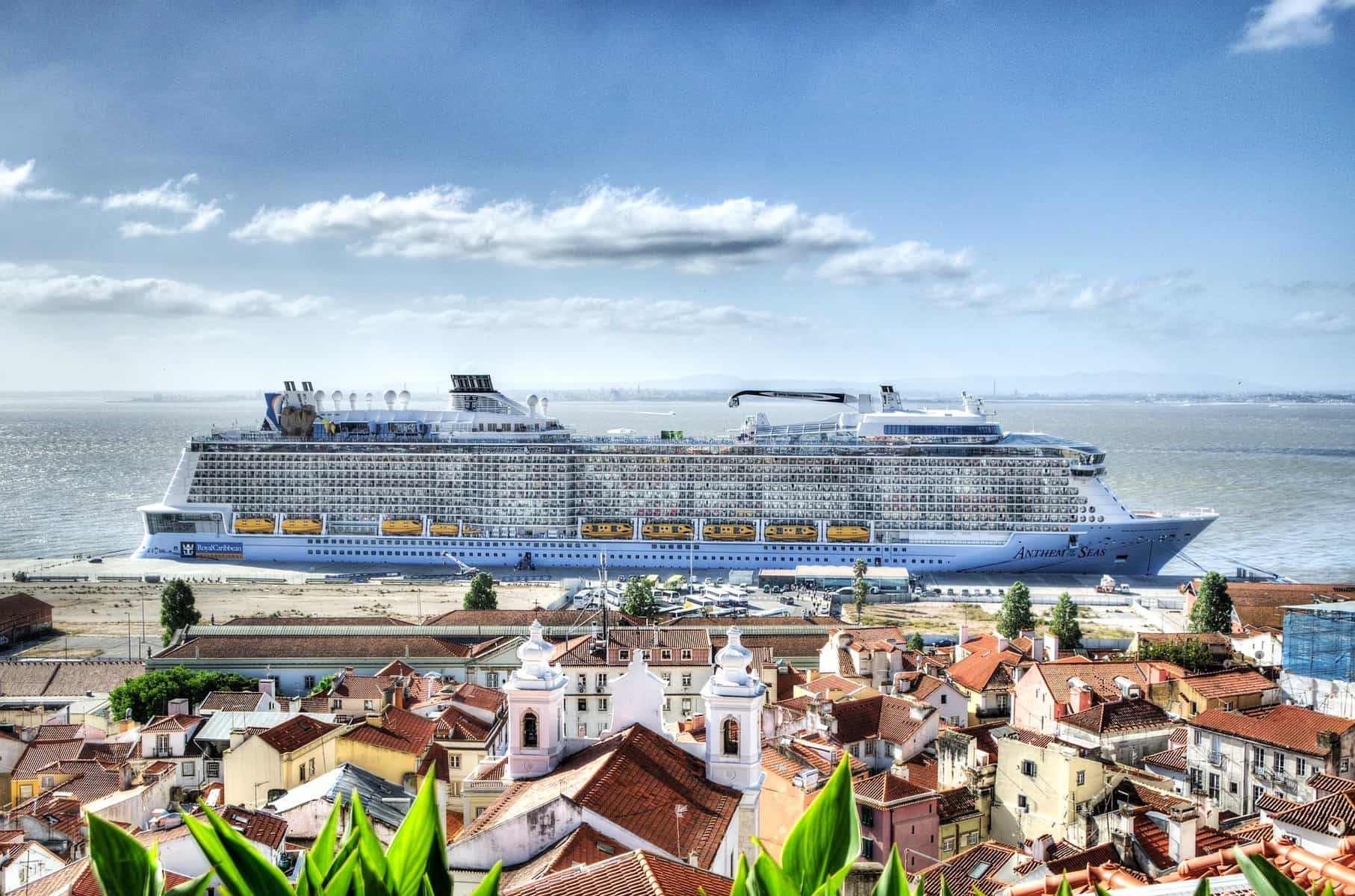
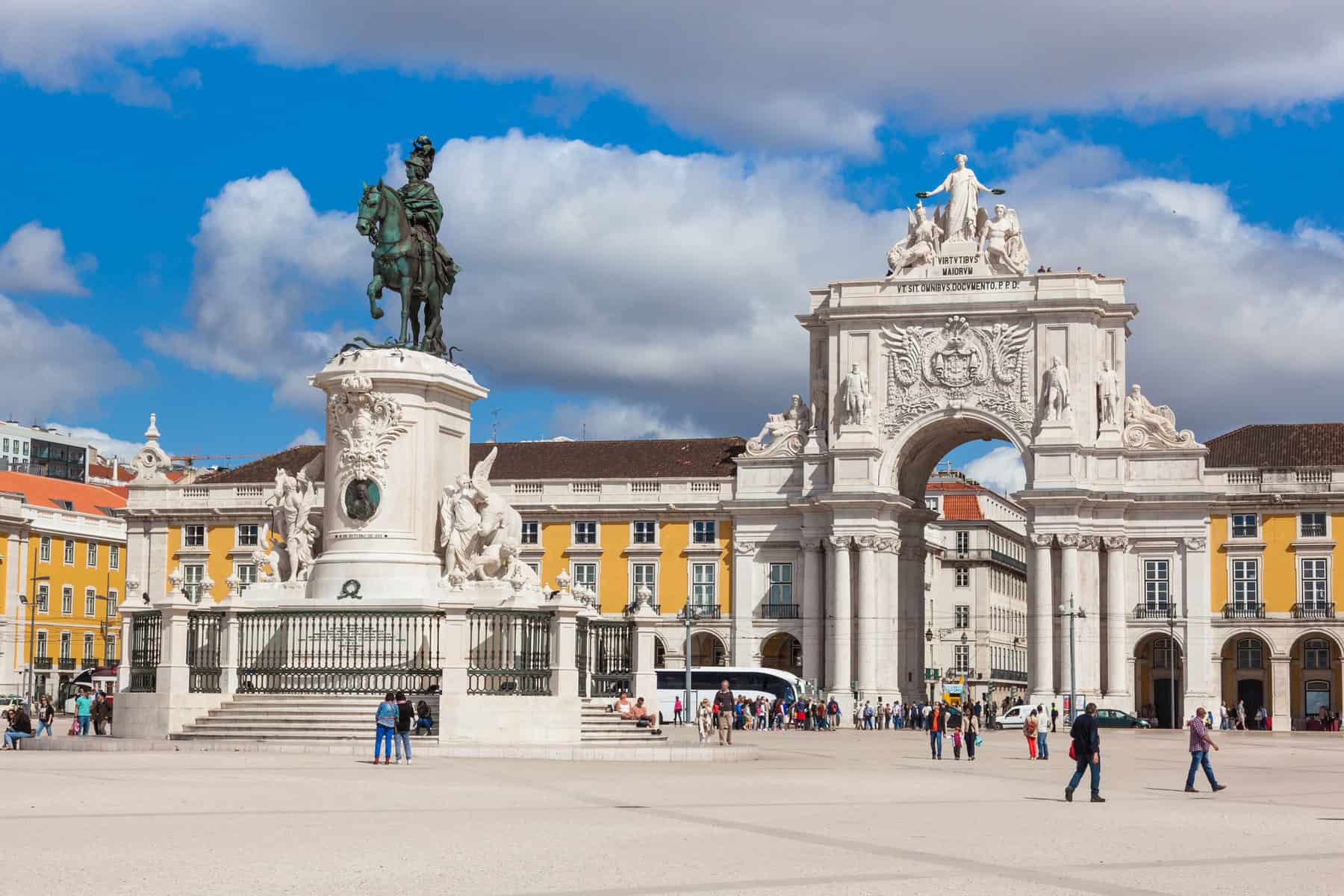
Lisbon | Lisboa
Lisbon | Lisbon, or Lisboa in Portuguese, is the capital of Portugal and the country’s largest and most important urban center. About six hundred thousand residents live in Lisbon, but in the city’s metropolitan area as a whole there are about three million people. Lisbon sits on the estuary of the great Tagus River (Tejo), the longest and most central river on the Iberian Peninsula.
Lisbon itself is built on the slopes of seven hills and the valleys between them. The hills, which are more or less the city’s neighborhoods, descend toward the Tagus estuary, creating a complex urban texture. Many streets in the city do not allow car traffic. This is also the reason that trams (Elétricos) have been serving the city’s residents in climbing the long slopes for more than a hundred years.
Lisbon, the capital of Portugal, is a large and dynamic city, with plenty to see and do. It may not be as beautiful as its great northern rival Porto, but it holds Portuguese grandeur and royal dignity.
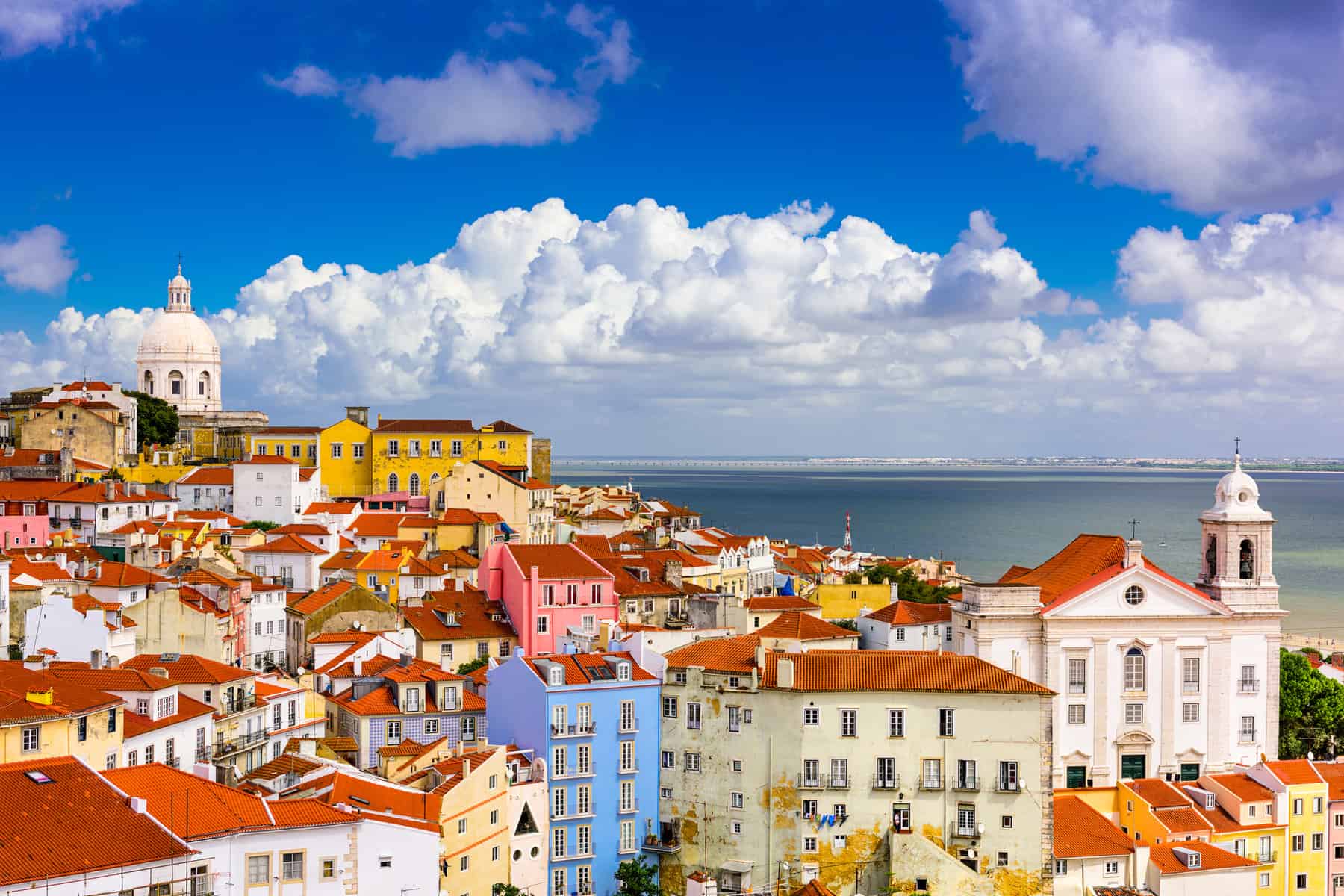
Lisbon has magnificent squares paved in the beloved Portuguese style. Lisbon also has charming pastel-painted houses and buildings covered in stunning traditional tiles (azulejos), a wonderful culinary scene combining old traditions with excellent modern food, and lots of high-quality street food. In addition, the city offers plenty of nightlife venues and a rich scene of bold modern art.
Click here for all the information about traveling in Lisbon…
Porto | Porto
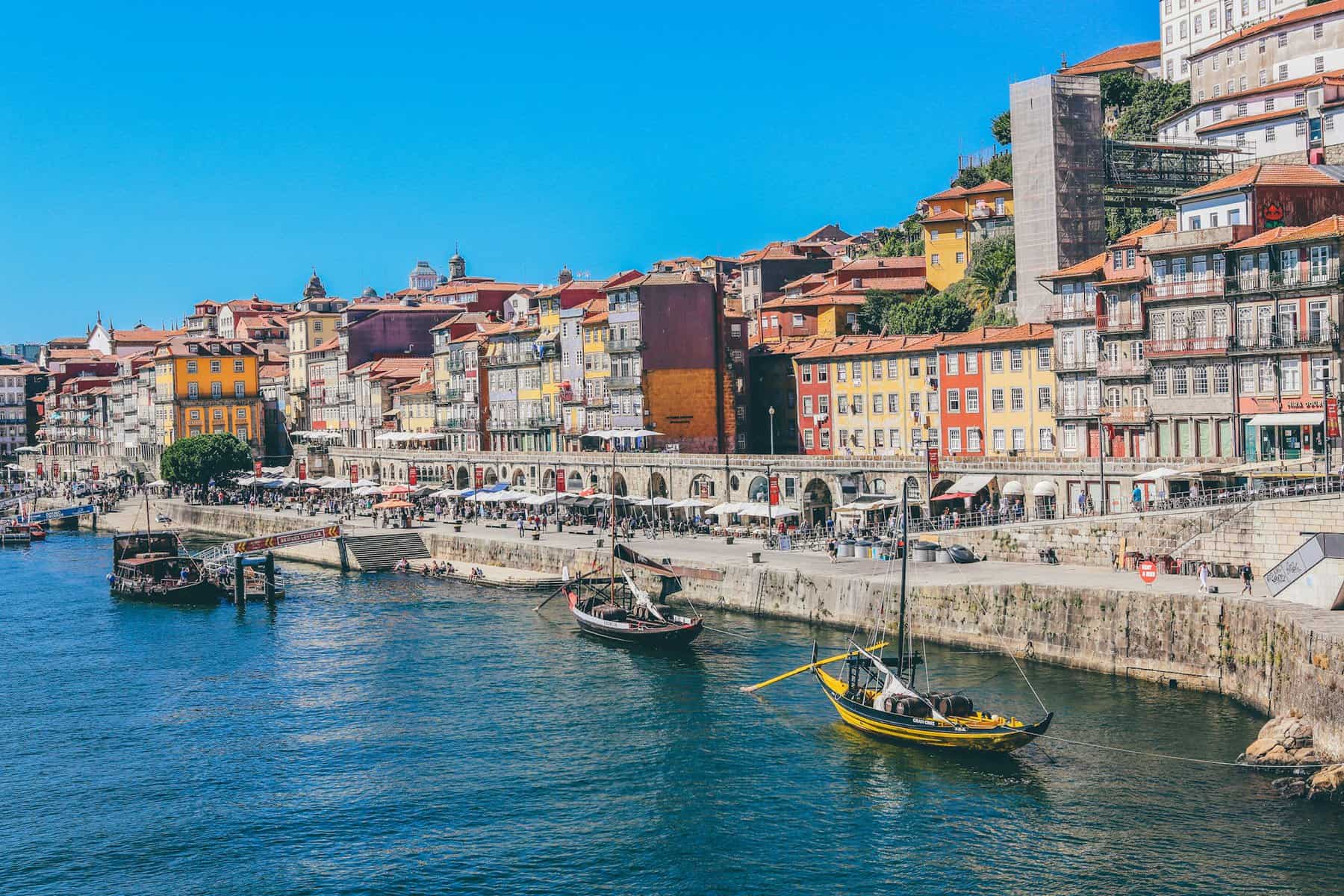
The city of Porto is Portugal’s second-largest urban center after the capital Lisbon, and the main urban area of northern Portugal. About a quarter of a million residents live in Porto, and in the city’s greater metropolitan area, almost two million.
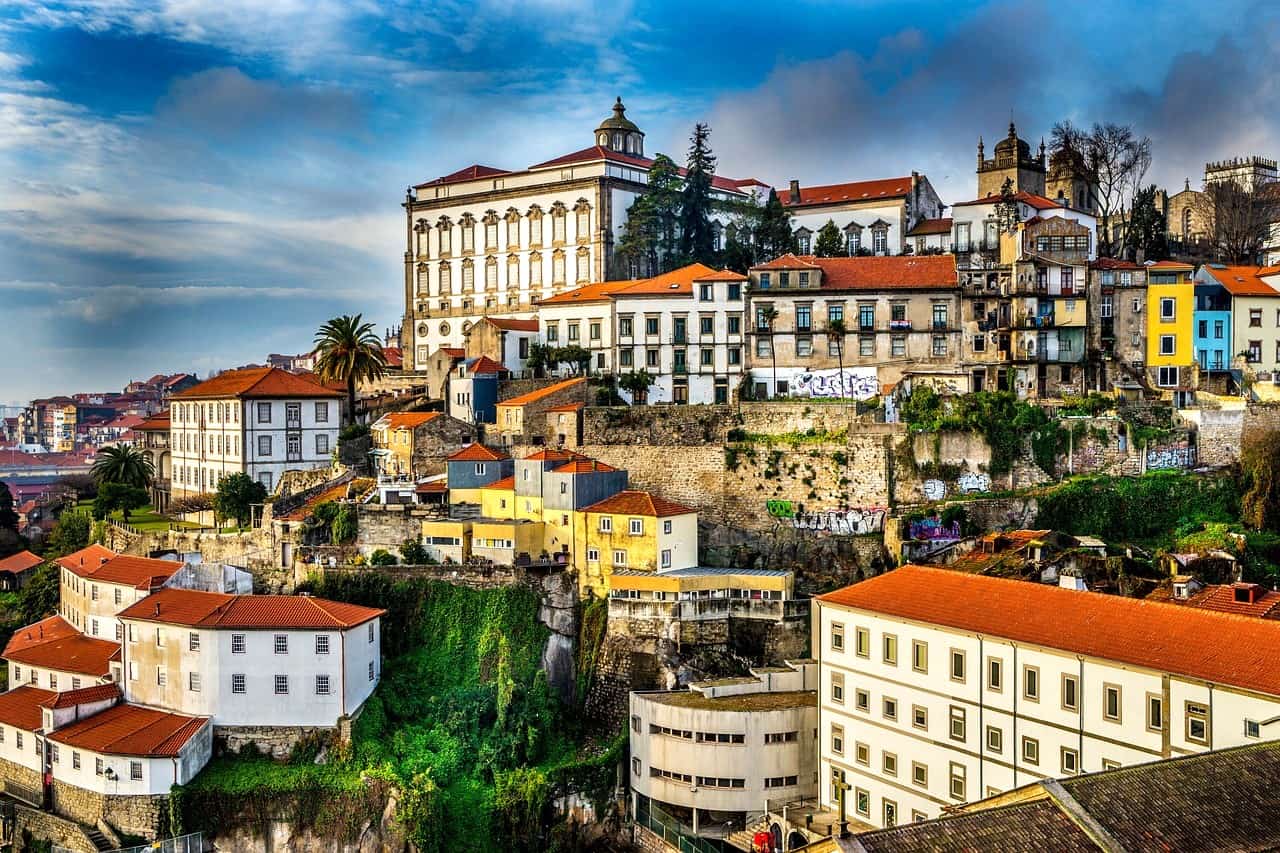
Porto | Porto, or Oporto | Oporto, the beautiful city, is the most attractive travel destination in northern Portugal and perhaps in all of Portugal. The city offers a particularly lively and photogenic tourist experience. Porto is built on a hill rising from the mouth of the Douro River, lined with ancient, colorful, and charming buildings with red roofs.
Porto’s Ribeira | Ribeira on the banks of the Douro River is the heart of the old city. Nearby are churches of breathtaking beauty, palaces, and lively streets full of restaurants, cafés, and entertainment venues.
The river’s southern bank is the beautiful city of Vila Nova de Gaia, from which there are a variety of viewpoints overlooking charming Porto.
Click here for all the information about the wonderful city of Porto…
Braga | Braga
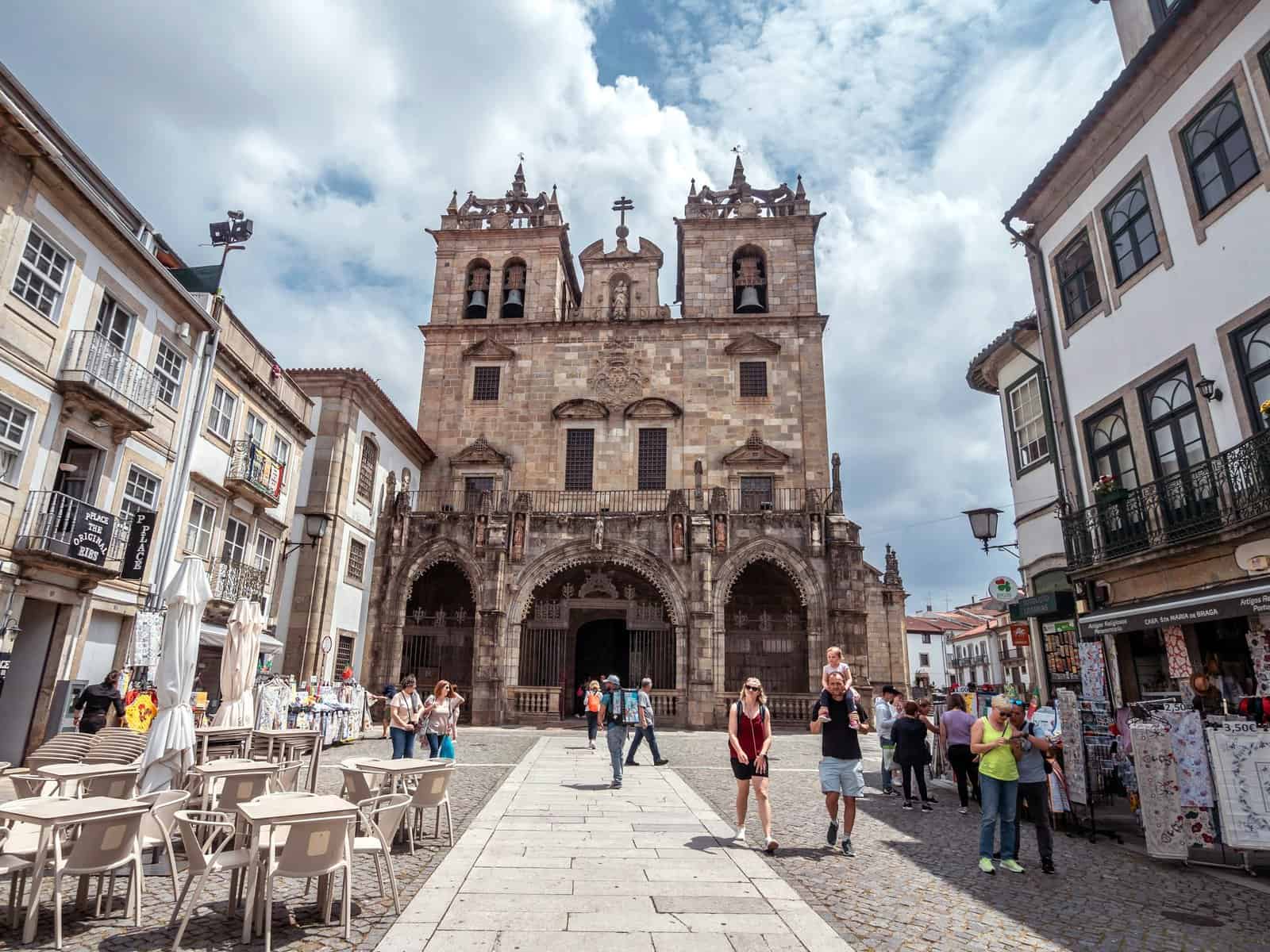
Braga is the third-largest city in Portugal if you do not count the two large suburbs of Lisbon and Porto. It is located somewhat inland, in the northern Minho region, about 45 kilometers from famous Porto on the coast.
Braga was one of the important Roman cities in Portugal. With the establishment of the young kingdom in the 11th century, northern Braga, located on one of the roads to Santiago de Compostela, became a religious center. To this day, Braga has the largest concentration of churches in Portugal, and its cathedral is also the oldest in the country.
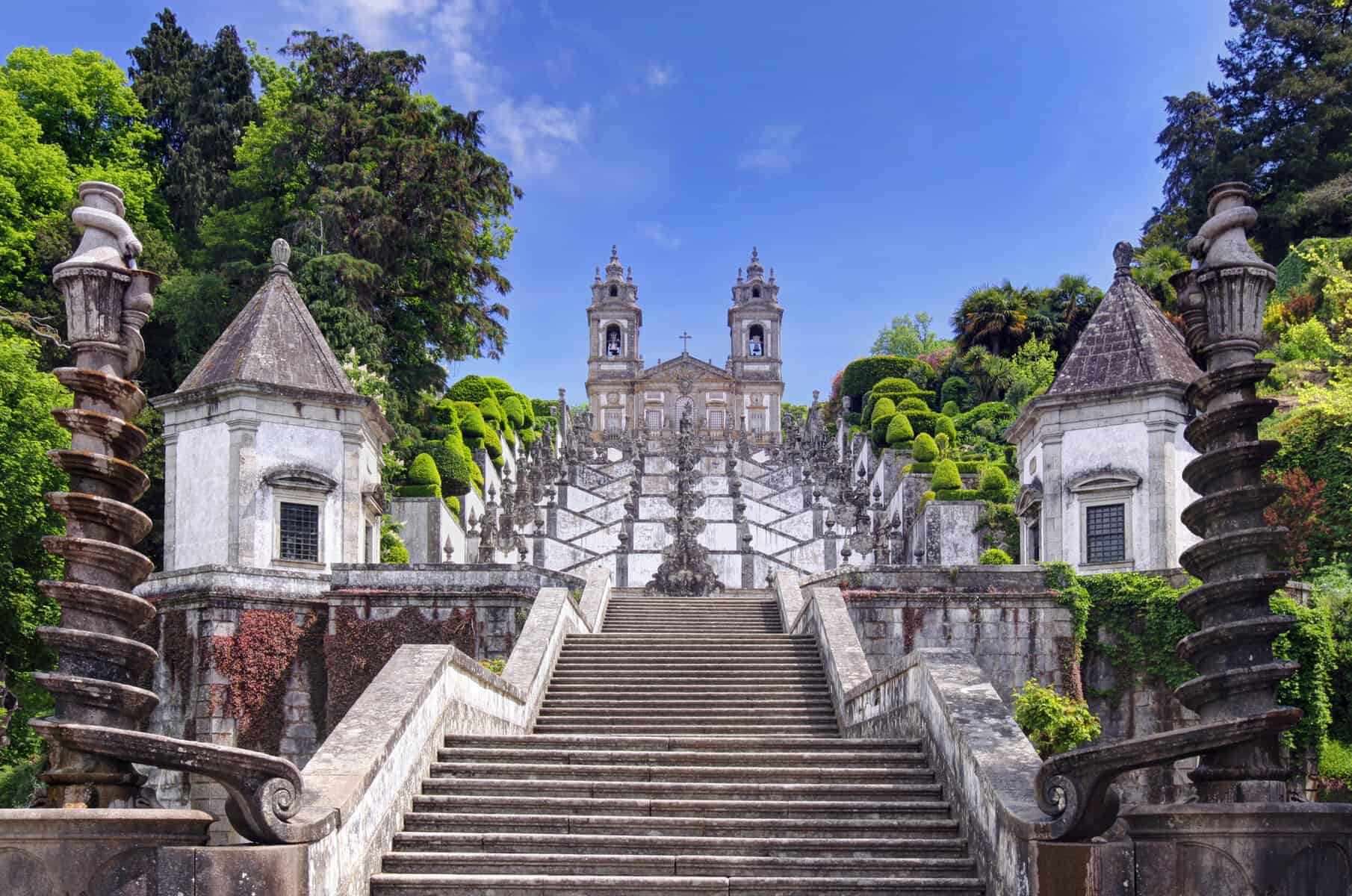
The Bom Jesus do Monte monastery on the mountain above the city is one of the most famous sites in all of Portugal, especially because of the giant staircase leading up to it.
Braga has a charming city center that is very pleasant for strolling. In the city center there are 18th-century buildings and gardens that complete the backdrop for a pleasant walk throughout the year in streets, many of which are paved in the beloved Portuguese style.
Braga also hosts two major events connected to religion but which turn the city into one big festival. The “Holy Week” procession before Easter (Semana Santa) in Braga is famous throughout Portugal. The São João de Braga festival at the end of June is also a special event in the city, essentially opening the wonderful summer in this pleasant northern city.
Click here for all the information about the city of Braga…
Douro Valley | Rio Douro
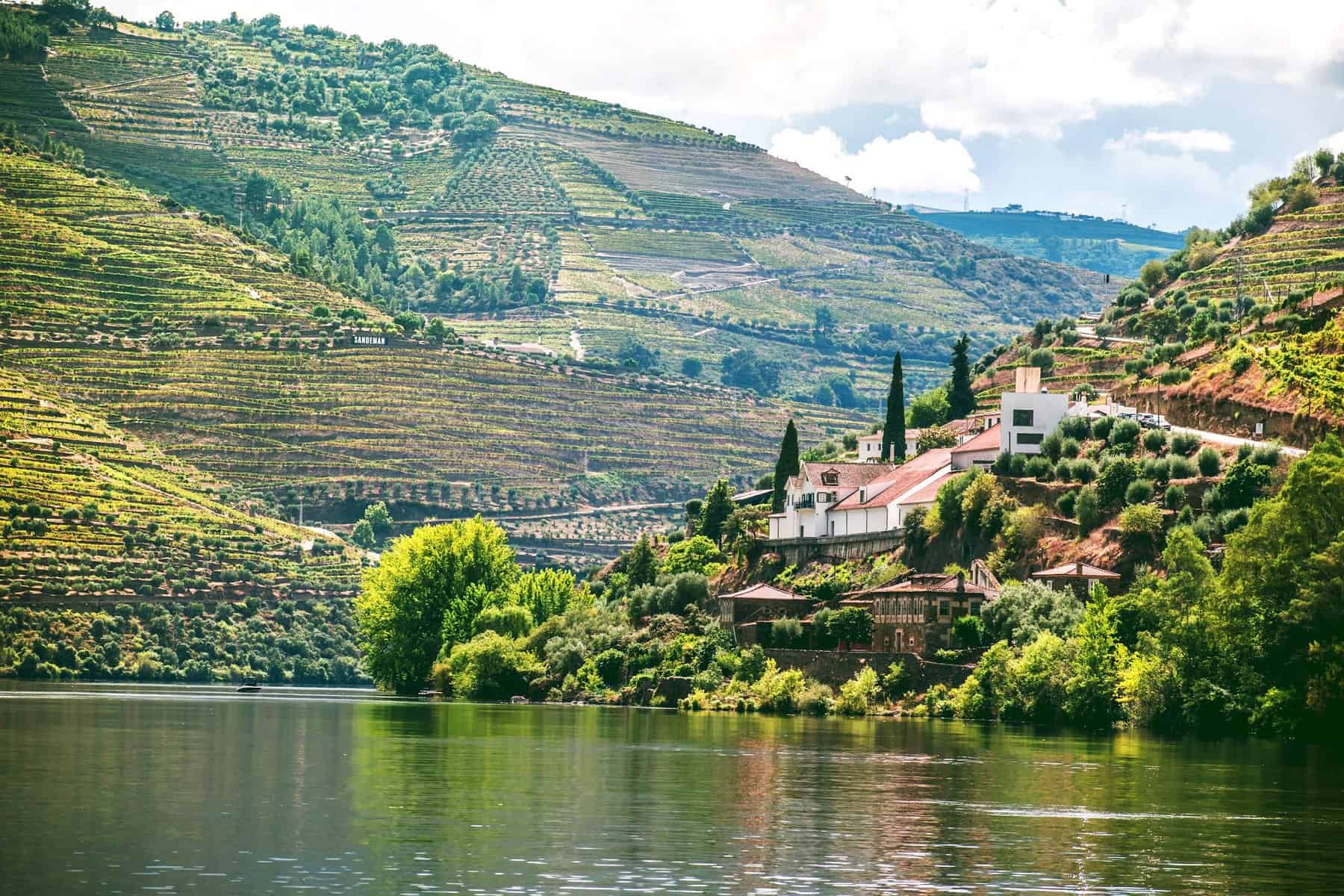
Fortified port wine was one of the most sought-after products in the Age of Maritime Discoveries, when sailors bought every barrel they could fit into the belly of the ship before long voyages, to ease a little of the distance from home during the many hours at sea. The Douro Valley became, already in 1756, the first officially demarcated wine region in the world, and the wines of northern Portugal remain to this day a major part of the economy of the towns and villages upstream along the famous river.
Today the Douro Valley is one of the most photogenic places in Portugal, and perhaps even in all of Europe. Gentle hills descend toward the river on both sides, and on them are terraces with vines from which the famous wine is produced. In between are villages and wineries that can be visited for tasting tours accompanied by local delicacies.
There are also options for cruises up the Douro with stops at interesting points and, of course, endless wonder at the scenery.
Aveiro | Aveiro
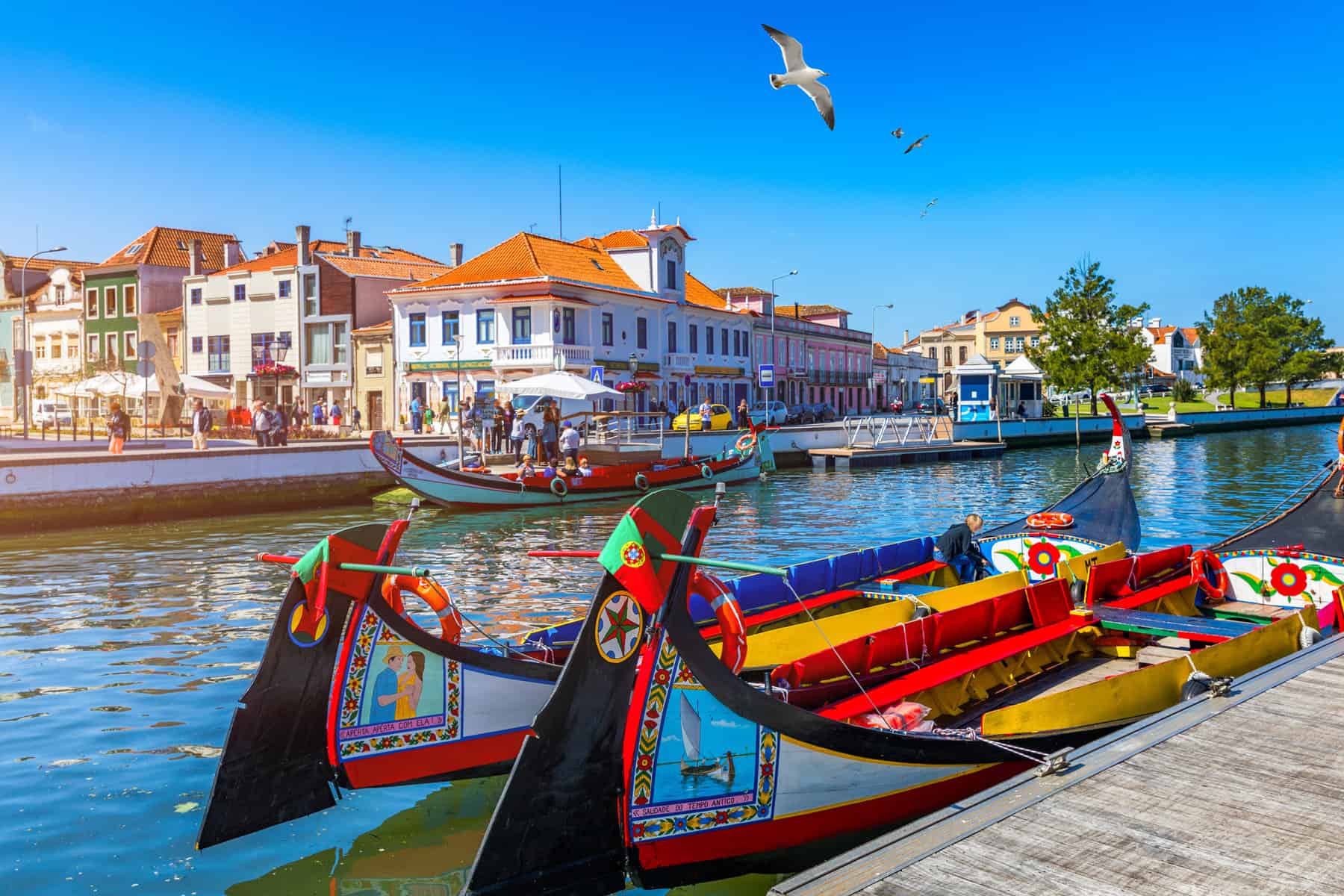
Aveiro is a town on the coast in northern Portugal, not far from Porto. It is indeed a coastal city, but between it and the shoreline lies a large lagoon from which canals extend to the sea and into the city itself. Traditional moliceiro boats sail through the canals and are beloved by tourists, which is why Aveiro is called the “Venice of Portugal.”
The city itself has about 80,000 residents, and its metropolitan area about 120,000, making it one of the most populated areas in north-central Portugal.
The part of the city located by the sea is called Costa Nova, and it has colorful wooden houses that used to belong to fishermen and today are among the most sought-after places in Portugal. The city is very accessible from Porto and is also suitable for day trips from there.
The beach, the colorful houses, the attractions, the fresh fish dishes, the famous desserts, and the peaceful Portuguese atmosphere in Aveiro are everything a traveler could ask for, and it will also interest children.
Aveiro is the most colorful city in northern Portugal and a must-see for anyone traveling in the Porto area.
Click here for all the information about traveling in Portugal’s colorful city of Aveiro…
Évora | Évora
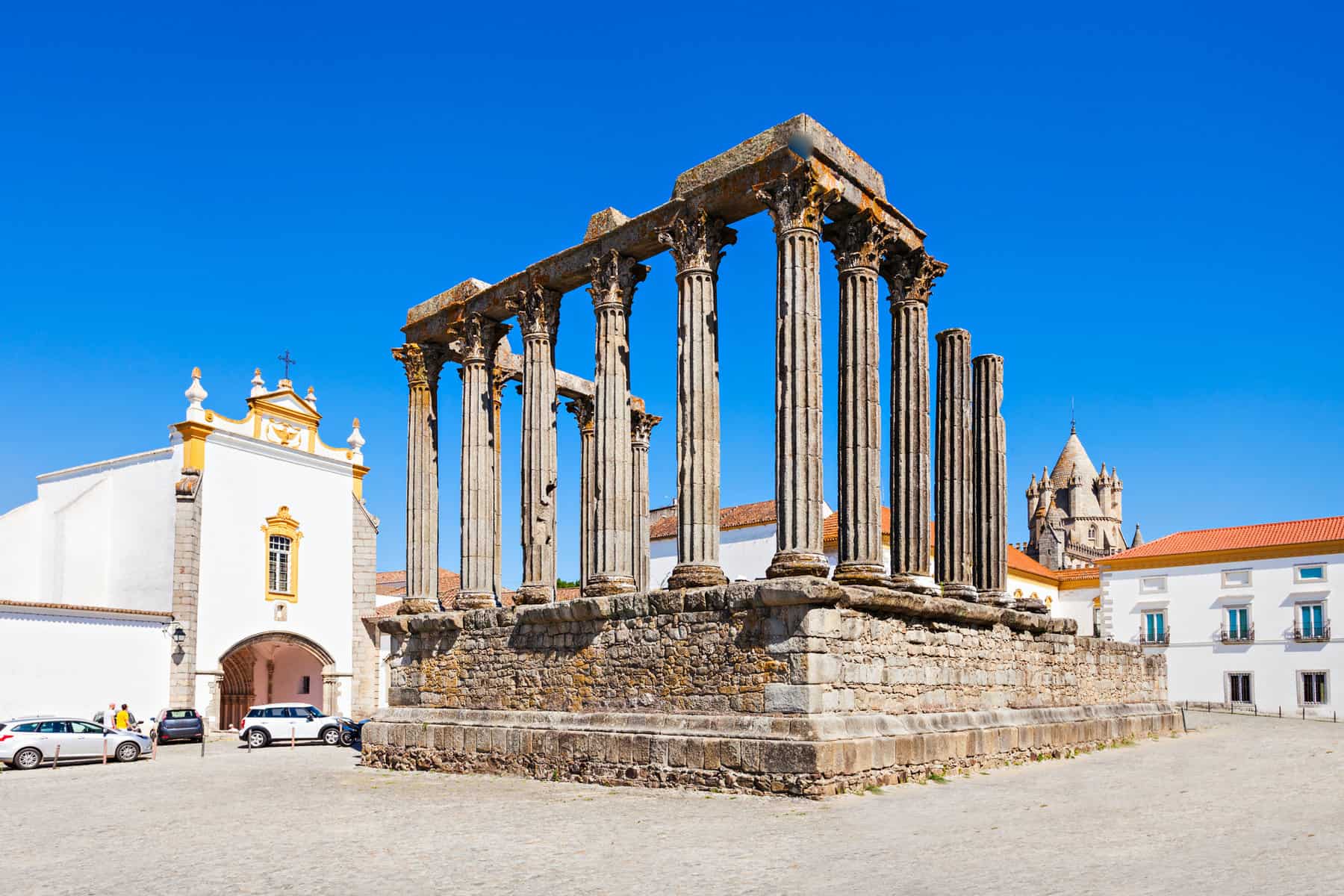
Évora is a historic city in the Alentejo region in central/southern Portugal with a large and impressive old city. There are about 55,000 residents in the city and its surrounding large rural area.
It became a city in the Roman period as early as the first century BCE. The flat land around it, with enough rainfall for growing grain, turned it into an important urban center with a large rural hinterland from then until today.
The weather in Évora and its surroundings is the hottest in Portugal. Therefore it is best to visit Évora in the shoulder seasons, especially in spring. Two famous sites in Évora are the Roman Temple and the slightly creepy Chapel of Bones. Both are right in the center of the old city.
In addition, there are several prehistoric sites around Évora, which are further testimony to early settlement on the Iberian Peninsula. So you can also combine a nature trip when coming here.
Évora is about an hour and a half’s drive east of Lisbon, and in fact it is the most interesting city and a must-see for anyone taking a rental-car trip in Alentejo. Even children will find it interesting, and if not, they can be comforted by the many ice cream shops for which Évora is famous, especially around Giraldo Square.
Click here for all the information about Évora, the capital of Alentejo…
Óbidos | Óbidos
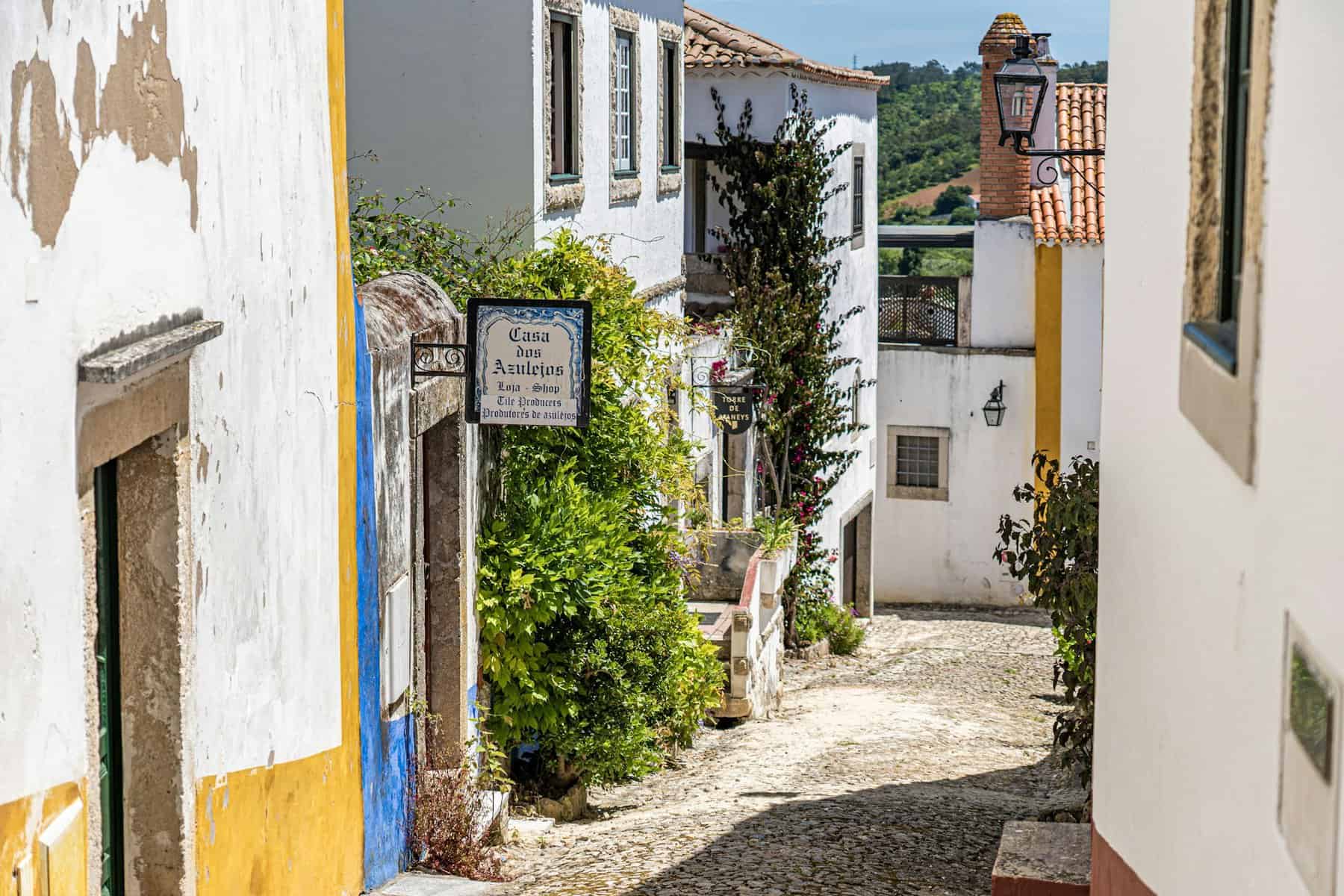
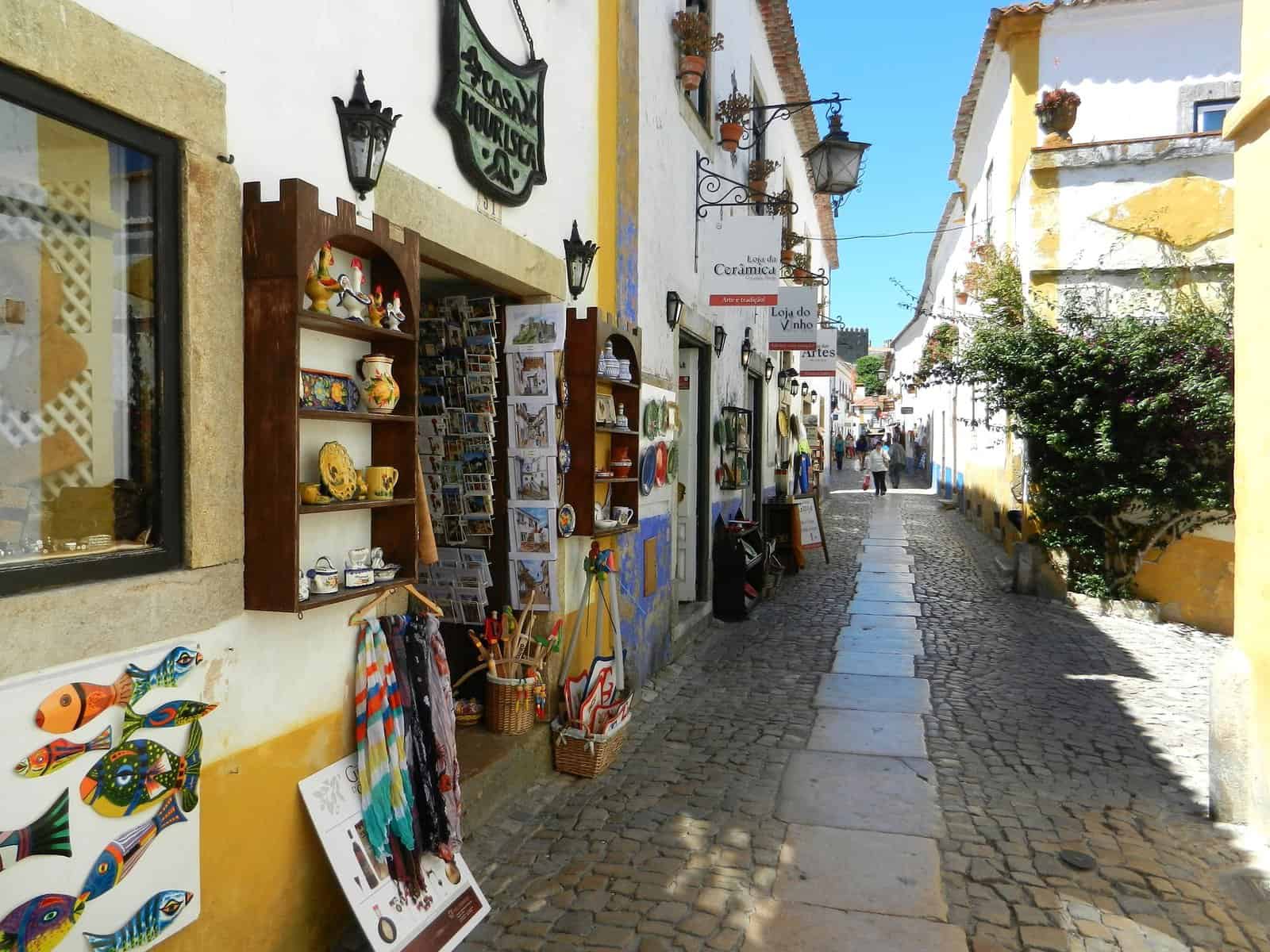
Óbidos is a small walled town located an hour’s drive north of Lisbon. The town is famous for having remained as it was centuries ago, and essentially the whole place functions as a tourist site that takes us back in time to the Middle Ages.
Within Óbidos’s walls is a maze of narrow streets with many shops, restaurants, and chocolate pastry shops, for which Óbidos is famous. All of them are small and housed in old buildings, and in the town you truly feel like you are in another era.
Óbidos is suitable for all types of trips and will also interest children. Especially during its Chocolate Festival and Medieval Festival. Simply walking and touring the streets of walled Óbidos is a unique attraction. The town’s most famous attraction is the wall itself. There is a circular path on it, but without railings, so it is not suitable for everyone.
Óbidos is enclosed by a wall and its area is relatively small, so it may be very crowded at certain times. Especially on weekends with good weather and during festivals. Therefore it is worth taking this into account when planning a trip to the town.
Click here for all the information about traveling in the medieval town of Óbidos…
Madeira Island | Madeira
Madeira is an island formed by volcanic activity in the Atlantic Ocean, with high peaks at its center and almost tropical weather. The island lies about 500 kilometers west of the coast of Morocco and about a thousand kilometers from mainland Portugal (an hour and a half flight from Lisbon).
Madeira was and still is forested with special trees that are remnants of the rainforests that once grew across broad areas of the Earth. That is also why the Portuguese sailors who discovered it in the 15th century called it Madeira – “wood” in Portuguese.
The island has an abundance of natural sites with almost unbelievable scenery. Cliffs dropping sharply to the sea, jagged peaks above the clouds, roaring waterfalls, and trails following streams and water channels (levadas). All of these are reached by narrow winding roads and tunnels carved into the soft volcanic rock. Everything is close because the island is very small, yet it feels remote and primeval.
Madeira belongs to Portugal, but it is an island with autonomous government, and its economy is based on tourism.
The green and unique island attracts tourists mainly from Europe, who come because of its wonderful weather all year round, its nature trails, and its excellent hospitality options. Madeira, and especially its lively capital Funchal, are known as a place with exclusive restaurants and bars serving Madeira’s fortified wines, along with excellent service.
The island’s food is somewhat different from that of mainland Portugal, combining many fruits and tropical crops grown on the island in its warm climate.
Click here for all the information about traveling on the green island of Madeira…