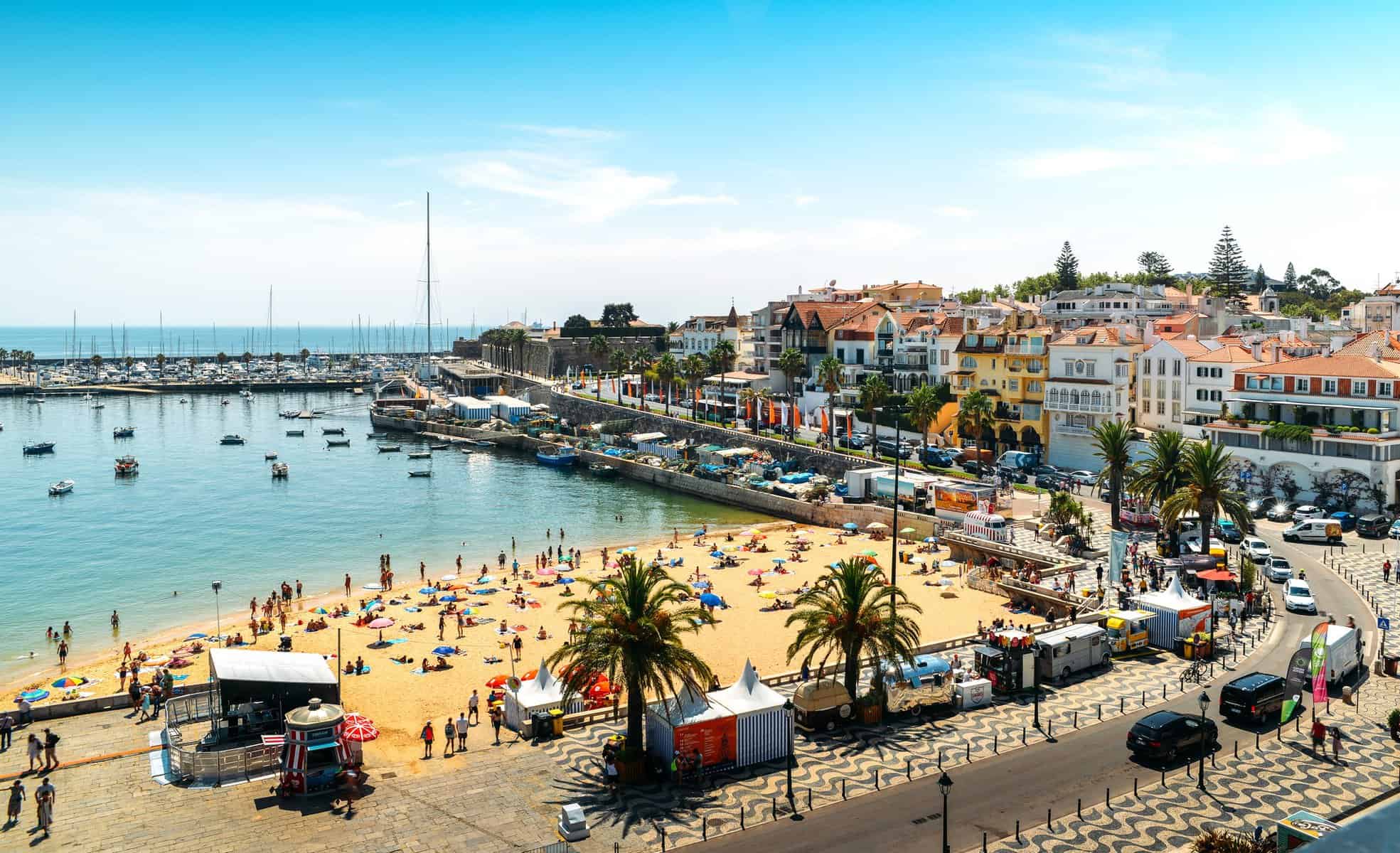
Cascais – The Lisbon Riviera
Cascais is the westernmost part of the vast Lisbon metropolitan area. This seaside town is essentially one of the Portuguese capital’s most upscale suburbs. It has a large marina, urban

Lisbon is Portugal’s capital, a huge city with countless attractions, places to visit, and plenty to do overall. Lisbon is built on hills above the Tagus River, which the famous yellow trams have been slowly climbing for more than a hundred years. The city also has many museums and is home to all of Portugal’s government institutions. Between broad squares, colorful old houses, and cobbled streets, you’ll also find a fantastic food scene with lots of street food. And especially lively nightlife. All of this has made Lisbon an inviting and fascinating year-round European destination.
How much time in Lisbon?
Lisbon requires a minimum of 3 days of touring. That said, it’s a large city with many attractions and important sites. So especially for a first visit, it’s better to plan at least 5 days. During that time, people also usually take a day trip outside the city, for example to Sintra.
What must you see in Lisbon?
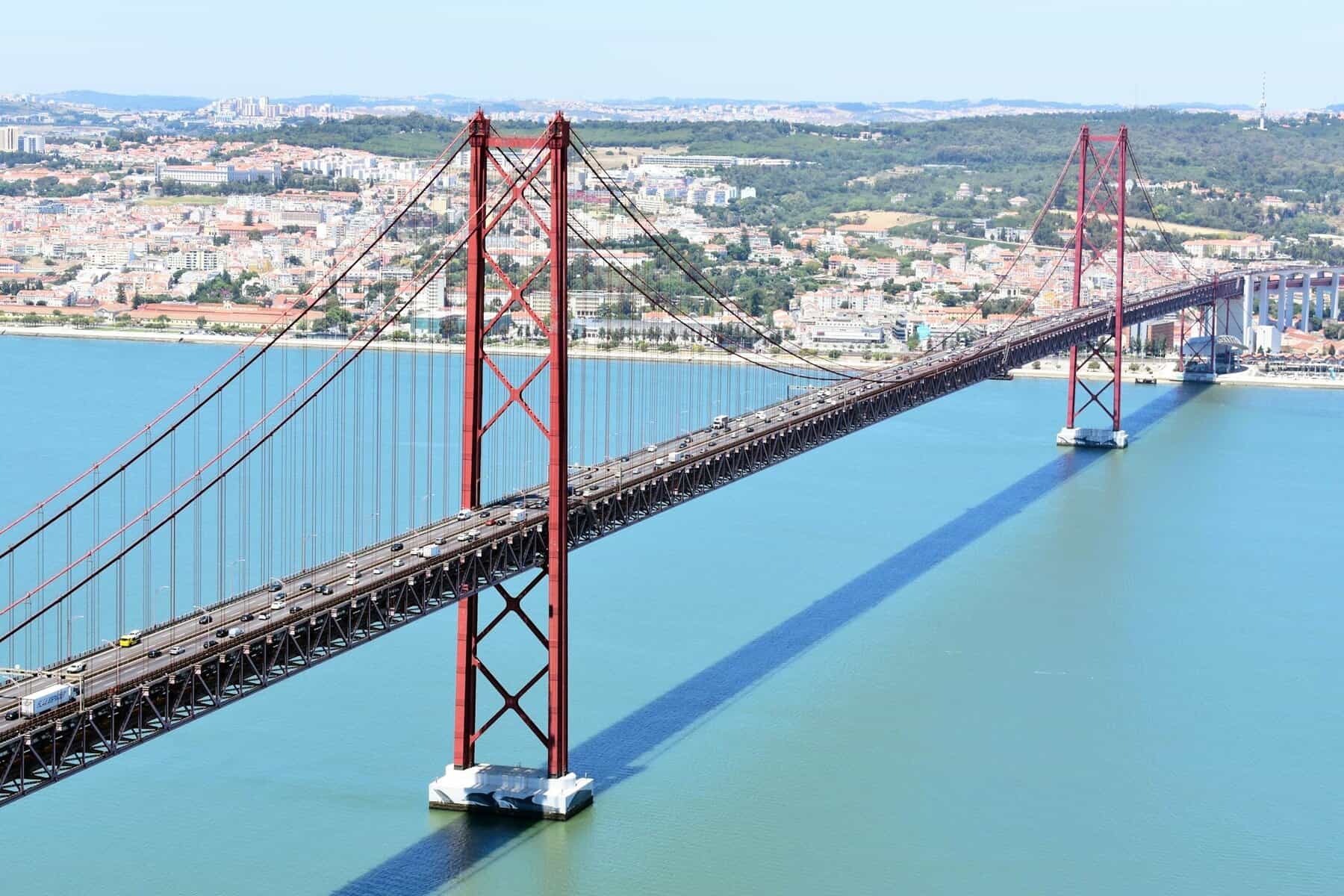
Portuguese heritage sites: Augusta Arch in Commerce Square, Belém Tower, the ruins of Carmo Convent, Lisbon Cathedral, the Cristo Rei statue, and a viewpoint over the 25 de Abril Bridge.
Attractions: ride the Santa Justa Lift, take a yellow tram in the Alfama district, attend a Benfica or Sporting soccer match.
Food and shopping: Garrett Street, the street of cafés and restaurants, the Time Out Market Lisbon food hall, and the Santo Antão pedestrian street in the Avenida area.
Museums: the National Tile Museum (azulejos), MAAT – Museum of Art, Architecture and Technology, the Medeiros e Almeida Museum, and the National Museum of Ancient Art in Estrela.
When should you visit Lisbon?
Lisbon is a year-round destination. Spring and summer are the preferred seasons for most tourists, but aside from fall, which can be rainy, Lisbon is worth visiting all year.
How should you plan your route in Lisbon?
Lisbon is a city built on hills, so routes should be planned accordingly. The rule is that in Lisbon you explore neighborhood by neighborhood, and try to do it from top to bottom. The main central neighborhoods in Lisbon are:
Baixa and Chiado – the most central neighborhoods, located in the flat area of central Lisbon
Bairro Alto – the neighborhood that starts climbing the hill, with lots of sights by day and entertainment and nightlife after sunset
Avenida – the neighborhood uphill from the city center, with broad squares and boulevards
Alfama – the soul of Lisbon. This is the old district with fado music and slightly weathered colorful houses
Belém – the district in the western part of the city with major museums and important landmarks
Estrela – the district linking the city center with the west, with the important Museum of Ancient Art and wonderful viewpoints over the river and bridge
Beyond the city center, there are more attractions and sites in the surrounding area, such as Parque das Nações and the city of Almada on the other side of the Tagus estuary. But above all, there are many options for day trips from Lisbon within half an hour to an hour from the city. In order of popularity:
Sintra – the palace region among the forests
Cascais – the Lisbon Riviera
Óbidos – the medieval town within the walls
Évora – the capital of Alentejo with its huge old town (an hour and a half from Lisbon)

Cascais is the westernmost part of the vast Lisbon metropolitan area. This seaside town is essentially one of the Portuguese capital’s most upscale suburbs. It has a large marina, urban
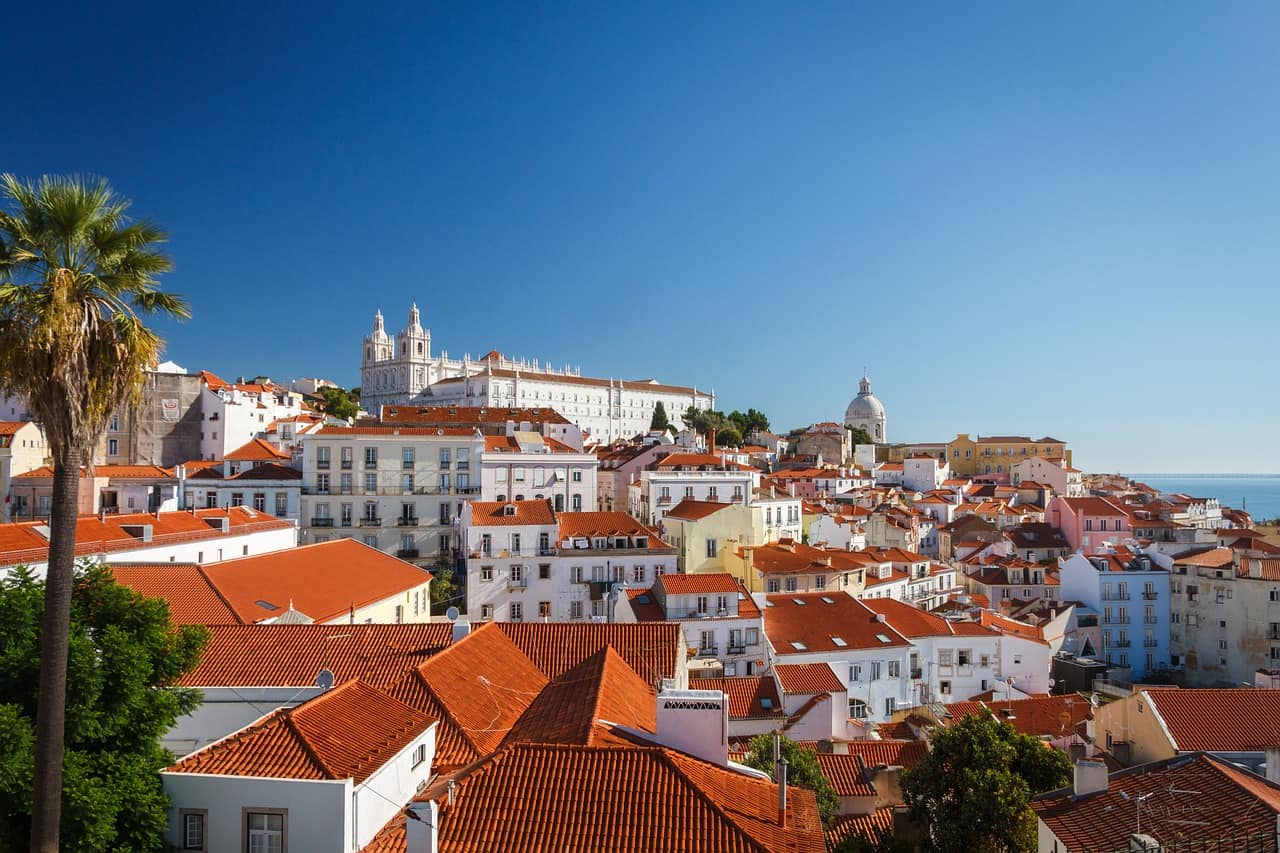
Alfama in Lisbon is the city’s oldest quarter, with a slightly weathered charm. Historically, it was never one of Lisbon’s most polished neighborhoods and was neglected for many years. Only
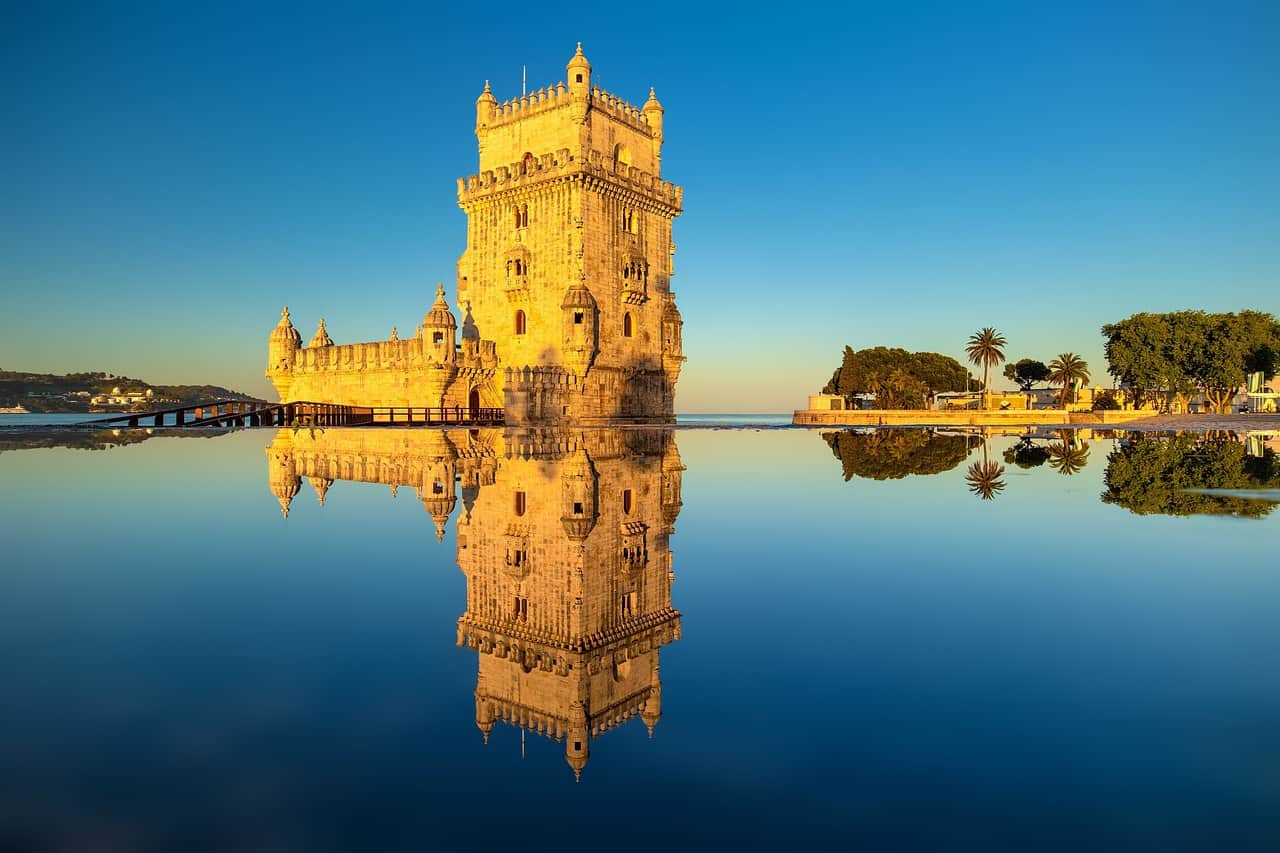
Belém, in western Lisbon, is one of the city’s most distinctive and important areas to explore. Set along the harbor at the mouth of the Tagus River, the district is
Estrela stretches across a hillside between Bairro Alto to the east and Belém to the west. Much of the district is residential, with plenty of pleasant, attractive streets lined with
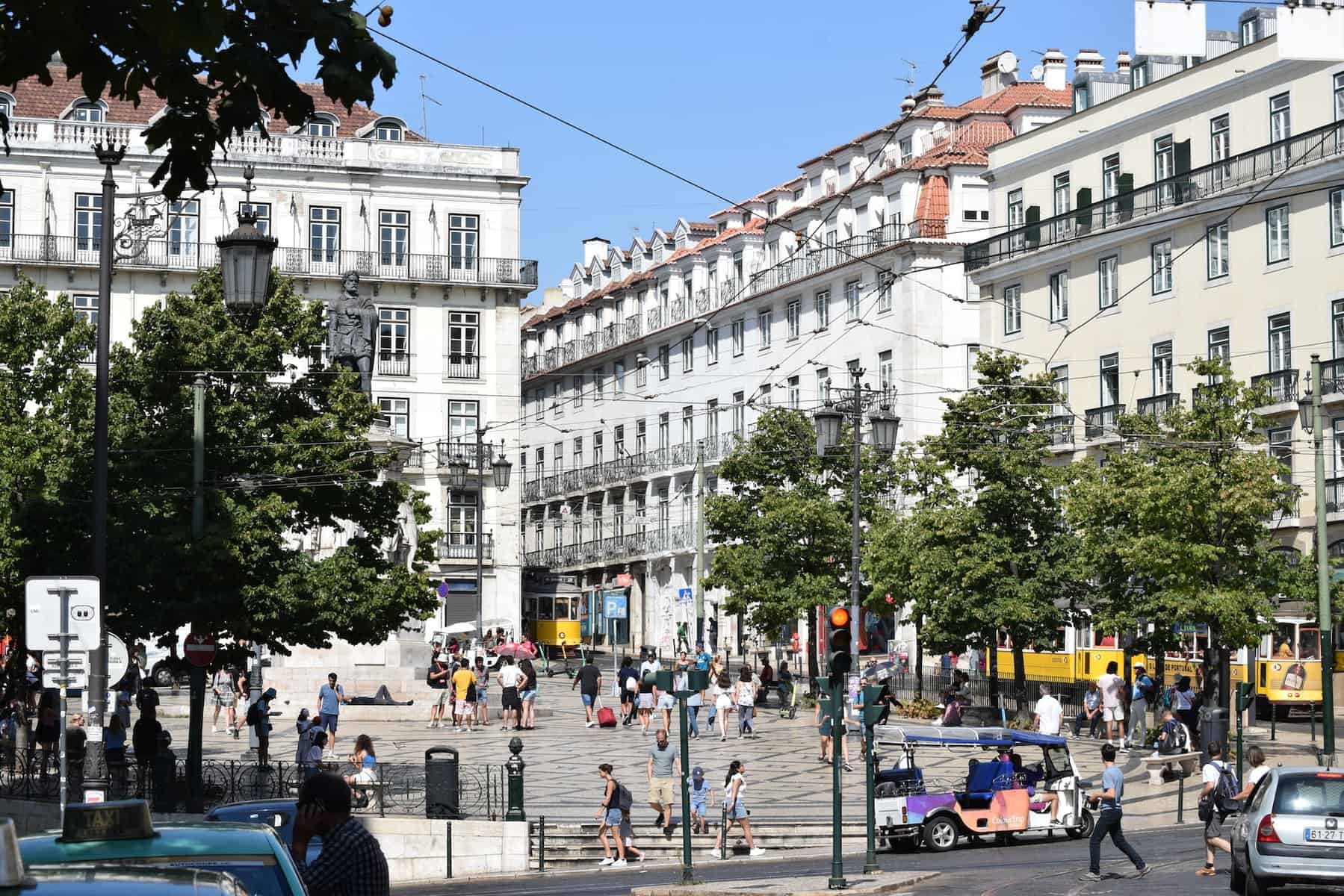
Bairro Alto is best known as Lisbon’s nightlife hub, but by day it offers a lovely walking route where you can get a real feel for the city’s lively center.
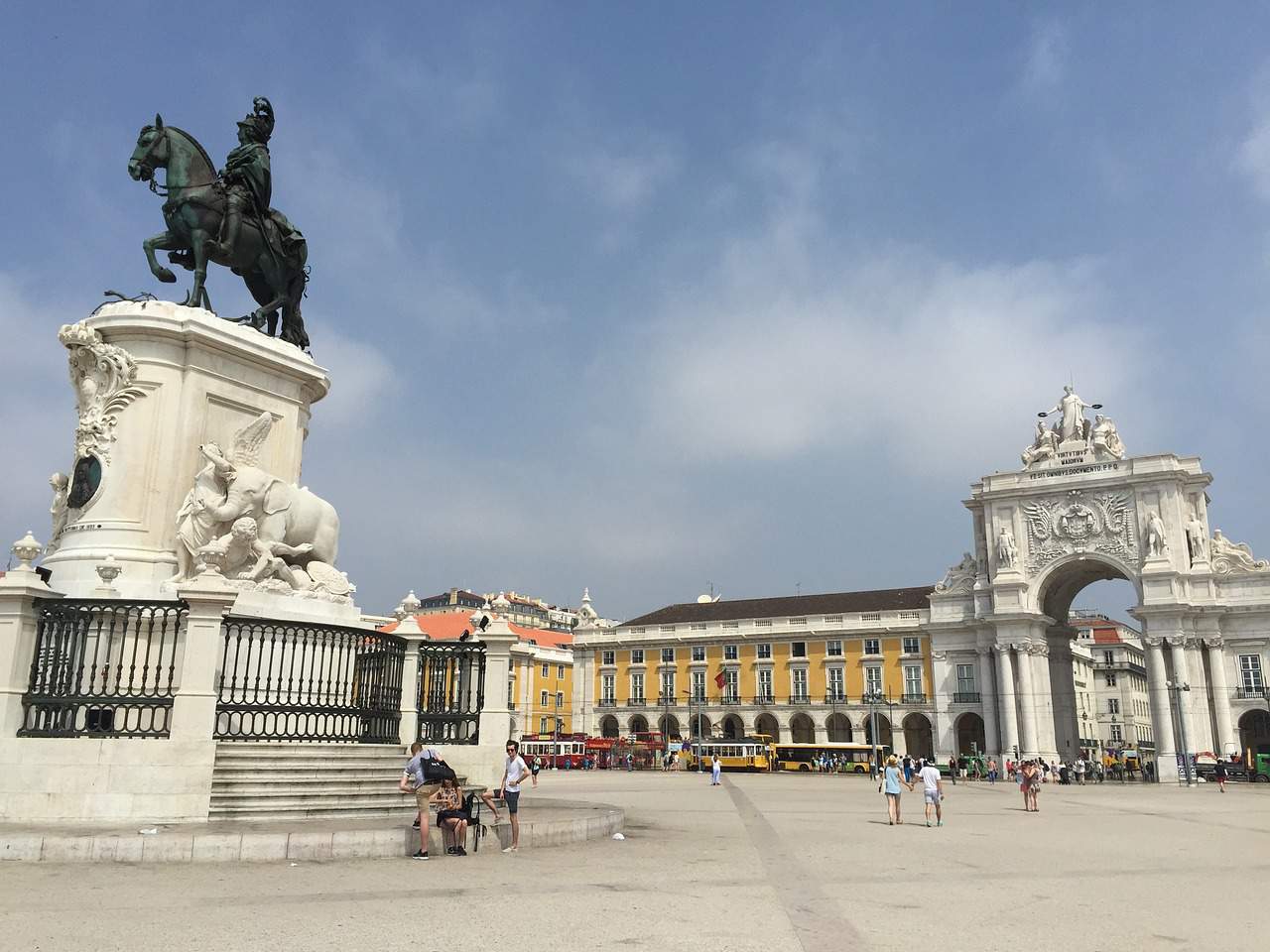
Baixa is Lisbon’s downtown core. Most of the district was rebuilt after the devastation of the great earthquake of 1755, along the low valley between Alfama Hill to the east
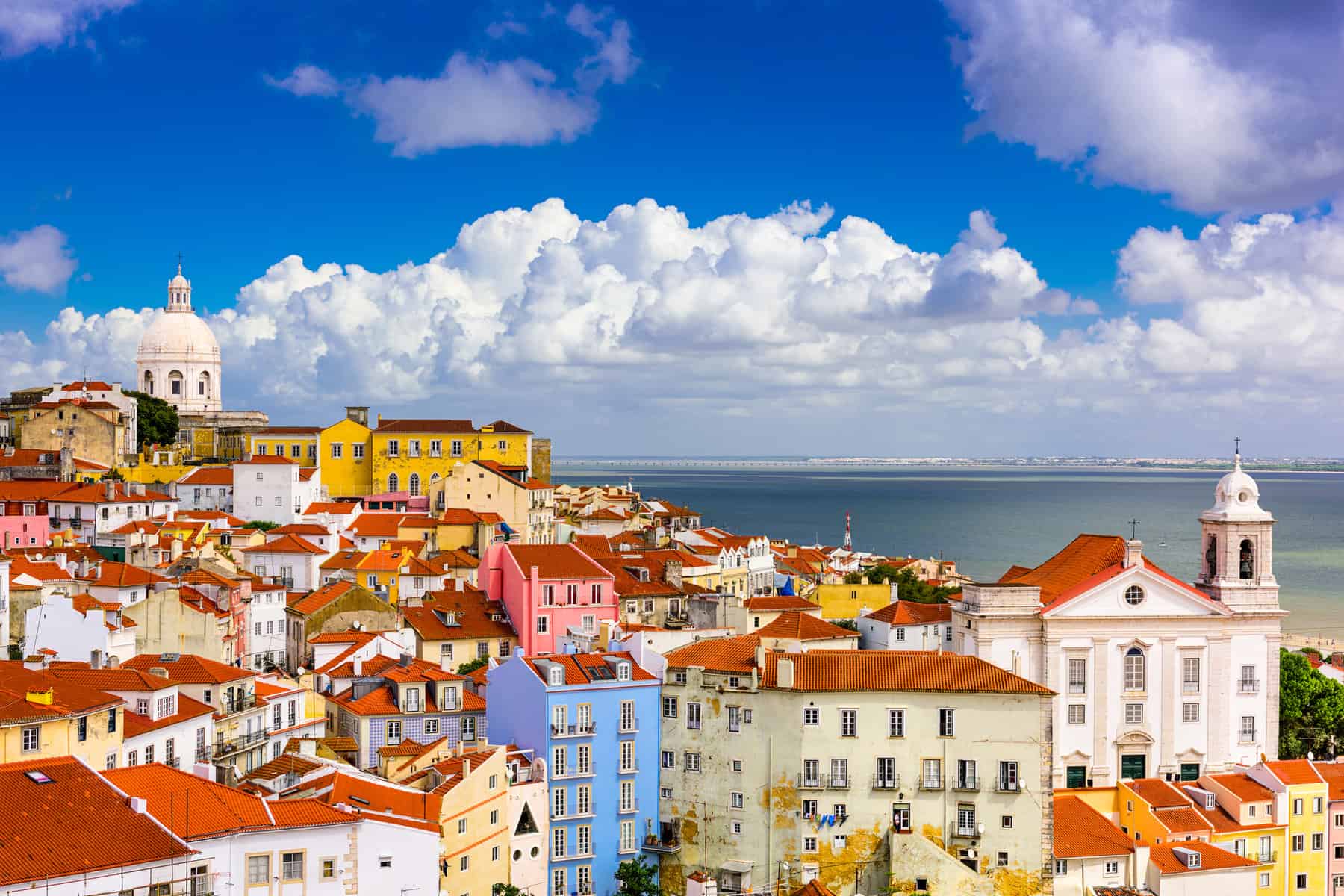
Lisbon, the capital of Portugal, is a large, dynamic city with plenty to see and do. It may not be as visually striking as its great northern rival, Porto, but
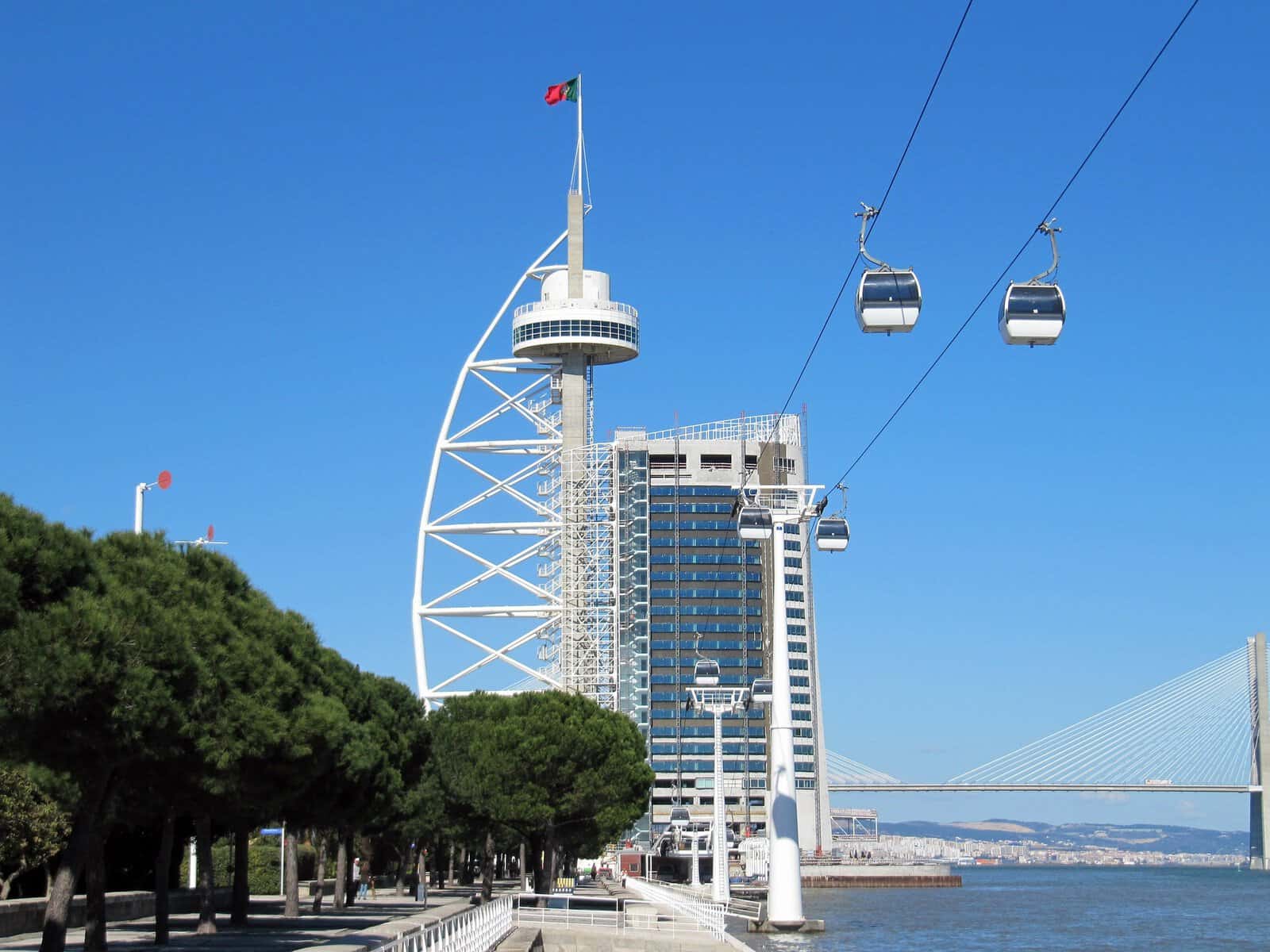
Just beyond Lisbon’s historic center, you’ll find quite a few attractions that are well worth the trip. Across the spectacular 25 de Abril Bridge lies the city of Almada, where
מזמינים חופשה בפורטוגל?
קבלו סיוע של סוכן אישי!
• דילים למלונות מעולים כולל טיסות ורכב
• מבצעים מיוחדים למשפחות
• מסוכנות נסיעות ישראלית ותיקה