Azores

The Azores lie about 1,600 kilometers west of Portugal’s coast, in the heart of the Atlantic Ocean. They are already relatively close to the American continent, but still closer to Europe. The Azorean archipelago is divided into three island groups spread across 650 kilometers of ocean:

The first group: São Miguel, the largest island, and Santa Maria, the southernmost island.
The second group: Terceira, the second-largest island; the Triangle Islands—São Jorge, Faial, and Pico; and Graciosa, the isolated island to their north.
The third group: Flores and Corvo, the smallest and westernmost islands, which geologically already belong to the American continent.

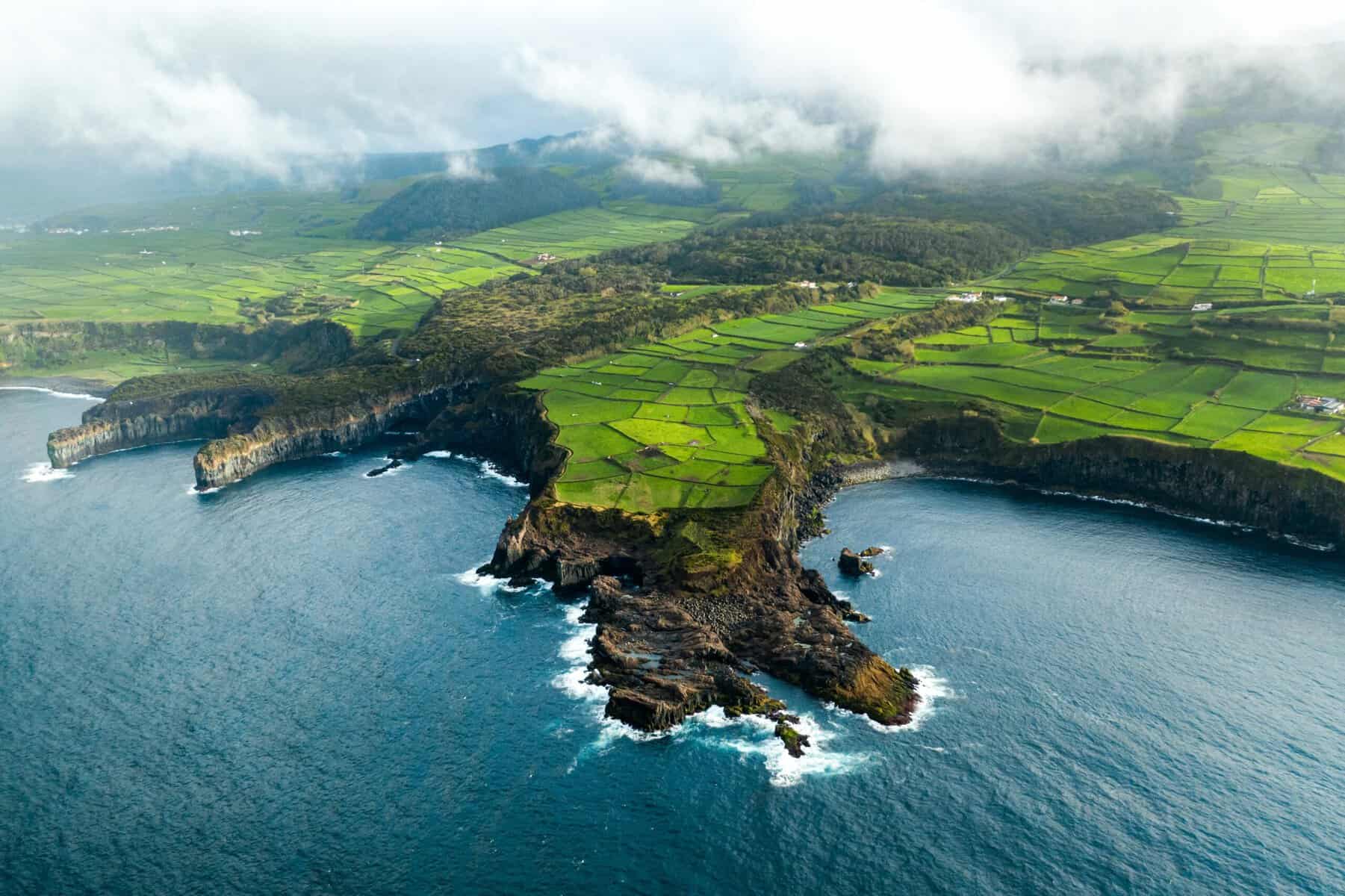
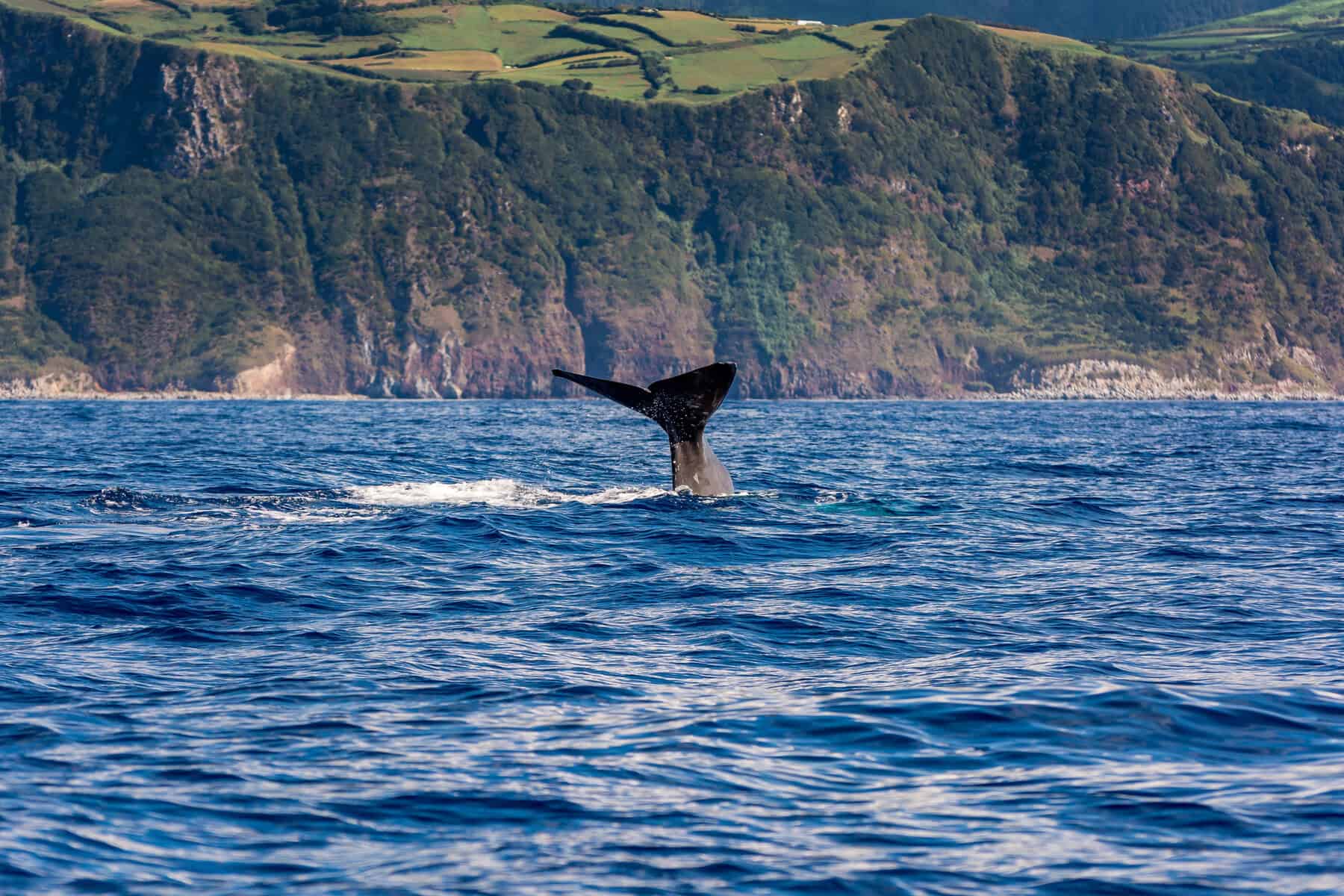
A trip to the Azores feels like stepping back in time to the dawn of creation—a paradise of lush, untouched nature. There is an abundance of water and blue ocean on all sides, often filled with whales and dolphins. Since their discovery in the 15th century, the islands served as a stop on the route from Europe to America, and all the great explorers passed through, including Columbus. They are highly agricultural islands, and today they also have a thriving tourism industry that draws many visitors, including from America, which is only about 4–5 hours away by air.

How much time do you need for a trip to the Azores?
The Azores are one of the most isolated places in the world, so if you are making the journey, it is worth staying long enough to experience as much as possible. A trip covering the large island of São Miguel and one additional island requires at least 5 days. A deeper trip that also includes two or three of the central islands will require a week.
What are the most popular attractions in the Azores?

Whale-watching cruises depart from almost every island
Volcanic geology, craters, and unique rock formations on every island
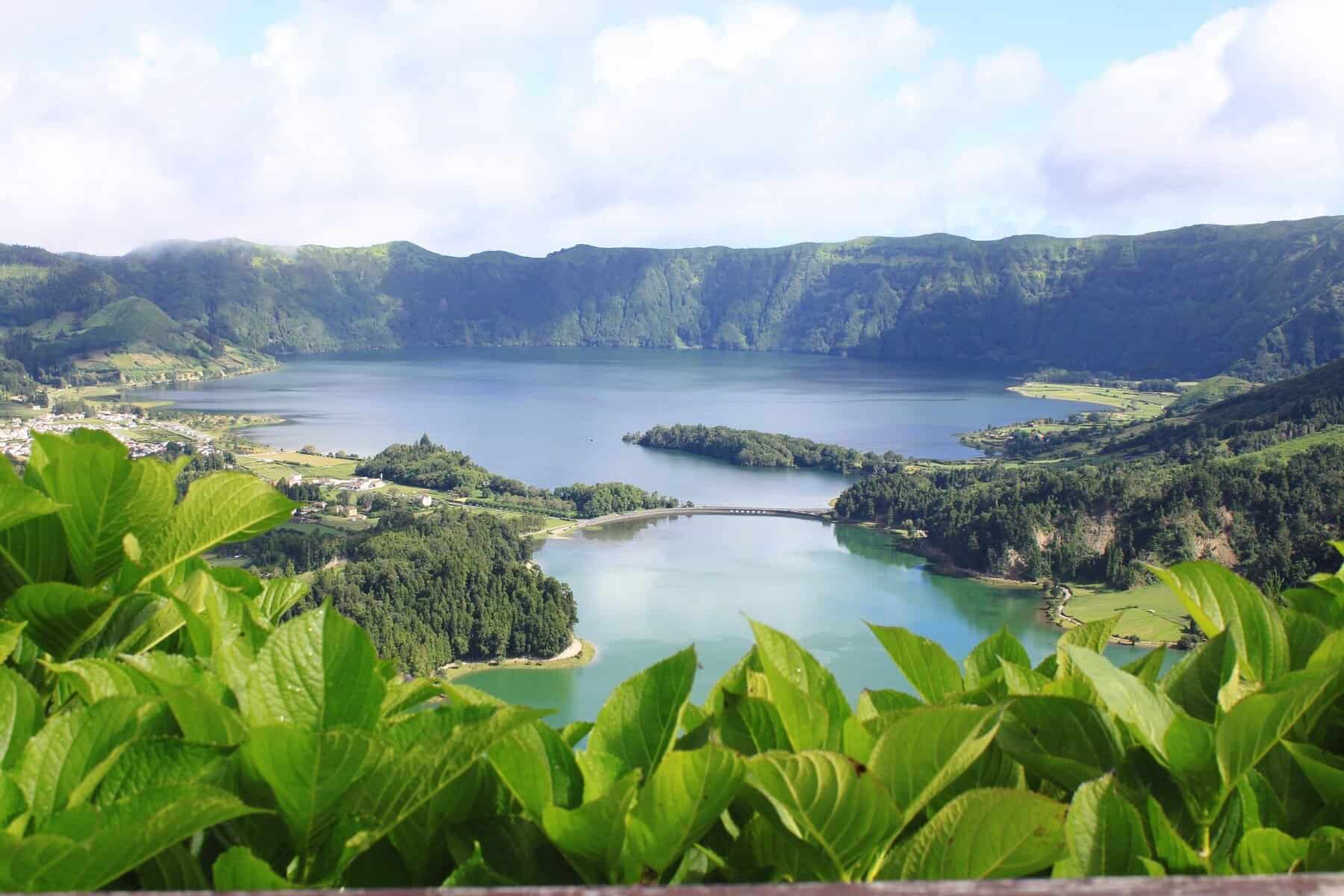
Lagoa das Sete Cidades—the lakes inside the green craters on the large island of São Miguel
Ponta Delgada—the main city of São Miguel, which is also the capital of the entire archipelago
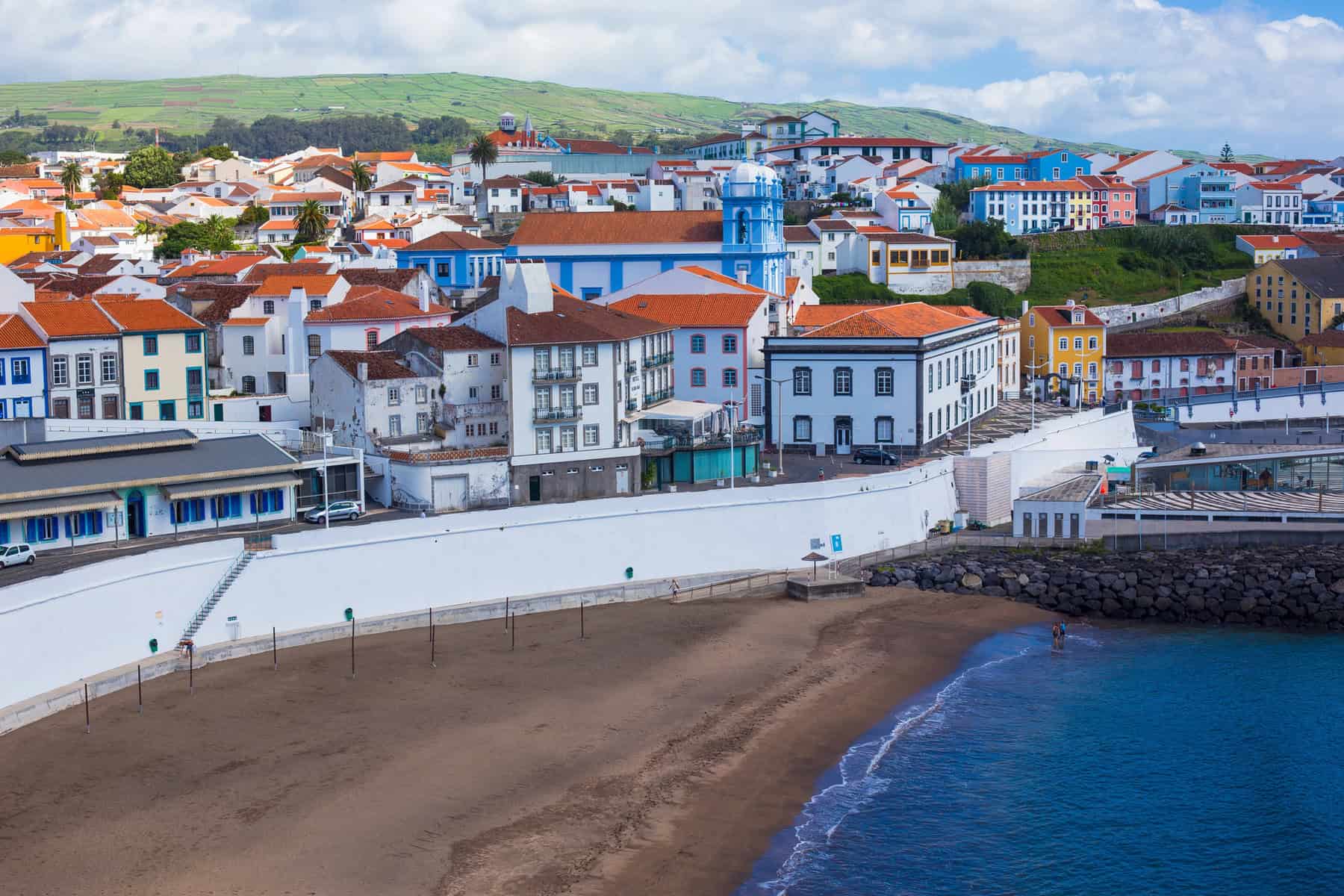
Terceira, the second-largest island, and its capital Angra do Heroísmo
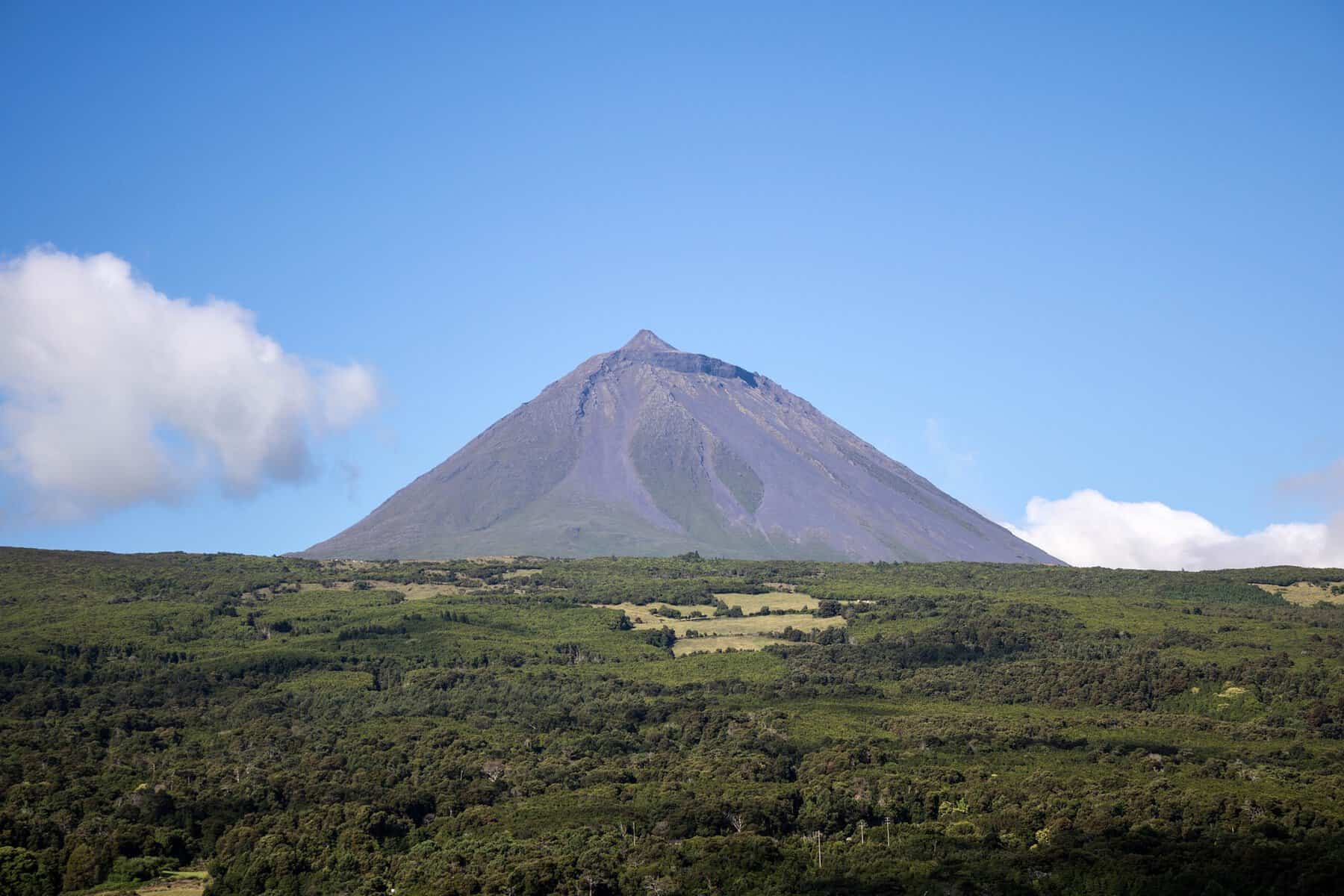
Climbing Portugal’s highest mountain—the volcano on Pico
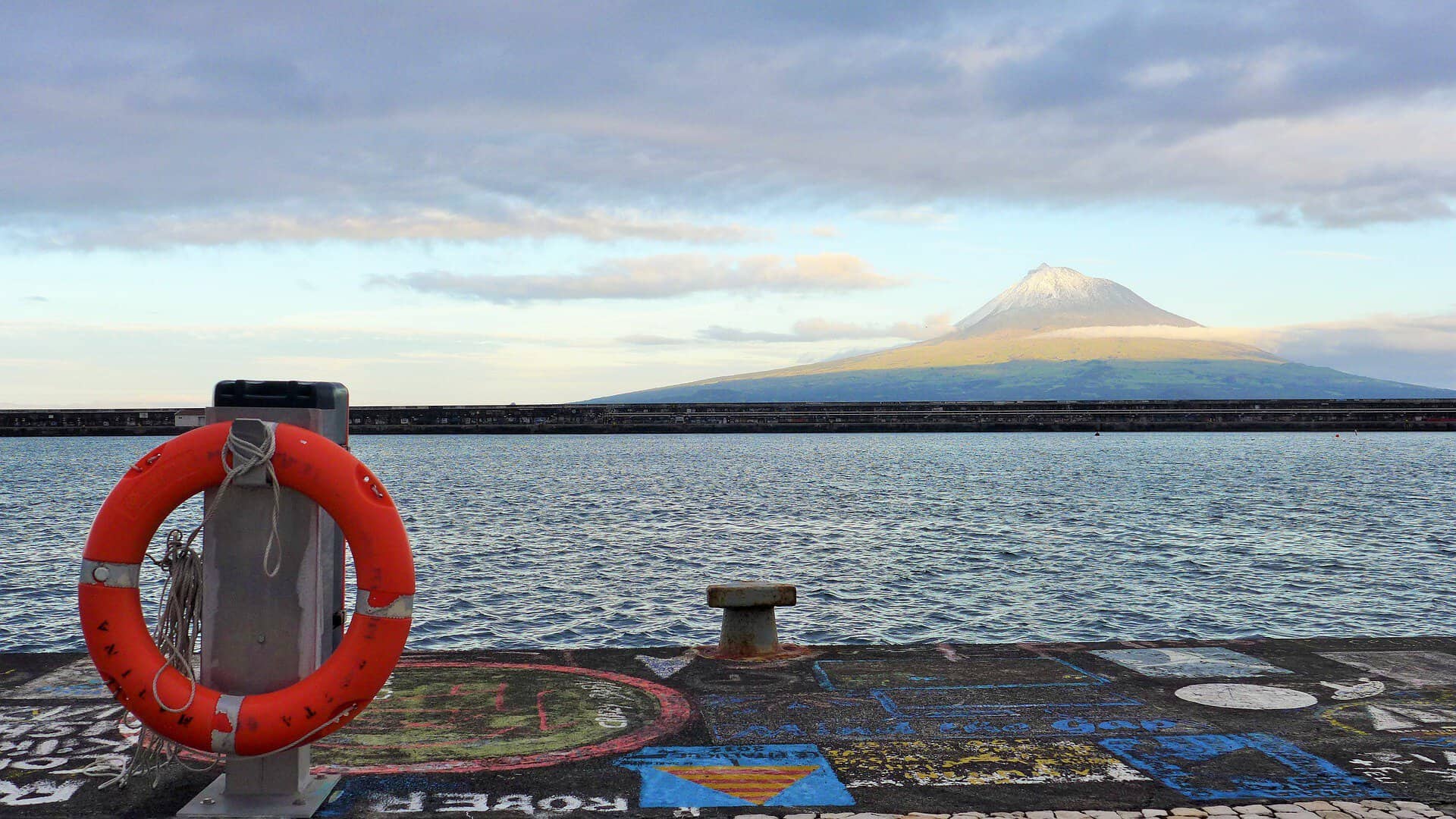
The cosmopolitan sailors’ capital of Horta on Faial
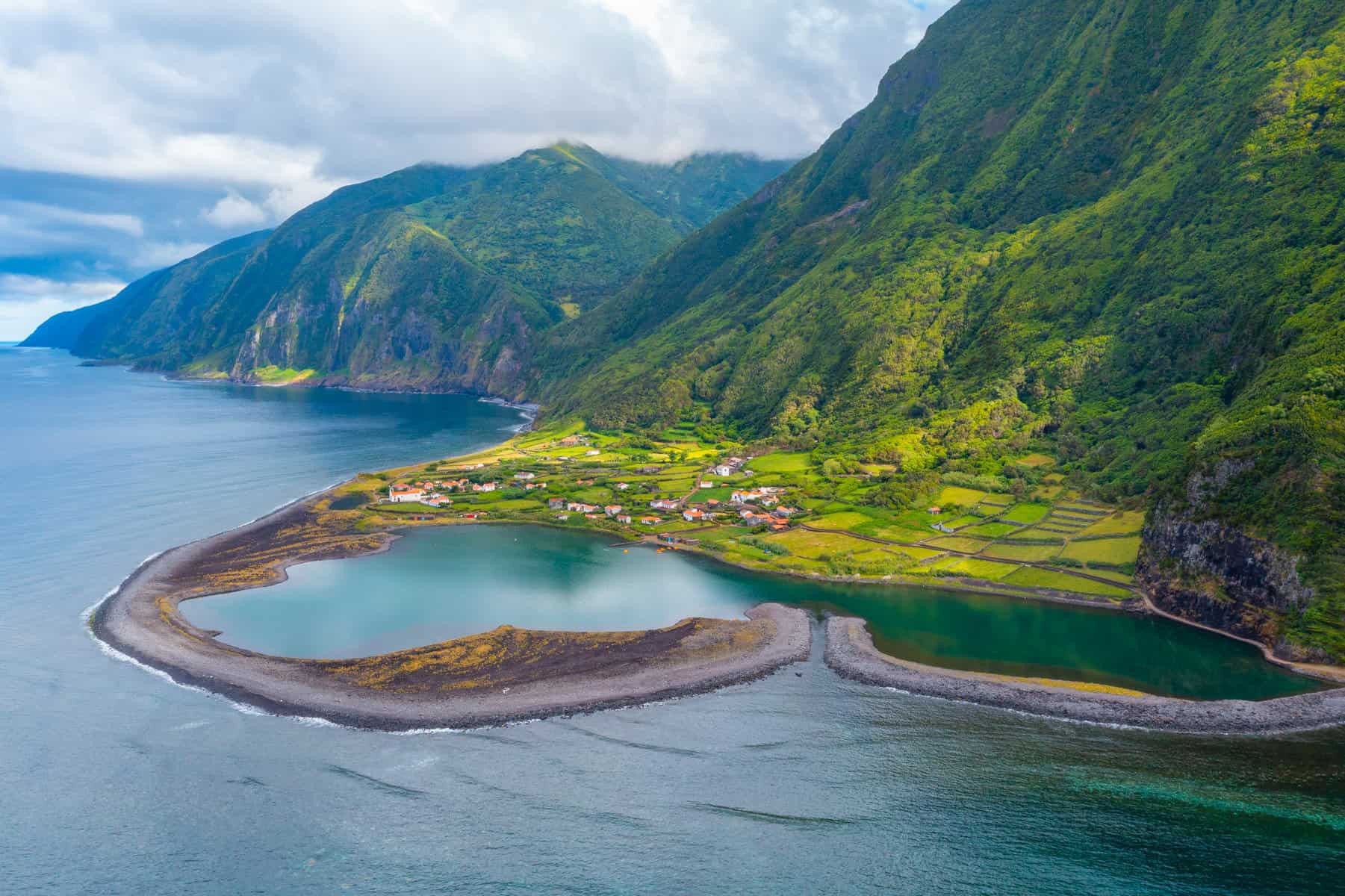
The cheeses of São Jorge and its beautiful capital, Velas
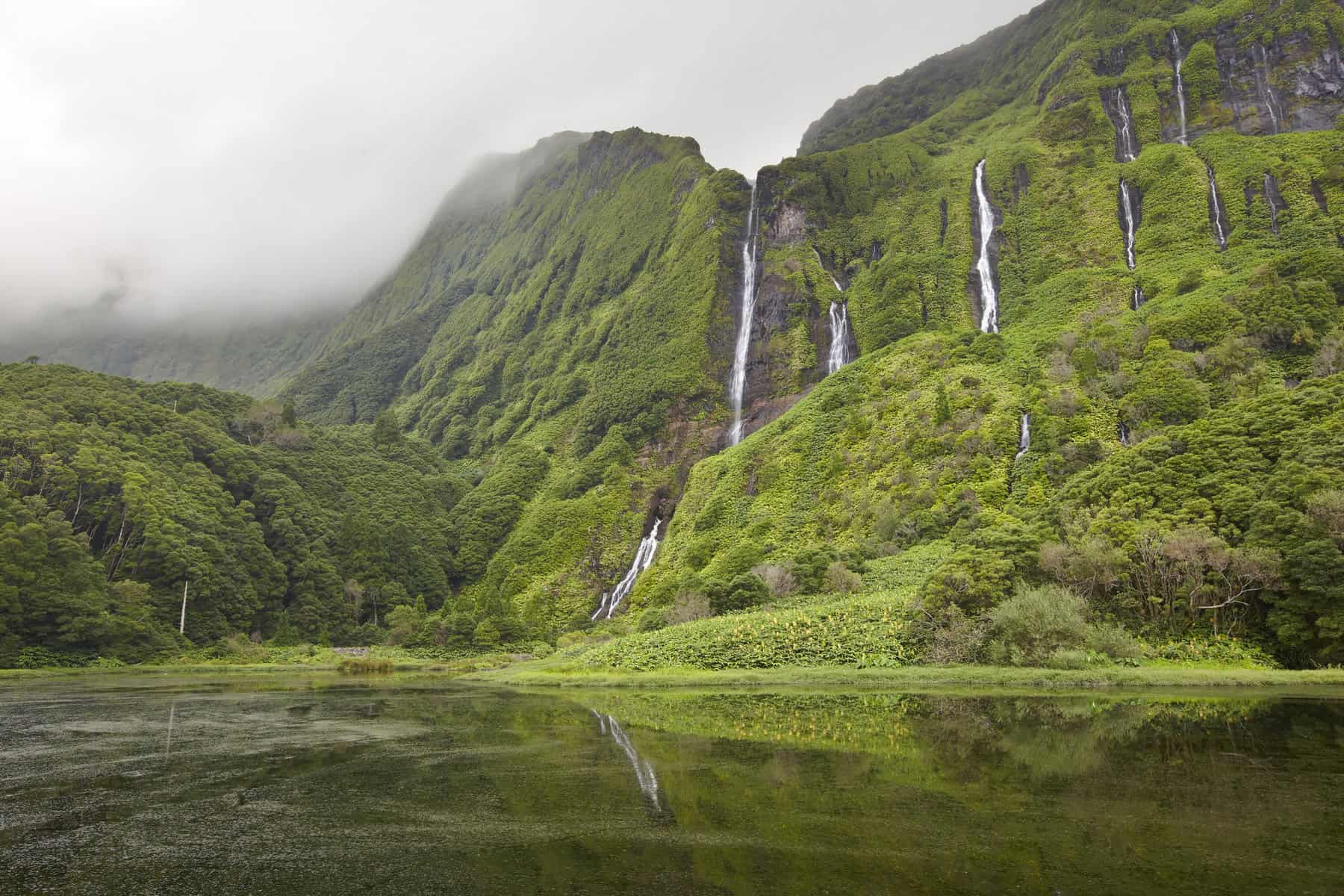
The westernmost islands, with pristine nature and waterfalls: Flores and Corvo

When should you visit the Azores?
The Azores truly sit in the middle of the Atlantic and are farther north than Madeira. They are windy and stormy in winter, so the tourist season runs from mid-spring to mid-fall. The best months to visit are the driest ones, from mid-June to mid-August. Many attractions, as well as flights and ferries, are limited or not available at all outside the tourist season.
How should you plan an Azores itinerary?
There is no fixed route in the Azores, and it is very difficult to visit all the islands in a single trip—except on dedicated cruises that provide a comprehensive tour in a reasonable time. The rule of thumb is that on a first trip to the Azores, São Miguel, the largest island, and perhaps one more island are enough. In any case, almost every Azores trip will start on São Miguel and in its capital, Ponta Delgada.

More advanced itineraries focus mainly on the central islands. If you are already visiting one of the islands—São Jorge, Faial, or Pico—it is worth visiting the other two as well, since they are well connected by ferries.

Flores and Corvo, Santa Maria, and Graciosa are isolated and do not fit naturally into a standard route, so they should be visited on a dedicated trip.

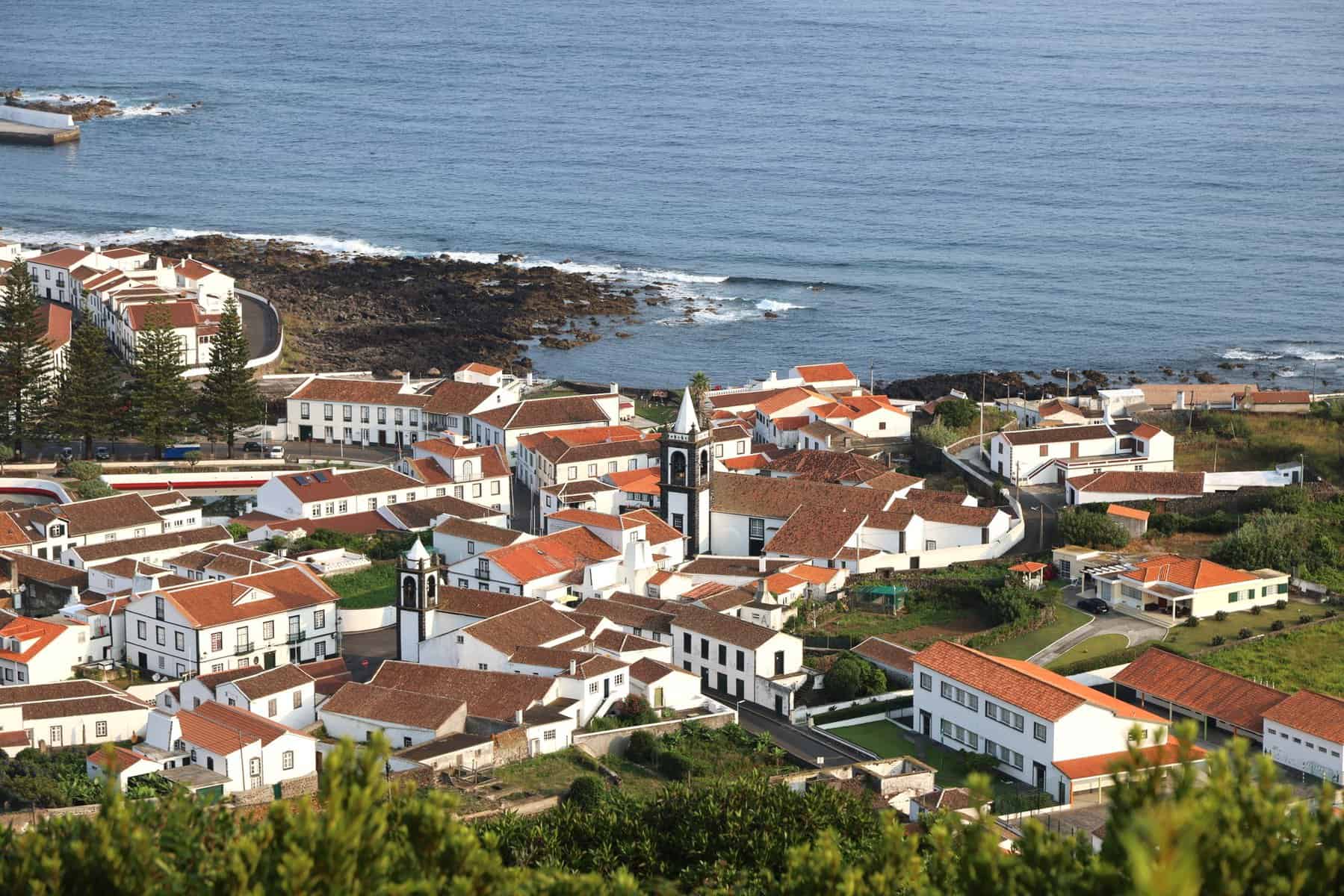
Santa Cruz da Graciosa, Graciosa Island, Azores

The Azores – Graciosa Island

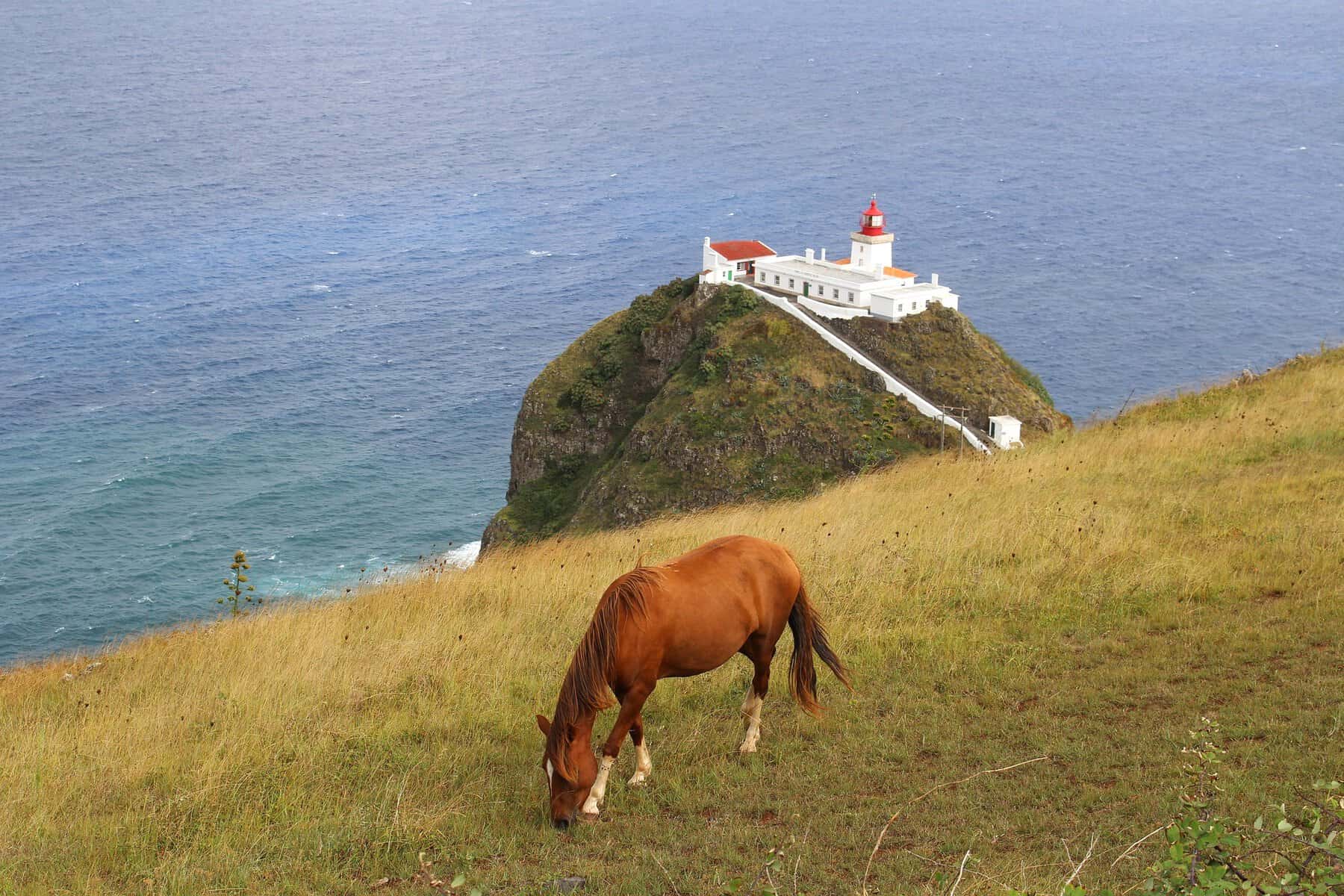
Graciosa—pronounced Graciosa by the Portuguese—is a deeply agricultural island, with fields and pastureland stretching out against the backdrop of the endless ocean. It lies at the northern edge of the
קרא עוד »

מזמינים חופשה בפורטוגל?
קבלו סיוע של סוכן אישי!

• דילים למלונות מעולים כולל טיסות ורכב
• מבצעים מיוחדים למשפחות
• מסוכנות נסיעות ישראלית ותיקה