A comprehensive guide to planning the perfect trip
Portugal, the peaceful country at the southwestern edge of Europe, is a wonderfully varied destination that still manages to feel easygoing and welcoming wherever you go. From medieval castles to golden beaches, from large, lively cities to sleepy little villages, you’ll find beautiful scenery, warm and friendly people, and fantastic food. And that’s only the beginning of a trip through this remarkable country.
You’ll find hundreds of guides covering everything you need to know about traveling in Portugal: – City and island overviews – Popular attractions (and lesser-known ones too) – Flights, accommodations, car rentals, insurance, and connectivity – National parks, beaches, and nature travel regions – Information for families with children, or older couples – Ready-made itineraries
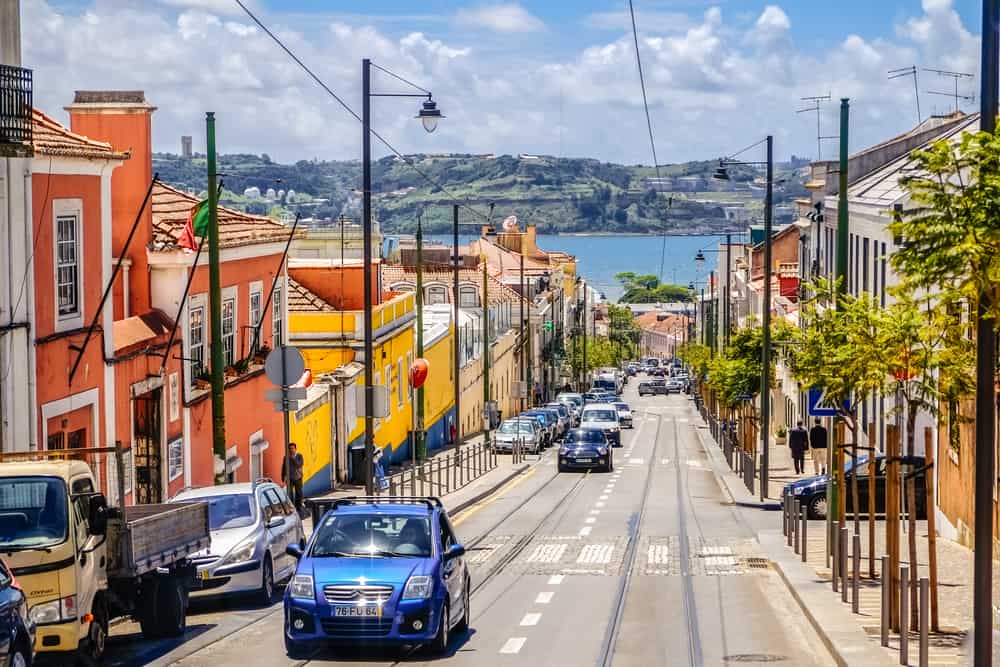
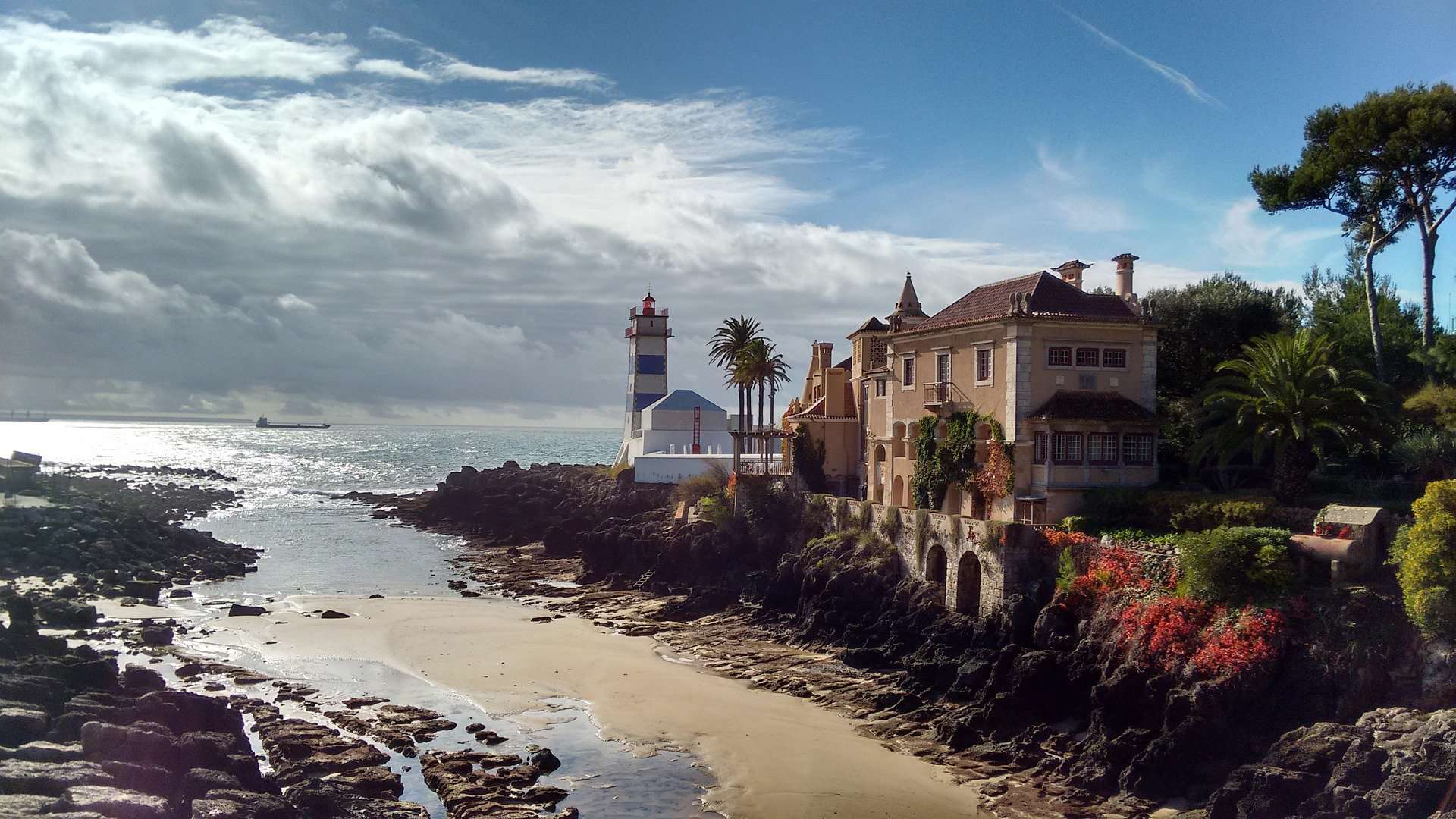
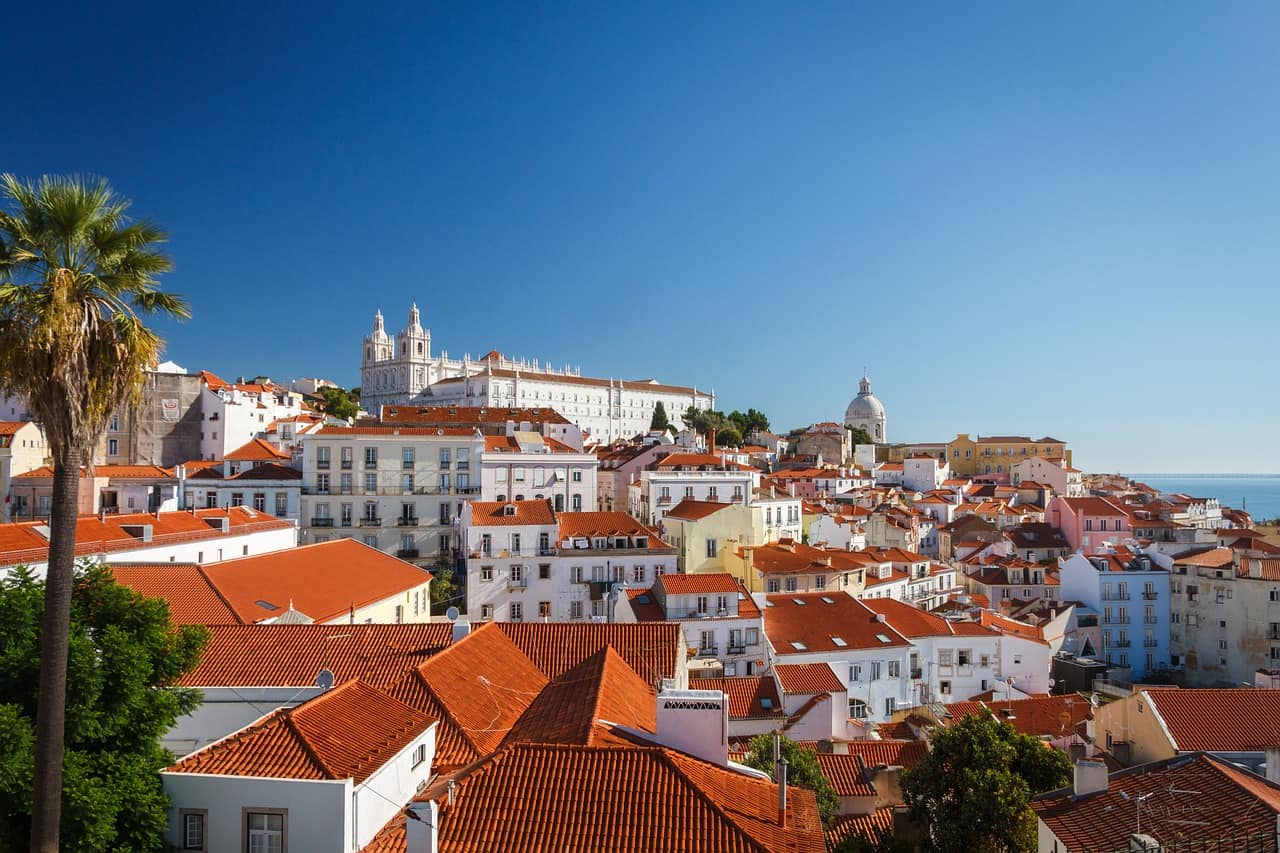
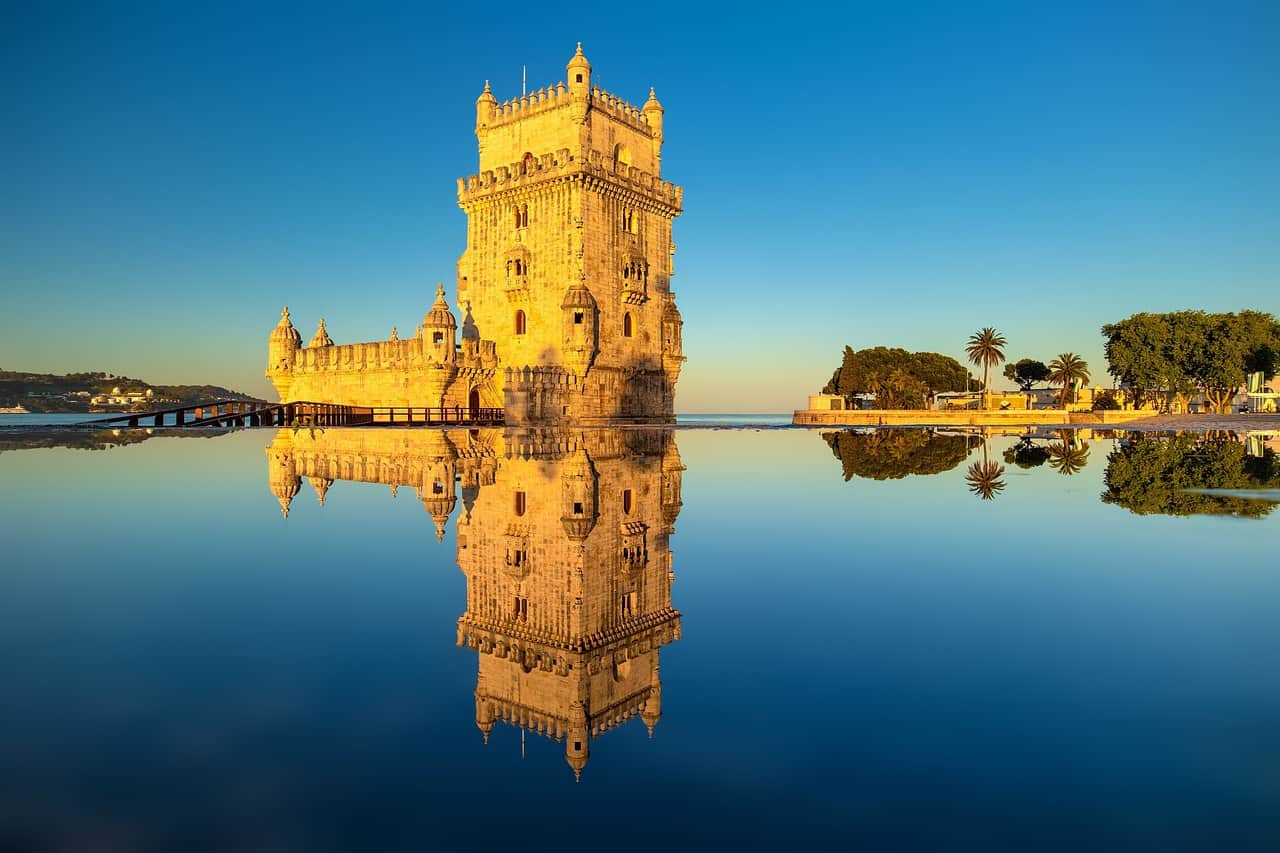
Lisbon is the capital of Portugal and the country’s largest and most important urban center, with more than three million people living across its metropolitan area. It is Portugal’s main gateway and is well connected to the rest of the country. The city is built on steep hills that create a complex urban landscape, with its famous trams climbing through the valleys between them. Lisbon has an enormous concentration of museums, historic sites, and attractions, making it a destination in its own right. A visit to the city will usually also include at least one day trip to nearby popular towns and sites such as Sintra and Cascais. Lisbon is a dynamic, lively city with outstanding food, culture, art, and of course, soccer.
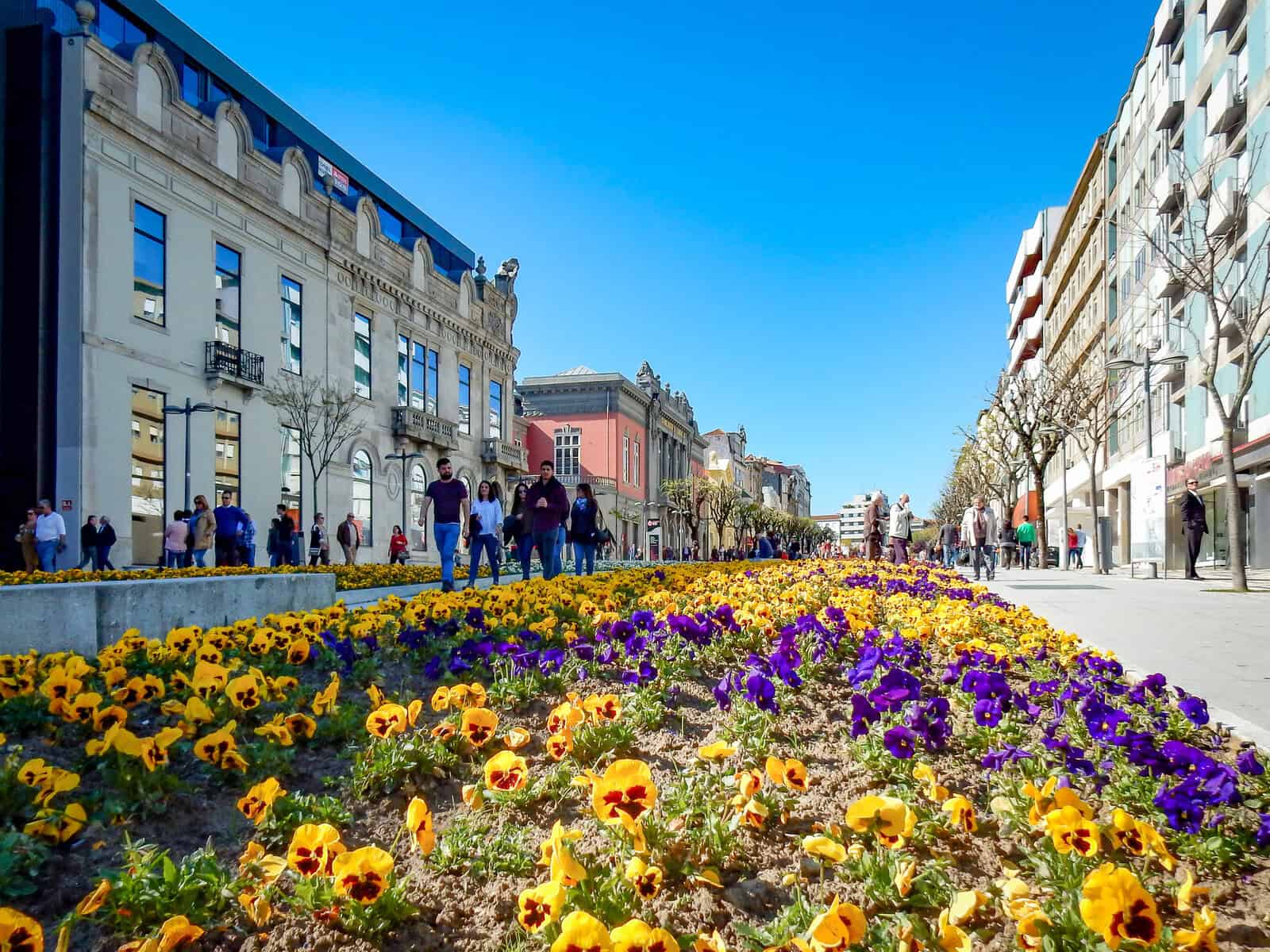
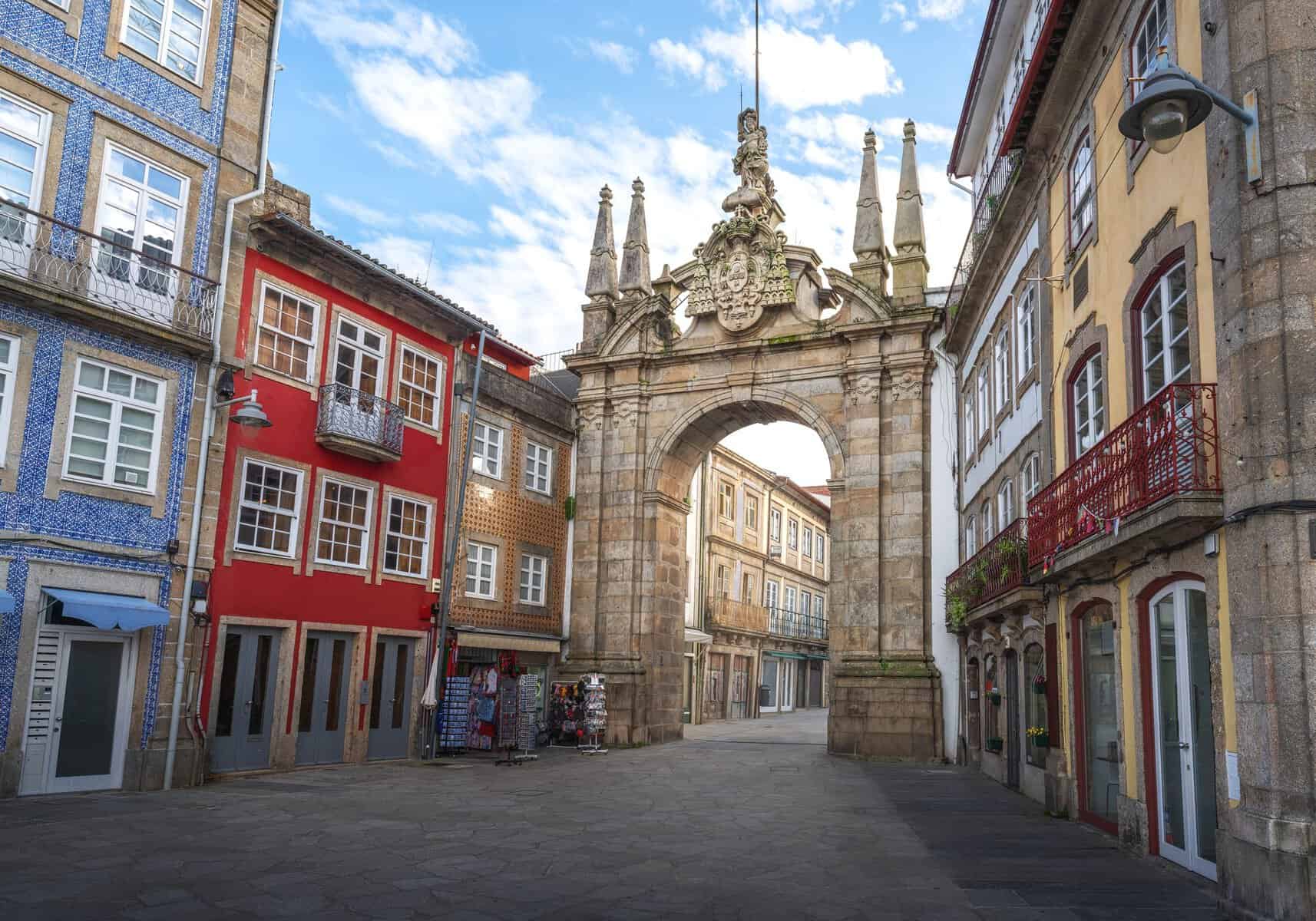
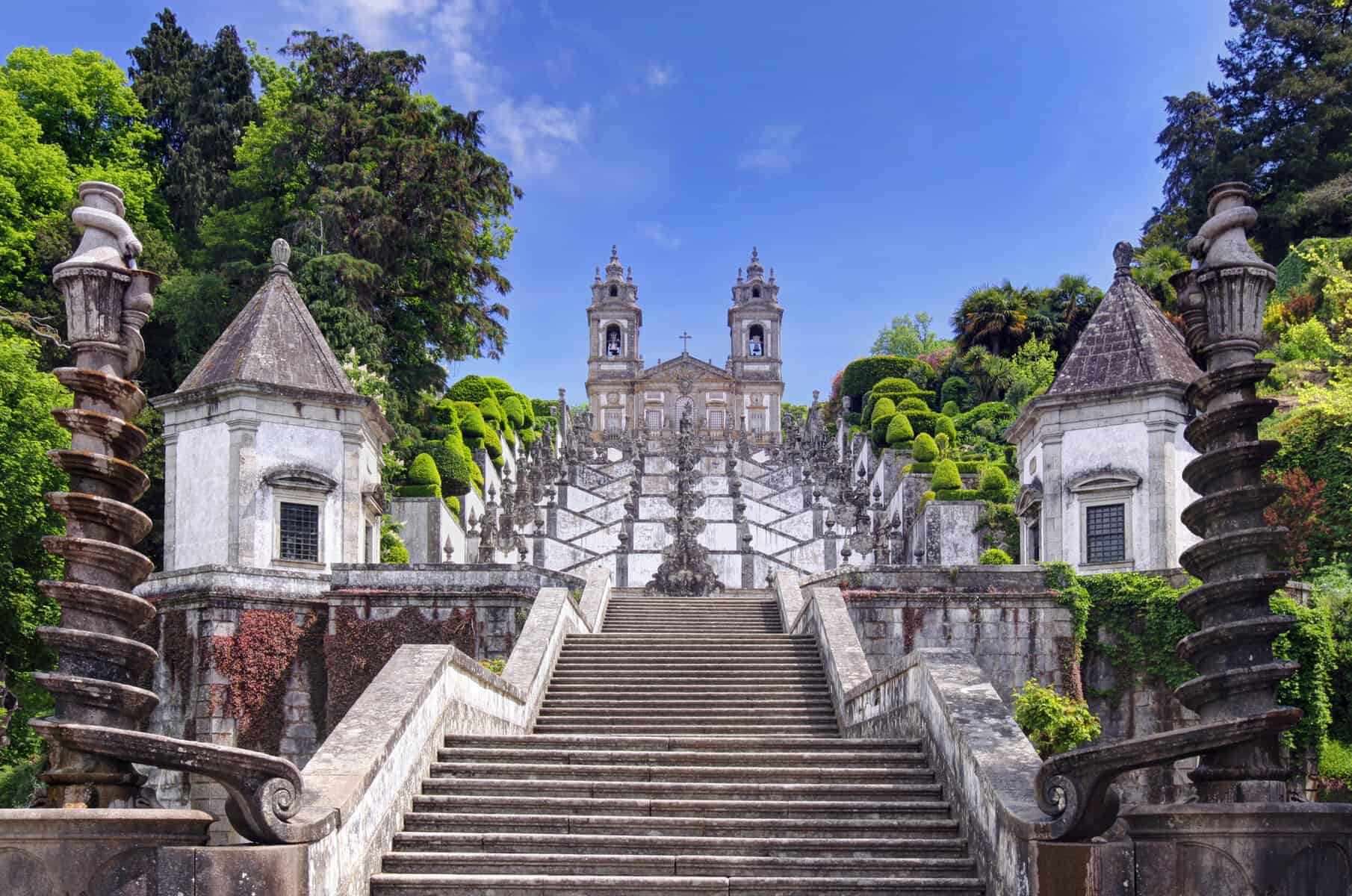
Porto is the most beautiful city in the country. Northern Portugal, where the kingdom was founded nearly a thousand years ago, is lush and feels more distinctly European than the south. Porto’s Ribeira is the colorful waterfront promenade above the docks along the Douro River, and from there you can climb the hill to the churches and lovely streets above. Porto is not as large as Lisbon, and most of its sights are clustered close together, so one or two days are enough to experience it fully. Porto is also the gateway to the rest of northern Portugal, with its forests and occasional rain. From here, you can head to Braga, the beautiful city of churches; to Guimarães, the birthplace of Portugal; to the charming Peneda-Gerês National Park; and above all to the vineyards and landscapes along the upper Douro River, whose mouth is in Porto.
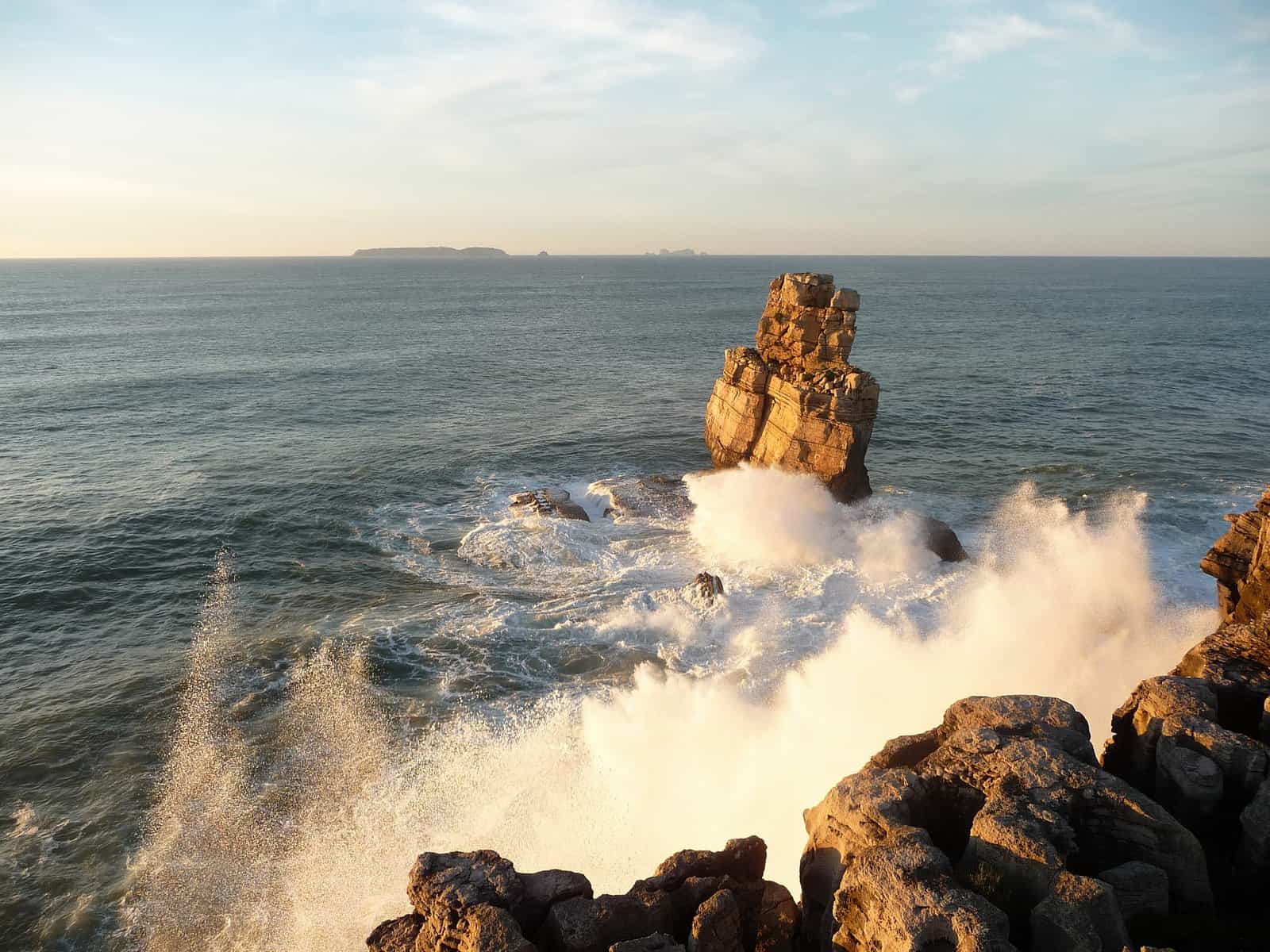
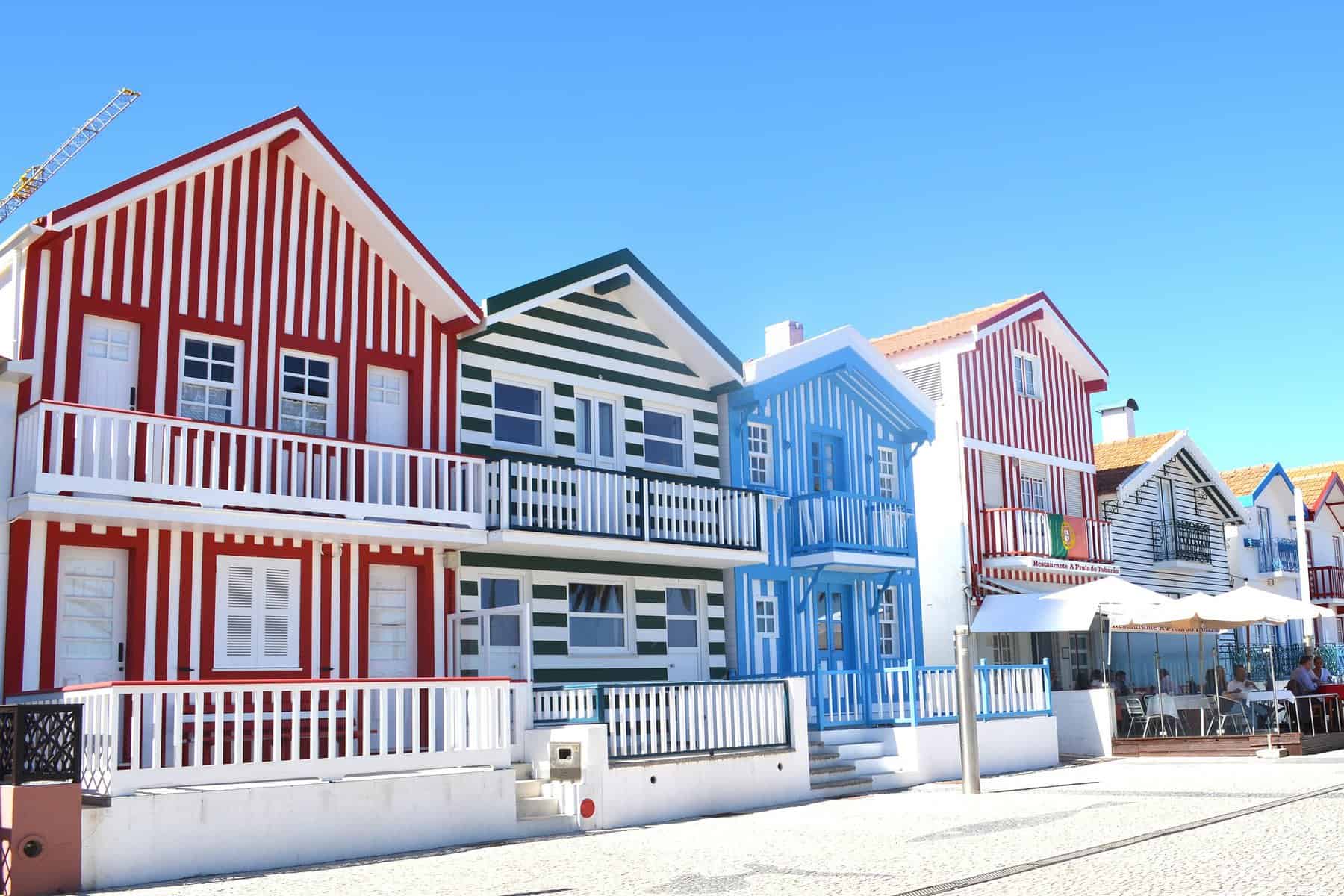
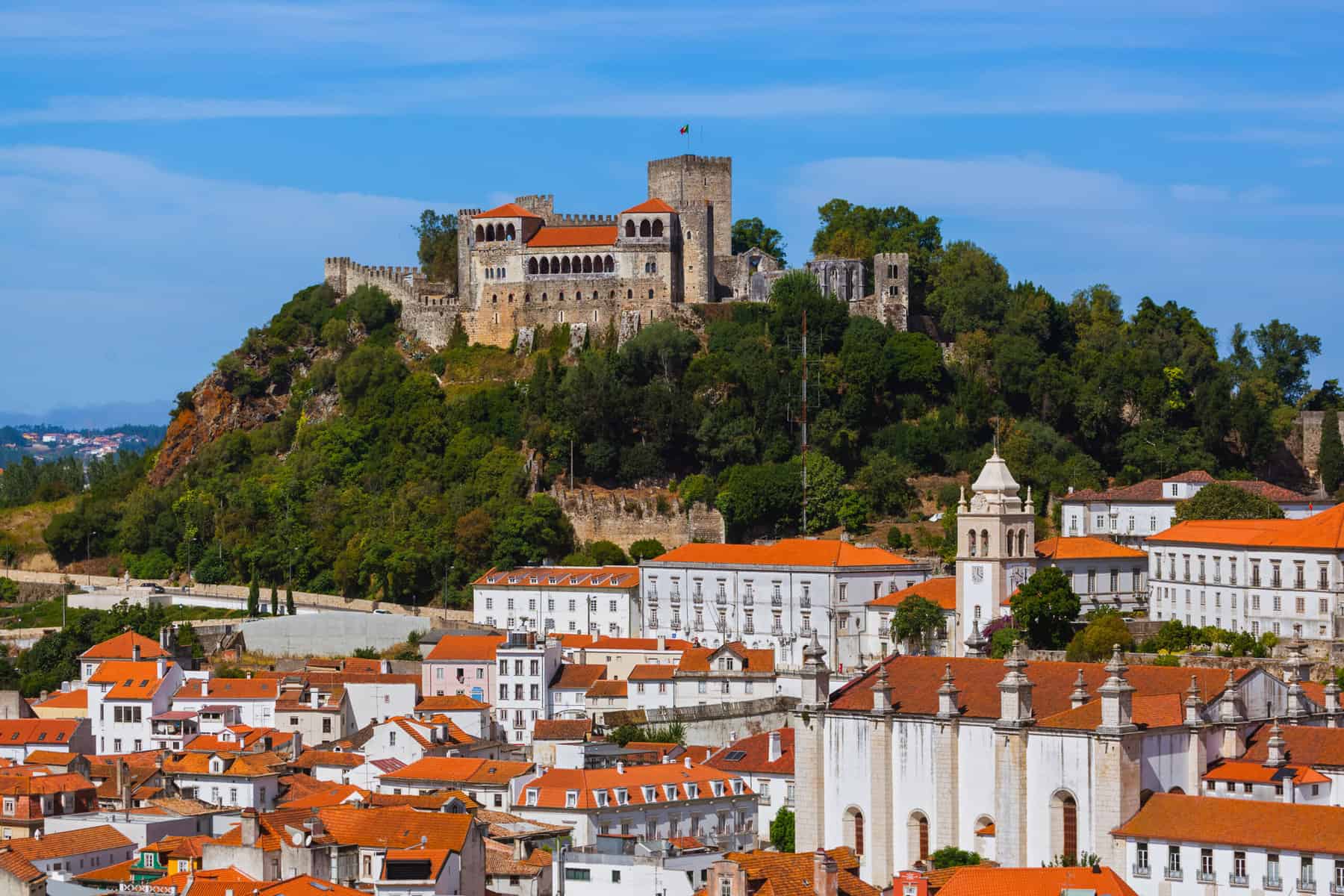
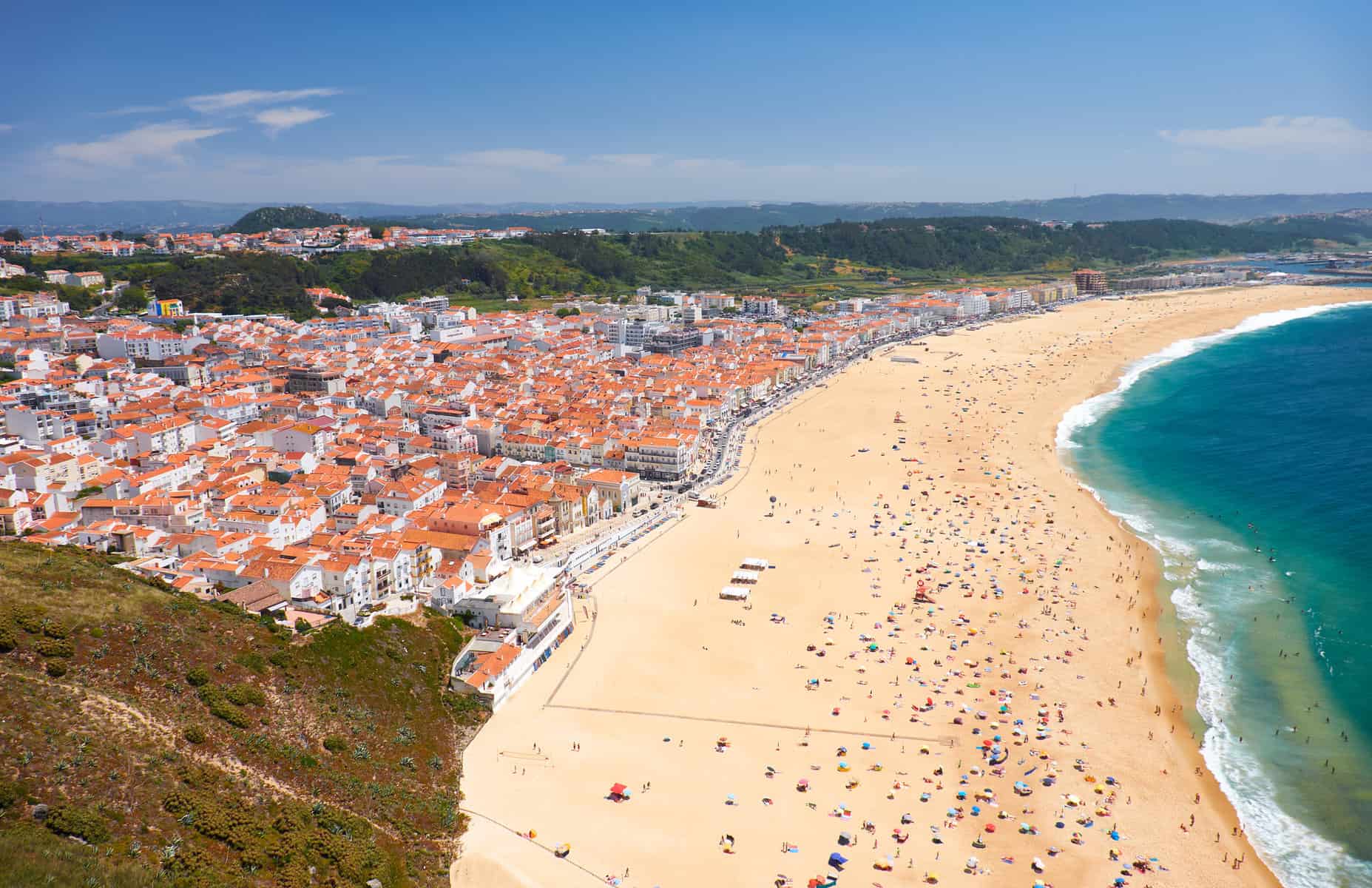
Central Portugal is the region between Porto and Lisbon. It is divided into two parts: the coastline, home to the famous surf towns, and the inland area, with a handful of mid-sized cities and, above all, vast forests and stretches of wilderness reaching to the Spanish border. Along the coast are the surf towns of Ericeira, Peniche, and Nazaré. The last of these is also very beautiful, and many travelers stop there to go up to the Sítio cliff, where they can watch the enormous waves rolling in from the west. Inland, Coimbra is the largest city and is known as a university town, which shapes the character of this beautiful hilltop city. Most visitors to Central Portugal are traveling between the country’s two largest cities. In most cases, travelers decide in advance which stops they want to make in Central Portugal and plan the relatively short route between Porto and Lisbon accordingly, or the other way around.
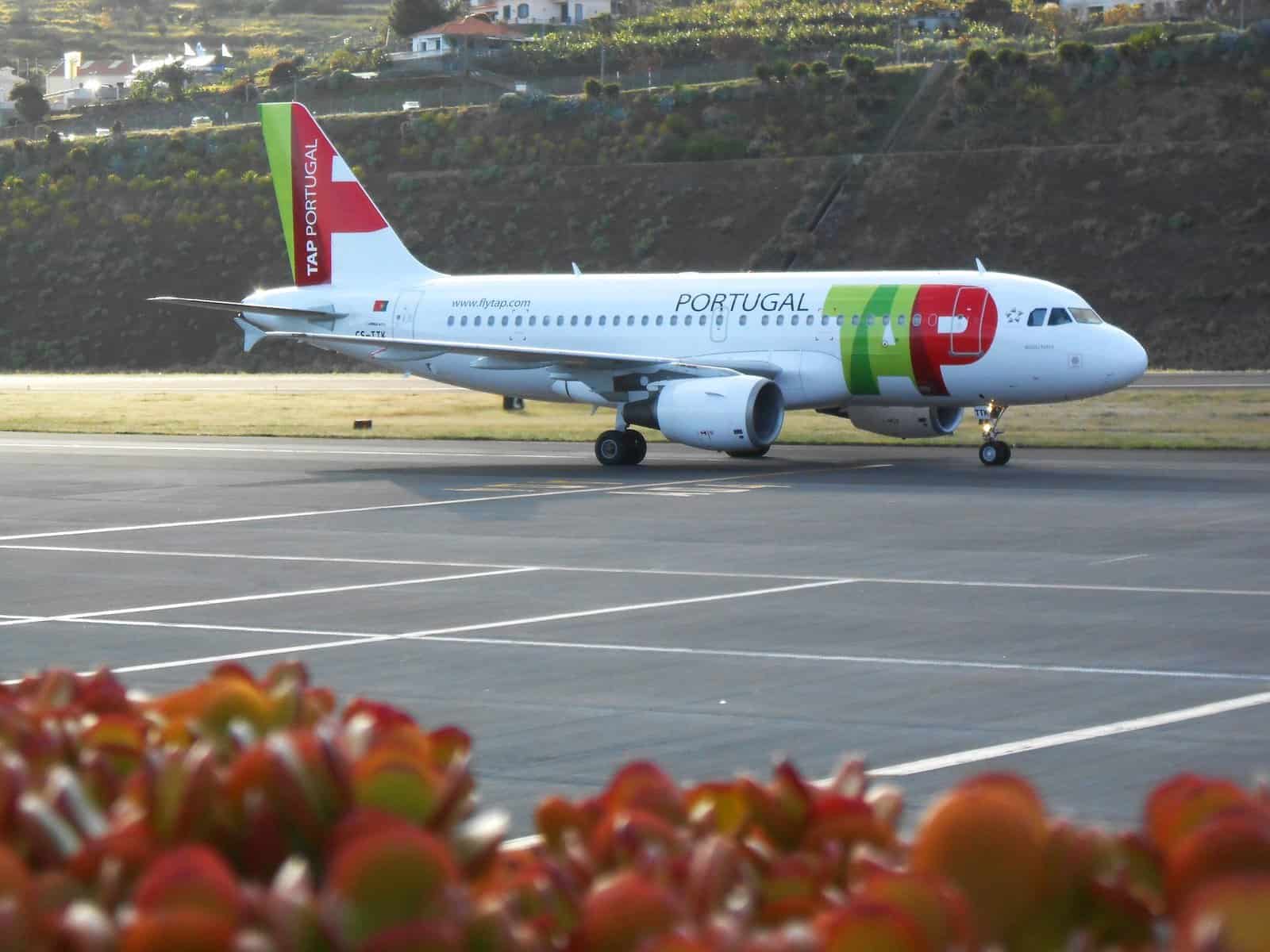
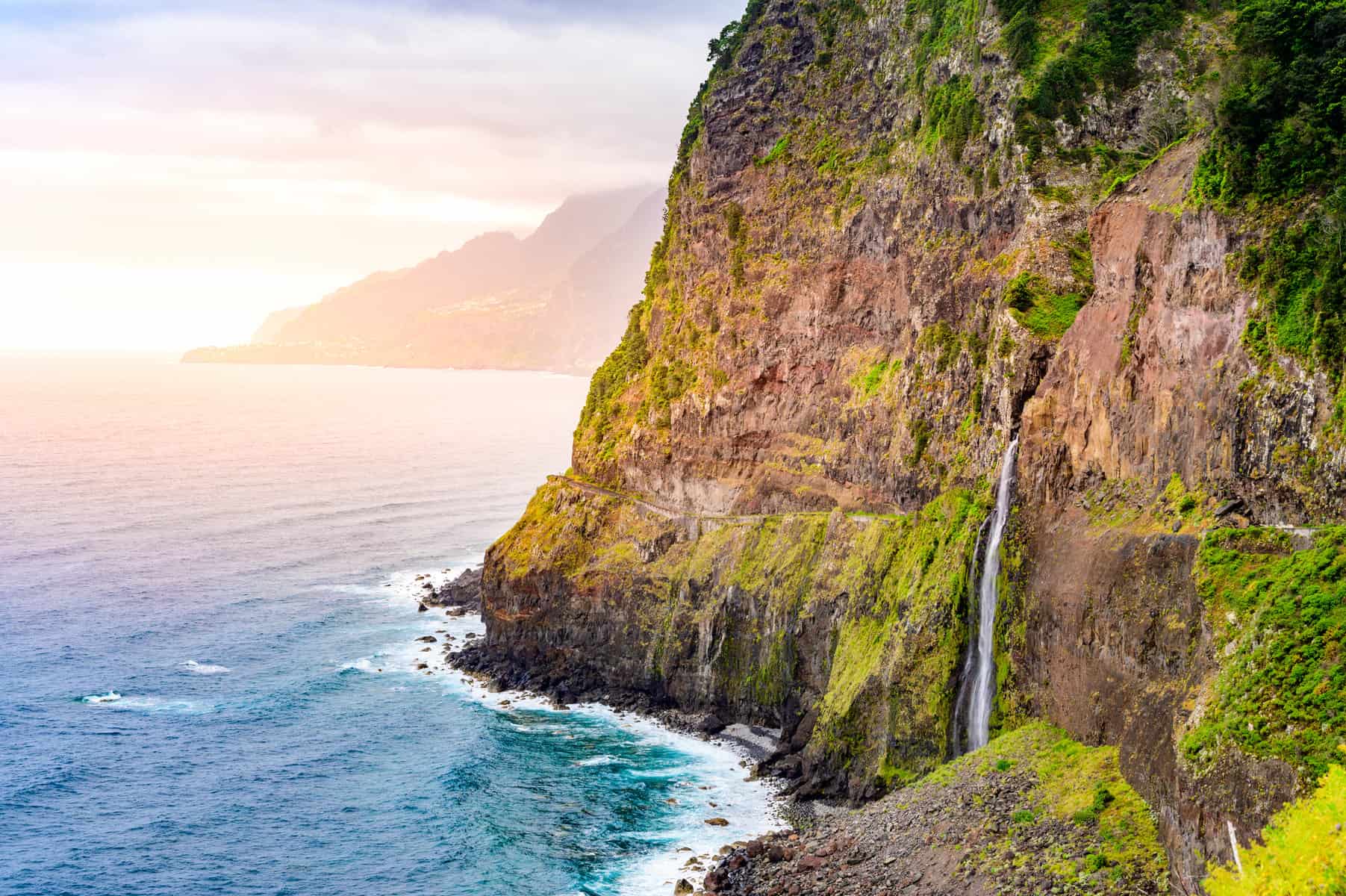
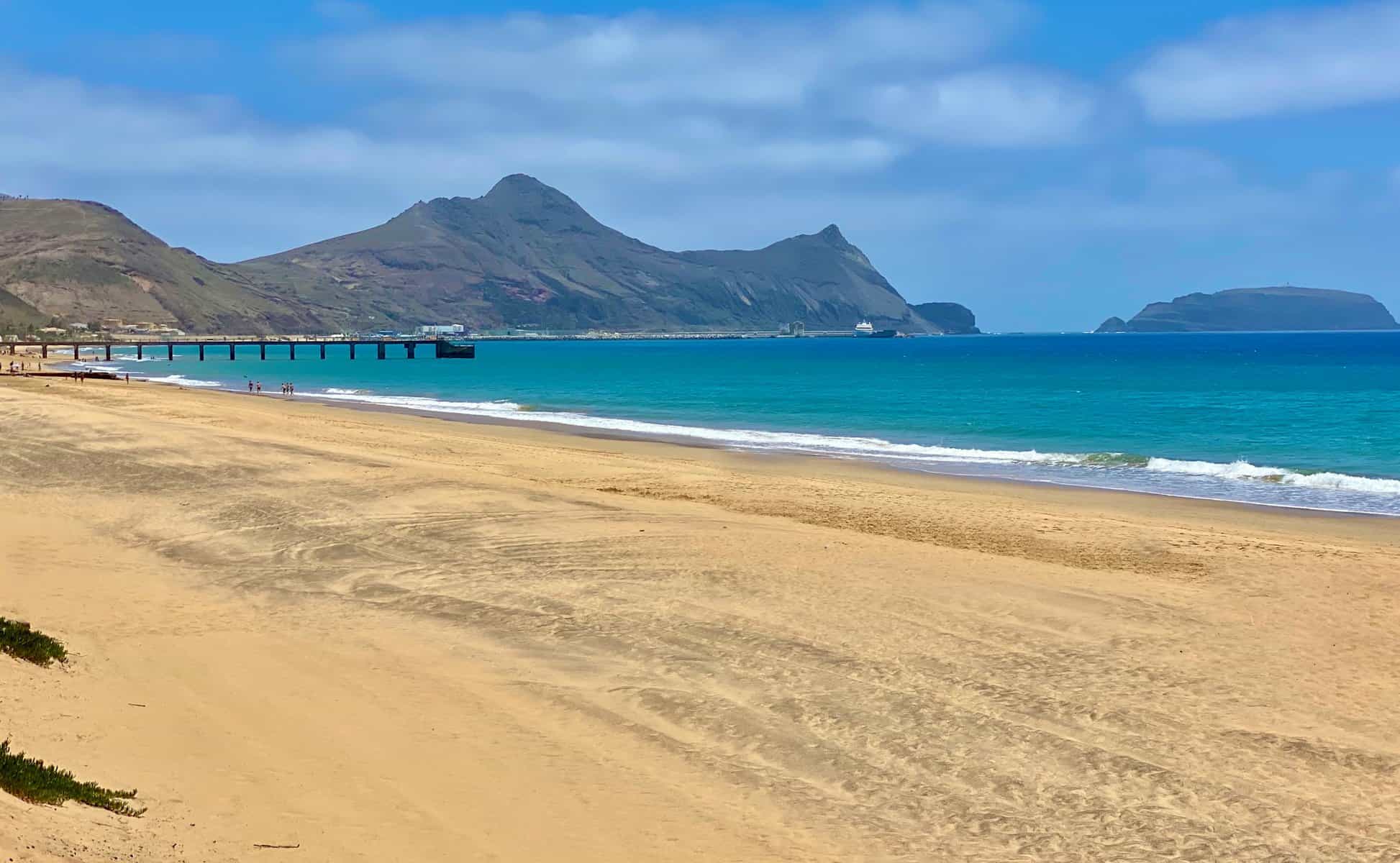
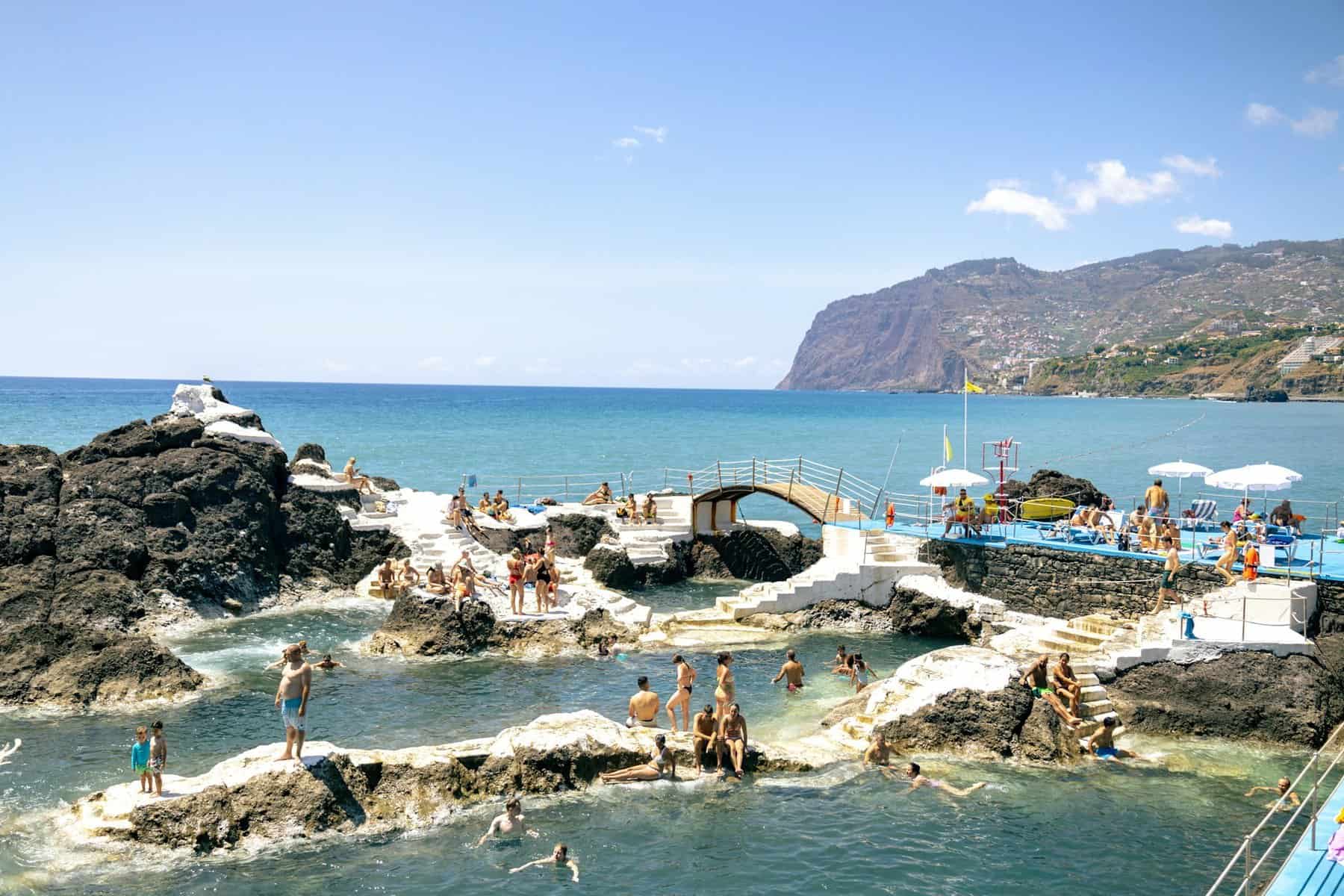
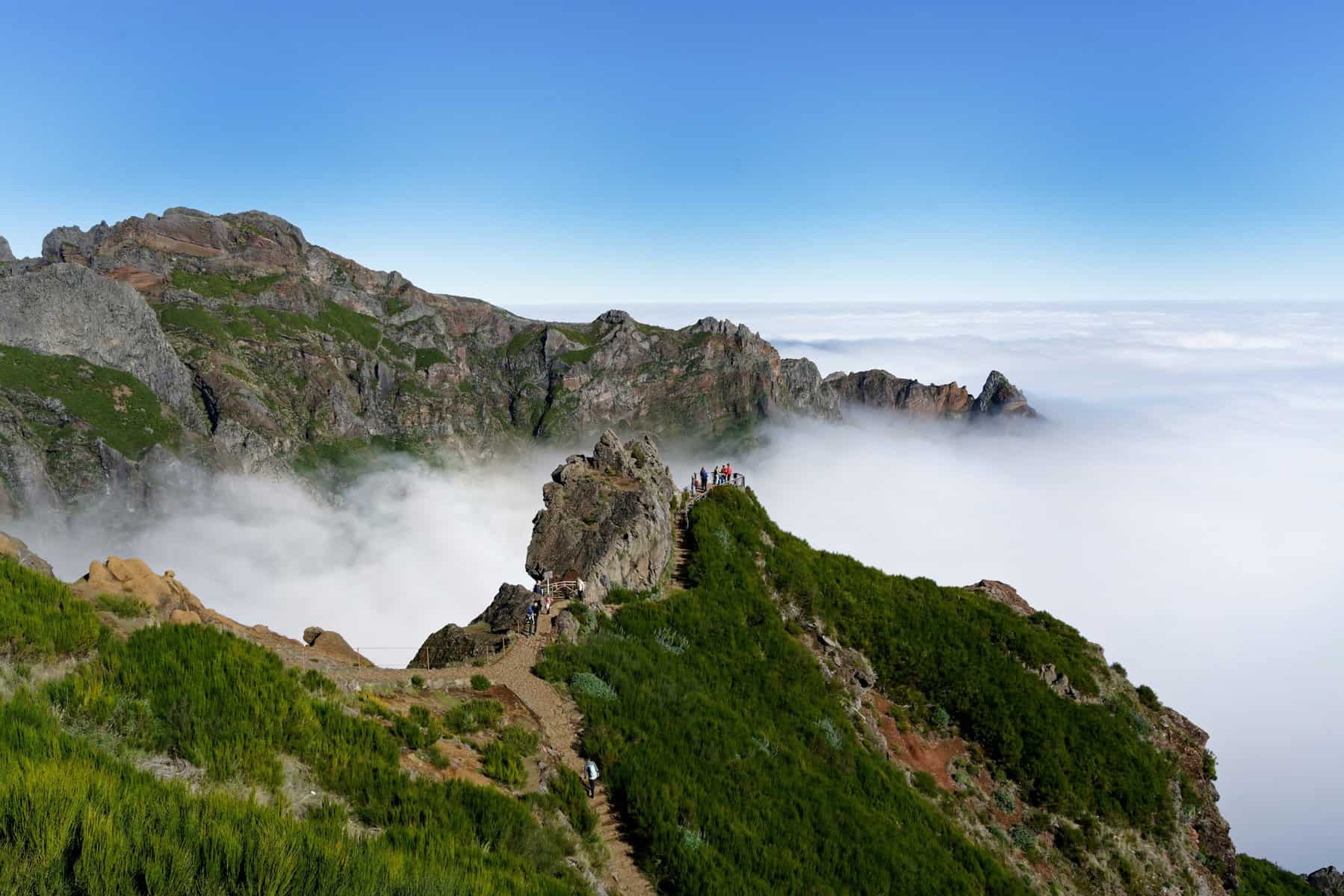
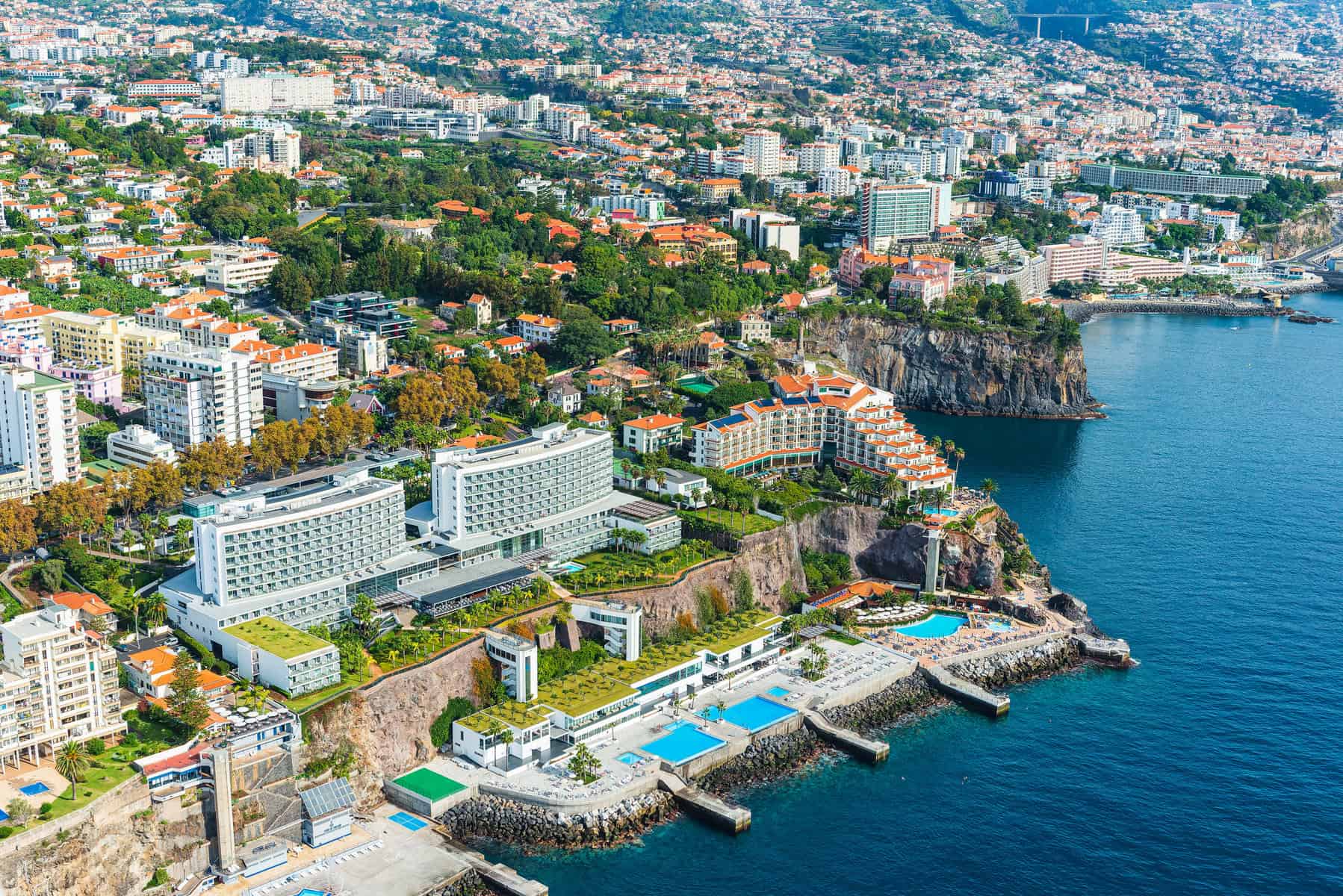
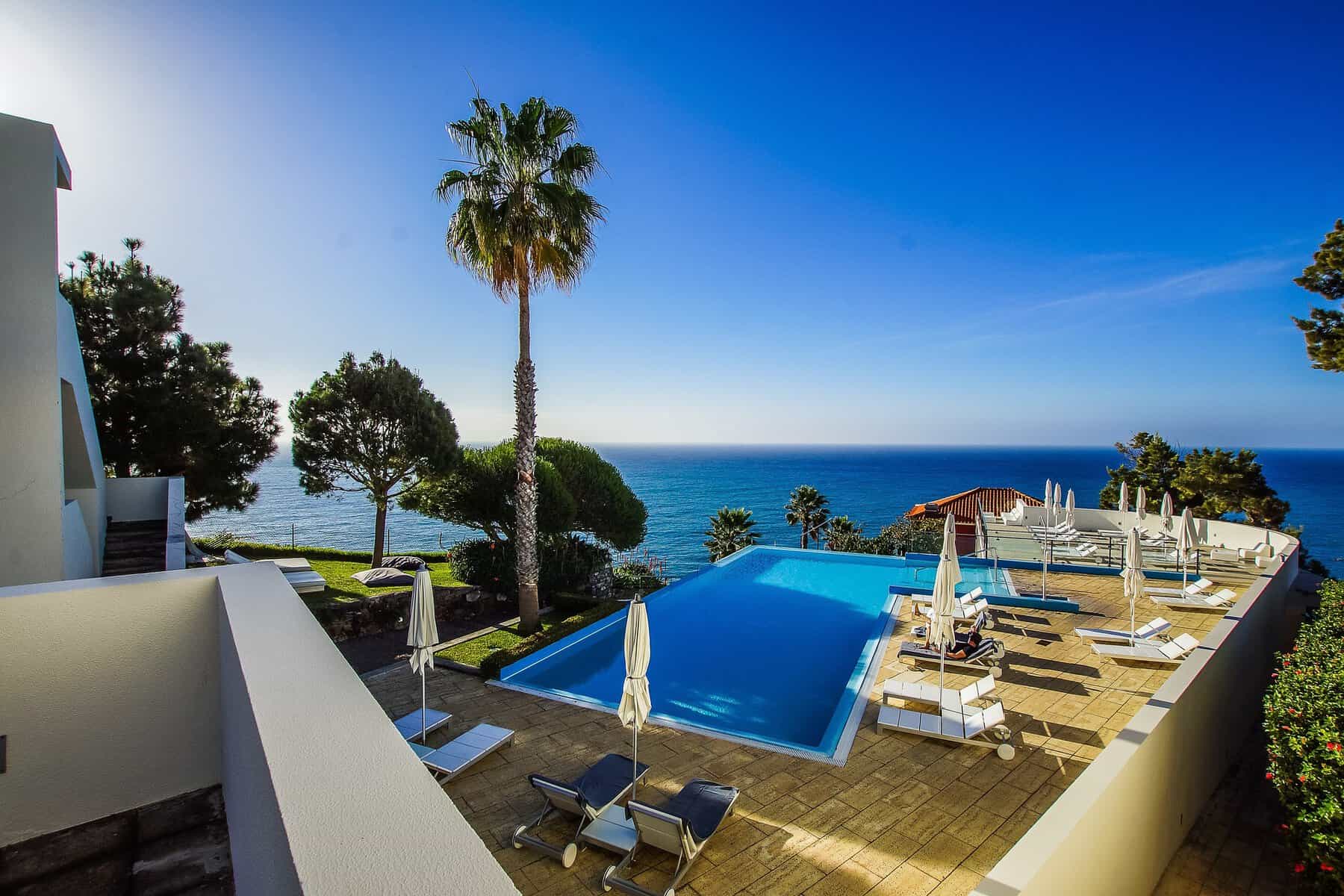
Madeira is a lush volcanic island in the Atlantic Ocean, with soaring peaks at its center and an almost tropical climate. It lies about 500 kilometers west of the coast of Morocco and roughly 1,000 kilometers from mainland Portugal, just a 90-minute flight from Lisbon. Surprisingly, this is not an island known for beaches, but one filled with nature sites and breathtaking scenery. Its capital, Funchal, is thoroughly modern and offers beautiful views along with plenty of attractions for visitors. Madeira is especially popular with travelers, בעיקר from Europe, who come year-round for a vacation that blends nature and city life.
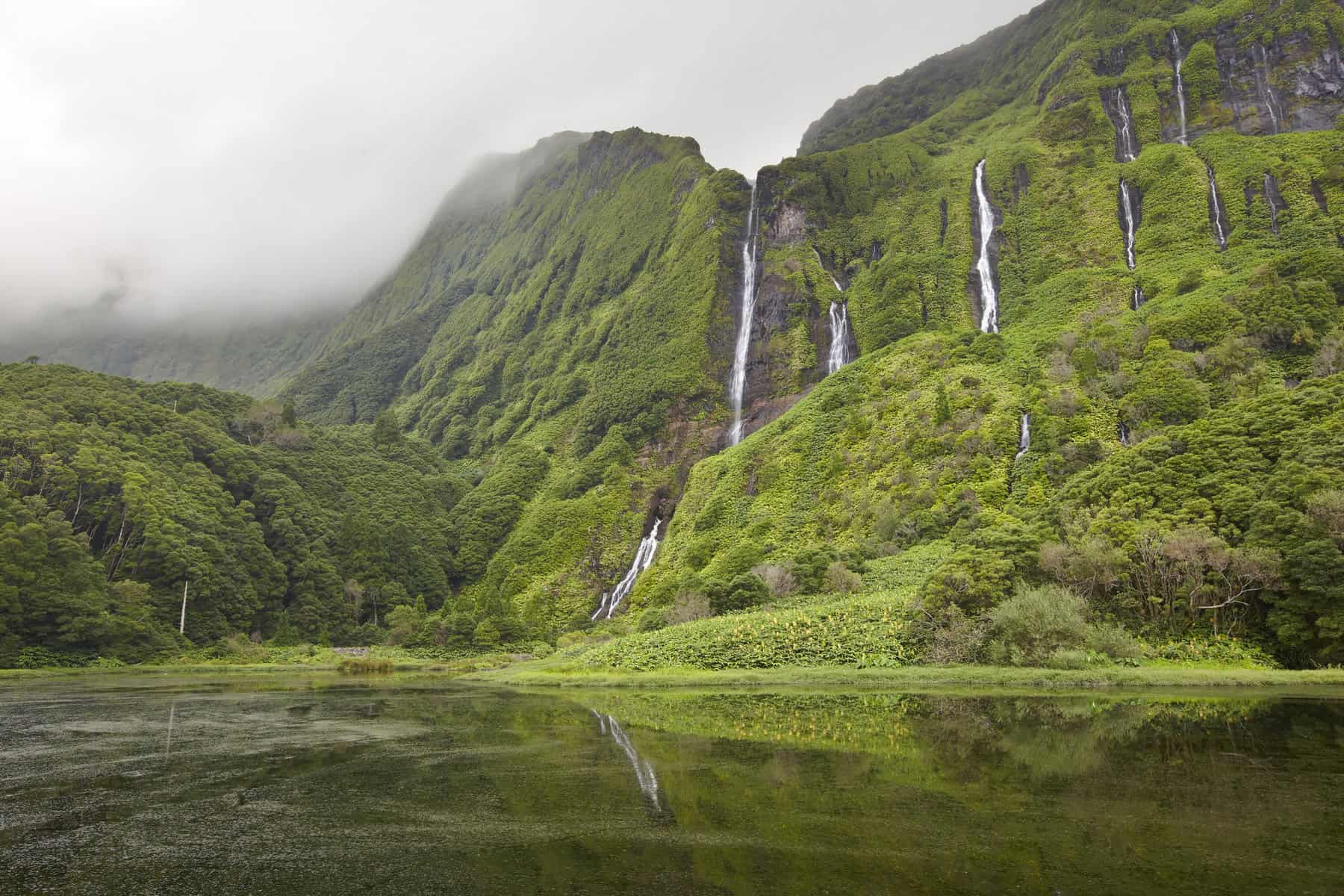
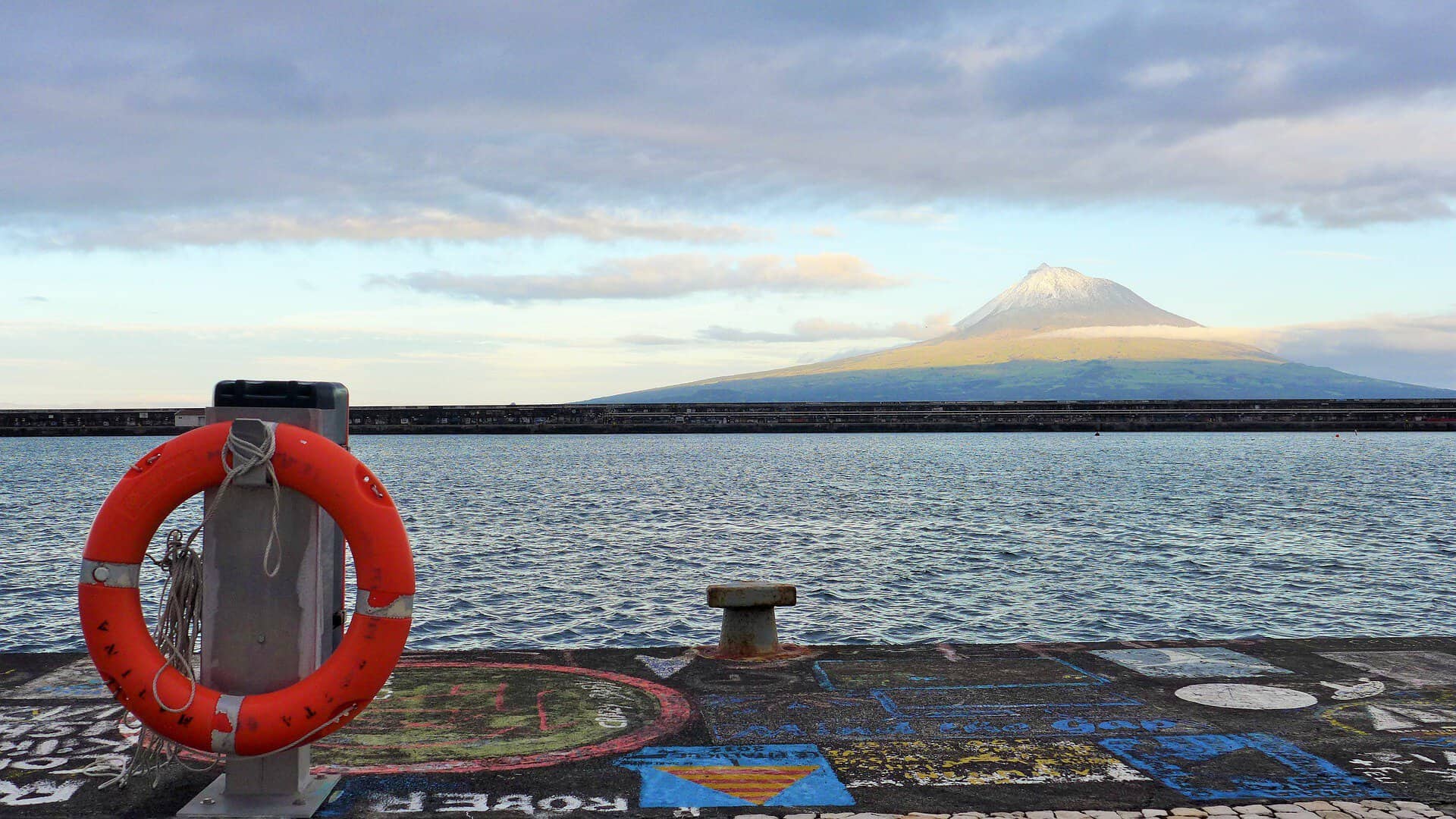
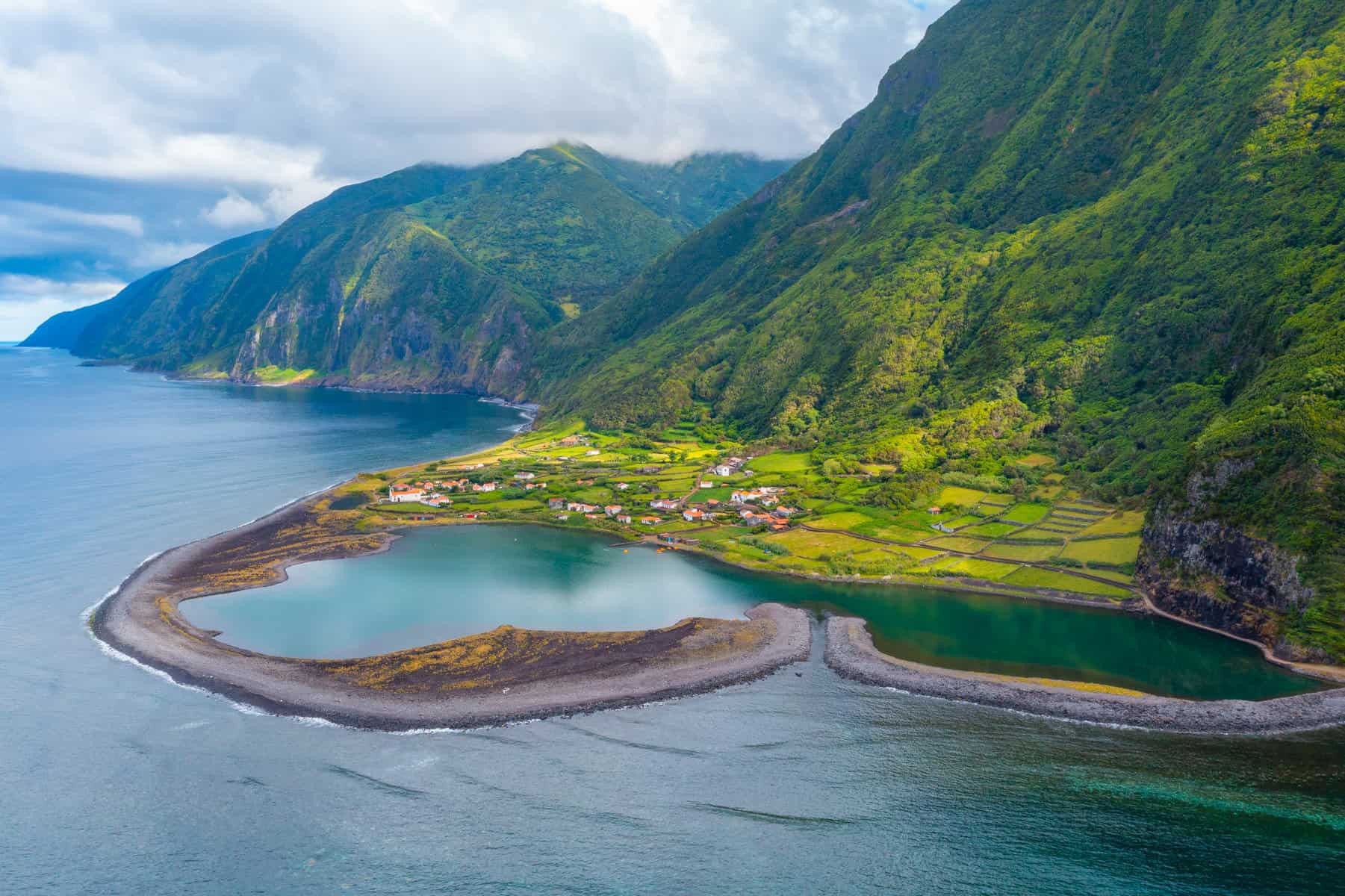
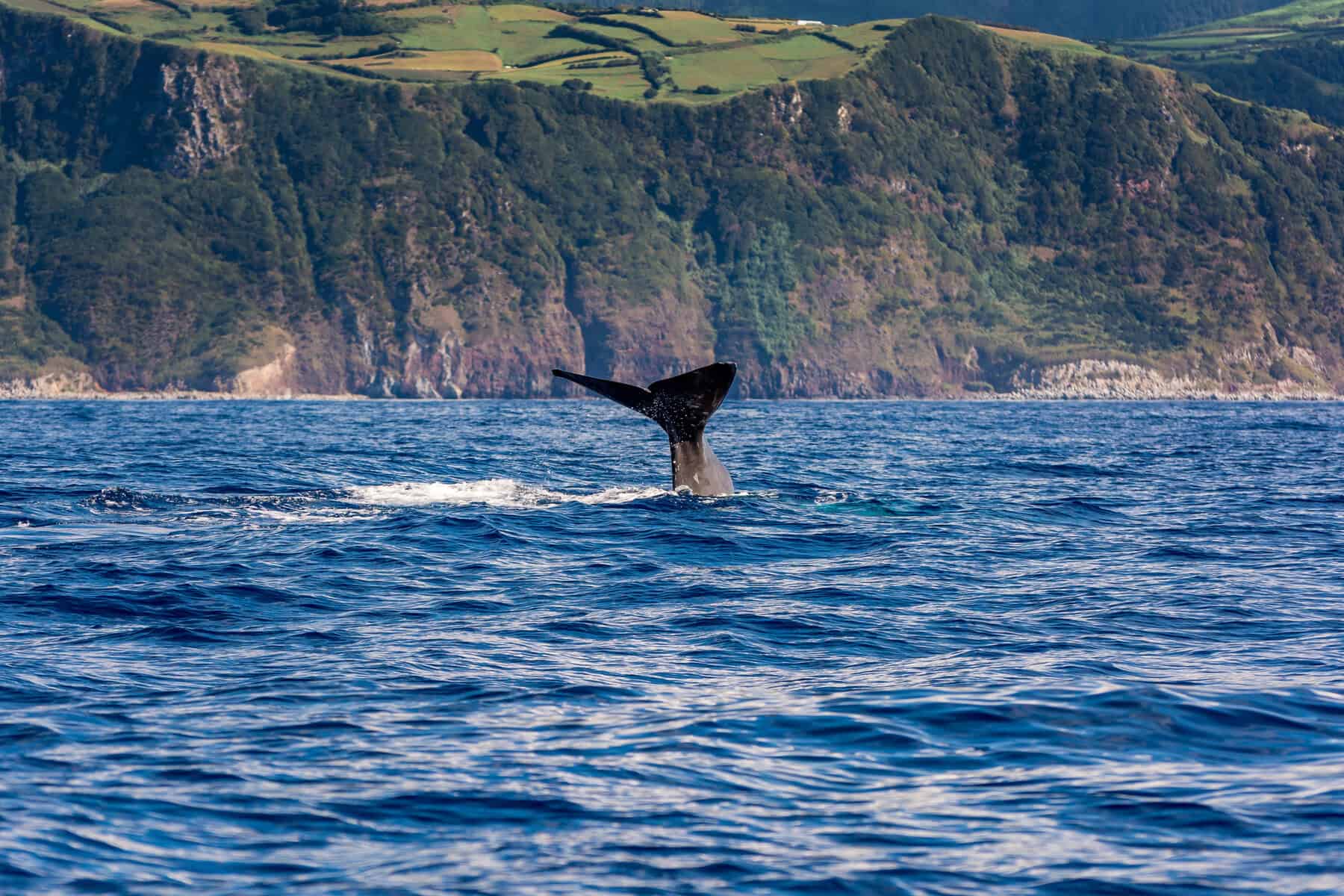
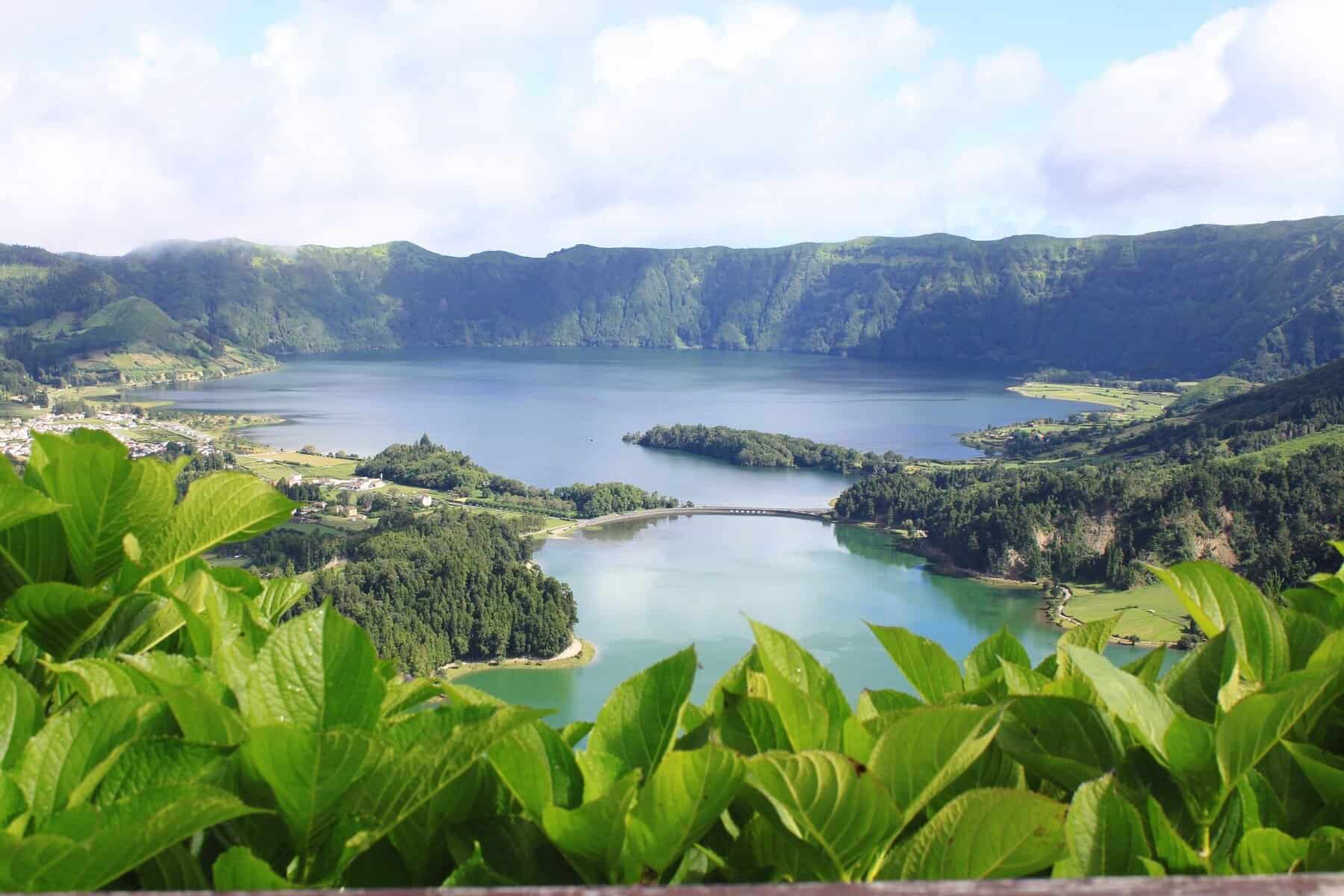
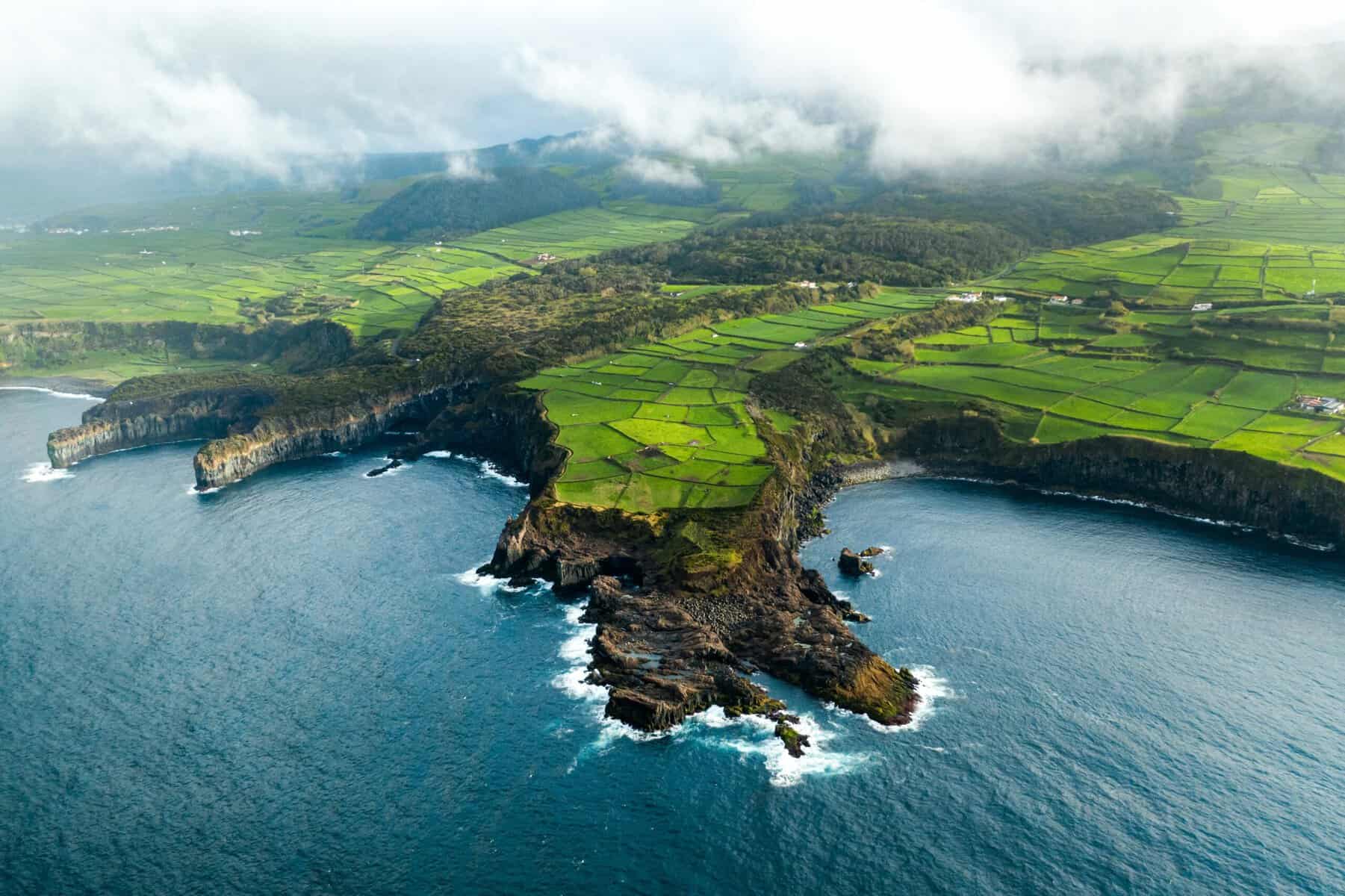
The Azores archipelago includes 9 islands stretching across 650 kilometers in the heart of the Atlantic Ocean. Located about 1,600 kilometers west of Portugal, they have a cool, rainy climate for most of the year, except in summer, which keeps them exceptionally green. The islands are a genuinely remote and distinctive destination, and in many areas it feels as though you have stepped into a scene from Avatar. Whales and dolphins surround the islands, and boat trips to spot them are among the region’s most popular attractions. That is on top of hikes through volcanic landscapes and around lakes formed in craters, all framed by dense, vivid greenery.
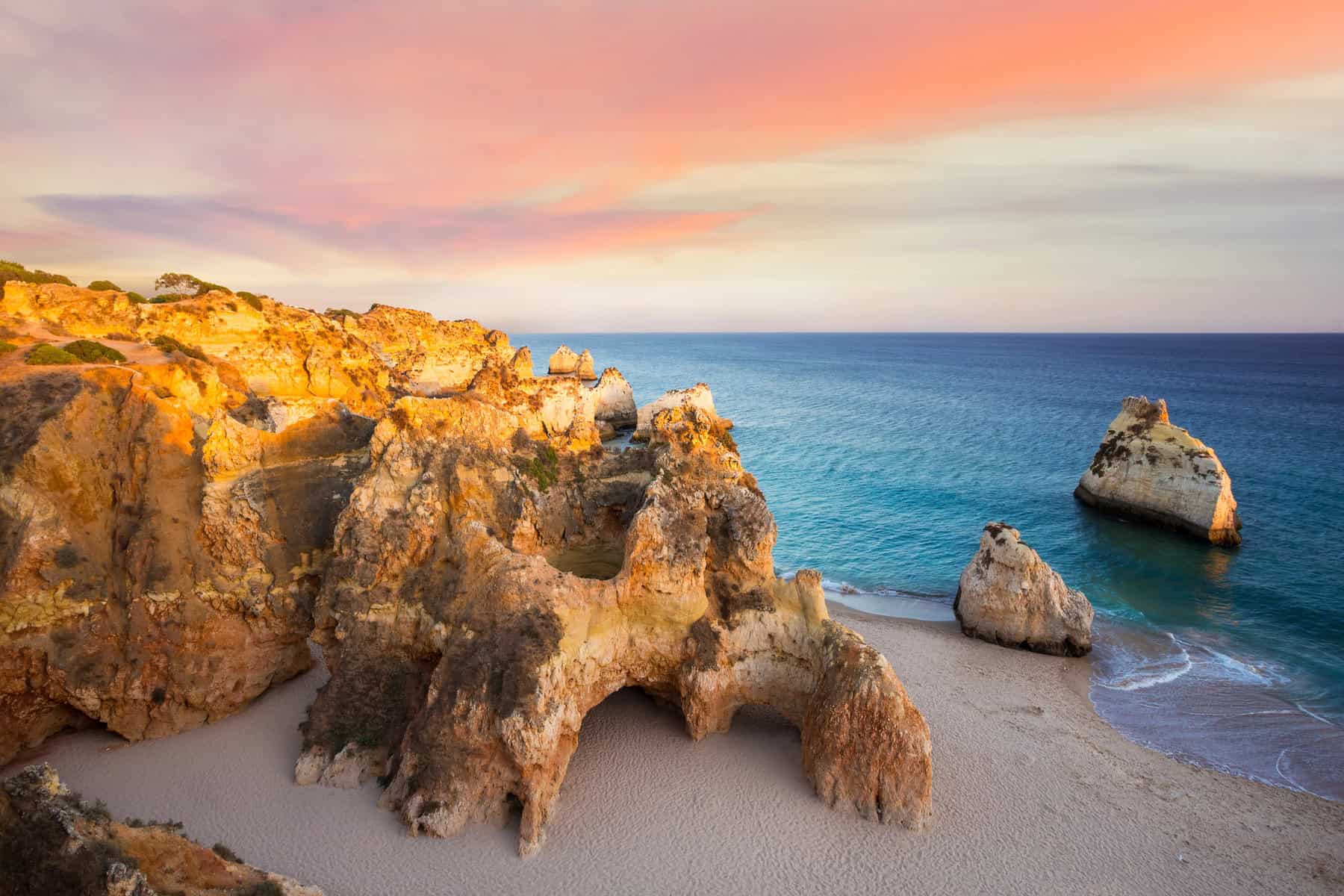
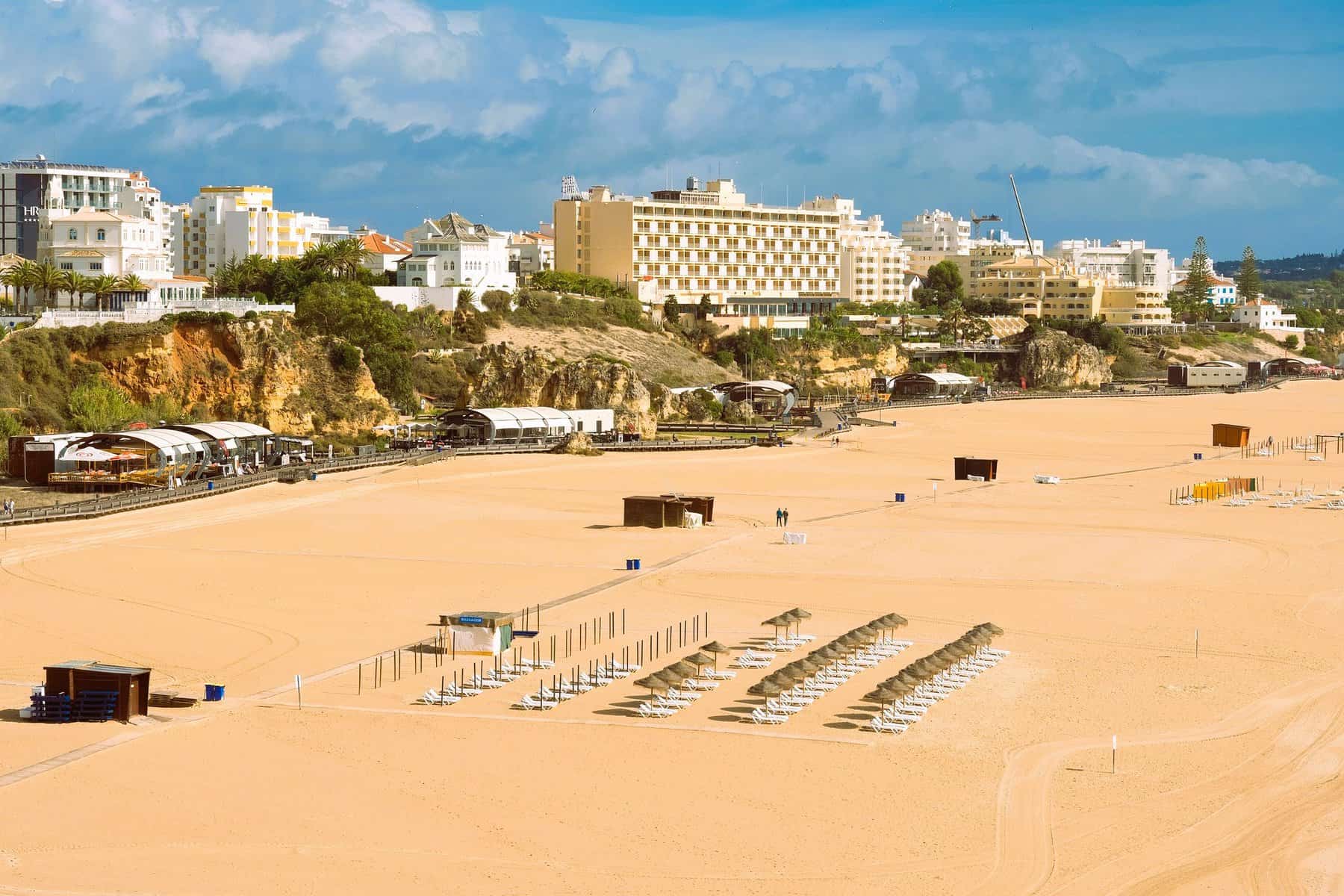
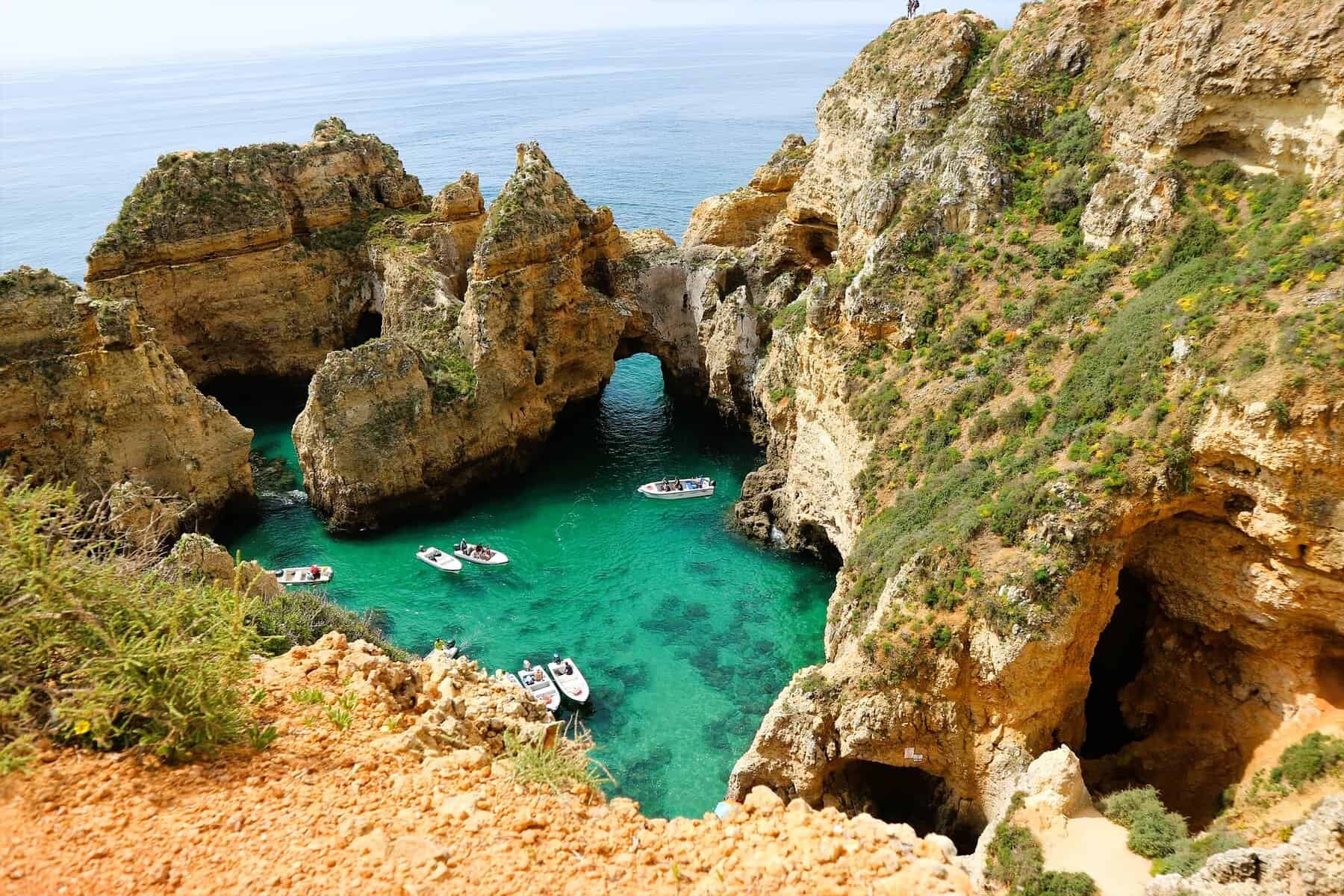
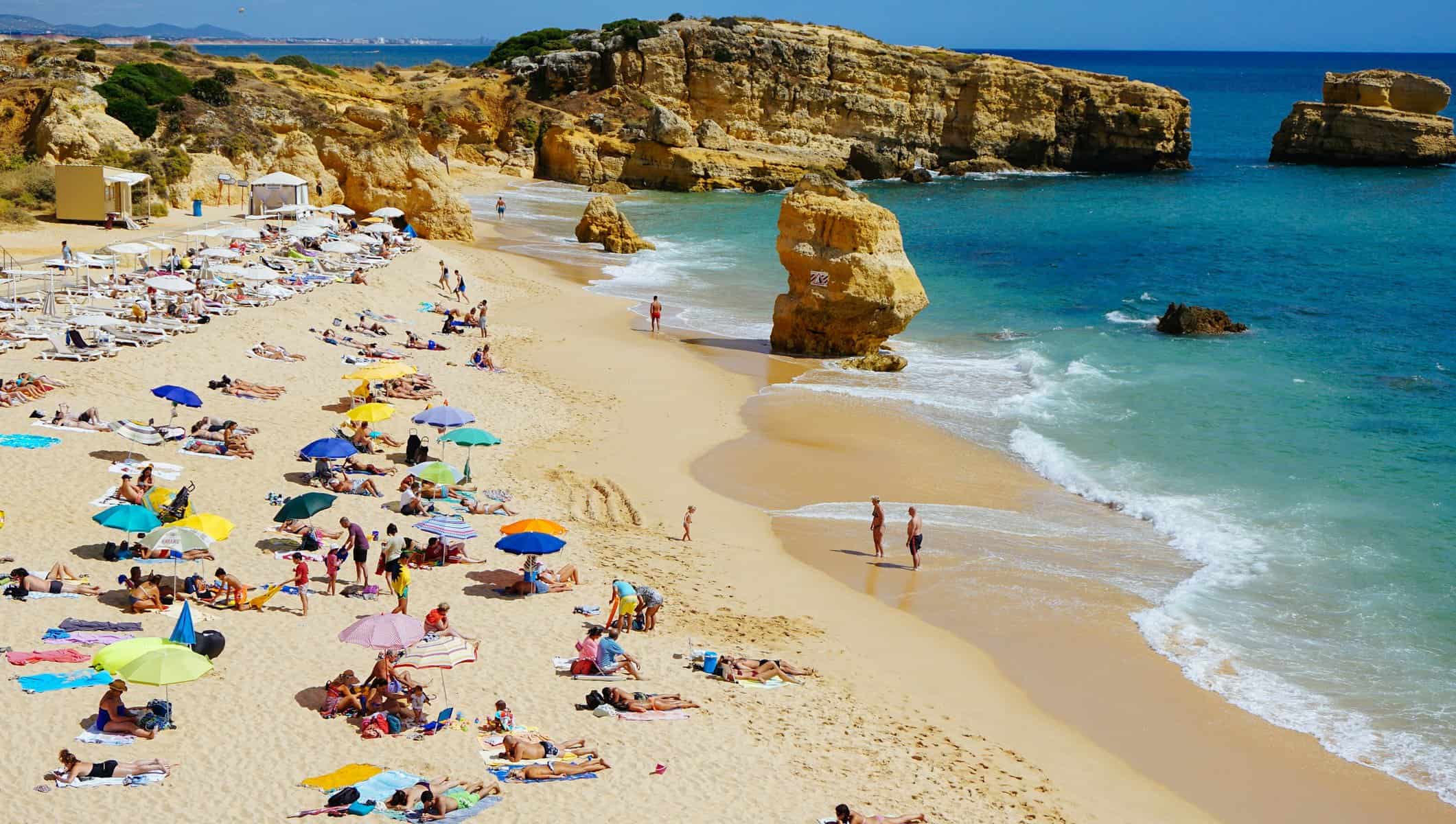
The Algarve, Portugal’s southernmost region, stretches for more than 150 kilometers of golden beaches along the Atlantic coast. Set at the southwestern edge of Europe, it lies close to the gateway to the Mediterranean while still retaining a wild Atlantic character. A trip to the Algarve offers warm sunshine, authentic fishing towns, outstanding Portuguese cuisine, and spectacular turquoise seascapes. It is one of Portugal’s most visited regions, yet it still preserves a relaxed charm and an ideal mix of beaches, nature, culture, and history, all within a short flight from most European countries.