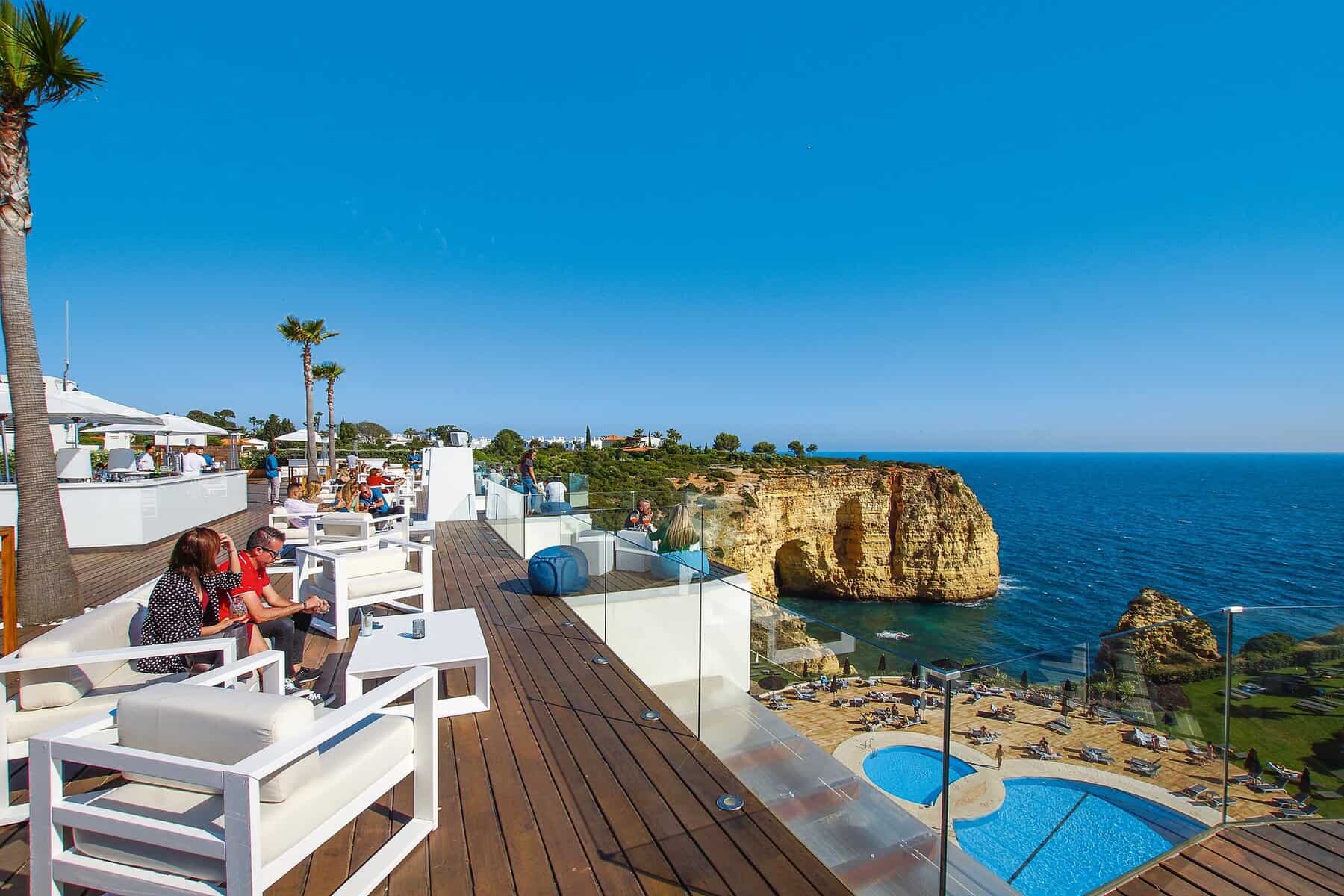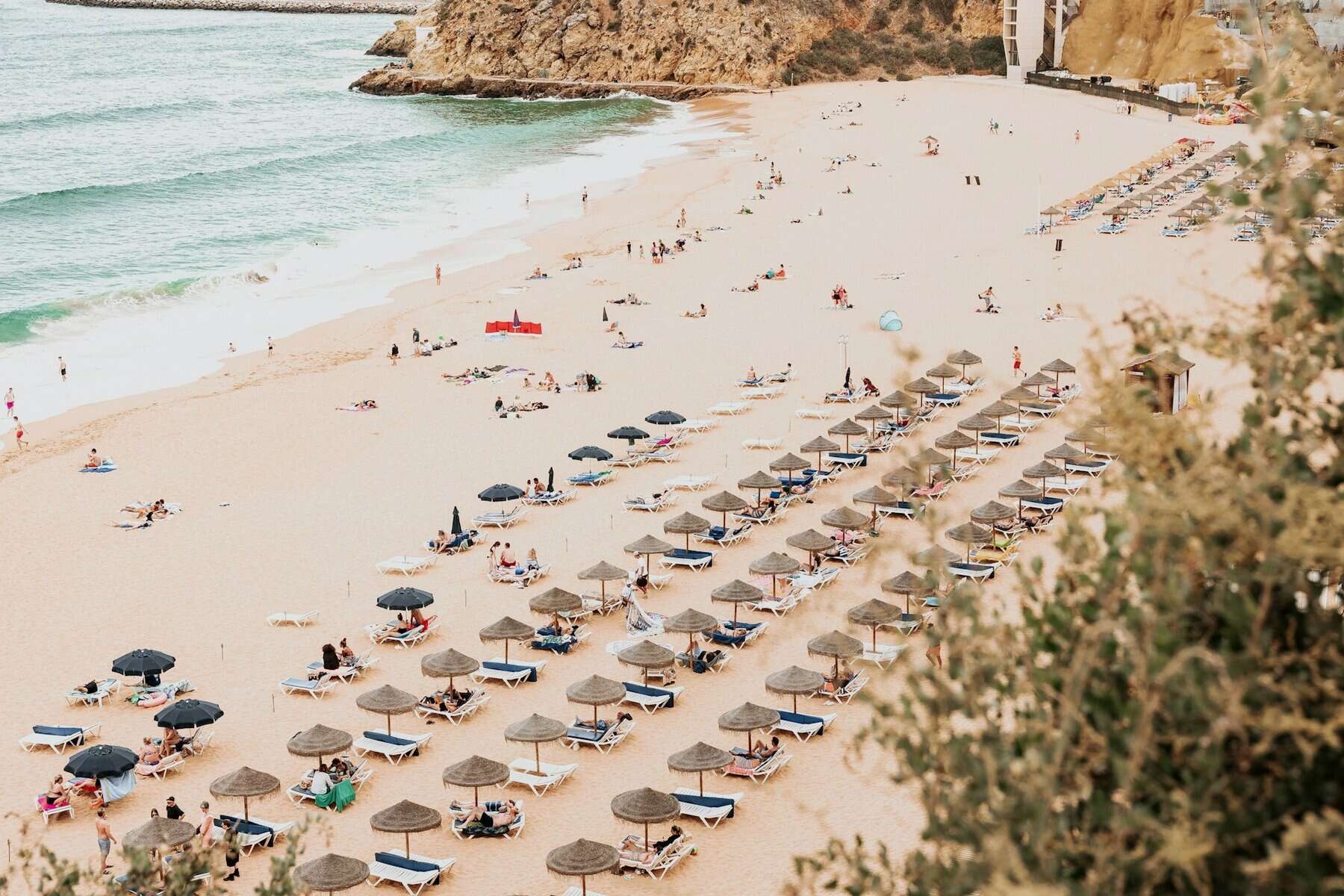
Lagos is one of the Algarve’s prettiest and most beloved towns. Like many places along Portugal’s southern coast, it began as a fishing town perched above dramatic cliffs, and today it has grown into a perfect vacation destination that blends a charming old town, a pleasant marina, and a string of famous beaches. Beyond being an excellent beach getaway, Lagos is especially known for the rocky headland with its soaring cliffs — Ponta da Piedade — and for its picturesque old town, rebuilt after the devastating 1755 earthquake. Some of the Algarve’s most beautiful beaches are here too (Dona Ana, Camilo, Meia Praia, and Porto de Mós), and Lagos is also a departure point for boat and kayak trips to hidden coves and sea caves. Days are for exploring, swimming, and unwinding; evenings are best spent enjoying the old town and its restaurants.
How long should you spend in Lagos?
If you’re planning a quick visit focused on the old town, a viewpoint at Ponta da Piedade, and one beach, one day is enough. Most visitors, though, come to Lagos for a vacation of beaches, boat trips, and a little sightseeing — usually 4–7 days or even longer. It works equally well for a family vacation that includes nearby water parks, or for a relaxed couples’ getaway with swimming and outings during the day, followed by dinner and evenings out in the old town and around the marina.
Click here to find hotels and vacation rentals in Lagos…
6 must-see sights and attractions in Lagos
- The cliffs of Ponta da Piedade – viewpoints and walking trails
- The old town – lanes, squares, and restaurants | Praça Gil Eanes
- The cliff-backed beaches, especially Dona Ana and Camilo | Praia Dona Ana – Praia Camilo
- Lagos Castle and city walls | Castelo de Lagos
- Boat trips to coves and dolphin-watching cruises from Lagos Marina
- Saint Anthony Church with its lavish Baroque style | Igreja de Santo António
Click here for a list of 9 top-rated hotels in Lagos…
How to get to Lagos
Flights to Lagos
Flights to Lagos actually mean flying into Faro – the gateway to the Algarve. From Faro Airport, Lagos is about a 1:00–1:15 drive away (around 56 miles / 90 km).
Getting there by rental car
Lagos sits in the western Algarve, about 3 hours from Lisbon and roughly an hour from Faro. A rental car makes it much easier to reach beaches and viewpoints (such as Ponta da Piedade and Porto de Mós), as well as to take day trips to Sagres, Luz, and the Monchique Mountains.
Click here for the complete guide to driving in Portugal…
Public transportation
Lagos train station is located next to the marina, at the western end of the Algarve rail line. Trains from Faro run throughout the day, and the journey takes a little over an hour and a half.
Lagos bus terminal | Terminal Rodoviário de Lagos is close to the center, with routes to destinations across the Algarve, including Faro, Portimão, Sagres, and more.
In general, if you’re coming to Lagos for a vacation, as with other beach towns in the Algarve, renting a car is the easiest option. Public transportation works well mainly between towns, but for attractions like water parks and mountain villages, efficient transit options are very limited.
Check out our full accommodation guide to the Algarve…
Good to know about Lagos
Lagos combines an authentic old town, a modern marina, and iconic beaches. It’s one of the Algarve’s oldest and most interesting towns, with a traditional fishing harbor, a particularly well-preserved historic center, and some of Portugal’s loveliest cove beaches. The old town’s picturesque streets are lined with low stone houses, and there’s also a pleasant promenade along the river estuary.
The feel of the destination: by day, it’s all about beaches and viewpoints; by evening, strolls through the old town and meals at local restaurants. There is nightlife in Lagos too, though it’s much more relaxed than the “Strip” in Albufeira.
Weather in Lagos is similar to the rest of southern Portugal, with a warm, pleasant climate for most of the year. Summer heat is moderated by Atlantic breezes, and in winter truly cold temperatures are rare. The rainiest months are December through February, but even then there are plenty of sunny days that are perfect for walking through the beautiful scenery around town. A summer vacation in Lagos is almost always comfortable rather than oppressive, while winter is ideal for cliff walks and a much calmer atmosphere without the crowds.
Peak season: June through September. Spring and fall are quieter and especially good for hiking between the cliffs.
Water sports – the sea and beaches are a major part of life here: the cliff coves of Ponta da Piedade are among the most photographed locations in the Algarve, and they can also be explored by kayak and boat to admire the rock formations from the waterline. Lagos offers plenty of other marine activities too, including snorkeling, cave tours, surfing, and dolphin-watching cruises. Its modern marina is considered one of the prettiest in the region, and many excursions to nearby beaches and coves depart from here.
Click here for a boat tour from Lagos Marina to the famous Benagil Cave…
Click here to find a place to stay in Lagos…
The history of Lagos
Lagos is one of the Algarve’s oldest settlements, with many layers of history stretching from the Phoenicians and Romans to the Moors and the early Kingdom of Portugal. During the Middle Ages, its maritime importance grew, and in the 15th century it became one of the key centers at the dawn of the Age of Discovery. Prince Henry the Navigator established one of his main bases here, and ships sailed from Lagos to the coast of Africa on voyages that marked the beginning of the Portuguese Empire. That was Lagos’s golden age.
There is also an important and far darker chapter in the town’s history: Lagos was the site of Europe’s first slave market. In 1444, a slave trading post was built in a central square near the harbor for people brought from the west coast of Africa. The building has since been restored and now serves as a small museum called the Slave Market Museum | Mercado de Escravos, dedicated to understanding the period and its historical context. It’s a relatively brief visit, but an important one.
The 1755 earthquake that devastated Lisbon also struck Lagos, causing widespread destruction. Parts of the surviving walls, ancient gates, and towers were gradually restored, and today they can still be appreciated on an easy walk through the historic center.
Lagos today
In the second half of the 20th century, Lagos developed into a classic resort town on Portugal’s southern coast. As expected in the Algarve, it offers beaches and water sports in abundance. But alongside its seaside tourism, Lagos has managed to preserve its authentic character year-round thanks to its roughly 35,000 permanent residents. Most restaurants, shops, and taverns stay open in winter as well, making it a pleasant and natural-feeling place to visit even outside the main season.
To the northeast of town, you’ll find some of the Algarve’s greener natural areas, with cycling routes, viewpoints, and small villages. If you’re visiting in winter or spring, these seasons are especially rewarding, when the landscape is lush and in bloom and the roads are quieter.
Click here to find a place to stay in Lagos…
Where to stay in Lagos
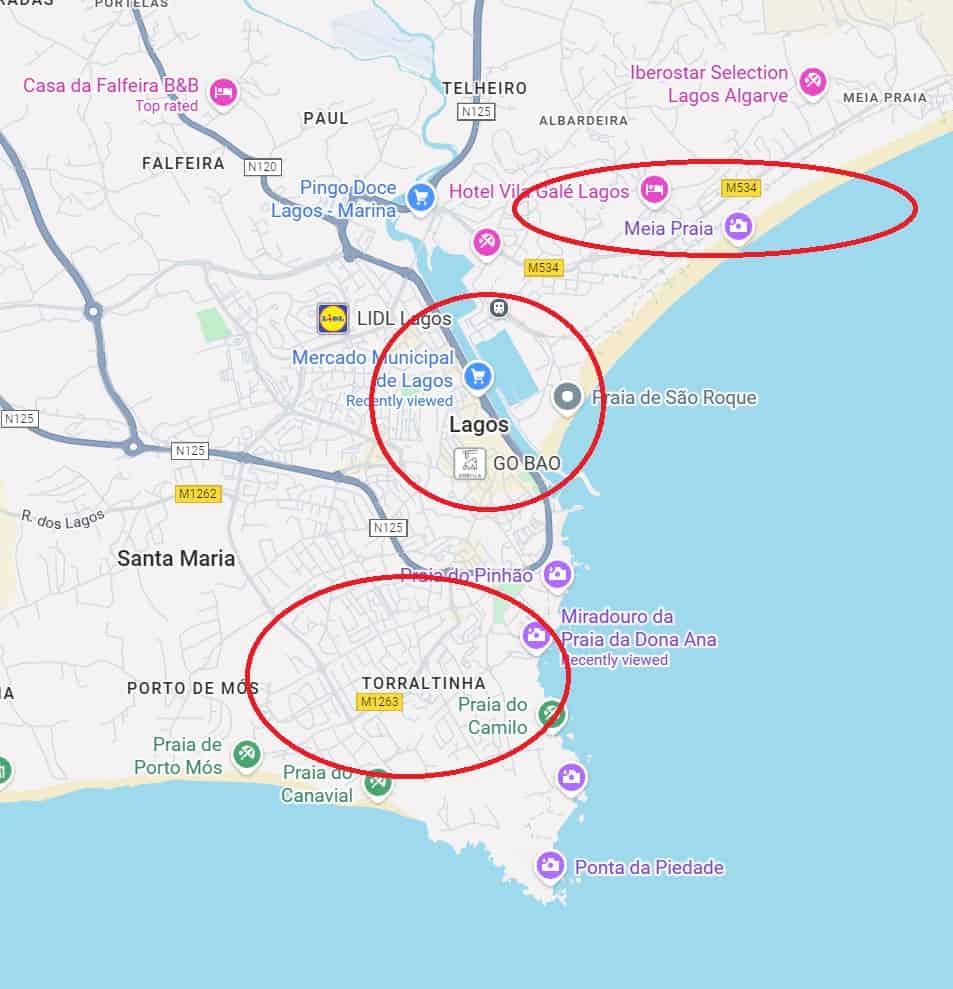
Lagos is both a beautiful, authentic Portuguese town and a beach destination. It isn’t large, so even if you stay in one area, the rest of town is never far away. In Lagos, you can think of three main areas to stay:
- The old town and the marina area
- Upper Lagos toward Ponta da Piedade | Ameijeira – Torraltinha
- Meia Praia beach – across from the marina
The first two are urban areas with restaurants and nightlife within walking distance. Upper Lagos also puts you fairly close to the iconic cliffside beaches of Camilo and Dona Ana, and certainly to the cliffs of Ponta da Piedade (about a 15-minute walk). Meia Praia is more of a summer beach-vacation area and includes resorts as well; it’s also within walking distance of the marina.
Click here for a list of 9 recommended hotels in Lagos…
Click here for the accommodation guide to the entire Algarve…
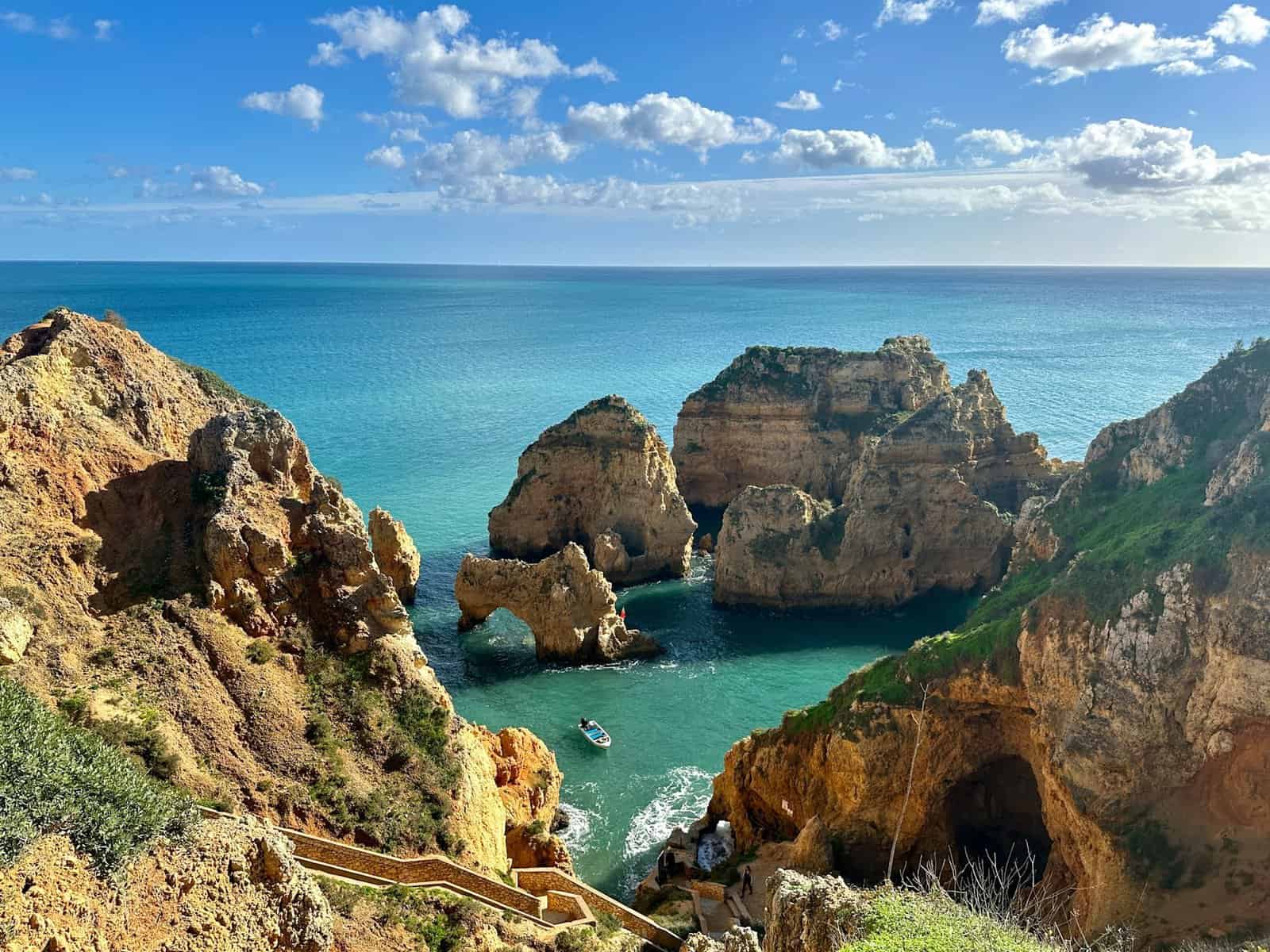
Ponta da Piedade
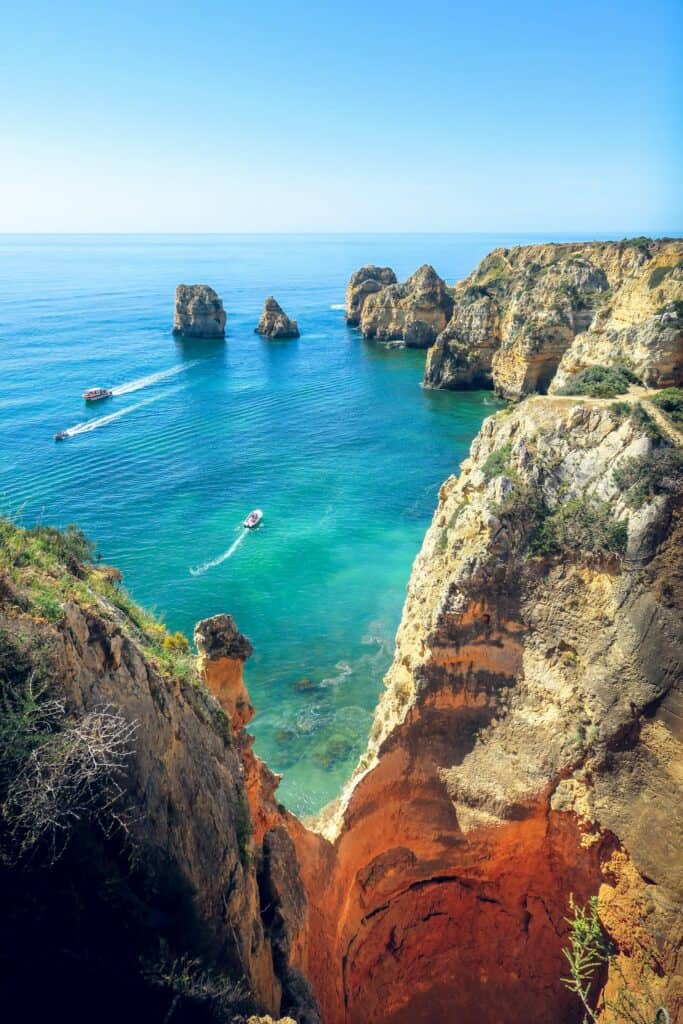
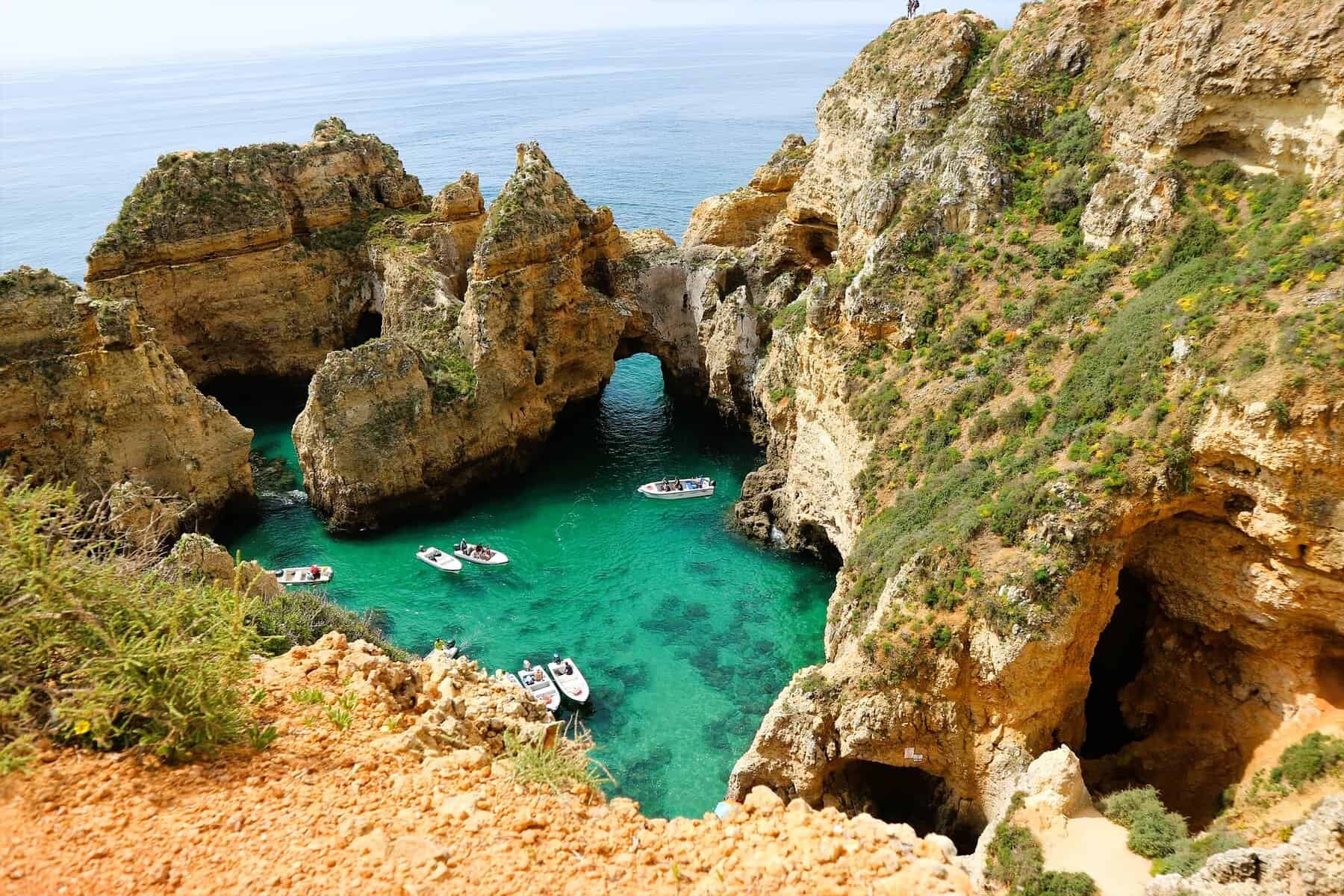
This is the landmark most closely associated with Lagos and one of the most famous sights in the entire Algarve. Jutting into the sea at the southern tip of Lagos, this striking headland is made up of limestone cliffs descending into the water and creating an especially dramatic landscape.
You can reach the cape in a short drive of just a few minutes from town, or on foot in about 15 minutes from the nearby hotel area or half an hour from the heart of the old town. Once there, you can walk along the wooden paths, descend the stairways, and take in the dramatic rock formations and sea caves below.
At sunset, the cliffs glow gold, making this the best time to visit and capture the Algarve at its most spectacular.
Boat tours to the cliffs of Ponta da Piedade also leave from town. From the water, you get a unique perspective on the cliffs and the pools between the rocks. You can go by kayak if you’re after a bit of adventure, or choose a boat instead.
Click here for a boat tour to the sea caves of Ponta da Piedade…
Boat trips and water sports in Lagos
One of the most popular experiences in Lagos is heading out by boat or kayak through the area’s dramatic coves. Short cruises leave from the marina for Ponta da Piedade, one of the highlights of any Algarve trip, where boats pass through rock arches, natural caves, and yellow cliffs shaped by wind and sea. Travelers who prefer something more active can join a guided kayak tour, which reaches corners that larger boats can’t enter.
Beyond the boat trips to Ponta da Piedade, Lagos is an excellent destination for fans of all kinds of water activities. Most are centered around the marina and the long beach just east of it, Meia Praia. There you’ll find long, open, breezy stretches of sand, especially well suited to kayaking, SUP, and windsurfing. Surf lessons are offered almost year-round, particularly when the Atlantic brings steady waves that attract both beginners and experienced surfers. The marina is also the departure point for tours to the famous Benagil Cave and, of course, dolphin-watching cruises.
Thanks to the variety of activities, the favorable conditions, and the pleasant atmosphere around the marina, water sports are a natural part of the Lagos experience — equally suitable for families and for travelers looking for an active adventure against the Algarve’s famous scenery.
Click here to book a dolphin-watching cruise from Lagos Marina…
Click here for a boat tour to the sea caves of Ponta da Piedade…
Click here for a boat tour from Lagos Marina to the famous Benagil Cave…
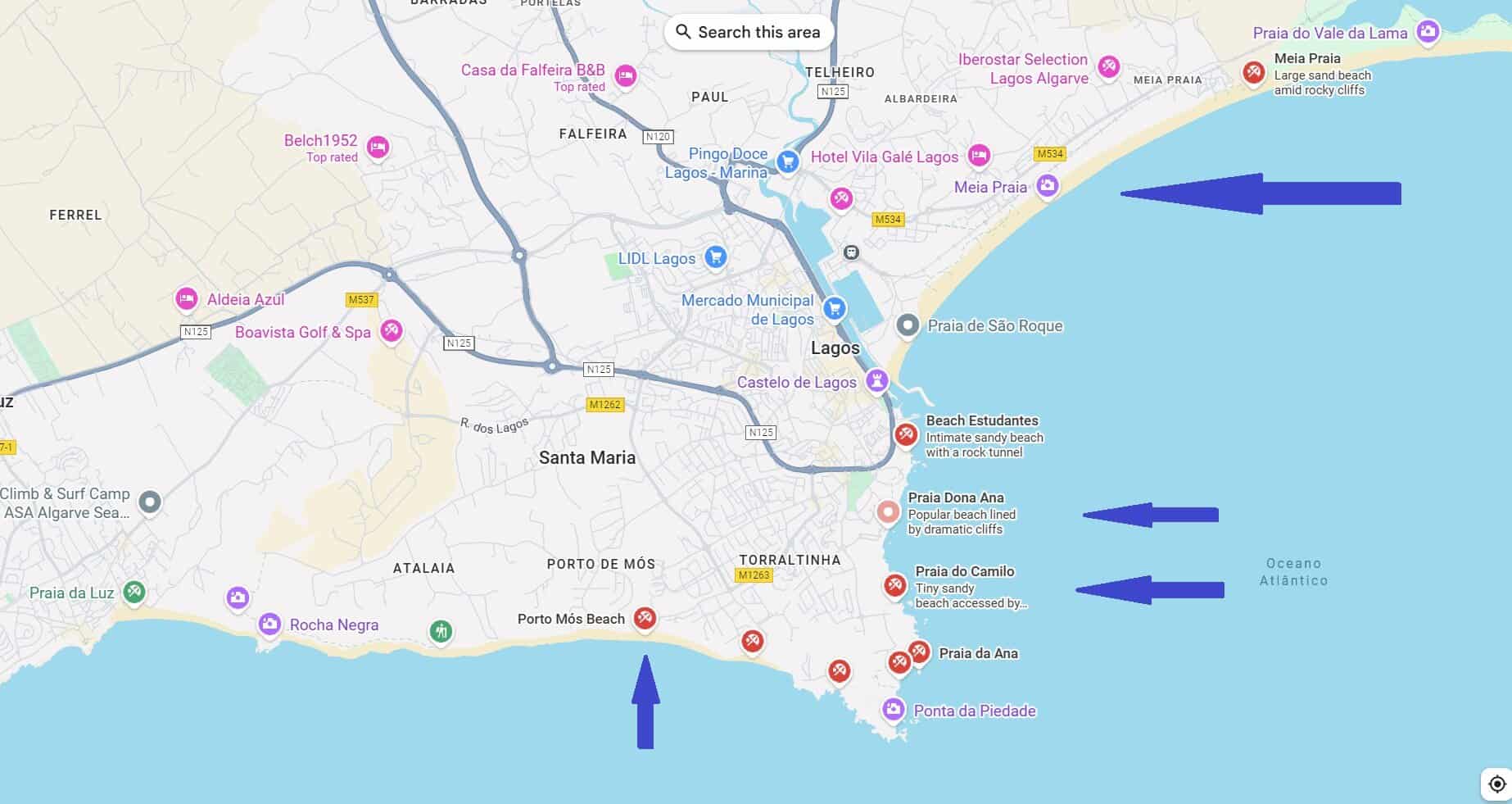
Lagos’s iconic beaches
1. Praia Dona Ana
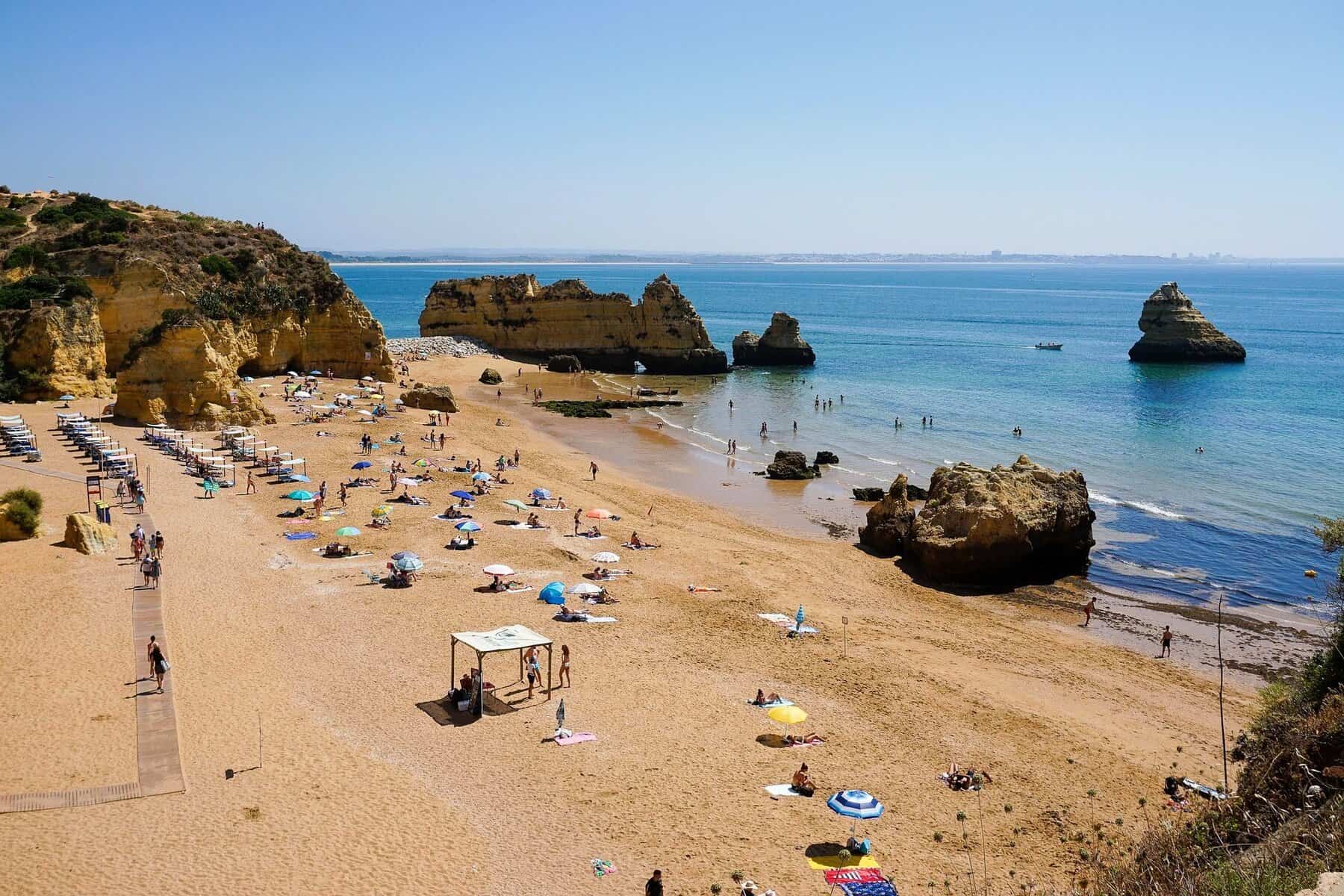
A golden cove framed by steep cliffs, with clear water and a very family-friendly feel. Restrooms and lifeguards are available in season, and access is relatively easy. Perfect for photos and for swimming on calm days.
2. Praia do Camilo
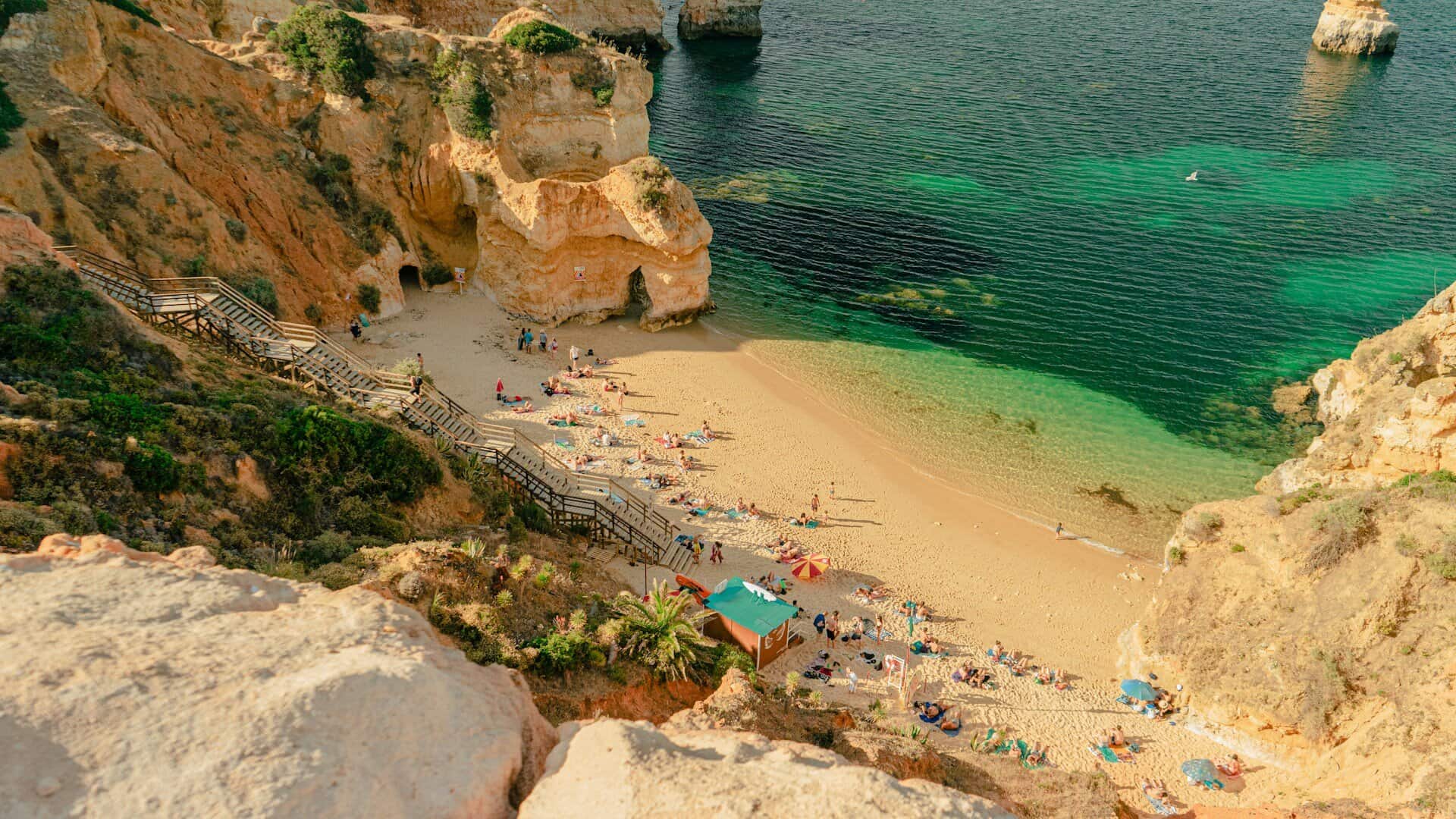
A small, much-loved beach reached by a famous wooden staircase. Expect turquoise water, rock arches, and endless photogenic angles. Because Camilo is relatively small, it fills up quickly in summer — so it’s best to arrive early or come near sunset.
3. Meia Praia
A very long stretch of beach east of town with dunes and easy parking. Ideal for running, walking, kitesurfing, SUP, and enjoying the breeze. There are beach restaurants and plenty of room to spread out naturally. Several hotels and resorts are also located along this beach, so if you’re after a beachfront vacation, this is the area to stay in Lagos.
Click here to find hotels and vacation rentals in Lagos…
4. Praia do Porto de Mós
A wide, relatively quiet beach southwest of town, with beachfront restaurants and viewpoints from above the cliffs. A good fit for families and anyone looking for a more peaceful setting.
Click here for our list of 12 Top-Rated Resorts across the Algarve…
Slide & Splash water park
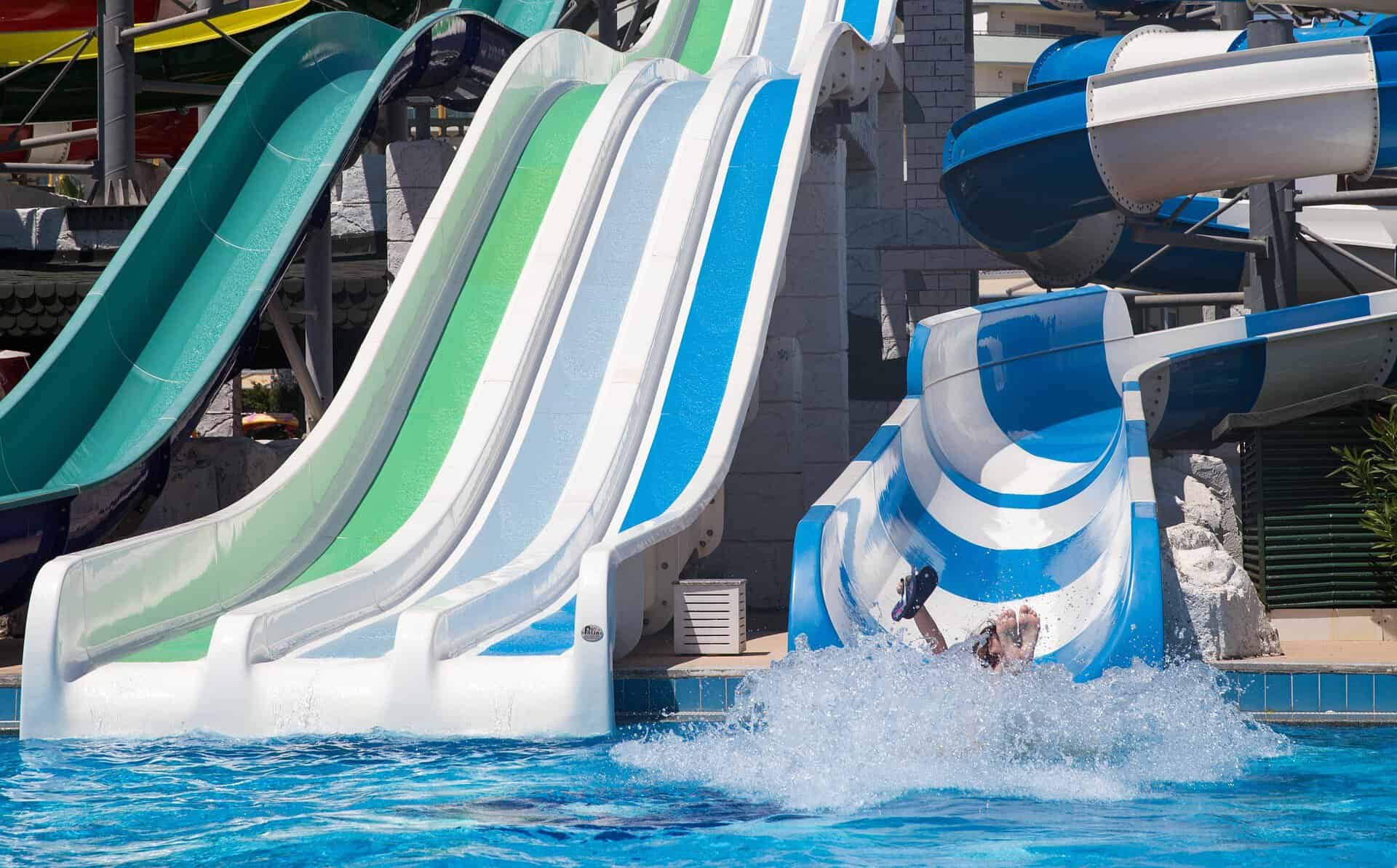
The closest water park to Lagos is Slide & Splash. This modern water park on the outskirts of Portimão is a huge hit with kids. The drive from Lagos takes about half an hour, and while children will obviously want to spend a full day here, even half a day is great.
The park isn’t enormous, with around 20 large rides and pools in total. Its most popular attractions are the giant and thrilling Big Fall, Big Slide Tower, and Banazi.
There’s a large restaurant in the park where you can eat Portugal’s famous grilled chicken, as well as burgers, hot dogs, fries, and all the usual kid favorites. A few additional kiosks are scattered around the park, and prices are relatively reasonable. You can rent umbrellas and lounge chairs on-site, and there are lockers for storing belongings. So you really don’t need to bring much of anything with you to the park.
Click here for more detailed information about:
Water parks within driving distance of Lagos | Aqualand / Aquashow / Slide & Splash…
Family travel: See our complete guide to Portugal with kids…
Attractions and interesting sights in Lagos
Old Town Lagos
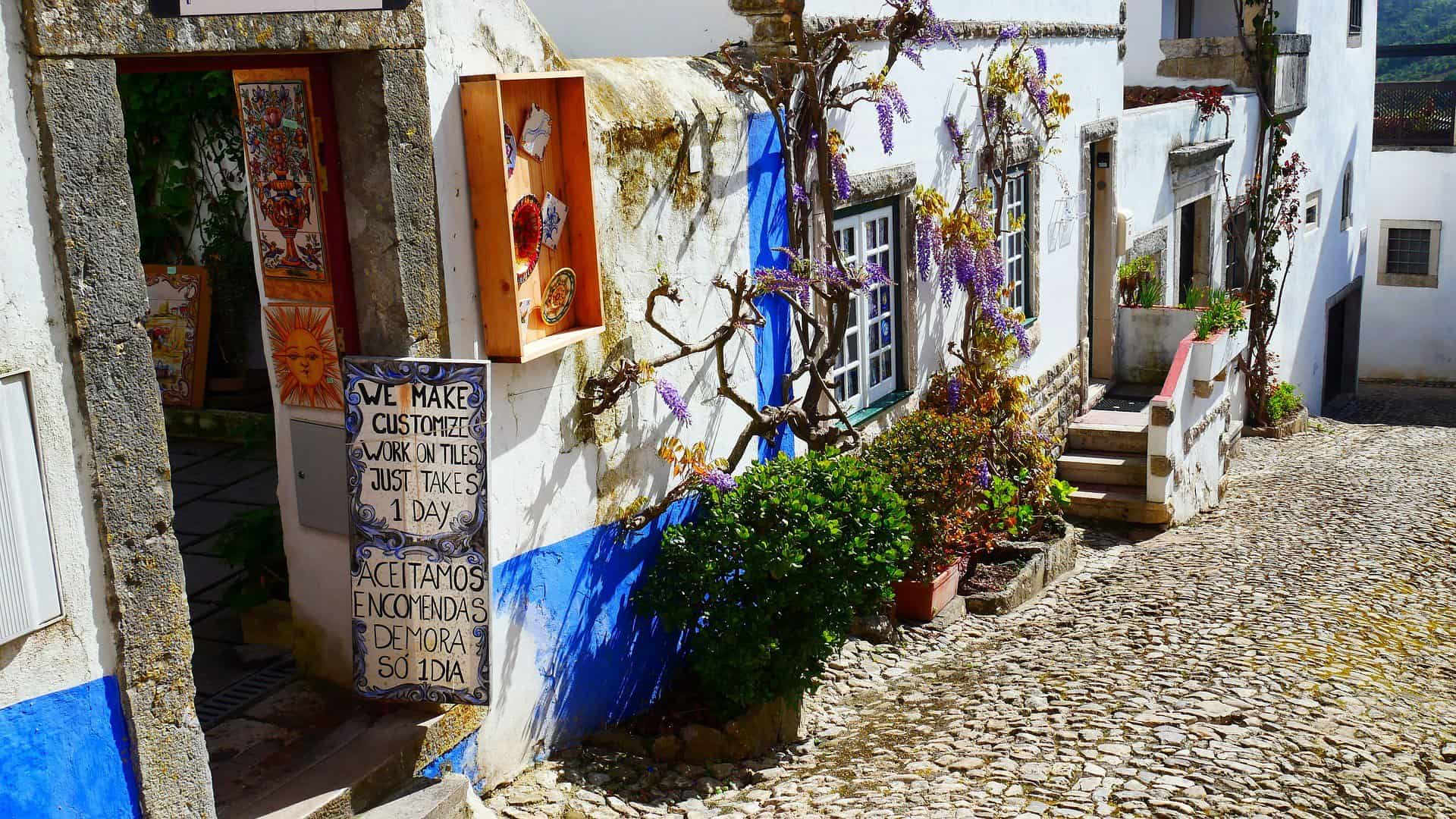
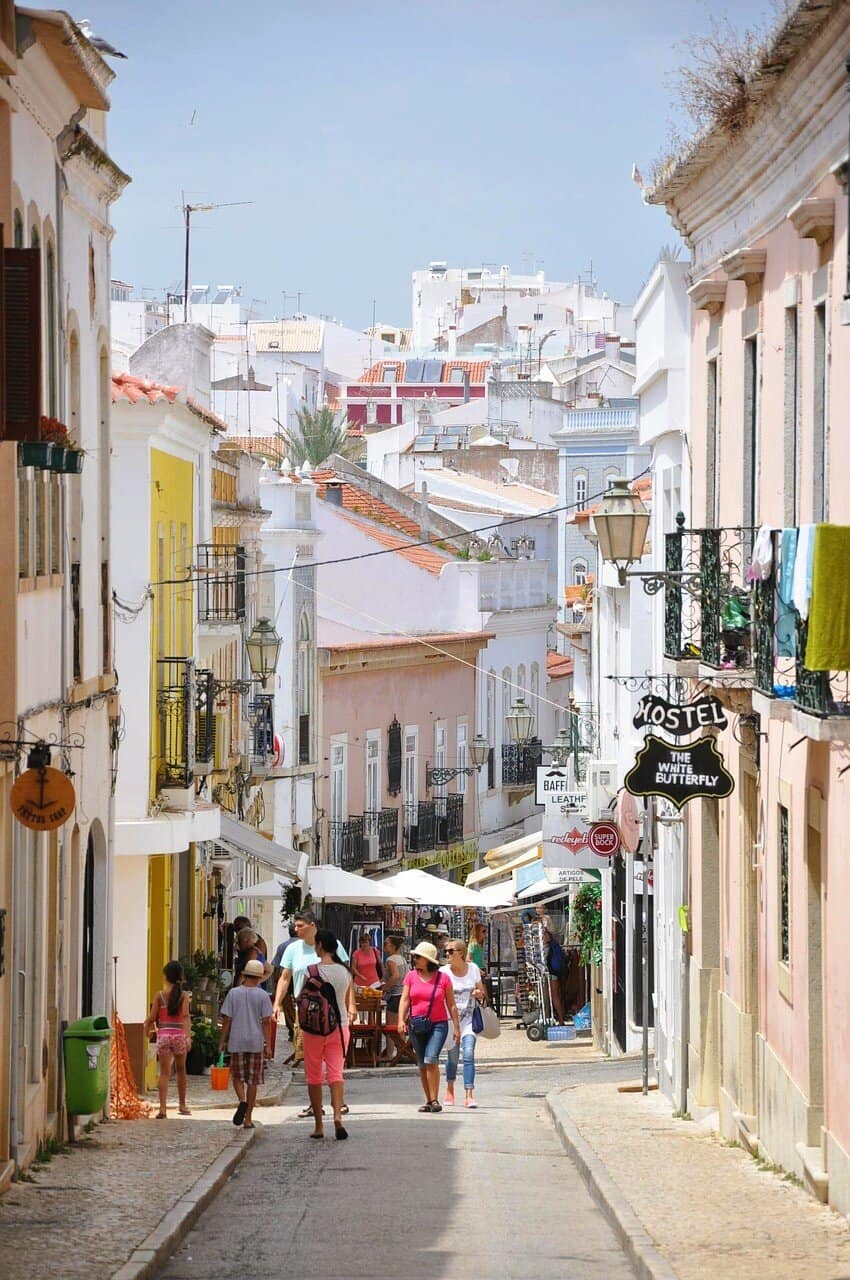
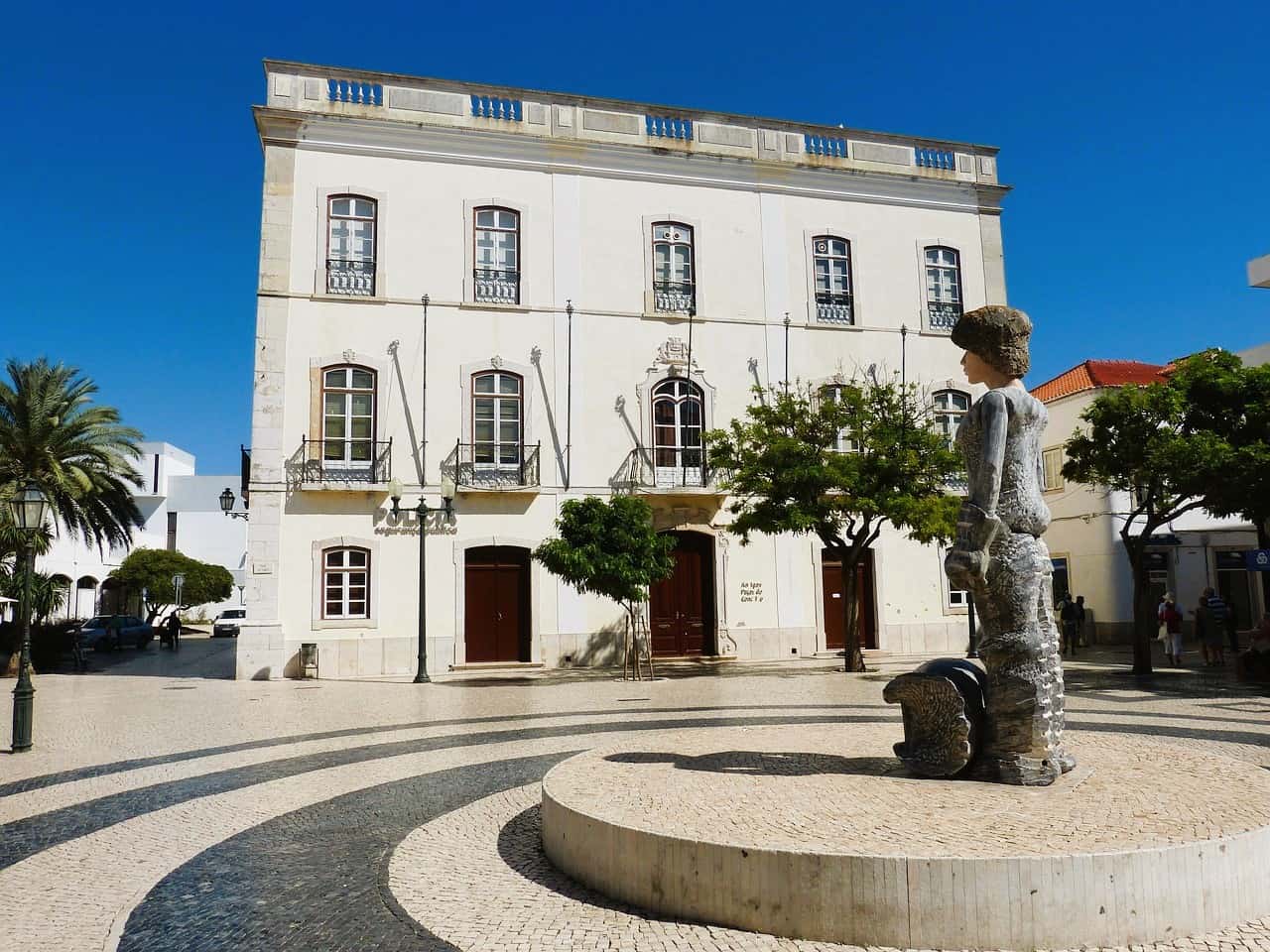
Lagos’s old town is one of the most impressive in the Algarve, with cobbled lanes, historic walls, and small squares. As mentioned, it once served as an important port during Portugal’s Age of Discovery, and ships sailed from here westward toward the New World.
Today it’s a lively area filled with seafood restaurants, bars, and boutique shops, all with an authentic atmosphere. It’s especially worth coming in the early evening, when live music — mainly in summer — drifts through the streets and the lights reflect off the city’s white balconies.
Click here to find a place to stay in Lagos…
The castle of Lagos | Castelo de Lagos / Castelo dos Governadores
Lagos Castle is one of the city’s most impressive historic remains. For centuries it served as both a fortress and the administrative center of the regional governor. Its oldest sections date back to the Moorish period, and it was expanded in the 16th century under the Portuguese kings.
The remains of the towers, gates, and walls are clearly visible, and at the entrance stands an impressive stone gate with an arch and an old inscription. From the main tower, there are lovely views over the old town and the river estuary. Morning is the best time to visit, when it’s quieter and easier to appreciate the architecture and history without the crowds.
Lagos Marina
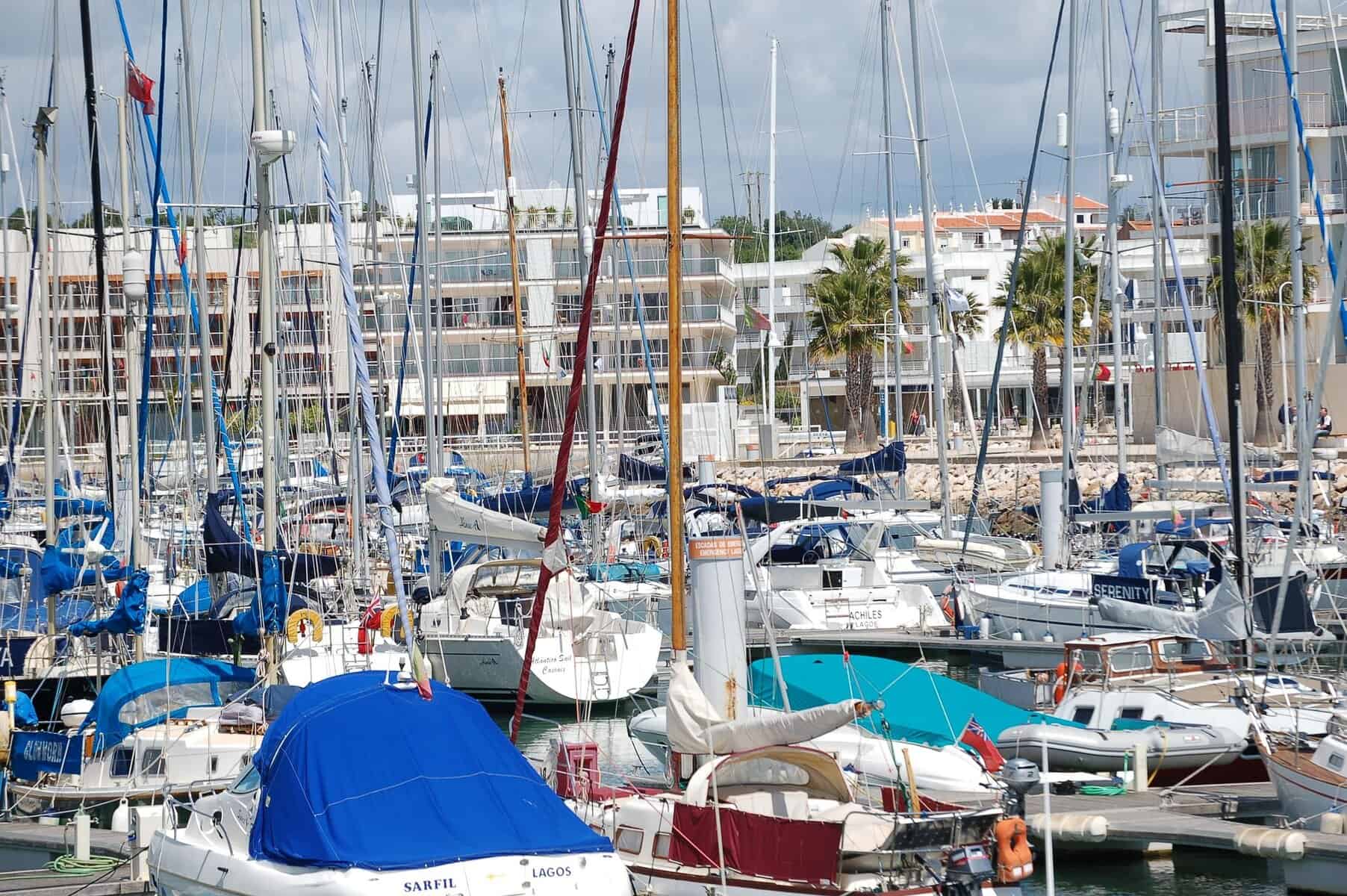
Lagos Marina is one of the most beautiful in southern Portugal, with a modern waterfront lined with restaurants, cafés, and small shops. It opened in the 1990s and serves as a hub for sailors and for day trips to nearby coves and cliff caves.
In the evening, the lights shimmer on the water and create a calm, romantic atmosphere. It’s a lovely place to come for a morning coffee or dinner facing the yachts and the little bridges linking the docks.
A wide range of excellent and popular boat trips depart from the marina:
Click here for a dolphin-watching cruise from Lagos Marina…
Click here for a boat tour to the sea caves of Ponta da Piedade…
Click here for a boat tour to the famous Benagil Cave…
Ponta da Bandeira Fort | Forte da Ponta da Bandeira
The fort stands at the end of the promenade, just a few yards from the small lighthouse. It’s a compact 17th-century fortress built to protect the port of Lagos from pirates and foreign invasions. Its strategic position at the river mouth made it possible to control access to the town.
Today, you can visit a small exhibition inside, climb to the roof, and enjoy sweeping views of the beach and sea. It combines maritime history with dramatic scenery, and admission is symbolic. It’s best visited as part of a walk along the promenade to where it meets the ocean.
Click here to find a place to stay in Lagos…
Saint Anthony Church | Igreja de Santo António – small but impressive
This 18th-century church looks modest from the outside, but inside it is richly decorated with gilded woodwork and stunning religious paintings in an exuberant Baroque style. Built in honor of Saint Anthony, it’s considered one of the most impressive churches in southern Portugal.
Over the years, it underwent careful restoration after being damaged in the Napoleonic Wars. The visit is short but memorable, especially when natural light filters through the windows and illuminates the wooden ceiling with all its delicate detail.
Check out our full accommodation guide to the Algarve…
Dr. José Formosinho Museum | Museu Dr. José Formosinho
Lagos’s historical museum was established in 1934 by a local scholar and stands next to Saint Anthony Church.
It displays archaeological finds, religious art, everyday objects from the Middle Ages, and old photographs of the town. The exhibits offer a rare glimpse into Lagos’s local history, from the Roman period to the present day. A visit takes about 30 minutes and is a great way to learn more about the town’s history and culture.
Slave Market Museum | Mercado de Escravos
This 15th-century historic building once served as Europe’s first slave market, during the period when Portugal was beginning its voyages of discovery along the African continent. Today it houses a small but important museum displaying old maps, paintings, and trade objects from the colonial era.
The exhibition is thought-provoking and presents this complex chapter of Portuguese history with honesty.
The small museum is located in the heart of the historic center.
Riverfront promenade | Avenida dos Descobrimentos
Lagos’s long promenade runs along the Bensafrim River and links the marina with the old town. It is named after Portugal’s Age of Discovery and decorated with statues of explorers.
Along the way are palm trees, benches, and small stalls in summer, making it an easy and pleasant place for a relaxed walk. In the evening, it’s especially enjoyable as the sun sets over the bridge and the sea turns shades of pink and gold.
Click here to find a place to stay in Lagos…
Click here for a boat tour to the sea caves of Ponta da Piedade…
The Lagos market | Mercado Municipal de Lagos
The Lagos market is located opposite the marina, at the beginning of the old town. It’s a morning market, open every day except Sunday, and many residents of the town center really do shop here for fresh produce to take home.
Its central location makes it easy to stop by without planning ahead, and if you’ve rented an apartment with a kitchen, it’s a great place to pick up fresh, varied ingredients.
Lagos Live Science Center | Centro Ciência Viva de Lagos
The center is located beside the market in a very central spot. It’s a fascinating interactive space focused on Portugal’s maritime and scientific discoveries, as well as the legacy of Prince Henry the Navigator, who was active in the region. Inside, you’ll find family-friendly exhibits with experiments, demonstrations, and activity areas for children.
You can learn about navigation, the stars, and the science behind the Age of Discovery. It’s an excellent option for a hot or rainy day, or for an educational family outing. It’s a short walk from the old town and is open most of the year.
Click here to find a place to stay in Lagos…
Click here for a boat tour to the sea caves of Ponta da Piedade…
Beyond Lagos: Nearby Towns and Must-See Sights
Click here for more detailed information about:
Water parks within driving distance of Lagos | Aqualand / Aquashow / Slide & Splash
Praia da Luz
A nearby village with a wide, beautiful sandy beach. It’s just under a 10-minute drive west of Lagos. Everything here feels smaller and more compact, but there are still plenty of restaurants, along with places to stay and a relaxed vacation atmosphere.
The beach is broad, with soft sand, relatively calm summer waters, and the distinctive backdrop of the volcanic cliff Rocha Negra | Rocha Negra rising behind it. Along the shore you’ll find a well-kept promenade, sun loungers and umbrellas in season, and light activities such as kayaking and SUP.
Access is very easy, with nearby parking that can get crowded in July and August, and the village itself sits right by the beach, so restaurants, bars, and cafés are all within walking distance. There are several good spots for fish, light meals, and coffee with a sea view.
Sagres and Cabo de São Vicente
The southwestern tip of mainland Europe, with a dramatic lighthouse and giant cliffs, about 35–40 minutes from Lagos.
Sagres and Cabo de São Vicente mark the southwestern tip of Portugal and of mainland Europe as a whole — a wild, dramatic, and stirring place. In the Middle Ages, the area was seen as a symbol of the “end of the world,” and in the 15th century Portugal’s great explorers set out from here under the leadership of Prince Henry the Navigator, who established a school of navigation in the area.
Today, it’s a spectacular natural landmark, with immense cliffs dropping more than 230 feet into the Atlantic Ocean. At the historic lighthouse on the cape, you’ll find a small museum and one of the finest sunset viewpoints in Europe. The winds are strong almost all the time, so it’s wise to bring something warm even in summer and allow about an hour for walking around and taking in the rocky, untamed scenery.
Salema and Burgau – fishing villages above the cliffs
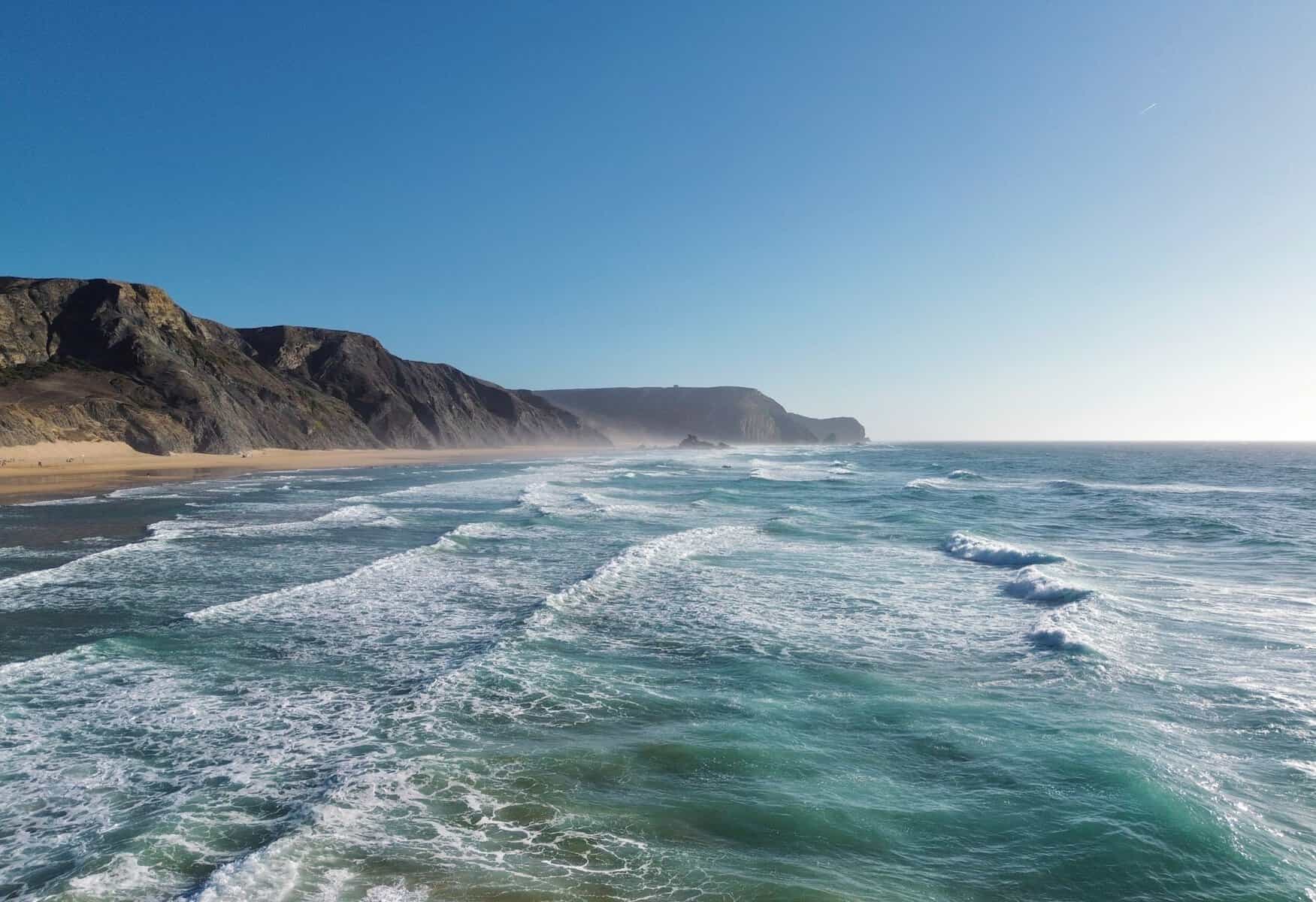
Fishing villages set above the cliffs, where the coastline west of Lagos already starts to feel wilder. Here too, you’ll find sandy beaches tucked into scenic coves, with villages above them offering restaurants and places to stay. It’s a good choice if you want to venture beyond Lagos for quieter beaches and a good lunch.
Salema is a small, peaceful seaside town in the southwestern Algarve, about 20 minutes from Lagos by car. It’s a well-preserved traditional fishing village with a beautiful beach, relatively calm summer waters, and a notably relaxed atmosphere even in peak season. Along the shore there’s a short promenade, good seafood restaurants, a few bars and cafés, and everything sits within a short walk of the sea. In season, you’ll find umbrellas and loungers for rent, as well as gentle water activities, and access is easy with parking right by the beach.
Burgau lies between Salema and Lagos, about a 12-minute drive from town. It’s a small clifftop village with narrow lanes, white stone houses, and a sheltered beach between the cliffs — perfect for travelers looking for a quiet, local feel. The beach is especially good for families thanks to the relatively calm water, and there are small restaurants and bars on the sand or just above it. In summer, basic beach services are available, and during the rest of the year Burgau keeps a very village-like character, with a fair number of businesses still open in winter.
Both destinations are well suited to travelers who want access to beautiful, clean beaches without the crowds of central Lagos. In summer, the beaches are especially pleasant for swimming, while spring and fall are wonderful for a slower visit and for cliff walks between the villages — one of the area’s prettiest routes, with sweeping Atlantic views.
Check out our full accommodation guide to the Algarve…
Monchique – Peaceful mountain spa town and lush forests
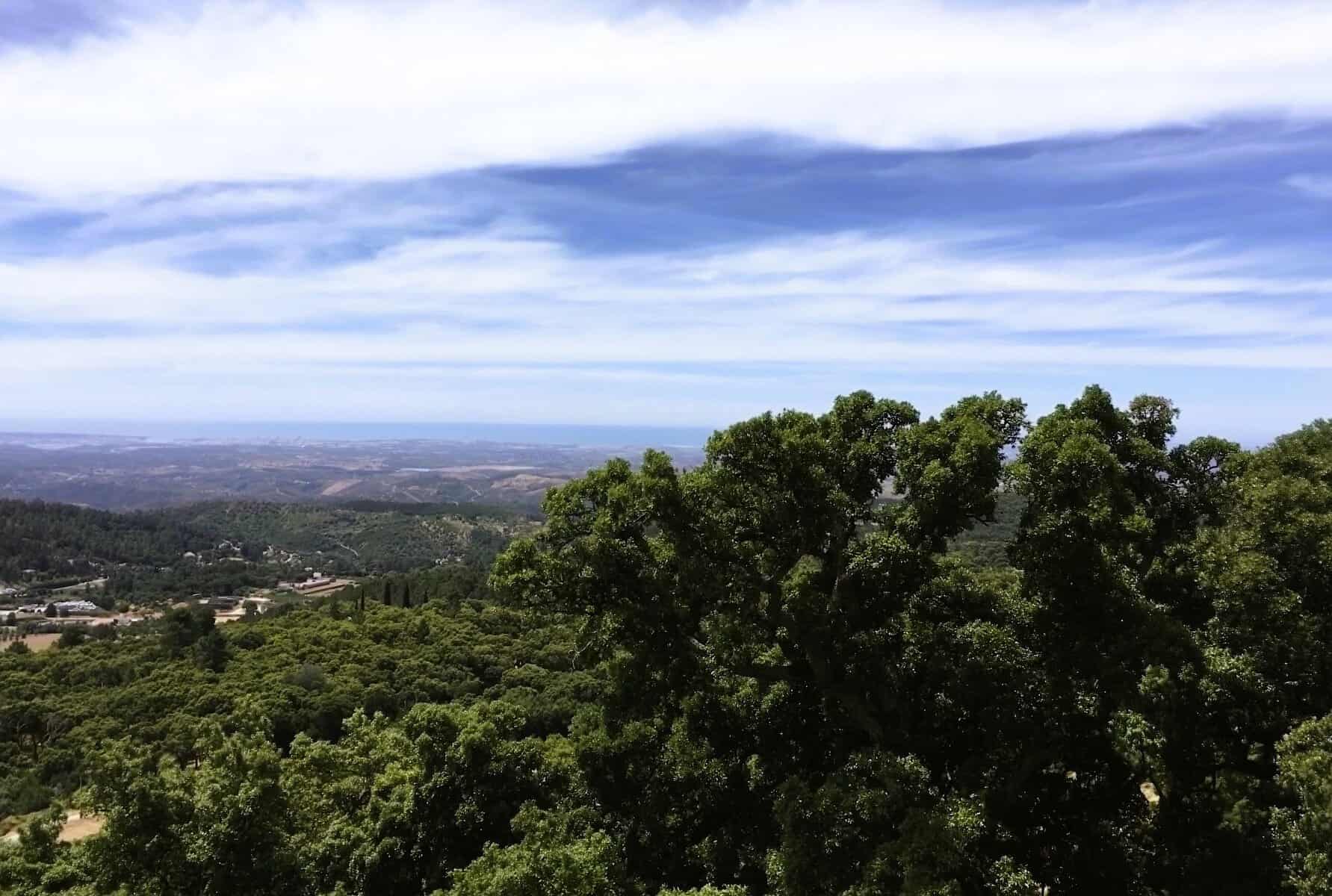
The Monchique Mountains are one of the Algarve’s most famous non-beach destinations. These hills and villages, about 45 minutes north of Lagos by car, are simply lovely. With peaks reaching 2,300 feet and higher, they can also offer a welcome break from the heat along the coast.
Spring is the most beautiful time to come, when everything is green and blooming. That makes this part of the Algarve especially suitable for travel outside the main season, when the ocean is too cold for swimming. It hardly needs saying that the drive to Monchique is full of viewpoints and beautiful scenery between mountain and sea.